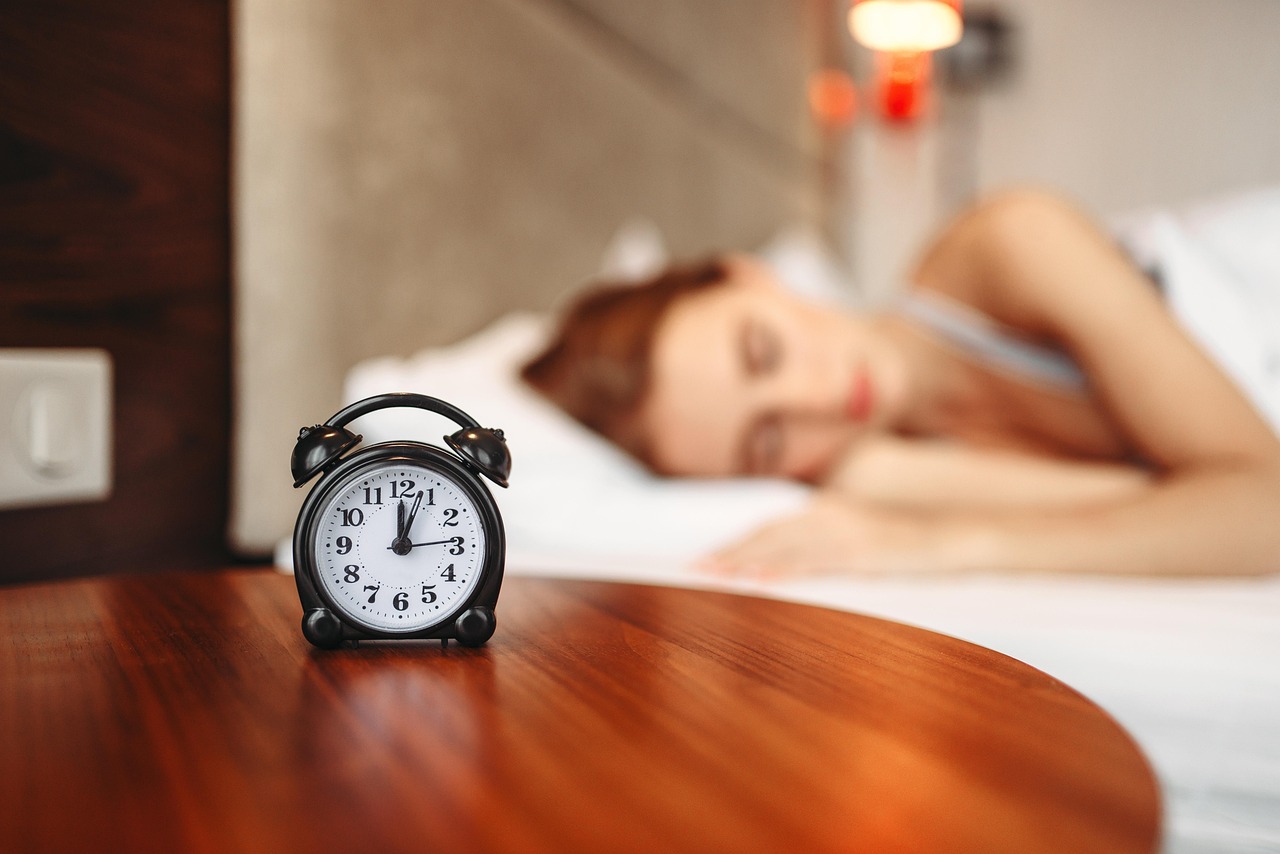
Sleep is one of the most essential pillars of health, yet millions struggle to achieve truly restorative rest each night. Understanding what disrupts your sleep is the first step toward transforming your nights and waking up refreshed.

Modern sleep tracking has evolved beyond simply counting hours. By implementing a systematic tagging approach, you can identify patterns, pinpoint disruptors, and create personalized solutions that address your unique sleep challenges. This method transforms raw data into actionable insights that genuinely improve your quality of rest.
🌙 Why Traditional Sleep Tracking Falls Short
Most people who track their sleep focus exclusively on duration and basic metrics like time in bed or sleep cycles. While these measurements provide a foundation, they miss the crucial context that explains why some nights deliver deep, restorative sleep while others leave you exhausted despite adequate hours.
The problem with generic sleep data is its lack of specificity. Knowing you slept poorly doesn’t tell you whether caffeine consumption, stress, room temperature, or screen time caused the issue. Without connecting behaviors and environmental factors to sleep outcomes, you’re left guessing about what changes might actually help.
This is where strategic tagging revolutionizes your approach. By creating custom labels for daily activities, consumption patterns, emotional states, and environmental conditions, you build a comprehensive picture of what truly affects your rest. Over time, these tags reveal correlations that would otherwise remain invisible.
🏷️ Building Your Personal Sleep Tag System
Creating an effective tagging system starts with identifying the categories most relevant to your lifestyle. Rather than tracking everything, focus on factors you suspect might influence your sleep quality or variables you can realistically control.
Essential Tag Categories to Consider
Your tag system should capture diverse influences on sleep. Consumption tags track what you ingest and when—caffeine after 2 PM, alcohol with dinner, heavy meals before bed, or herbal tea in the evening. These substance-related factors have measurable effects on sleep architecture.
Activity tags document physical exertion, exercise timing, and movement throughout the day. Morning workouts, evening yoga, sedentary days, or intense late-night training sessions each impact sleep differently. Tracking these patterns helps identify your optimal exercise window.
Environmental tags capture conditions in your sleep space: room temperature, noise levels, light exposure, bedding changes, or sleeping in unfamiliar locations. Even subtle environmental shifts can significantly affect sleep quality.
Emotional and mental state tags document stress levels, anxiety, excitement, or relaxation before bed. Your psychological condition profoundly influences both sleep onset and quality throughout the night.
Screen time and technology tags track device usage patterns, particularly blue light exposure in the hours before sleep. Social media scrolling, work emails, television watching, or reading on backlit devices all deserve documentation.
Implementing Your Tagging Routine
Consistency transforms tagging from a novelty into a powerful analytical tool. Establish a simple pre-sleep ritual where you spend two minutes reviewing your day and applying relevant tags. This reflection itself can promote better sleep by creating psychological closure on the day.
Start with five to ten tags that address your primary concerns. If you suspect caffeine sensitivity, create tags for morning coffee, afternoon coffee, and evening caffeine. If stress seems problematic, develop tags for high-stress days, meditation practice, and worry-free evenings.
Morning reviews are equally important. Upon waking, quickly rate your sleep quality and note how you feel. This immediate feedback, combined with previous evening’s tags, creates the cause-and-effect connections your analysis requires.
📊 Analyzing Your Tagged Sleep Data
After two to four weeks of consistent tagging, meaningful patterns begin emerging. This analysis phase transforms your discipline into discoveries that can genuinely improve your rest.
Look for clear correlations between specific tags and sleep quality. You might discover that yoga sessions consistently precede excellent sleep, while late afternoon coffee reliably disrupts it. Perhaps working past 9 PM correlates with difficulty falling asleep, or reading physical books before bed leads to deeper rest than screen-based reading.
Identifying Your Personal Sleep Disruptors
Sleep disruptors are highly individual. What devastates one person’s sleep might not affect another at all. This personalized discovery process is why systematic tagging proves so valuable—it reveals your unique vulnerabilities rather than relying on generic advice.
Common disruptors that tagging frequently reveals include caffeine consumption within eight hours of bedtime, alcohol intake even in moderate amounts, eating within three hours of sleep, intense evening exercise, temperature extremes in the bedroom, and unresolved stress or anxiety.
However, some people discover surprising disruptors: sleeping too much on weekends disrupting weekday patterns, skipping exercise entirely, rooms that are too quiet, or even certain foods that trigger digestive issues overnight. Your data tells your story.
Recognizing Your Sleep Enhancers
Equally important are identifying positive factors that consistently correlate with excellent sleep. These become the foundation of your optimized sleep routine. Your tags might reveal that magnesium supplements, specific stretching routines, cool room temperatures, or journaling before bed reliably improve your rest.
Building on these enhancers while systematically eliminating disruptors creates a personalized sleep protocol far more effective than generic recommendations. Your body’s responses guide the strategy.
🔧 Practical Tools for Tag-Based Sleep Tracking
Several approaches exist for implementing a tagging system, from sophisticated apps to simple paper journals. The best method is the one you’ll actually use consistently.
Digital Sleep Tracking Applications
Many modern sleep tracking applications support custom tagging features. These tools automatically track sleep cycles through smartphone sensors or wearable devices, then allow you to add contextual tags each night.
Sleep as Android stands out as an excellent option for Android users seeking comprehensive tracking with robust tagging capabilities. The application records sleep cycles, snoring, movement, and environmental sound, while allowing unlimited custom tags to document daily factors.
The advantage of dedicated apps lies in their analytical features. After accumulating data, they can automatically identify correlations between tags and sleep quality, present visual graphs showing trends, and even offer personalized recommendations based on your patterns.
Manual Tracking Methods
Some people prefer tangible tracking methods. A simple notebook beside your bed can work beautifully. Create a template with your standard tags, then each night check relevant ones and add a sleep quality rating the following morning.
Spreadsheets offer a middle ground—manual input with digital analysis capabilities. Create columns for date, each tag category, sleep duration, and quality rating. After several weeks, simple sorting and filtering reveal patterns clearly.
🎯 Conducting Sleep Experiments Based on Your Data
Once you’ve identified potential disruptors and enhancers, systematic experimentation confirms causation beyond correlation. This scientific approach eliminates guesswork and prevents unnecessary lifestyle restrictions.
The Elimination Testing Protocol
When tags suggest a particular factor disrupts sleep, conduct a two-week elimination test. Completely remove the suspected disruptor while maintaining all other variables. Continue tagging throughout this period to document results.
If sleep quality improves consistently during elimination, you’ve identified a genuine personal disruptor. You can then decide whether the sleep benefits justify permanently changing that behavior, or if occasional indulgence with accepted consequences makes sense for your lifestyle.
The Addition Testing Protocol
For potential sleep enhancers, conduct addition tests. Introduce a new habit—perhaps magnesium supplementation, meditation, or specific temperature adjustments—while maintaining other routines. Track for two weeks to assess consistent impact.
This methodical approach prevents placebo effects and ensures your optimized sleep protocol includes only genuinely beneficial practices. You invest effort only in changes that demonstrably improve your rest.
💡 Common Sleep Disruptors Revealed Through Tagging
While everyone’s sleep profile is unique, tagging consistently reveals certain factors as problematic for many people. Understanding these common disruptors helps you design more comprehensive tag categories.
The Caffeine Timing Window
Many people discover through tagging that their caffeine sensitivity extends much longer than expected. While they might not feel stimulated by afternoon coffee, their sleep data reveals measurable impacts on sleep quality even from consumption six to eight hours before bed.
This revelation often leads to shifting coffee consumption exclusively to morning hours, with significant improvements in both falling asleep and sleep depth throughout the night.
The Alcohol Paradox
Alcohol initially promotes drowsiness, leading many to view it as a sleep aid. However, systematic tagging frequently reveals that alcohol, even in moderate amounts, correlates with fragmented sleep, early morning awakening, and reduced sleep quality overall.
This data-driven discovery often motivates people to experiment with alcohol-free evenings, typically resulting in notably better sleep quality despite taking slightly longer to fall asleep initially.
Screen Time and Blue Light Exposure
Tags documenting pre-bed screen usage consistently show correlations with delayed sleep onset and reduced sleep quality. The blue light emitted by devices suppresses melatonin production, shifting your natural sleep timing later.
People who implement screen-free periods before bed—typically one to two hours—and tag this consistently often report dramatic improvements in both falling asleep and overall sleep satisfaction.
Temperature Sensitivity
Room temperature represents one of the most underestimated sleep factors. Tagging bedroom temperature or using descriptors like “too warm” or “comfortably cool” frequently reveals that even slight temperature increases disrupt sleep quality significantly.
Most people sleep best in cooler environments, typically between 60-67°F (15-19°C). Discovering your personal optimal temperature through tagged data can transform your sleep experience.
🌟 Building Your Optimized Sleep Protocol
After several weeks of tagging, experimenting, and analyzing, you’re ready to construct a personalized sleep optimization protocol based on evidence from your own body rather than generic recommendations.
Creating Your Pre-Sleep Routine
Design an evening routine that incorporates your identified sleep enhancers while avoiding disruptors. This might include stopping caffeine by noon, finishing dinner three hours before bed, completing a specific stretching sequence, setting your thermostat to your optimal temperature, and implementing a screen-free wind-down period.
The power of this protocol lies in its personalization. Each element has been validated through your tagged data as genuinely beneficial for your unique physiology and circumstances.
Ongoing Refinement and Adaptation
Continue tagging even after establishing your optimized routine. Life circumstances change, new potential disruptors emerge, and your body’s responses may shift over time. Maintaining your tracking practice ensures you catch any degradation in sleep quality and can quickly identify new causes.
Periodic reviews of your accumulated data—perhaps monthly or quarterly—help you spot longer-term trends that might not be apparent week to week. Seasonal variations, stress cycles, or gradual lifestyle shifts become visible in extended data sets.
🚀 Advanced Tagging Strategies for Sleep Optimization
Once you’ve mastered basic tagging, advanced strategies can deepen your insights and accelerate improvement.
Multi-Variable Analysis
Instead of examining single tags in isolation, look for combinations that predict sleep outcomes. Perhaps moderate caffeine doesn’t disrupt sleep unless combined with evening stress, or exercise improves sleep only when completed at least four hours before bed.
These interaction effects represent sophisticated insights that simple single-factor analysis misses. They allow for more nuanced optimization where you don’t unnecessarily restrict behaviors that only cause problems in specific combinations.
Sleep Debt and Recovery Tracking
Add tags that track cumulative sleep debt across multiple nights. Poor sleep often results not just from the previous night’s factors but from accumulated deficits. Tagging recovery sleep, weekend catch-up patterns, and consecutive poor nights reveals how your body responds to sleep debt.
Biological Rhythm Documentation
Create tags that track consistency in sleep and wake times, exposure to morning sunlight, and meal timing. These circadian rhythm factors profoundly influence sleep quality but operate on longer timescales than single-night disruptors.
Your data might reveal that irregular sleep schedules, even when total sleep time is adequate, consistently correlate with poor sleep quality. This insight often motivates more consistent routines even on weekends.
💤 Transforming Data Into Lasting Sleep Improvement
The ultimate goal of tag-based sleep tracking isn’t accumulating data—it’s achieving consistently restful nights that leave you energized, focused, and healthy. This transformation requires translating insights into sustainable habits.
Start with the highest-impact changes your data reveals. If eliminating evening caffeine shows a 40% improvement in sleep quality while meditation shows a 10% improvement, prioritize the caffeine change first. Stack improvements gradually rather than attempting everything simultaneously.
Celebrate progress rather than pursuing perfection. Some nights will still be difficult due to uncontrollable factors. The goal is improving your baseline and understanding what’s within your control versus what isn’t.
Share your discoveries with others, but remember that your optimized protocol is uniquely yours. What works brilliantly for you might not help someone else, and vice versa. This personalization is precisely why systematic tagging proves so valuable—it cuts through generic advice to reveal your specific needs.
🎓 The Long-Term Benefits of Sleep Awareness
Beyond immediate improvements in rest quality, tag-based sleep tracking cultivates valuable self-awareness that extends into all areas of health and performance. You develop a sophisticated understanding of how daily choices cascade into nighttime consequences.
This awareness naturally promotes healthier decisions throughout the day. When you viscerally understand that afternoon coffee leads to fragmented sleep, which results in next-day fatigue and poor productivity, choosing herbal tea becomes easier. The cause-and-effect chain becomes concrete rather than abstract.
Over months and years, this practice builds a comprehensive personal health database. You can identify how sleep patterns relate to illness frequency, exercise performance, mood stability, and cognitive function. Sleep becomes understood not as an isolated factor but as a central pillar supporting all aspects of wellbeing.
Your tagged sleep data essentially creates a user manual for your own body—a personalized guide to the inputs that produce optimal function. This knowledge becomes increasingly valuable as you age and as your circumstances evolve.

🔑 Your Journey to Better Sleep Starts Tonight
Implementing a tag-based sleep tracking system requires minimal investment but offers profound returns. You need only a method for recording tags, commitment to consistency, and curiosity about what your data reveals.
Begin tonight with just five tags addressing your suspected sleep disruptors. Document them before bed, rate your sleep tomorrow morning, and continue this simple practice for two weeks. The patterns that emerge will guide your next steps with clarity that generic sleep advice never could.
Remember that perfect sleep tracking isn’t the goal—actionable insights are. Even imperfect data collected consistently will reveal patterns far more valuable than no data at all. Progress compounds with each night of documentation.
Your path to consistently restful nights lies not in following someone else’s protocol but in discovering what works specifically for you. Tagged sleep tracking provides the map for this personal journey, illuminating the route from disrupted nights to the restorative sleep that transforms your days. The data you collect becomes your most powerful tool for unlocking the rest your body needs and deserves. Sweet dreams await those who track with purpose! 😴