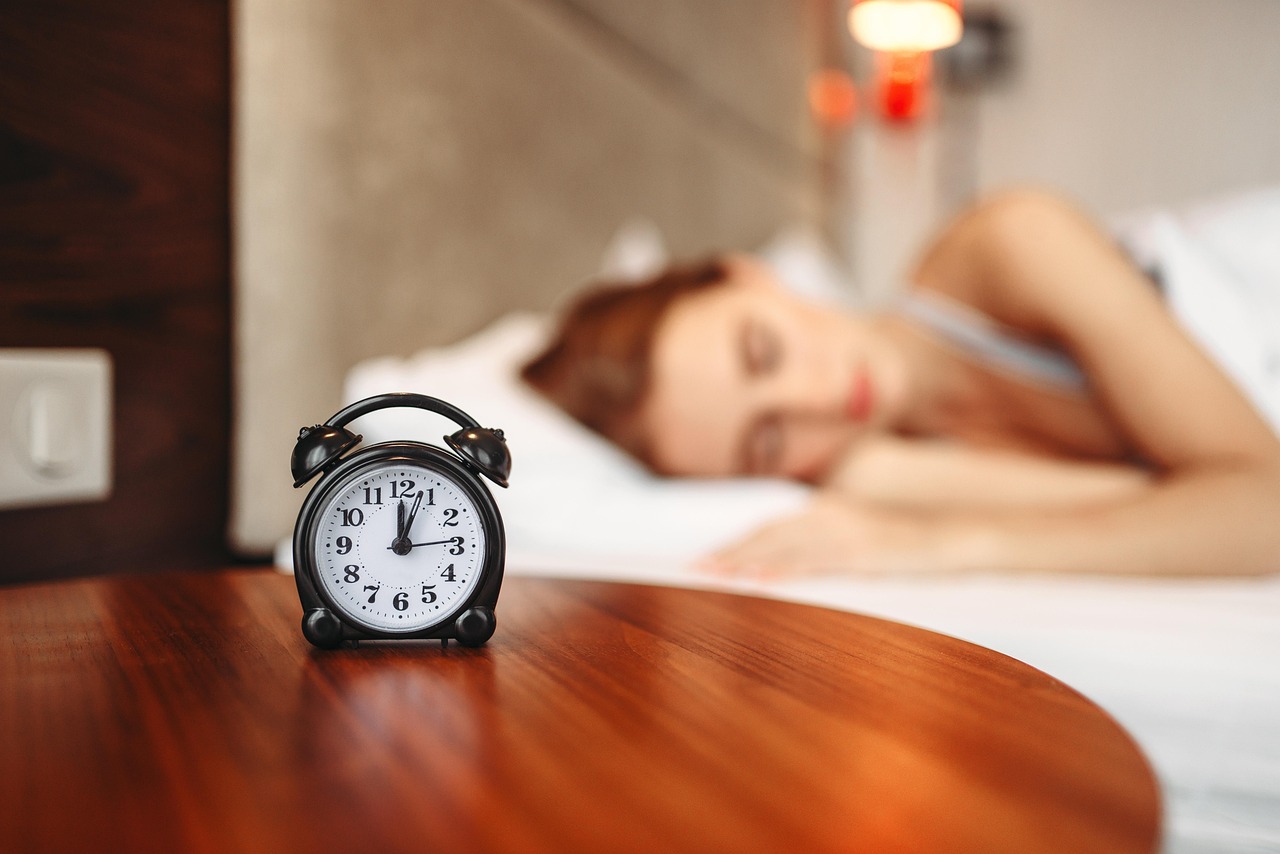
Sleep is one of the most powerful tools for health, yet millions struggle to achieve quality rest. Understanding your sleep patterns through data-driven insights can transform your nights and energize your days.

Modern sleep science has revealed that two critical metrics—sleep onset latency and wake consistency—hold the keys to unlocking restorative sleep. By tracking these elements, you gain actionable intelligence about your body’s natural rhythms and can make targeted adjustments that deliver measurable improvements in sleep quality, daytime energy, and overall well-being.
🌙 Understanding Sleep Onset Latency: Your Gateway to Better Rest
Sleep onset latency (SOL) refers to the time it takes you to transition from full wakefulness to sleep after getting into bed. This seemingly simple metric reveals volumes about your sleep health, circadian rhythm alignment, and bedtime routine effectiveness.
The average healthy adult falls asleep within 10 to 20 minutes of lying down with the intention to sleep. If you’re consistently falling asleep in under five minutes, you may be sleep deprived. Conversely, regularly taking 30 minutes or longer suggests potential sleep disorders, stress, poor sleep hygiene, or circadian misalignment.
Why Sleep Onset Latency Matters More Than You Think
Tracking your SOL provides early warning signs of developing sleep problems before they become chronic. A sudden increase in how long it takes you to fall asleep often precedes insomnia, while decreasing SOL can indicate accumulating sleep debt that needs addressing.
This metric also serves as a sensitive indicator of lifestyle factors affecting your sleep. Changes in exercise timing, caffeine consumption, screen time, stress levels, and meal schedules all manifest in your sleep onset latency patterns.
Perhaps most importantly, SOL tracking helps you evaluate the effectiveness of sleep interventions. When you implement a new bedtime routine or environmental change, objective SOL data shows whether the adjustment actually works for your unique physiology.
📊 The Science Behind Tracking Sleep Onset
Modern sleep tracking technology uses multiple sensors to estimate when you transition from wakefulness to sleep. Accelerometers detect movement patterns, heart rate sensors identify the cardiovascular changes that accompany sleep onset, and some advanced devices even monitor breathing patterns and body temperature fluctuations.
While polysomnography—the gold standard sleep study conducted in medical facilities—provides the most accurate sleep staging data, consumer wearables have become remarkably sophisticated. Research shows that quality sleep trackers can estimate sleep onset with reasonable accuracy for most users, making this data accessible without expensive medical testing.
What Your Sleep Onset Patterns Reveal
Consistent sleep onset latency between 10-20 minutes suggests healthy sleep pressure buildup throughout the day and proper circadian timing. Your body has accumulated sufficient adenosine (the chemical that creates sleep pressure), and your circadian rhythm has triggered appropriate melatonin release.
Extremely short SOL (under 5 minutes) typically indicates insufficient sleep quantity. Your body is so desperate for rest that it bypasses normal sleep initiation processes. This pattern often accompanies daytime sleepiness and reduced cognitive performance.
Extended SOL (over 30 minutes regularly) points to hyperarousal, circadian misalignment, or conditioned insomnia. Your sympathetic nervous system remains activated when it should be quieting, preventing the natural transition into sleep stages.
⏰ Wake Consistency: The Underestimated Sleep Optimization Tool
While much attention focuses on bedtime routines, wake consistency—maintaining a regular wake time—may be even more critical for sleep quality. Your wake time acts as the primary anchor for your circadian rhythm, influencing when you feel alert, hungry, and sleepy throughout the day.
Circadian rhythms are biological processes that follow roughly 24-hour cycles, regulating hormone release, body temperature, digestion, and countless other functions. Light exposure, particularly in the morning, is the most powerful circadian synchronizer, and your wake time determines when this crucial light exposure occurs.
The Wake Time Priority Principle
Sleep researchers increasingly emphasize that wake time consistency matters more than bedtime consistency for optimizing circadian health. When you wake at the same time daily—even on weekends—you train your body’s master clock, making it easier to fall asleep at appropriate times and improving sleep quality.
Variable wake times create a phenomenon called social jetlag, where your body experiences internal time zone shifts similar to travel across geographic time zones. This desynchronization between your biological clock and your schedule produces many of the same symptoms as traditional jet lag: fatigue, mood disturbances, difficulty concentrating, and metabolic disruptions.
Studies show that people with irregular wake times have higher rates of obesity, diabetes, cardiovascular disease, and mood disorders—even when controlling for total sleep duration. The consistency of your sleep-wake cycle matters as much as the quantity of sleep you obtain.
🔍 How to Track Sleep Onset Latency Effectively
Accurate sleep onset tracking requires either dedicated sleep tracking devices or smartphone applications with appropriate sensors. The most effective approach combines objective data from wearables with subjective sleep diary entries that capture contextual information.
Wearable sleep trackers—including fitness bands, smartwatches, and specialized sleep monitoring devices—provide continuous data collection without requiring conscious effort once you establish the habit of wearing them. Look for devices that track heart rate variability, movement, and ideally respiratory rate for more accurate sleep staging.
Creating Your Sleep Onset Tracking System
Establish a baseline by tracking your sleep onset latency for at least two weeks without making deliberate changes. This baseline reveals your natural patterns and helps identify which nights have unusually long or short SOL values worth investigating.
Record contextual factors that might influence your sleep onset, including exercise timing and intensity, caffeine and alcohol consumption, evening light exposure, stress levels, and any medications or supplements. Over time, patterns emerge showing which factors consistently affect your ability to fall asleep.
Set realistic expectations for your data. Consumer sleep trackers estimate sleep stages with 70-80% accuracy compared to polysomnography. Focus on trends rather than individual night variations, and use the data to guide experiments rather than as absolute diagnostic information.
📅 Implementing Wake Consistency: Practical Strategies
Establishing wake consistency requires commitment, especially during the initial adjustment period. Start by choosing a wake time you can maintain seven days per week, including weekends. This time should allow adequate sleep opportunity (7-9 hours for most adults) based on when you can realistically go to bed.
Use strategic light exposure immediately upon waking to reinforce your circadian rhythm. Get outdoors within 30 minutes of waking, or use a bright light therapy lamp (10,000 lux) for 20-30 minutes if natural light isn’t available. This light exposure is particularly crucial on days when you feel tempted to sleep in.
Weekend Wake Consistency: The Game Changer
The most challenging aspect of wake consistency is maintaining your schedule on non-work days. Social jetlag from weekend sleep schedule shifts can undermine an entire week of consistent sleep patterns. Even a two-hour deviation in wake time can disrupt your circadian rhythm.
If you’ve accumulated sleep debt during the week, address it by going to bed earlier rather than sleeping later. Your consistent wake time maintains circadian alignment while allowing recovery sleep. If you absolutely must sleep longer occasionally, limit wake time variations to one hour maximum.
Consider scheduling enjoyable morning activities on weekends to provide motivation for consistent wake times. Morning exercise, favorite breakfast preparations, or social activities make early rising rewarding rather than merely disciplined.
🎯 Combining SOL and Wake Consistency Data for Maximum Impact
The true power emerges when you analyze sleep onset latency and wake consistency together. These metrics create a comprehensive picture of your sleep-wake system health and reveal optimization opportunities that single metrics might miss.
When you maintain wake consistency but experience lengthening sleep onset latency, you’re likely experiencing increased stress, changed evening habits, or environmental factors affecting sleep pressure buildup. This pattern directs your attention toward evening routines and pre-sleep activities.
Conversely, inconsistent wake times accompanied by variable sleep onset latency indicate circadian rhythm desynchronization as the primary issue. This pattern requires focusing on wake time stabilization before optimizing other sleep factors.
Creating Your Personalized Sleep Optimization Protocol
Use your tracked data to design targeted interventions. If your sleep onset latency increases on days with late afternoon caffeine, you have clear evidence to adjust consumption timing. If you fall asleep faster following evening walks, you’ve identified a valuable routine element.
- Analyze weekly averages rather than daily variations to identify meaningful trends
- Test one variable at a time for 1-2 weeks to isolate effects
- Document both objective metrics and subjective sleep quality ratings
- Look for patterns between wake consistency deviations and subsequent sleep onset challenges
- Identify your personal sleep opportunity sweet spot where you achieve optimal SOL
🛠️ Troubleshooting Common Sleep Onset Latency Issues
Extended sleep onset latency has multiple potential causes, and your tracking data helps identify which factors affect your individual sleep. The most common culprits include hyperarousal from stress or anxiety, conditioned insomnia where your bed becomes associated with wakefulness, circadian phase delays, and environmental disruptions.
For stress-related sleep onset difficulties, implement a buffer zone between daytime activities and bed. Create a 60-90 minute wind-down routine that progressively calms your nervous system through dimmed lighting, relaxing activities, and stress reduction techniques.
The Cognitive Shuffle Technique for Faster Sleep Onset
When racing thoughts prevent sleep onset, try the cognitive shuffle technique: visualize random, non-threatening images changing every few seconds. This occupies your mind’s narrative centers without creating emotional arousal, allowing sleep processes to initiate. Many people report dramatically reduced SOL when consistently applying this method.
If you haven’t fallen asleep within 20-25 minutes, leave your bedroom and engage in a quiet, dimly-lit activity until you feel sleepy. This prevents conditioning your bed as a place of wakefulness and reduces the frustration that further delays sleep onset.
💡 Advanced Strategies for Sleep Optimization
Once you’ve established baseline wake consistency and understand your sleep onset patterns, advanced strategies can further enhance sleep quality. Temperature optimization plays a crucial role—your core body temperature must drop to initiate sleep, so cooling your bedroom to 60-67°F (15-19°C) facilitates this process.
Consider the timing and composition of your evening meal. Large meals within three hours of bedtime can disrupt sleep onset through digestive processes and blood sugar fluctuations. However, strategic small snacks combining complex carbohydrates with proteins can support melatonin production and stabilize overnight blood sugar.
Leveraging Sleep Pressure and Circadian Rhythm Together
Optimal sleep onset occurs when high sleep pressure (accumulated adenosine) coincides with your circadian dip (natural melatonin rise). You can influence sleep pressure through wake time, daytime activity levels, and strategic caffeine timing, while light exposure patterns primarily control circadian timing.
Morning exercise builds sleep pressure throughout the day and strengthens circadian rhythms through increased metabolic activity and light exposure. Evening exercise can also improve sleep but should conclude at least three hours before bed to allow core temperature and arousal levels to decline.
📈 Measuring Progress and Adjusting Your Approach
Track not just sleep onset latency and wake consistency, but also how you feel during the day. Improved sleep should translate to better daytime functioning—increased energy, improved mood, better concentration, and reduced afternoon sleepiness.
Review your data monthly to identify long-term trends and seasonal variations. Many people experience changing sleep patterns across seasons due to daylight variations, temperature changes, and altered activity levels. Adjusting your sleep strategy seasonally maintains optimization year-round.
| Metric | Healthy Range | Action Needed |
|---|---|---|
| Sleep Onset Latency | 10-20 minutes | Under 5 or over 30 minutes |
| Wake Time Variation | Within 30 minutes daily | Over 1 hour variation |
| Total Sleep Time | 7-9 hours for adults | Consistently under 7 hours |
| Sleep Efficiency | Above 85% | Below 80% |

🌟 Beyond Tracking: Building Lasting Sleep Health
While tracking provides valuable insights, the ultimate goal is developing intuitive sleep health that doesn’t require constant monitoring. As you optimize your sleep through consistent wake times and improved sleep onset, you develop better sleep awareness and naturally maintain healthy patterns.
Think of sleep tracking as training wheels—essential for learning and establishing patterns, but eventually you can ride based on internalized skills and body awareness. Continue periodic tracking to catch drift from optimal patterns, but avoid obsessive monitoring that creates sleep performance anxiety.
The intersection of sleep onset latency tracking and wake consistency represents a powerful approach to sleep optimization grounded in circadian biology and sleep science. By understanding these metrics and applying targeted interventions based on your personal data, you transform sleep from a mysterious variable into a controllable health factor.
Quality sleep isn’t a luxury—it’s foundational to physical health, mental well-being, cognitive performance, and longevity. By mastering these sleep tracking insights and implementing consistent wake patterns, you invest in every aspect of your life. Your tracked data provides the roadmap, but your commitment to consistency delivers the results. Start tonight by setting tomorrow’s wake time, and begin building the sleep health that will energize your days and restore your nights. 😴✨