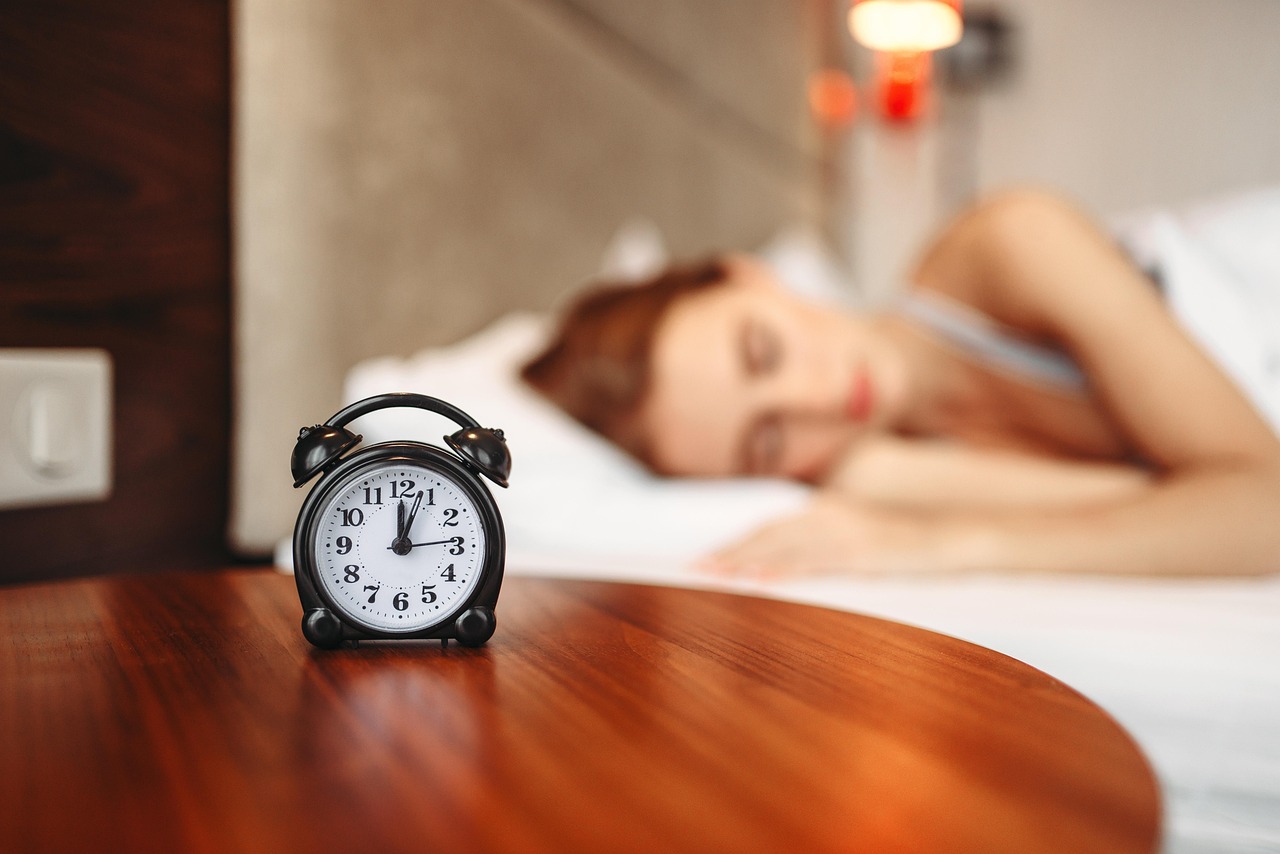
Modern productivity isn’t just about working harder—it’s about working smarter by aligning our tasks with our body’s natural rhythms. Circadian scheduling tools have emerged as game-changers for professionals seeking sustainable performance.

Our biological clocks influence everything from concentration levels to creative thinking, yet most traditional work schedules ignore these natural fluctuations entirely. The growing adoption of circadian-aware scheduling represents a fundamental shift in how we approach productivity, moving away from rigid 9-to-5 structures toward personalized, biology-based work patterns. This article explores real-world success stories of individuals and organizations who have transformed their productivity and well-being through circadian scheduling tools.
🌅 Understanding the Science Behind Circadian Scheduling
Circadian rhythms are 24-hour cycles that regulate our sleep-wake patterns, hormone production, body temperature, and cognitive performance. These biological processes aren’t uniform throughout the day—they create predictable peaks and valleys in our mental and physical capabilities. Research consistently shows that attempting to force high-level cognitive work during our natural low-energy periods leads to decreased productivity, increased errors, and burnout.
Circadian scheduling tools leverage this scientific understanding by helping users identify their personal chronotype—whether they’re morning larks, night owls, or somewhere in between. These applications track performance patterns, suggest optimal times for different task types, and send reminders to align work with biological readiness rather than arbitrary clock times.
📊 Sarah’s Story: From Burnout to Balance in Marketing
Sarah Henderson, a 34-year-old marketing director at a mid-sized tech company, found herself struggling with chronic fatigue despite working 50-60 hour weeks. Her schedule was packed with back-to-back meetings from 9 AM through 5 PM, leaving creative work for evenings when she was already mentally exhausted.
After discovering circadian scheduling through a wellness podcast, Sarah began using a chronotype assessment tool that revealed she was a moderate morning person with peak cognitive performance between 9 AM and noon. Armed with this knowledge, she restructured her workday completely.
The Transformation Process
Sarah blocked her mornings for deep strategic work—campaign planning, content creation, and complex problem-solving. She moved routine meetings to early afternoon when her energy naturally dipped but her communication skills remained strong. Administrative tasks were relegated to late afternoon, and she implemented a strict 5:30 PM cutoff.
Within three months, Sarah reported remarkable changes:
- Campaign development time decreased by 35% while quality scores improved
- She reclaimed 15 hours per week of personal time
- Self-reported stress levels dropped from 8/10 to 4/10
- Team satisfaction increased as she became more present and strategic
The key wasn’t working more hours—it was working during the right hours for her biology. Sarah’s success caught the attention of her company’s leadership, eventually leading to a pilot program for circadian-aware scheduling across the marketing department.
💼 Corporate Implementation: TechFlow’s Company-Wide Adoption
TechFlow, a software development company with 200 employees, faced a common problem: developers were increasingly reporting burnout, and productivity metrics were stagnant despite increased headcount. HR Director Marcus Chen proposed a radical solution—implementing circadian scheduling tools company-wide and allowing flexible work hours aligned with individual chronotypes.
The leadership team was skeptical but agreed to a six-month pilot program. They partnered with chronobiology researchers and implemented a circadian scheduling platform that integrated with their existing project management tools.
Implementation Strategy
Each employee completed a comprehensive chronotype assessment that considered not just sleep preferences but also cognitive performance patterns throughout the day. The company established core collaboration hours from 10 AM to 2 PM when most employees showed overlapping high-performance windows. Outside these hours, individuals could structure their workday according to their circadian profiles.
The results after six months exceeded all expectations:
| Metric | Before Implementation | After Six Months | Change |
|---|---|---|---|
| Code Quality Score | 7.2/10 | 8.6/10 | +19% |
| Project Delivery Time | 6.8 weeks average | 5.3 weeks average | -22% |
| Employee Satisfaction | 68% | 89% | +31% |
| Sick Days Taken | 8.4 days/year | 4.2 days/year | -50% |
Perhaps most significantly, TechFlow’s voluntary turnover rate dropped from 18% to 7% annually—a change leadership directly attributed to improved work-life alignment and reduced burnout. The company saved an estimated $1.2 million in recruitment and training costs while simultaneously boosting productivity.
🎓 Academic Excellence: James’s University Transformation
Graduate student James Liu struggled through his first year of doctoral studies, barely maintaining his grades despite constant studying. He attended morning lectures in a fog, pulled frequent all-nighters, and felt perpetually behind his peers. The traditional academic schedule seemed designed to defeat him.
A conversation with his advisor about chronobiology research changed everything. James discovered he was a strong evening chronotype—his cognitive peak occurred between 2 PM and 9 PM, with creative thinking strongest after 7 PM. The standard 8 AM classes and morning study sessions were fighting against his biology.
Restructuring Academic Life
James restructured his entire schedule using a circadian planning app. He negotiated with professors to attend recorded lectures or afternoon sections when possible. His deep research work shifted to evenings, while morning hours became dedicated to lighter tasks like email, literature reviews, and administrative work.
He began using a world clock app to track his optimal performance windows and set reminders for transitioning between task types. The transformation was dramatic—his GPA increased from 3.2 to 3.8, and he published two papers in his second year compared to zero in his first. More importantly, he reported feeling genuinely engaged with his work rather than constantly fighting fatigue.
🏥 Healthcare Shifts: Dr. Patel’s Hospital Innovation
Dr. Anita Patel, a hospital administrator, recognized that traditional nursing shifts were contributing to medical errors and nurse burnout. While 12-hour shifts were standard, she wondered if circadian misalignment was amplifying the inherent challenges of healthcare work.
She initiated a pilot program in two hospital units, implementing circadian scheduling for nursing staff. Rather than randomly assigning day and night shifts, nurses were assessed for chronotype and preferentially scheduled during their biological high-performance windows when possible.
Results in Patient Care
The pilot program ran for one year with careful tracking of both staff well-being and patient outcomes. The results provided compelling evidence for circadian-aware scheduling in healthcare settings:
- Medication errors decreased by 28% in participating units
- Nurse job satisfaction improved by 41%
- Patient satisfaction scores increased by 15%
- Staff sick leave utilization dropped by 32%
- Nurse retention improved, with voluntary departures decreasing by 24%
Dr. Patel noted that while complete chronotype matching wasn’t always possible due to staffing constraints, even partial alignment produced measurable benefits. The hospital has since expanded the program hospital-wide and is sharing its protocols with other healthcare systems.
✍️ Creative Breakthrough: Emma’s Writing Revolution
Freelance writer Emma Rodriguez spent years forcing herself to write during conventional business hours, believing that professional writers worked 9-to-5 like everyone else. Despite landing decent clients, she struggled with writer’s block, missed deadlines, and constantly questioned whether she was cut out for writing.
A discussion in an online writers’ forum introduced her to circadian scheduling concepts. Curious, she began tracking her creative energy levels throughout the day for two weeks, noting when words flowed easily and when every sentence felt like pulling teeth.
Discovering Her Creative Peak
The patterns were unmistakable: Emma’s creative thinking peaked between 6 PM and 10 PM, with a secondary window from 5 AM to 7 AM. Her midday hours—when she’d been trying to write—were her biological low point. She was literally scheduling her most important work during her worst performance window.
Emma completely restructured her business model around her circadian rhythm. She wrote during evening hours and early mornings, used midday for client communications and administrative tasks, and built in an afternoon rest period. Within six months, her output doubled, her income increased by 60%, and she actually began enjoying writing again rather than dreading it.
She now coaches other freelance creatives on circadian scheduling, emphasizing that productivity isn’t about discipline—it’s about self-awareness and working with your biology rather than against it.
🔧 Practical Tools Making the Difference
The success stories above share common elements: chronotype assessment, intentional schedule design, and technological support through specialized applications. While many tools exist, the most effective ones share several features that support circadian-aware scheduling.
Key Features of Effective Circadian Apps
Successful circadian scheduling tools typically include chronotype assessment questionnaires based on validated research instruments, daily energy tracking to refine understanding of personal patterns, task categorization systems that match activity types with optimal timing windows, and calendar integration that suggests meeting times based on participant chronotypes.
Some advanced platforms incorporate sleep tracking data, ambient light exposure monitoring, and even physiological metrics like heart rate variability to provide increasingly personalized recommendations. The best tools balance sophistication with usability—providing actionable guidance without overwhelming users with data.
🌍 Overcoming Common Implementation Challenges
Despite compelling success stories, circadian scheduling faces real-world obstacles. Understanding these challenges and their solutions helps organizations and individuals implement these systems successfully.
Coordination Across Chronotypes
One frequent concern involves team coordination when members have different optimal work windows. Successful implementations address this through core collaboration hours—designated periods when all team members are available regardless of chronotype. TechFlow’s 10 AM to 2 PM core hours provide a template, though specific windows should reflect the actual chronotype distribution of your team.
Client-Facing Roles and External Expectations
Professionals in client-facing roles often believe circadian scheduling won’t work for them since clients expect immediate availability. However, successful practitioners like Emma demonstrate that clear communication about availability, combined with strategic scheduling of client interactions during naturally social hours, can satisfy both client needs and biological rhythms.
Cultural Resistance and Productivity Theater
Perhaps the biggest obstacle isn’t technical but cultural—the persistent belief that productivity equals hours at a desk during conventional business hours. Organizations like TechFlow overcame this through pilot programs with clear metrics, demonstrating that results matter more than facetime. Leadership buy-in proved essential, as did transparency about both successes and challenges during implementation.
📈 Measuring Success Beyond Productivity
While productivity improvements grab headlines, the most profound benefits of circadian scheduling often appear in less quantifiable domains. Multiple case studies reveal improvements in work-life integration, with individuals reporting more energy for family, hobbies, and personal development outside work hours.
Mental health benefits consistently emerge in circadian scheduling success stories. Working with rather than against biological rhythms reduces the constant low-level stress of forcing performance during suboptimal hours. Many practitioners report decreased anxiety, improved mood stability, and greater overall life satisfaction.
Physical health improvements also surface regularly. Better sleep quality, reduced reliance on caffeine and stimulants, more consistent exercise habits, and fewer stress-related health issues all appear in longitudinal tracking of circadian scheduling adopters.
🚀 The Future of Work is Chronotype-Aware
These success stories represent early adoption of principles that will likely become standard practice. As remote and hybrid work eliminate the artificial synchronization imposed by physical offices, circadian scheduling offers a framework for maintaining collaboration while maximizing individual performance and well-being.
Technology continues advancing, with artificial intelligence increasingly capable of learning individual patterns and making sophisticated scheduling recommendations. Wearable devices provide real-time physiological data that refines our understanding of personal circadian patterns beyond simple chronotype categories.
Forward-thinking organizations recognize that circadian scheduling isn’t a productivity hack—it’s a fundamental realignment of work with human biology. Companies implementing these principles position themselves as employers of choice for top talent, while individuals who master circadian scheduling gain competitive advantages in knowledge work where cognitive performance directly determines output quality.
🎯 Taking Your First Steps Toward Circadian Alignment
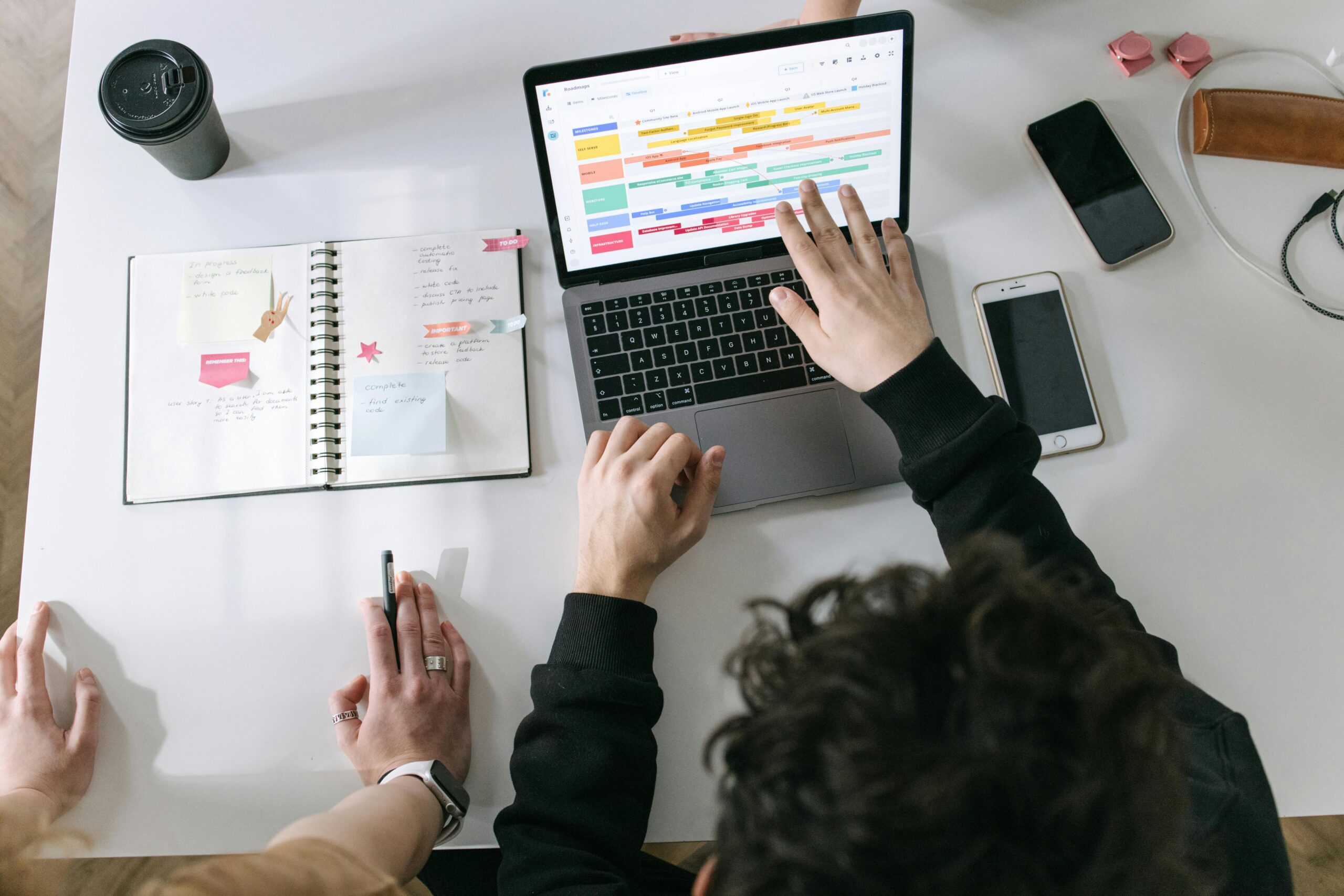
If these success stories resonate with your own struggles with productivity and energy management, you don’t need to overhaul your entire life immediately. Start with simple chronotype assessment using free online tools based on the Munich ChronoType Questionnaire or similar validated instruments. Track your energy levels, focus, and mood at different times throughout the day for two weeks to identify your personal patterns.
Experiment with matching just one task category to your optimal hours. If you’re strongest in the morning, protect those hours for your most cognitively demanding work. If you peak in the evening, stop fighting it—embrace your natural rhythm and restructure accordingly, even if it means unconventional working hours.
Remember that circadian scheduling isn’t about perfection—it’s about incremental alignment. Even partial matching of tasks to biological readiness produces measurable benefits. Sarah didn’t transform her schedule overnight; James made gradual adjustments as academic constraints allowed; TechFlow implemented changes over six months with continuous refinement.
The common thread across all these success stories is simple: they stopped fighting their biology and started working with it. The results—improved productivity, enhanced well-being, and more sustainable performance—demonstrate that the future of work isn’t about longer hours or greater discipline. It’s about smarter alignment between human biology and work demands, creating conditions where both productivity and well-being flourish naturally.