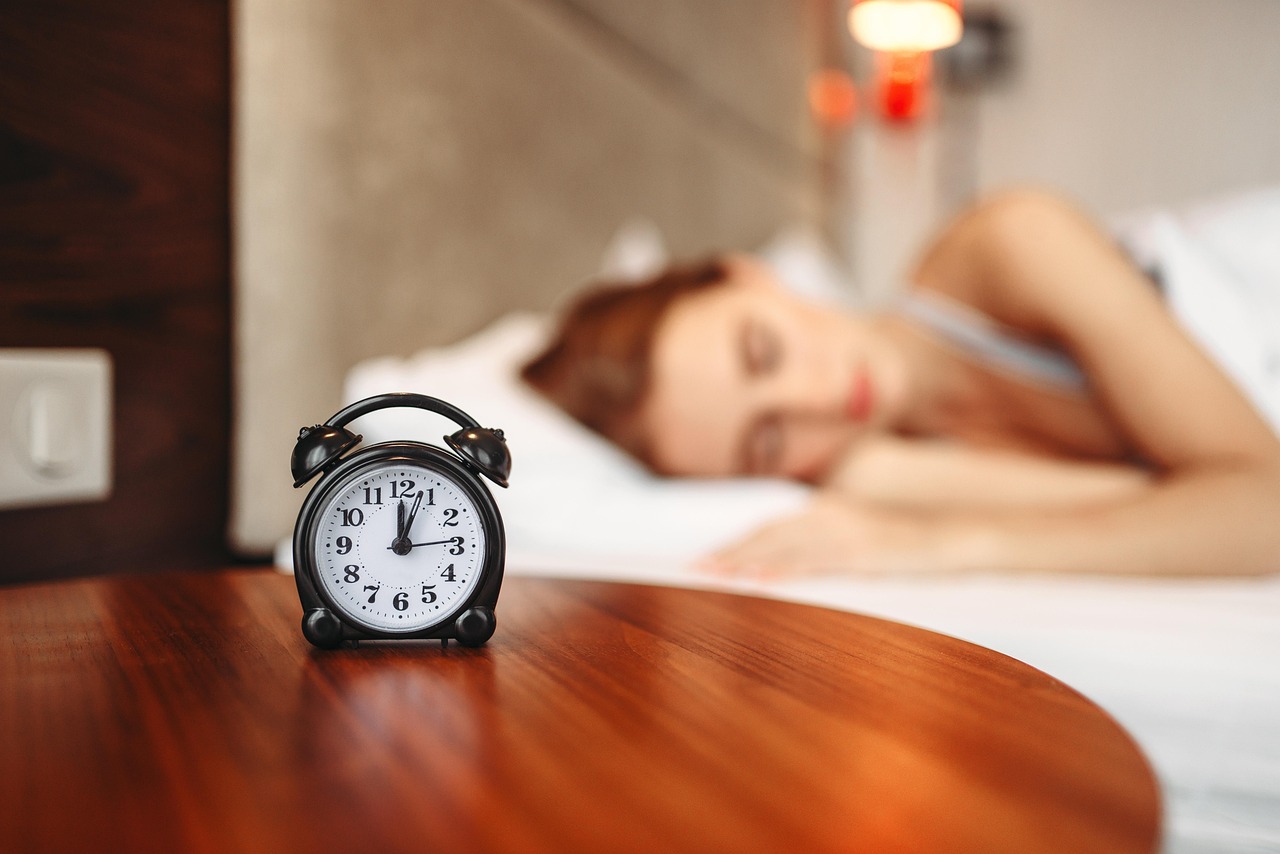
In today’s fast-paced world, mastering your sleep schedule has become essential for maintaining health, productivity, and overall well-being.

Whether you’re a night shift nurse, a rotating schedule worker, or someone juggling irregular hours, aligning your sleep patterns with your work demands can feel like an impossible challenge. The good news is that modern technology offers powerful solutions to help you optimize your rest, track your sleep cycles, and thrive regardless of when your workday begins or ends. Understanding how to leverage the right tools can transform your energy levels, mental clarity, and quality of life.
🌙 Understanding the Science Behind Sleep and Shift Work
Before diving into specific tools, it’s crucial to understand why shift work disrupts our natural rhythms. Our bodies operate on a circadian rhythm—an internal clock that regulates sleep-wake cycles based primarily on light exposure. When your work schedule conflicts with this natural pattern, you may experience shift work sleep disorder, characterized by insomnia, excessive sleepiness, and difficulty concentrating.
Research shows that irregular work schedules can increase the risk of various health issues, including cardiovascular problems, metabolic disorders, and mood disturbances. However, with strategic sleep management and the right technological aids, you can significantly minimize these risks and maintain optimal functioning despite unconventional hours.
Essential Sleep Tracking Apps for Shift Workers
Sleep tracking technology has evolved tremendously, offering shift workers unprecedented insight into their rest patterns. These applications use your smartphone’s sensors or wearable devices to monitor sleep stages, duration, and quality, providing actionable data to improve your rest.
Sleep Cycle: Smart Alarm Clock Technology
Sleep Cycle stands out as one of the most sophisticated sleep tracking applications available. It analyzes your sleep patterns using sound or vibration detection, identifying when you’re in light sleep phases versus deep sleep. The app’s smart alarm feature wakes you during your lightest sleep phase within a preset window, helping you feel more refreshed regardless of total sleep duration.
For shift workers, this intelligent wake-up system proves invaluable. When you need to sleep during daylight hours or at irregular times, waking during a lighter sleep phase can make the difference between feeling groggy all day or reasonably alert. The app also provides detailed sleep statistics, helping you identify patterns and adjust your pre-sleep routine accordingly.
Sleep as Android: Comprehensive Sleep Solution
Sleep as Android offers an extensive suite of features specifically beneficial for those with irregular schedules. Beyond basic sleep tracking, it includes smart wake-up, sleep debt calculation, snore recording, and integration with various wearable devices and smart home systems.
The app’s CAPTCHA alarm feature requires you to complete tasks before silencing the alarm—particularly useful when you absolutely cannot afford to oversleep before a shift. It also tracks sleep deficit, showing you exactly how much quality rest you’re missing, which helps you prioritize recovery sleep on your days off.
🔆 Light Management Tools for Circadian Rhythm Optimization
Light exposure is the most powerful regulator of your circadian rhythm. Managing when and how you’re exposed to different light wavelengths can dramatically improve your ability to sleep during off-hours and stay alert during unusual work times.
Blue Light Filter Applications
Blue light from screens suppresses melatonin production, making it harder to fall asleep after late-night device use. Blue light filter apps automatically adjust your screen’s color temperature based on time of day, reducing eye strain and helping maintain proper melatonin levels.
Twilight is particularly effective for shift workers because you can customize the filter schedule to match your specific sleep windows rather than standard sunset times. This flexibility ensures your devices aren’t sabotaging your sleep preparation, regardless of when you need to rest.
Smart Lighting Integration
Pairing your sleep schedule with smart lighting systems creates an environment that supports your unique rhythm. Apps that control Philips Hue, LIFX, or similar smart bulbs allow you to program lighting schedules that simulate natural light patterns aligned with your work schedule rather than the actual sun.
Before your sleep time, gradually dimming warm-toned lights signals your brain to produce melatonin. Upon waking, bright, cool-toned lights help suppress melatonin and increase alertness—even if you’re waking at 3 PM instead of 7 AM.
Meditation and Relaxation Apps for Better Sleep Quality
Stress and anxiety about irregular schedules often create a vicious cycle that further disrupts sleep. Meditation and relaxation applications provide scientifically-backed techniques to calm your mind and prepare your body for rest.
Insight Timer: Free Meditation Library
Insight Timer offers the largest free library of guided meditations, including specific programs designed for sleep improvement. With thousands of sleep meditations, bedtime stories, and relaxing music tracks, you’ll find options suited to your preferences regardless of when you need to wind down.
The app’s timer function also helps establish consistent pre-sleep routines, which are crucial for shift workers who need to train their bodies to sleep at unconventional times. Regular meditation practice has been shown to improve sleep quality, reduce the time needed to fall asleep, and enhance overall rest efficiency.
Headspace: Structured Sleep Programs
Headspace provides structured programs specifically targeting sleep issues, with content ranging from sleepcasts to wind-down exercises. The app’s sleep content helps quiet racing thoughts and release physical tension accumulated during demanding shifts.
📊 Schedule Management and Shift Planning Tools
Effectively managing irregular work schedules requires more than just tracking hours—you need tools that help visualize patterns, plan adequate rest periods, and ensure you’re not accumulating dangerous sleep debt.
Shift Calendar Applications
Dedicated shift calendar apps allow you to input your work schedule and visualize your rotation patterns. These tools help you identify potential problem periods where sleep opportunities are minimal and plan compensatory rest in advance.
Apps like Shift Work Calendar enable you to track multiple jobs or rotation patterns, set reminders for shift changes, and even calculate earnings. More importantly, they help you see your schedule from a sleep health perspective, making it easier to advocate for healthier shift rotations with employers.
Time Blocking and Routine Building
Creating consistent routines around irregular schedules seems paradoxical, but it’s essential for maintaining sleep health. Time blocking apps help you carve out protected sleep windows and establish pre-sleep rituals that signal your body it’s time to rest.
By scheduling not just work but also sleep preparation time, meals, exercise, and recovery periods, you create structure within chaos. This consistency, even when the timing varies, helps your body adapt more readily to changing demands.
🎵 White Noise and Sound Masking Solutions
Sleeping during daylight hours or in noisy environments presents unique challenges. Sound masking applications create acoustic environments conducive to sleep regardless of external conditions.
White Noise Generators
White noise apps produce consistent sound frequencies that mask disruptive environmental noises—everything from traffic and neighbors to household activities during daytime sleep periods. Many applications offer various sound profiles including white, pink, and brown noise, each with different frequency characteristics.
Experimenting with different noise colors helps you discover which frequencies most effectively mask the specific sounds in your environment. Some people find pink noise more soothing, while others prefer brown noise’s deeper tones for blocking low-frequency sounds like traffic rumble.
Nature Sounds and Ambient Audio
If pure noise frequencies don’t appeal to you, apps featuring nature sounds, rain, ocean waves, or ambient environments offer pleasant alternatives. These natural soundscapes provide masking benefits while creating psychologically soothing listening experiences.
Wearable Technology for Continuous Sleep Monitoring
While smartphone apps provide valuable insights, wearable devices offer more accurate, comprehensive sleep tracking through continuous monitoring of heart rate, movement, and even blood oxygen levels.
Fitness Trackers with Sleep Features
Devices like Fitbit, Garmin, and Samsung Galaxy Watch include sophisticated sleep tracking capabilities that detect sleep stages, restlessness, and sleep duration automatically. These wearables sync with companion apps to present detailed sleep data and trends over time.
For shift workers, this continuous monitoring reveals patterns you might otherwise miss. You can correlate sleep quality with factors like shift timing, pre-sleep activities, dietary choices, and exercise, helping you optimize conditions for better rest.
Dedicated Sleep Tracking Devices
Specialized devices like the Oura Ring focus exclusively on sleep and recovery metrics. These tools provide medical-grade sleep data, offering insights into autonomic nervous system balance, body temperature variations, and recovery readiness—crucial information when your work schedule demands performance at unusual hours.
💊 Health and Wellness Apps for Holistic Sleep Support
Quality sleep doesn’t exist in isolation—it’s influenced by nutrition, hydration, exercise, and stress management. Comprehensive health apps help you optimize these interconnected factors.
Nutrition and Meal Timing Apps
What and when you eat significantly impacts sleep quality. Apps that track meals and provide nutritional guidance help shift workers avoid common pitfalls like consuming stimulants too close to sleep time or eating heavy meals that disrupt rest.
Some applications specifically address circadian nutrition, helping you time nutrient intake to support your particular schedule. Eating patterns that align with your active periods rather than standard mealtimes can improve both digestion and sleep quality.
Exercise and Movement Tracking
Regular physical activity improves sleep quality, but timing matters—especially for shift workers. Exercise tracking apps help you schedule workouts strategically, avoiding vigorous activity too close to your designated sleep time while ensuring you get enough movement to promote healthy tiredness.
🧘 Creating Your Personalized Sleep Optimization System
The most effective approach combines multiple tools into a cohesive system tailored to your specific work schedule, lifestyle, and sleep challenges. Start by identifying your primary obstacles—difficulty falling asleep, frequent awakenings, insufficient sleep duration, or poor sleep quality upon waking.
Building Your Tool Stack
Begin with a quality sleep tracking app to establish your baseline patterns. Add a blue light filter for evening device use, particularly if you work nights and use screens before daytime sleep. Incorporate a meditation or relaxation app for pre-sleep wind-down, and use white noise or sound masking if environmental noise disrupts your rest.
Layer in schedule management tools to visualize your rotation patterns and plan adequate recovery periods. If you have budget for wearable technology, consider adding a fitness tracker or dedicated sleep device for more comprehensive monitoring.
Establishing Consistent Sleep Hygiene Practices
Technology enhances but doesn’t replace fundamental sleep hygiene. Use apps to support consistent practices like maintaining similar sleep durations even when timing varies, creating optimal sleep environments with proper darkness and temperature, and limiting stimulants appropriately before rest periods.
Set reminders through your chosen apps for sleep preparation activities—dimming lights, stopping screen time, beginning relaxation routines, and taking any supplements or medications. This consistency helps your body recognize sleep signals regardless of clock time.
Overcoming Common Shift Work Sleep Challenges
Even with excellent tools, shift workers face persistent challenges. Understanding how to address these specifically with your technology toolkit maximizes your success.
Managing Sleep Debt Accumulation
Sleep debt tracking features in apps like Sleep as Android show exactly how much rest you’re missing week over week. Use this data to prioritize recovery sleep on days off and advocate for healthier schedules with employers when chronic debt accumulates.
Handling Transition Days
Days when your schedule shifts from nights to days or vice versa are particularly challenging. Use your calendar apps to identify these transitions in advance and plan strategic naps, light exposure timing, and caffeine consumption to ease the adjustment.
Dealing with Social Jet Lag
Shift workers often experience “social jet lag” when trying to maintain normal schedules on days off. While some flexibility is necessary for social connection, use your tracking data to find the minimal viable adjustment that allows social participation without completely disrupting your adapted rhythm.
Measuring Success and Adjusting Your Approach
The beauty of technology-assisted sleep optimization is the concrete data it provides. Review your sleep metrics weekly, looking for trends rather than obsessing over individual nights. Notice correlations between your practices and outcomes—which pre-sleep routines most effectively improve sleep quality, which shift patterns cause the most disruption, and which recovery strategies work best for you.
Adjust your tool usage and strategies based on this evidence. Perhaps you discover that meditation helps more before day sleep than night sleep, or that certain white noise frequencies work better for blocking specific environmental sounds. This personalized refinement transforms generic sleep advice into a custom system optimized for your unique needs.

Thriving Beyond Survival: The Long-Term Vision
Mastering shift work sleep isn’t just about surviving your schedule—it’s about genuinely thriving despite unconventional hours. With consistent use of appropriate tools, many shift workers report improved energy, better health markers, enhanced mood, and increased productivity both at work and in personal life.
The investment in learning these technologies and establishing optimized routines pays dividends across all life areas. Better sleep improves cognitive function, emotional regulation, immune response, and long-term health outcomes. You’re not just managing a difficult schedule; you’re actively protecting and enhancing your wellbeing.
Remember that adaptation takes time. Give new tools and strategies at least two to three weeks of consistent application before evaluating effectiveness. Your circadian system needs time to adjust to new patterns and supports. Be patient with the process while remaining committed to the goal of sustainable, health-promoting sleep aligned with your work demands.
By combining smart technology with evidence-based sleep practices, you can master your shift, align your sleep, and truly thrive in any work schedule. The tools are available, the science is clear, and the benefits are substantial—now it’s about implementation and commitment to your sleep health as a non-negotiable priority.