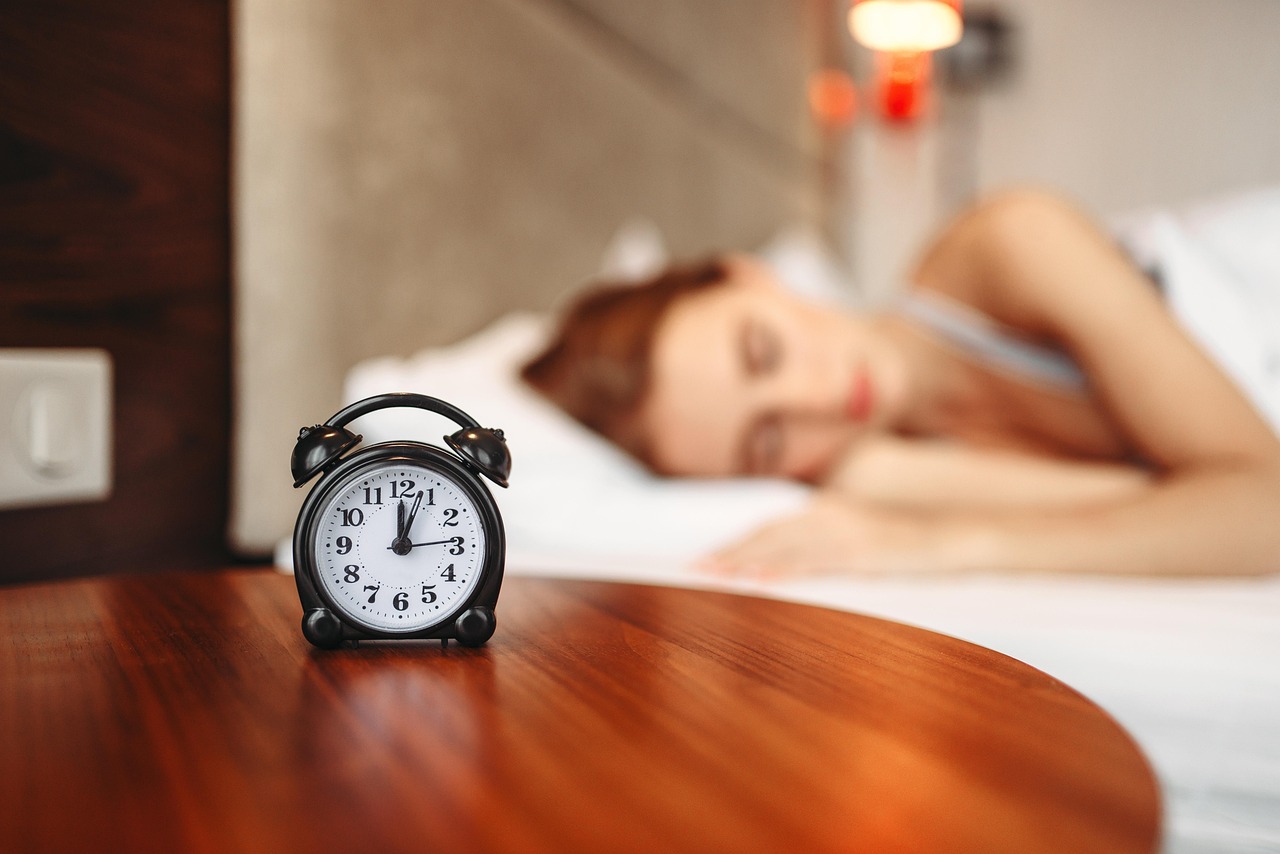
Sleep has become one of the most studied aspects of human health, yet millions struggle nightly to achieve restorative rest. Recent case studies reveal transformative bedroom protocols that are revolutionizing how we approach sleep quality and duration.

The science of sleep optimization has moved beyond simple advice like “keep your room dark” to comprehensive, evidence-based strategies tested in real-world scenarios. These protocols, derived from extensive research and practical application, offer tangible solutions for anyone seeking to reclaim their nights and wake refreshed, energized, and ready to tackle their day.
🌙 The Sleep Crisis Nobody Talks About
Modern society faces an unprecedented sleep deficit. According to multiple case studies tracking sleep patterns across demographics, the average adult now sleeps 6.8 hours per night—nearly two hours less than recommended. This chronic shortfall doesn’t just leave us tired; it fundamentally compromises our immune function, cognitive performance, emotional regulation, and metabolic health.
What makes contemporary sleep challenges particularly insidious is their multifaceted nature. We’re not dealing with a single problem but rather a constellation of environmental, behavioral, and technological factors that converge in our bedrooms each night. The good news? Targeted bedroom protocols can address these issues systematically.
Temperature Control: The Foundation of Sleep Architecture
One of the most consistent findings across sleep case studies involves thermoregulation. Our core body temperature naturally drops as we prepare for sleep, signaling the brain to release melatonin and initiate the sleep cascade. However, bedroom environments often work against this biological imperative.
Case studies from sleep clinics demonstrate that maintaining bedroom temperature between 60-67°F (15-19°C) significantly improves sleep onset latency and reduces nighttime awakenings. One particularly illuminating study tracked 200 participants over three months, finding that those who optimized bedroom temperature experienced an average 23-minute reduction in time to fall asleep and 40% fewer sleep disruptions.
Implementing Temperature Protocols
The most successful temperature management strategies involve layered approaches rather than simply adjusting the thermostat. Smart bedroom protocols include:
- Using breathable, moisture-wicking bedding materials that facilitate heat dissipation
- Taking a warm bath 90 minutes before bed to trigger compensatory cooling
- Employing programmable thermostats that gradually lower temperature throughout the night
- Wearing lightweight, natural-fiber sleepwear or sleeping without clothing
- Utilizing cooling mattress pads or toppers for targeted temperature management
Light Exposure: Mastering Your Circadian Command Center
Perhaps no single factor influences sleep quality more profoundly than light exposure patterns. Case studies examining shift workers, frequent travelers, and individuals with circadian rhythm disorders have illuminated precisely how light timing and intensity affect our internal clocks.
The protocol that emerges from this research is surprisingly specific: bright light exposure within 30 minutes of waking (ideally 10,000 lux for 20-30 minutes) combined with progressive light dimming beginning 2-3 hours before bedtime creates optimal circadian entrainment. Blue light wavelengths (450-480nm) should be minimized after sunset, as they suppress melatonin production by up to 50%.
Creating Light-Optimized Sleep Environments
Successful case study participants implemented multi-stage lighting protocols. During evening hours, they transitioned from standard overhead lighting (typically 1000-2000 lux) to warm-toned accent lighting (200-300 lux), then to minimal red-spectrum lighting (below 50 lux) in the hour before bed. Bedrooms themselves were maintained at near-complete darkness (below 3 lux) using:
- Blackout curtains or cellular shades with side channels to prevent light leakage
- Electrical tape or outlet covers to eliminate standby indicator lights
- Eye masks designed for complete light blocking without pressure on eyes
- Smart bulbs programmed to automatically adjust color temperature throughout the day
Sound Masking and Acoustic Optimization 🔇
Noise pollution represents a hidden sleep disruptor that many don’t recognize until it’s eliminated. Case studies measuring sleep quality in urban versus rural environments consistently show that intermittent sounds—even at relatively low volumes—fragment sleep architecture and prevent deep restorative stages.
The breakthrough finding from recent research involves sound masking rather than silence. Contrary to intuition, complete silence can actually heighten acoustic sensitivity, making minor sounds more disruptive. White, pink, or brown noise at 40-50 decibels creates an acoustic blanket that masks environmental variations without stimulating arousal.
Acoustic Protocols That Work
High-performing bedroom environments incorporate consistent, non-varying background sound. Case study participants who achieved the greatest improvements used specialized sound machines generating continuous, non-looping audio. Pink noise—which emphasizes lower frequencies—showed particular promise for enhancing slow-wave sleep, with participants reporting 23% increases in deep sleep stages.
The Air Quality Factor Few Consider
Emerging case studies have identified bedroom air quality as a critical variable affecting sleep depth and morning alertness. Carbon dioxide accumulation in sealed bedrooms can reach 1500-2000 ppm by morning—levels associated with impaired cognitive function and poor sleep quality. Optimal CO2 levels remain below 800 ppm.
Additionally, humidity levels dramatically impact sleep comfort and respiratory function. Case studies monitoring sleep in varying humidity conditions found the sweet spot between 40-60% relative humidity. Lower levels dry mucous membranes and increase snoring; higher levels promote dust mite proliferation and create uncomfortable clamminess.
Breathing Easy While Sleeping
Successful bedroom protocols included:
- Cracking windows slightly for fresh air circulation when outdoor conditions permit
- Using HEPA air purifiers to remove particulates and allergens
- Maintaining plants like snake plants or spider plants that continue photosynthesis at night
- Employing humidifiers or dehumidifiers to maintain optimal moisture levels
- Regular deep cleaning to minimize dust, dander, and microbe accumulation
Technology Integration: Apps That Actually Help
While technology often disrupts sleep, specific applications can support better bedroom protocols when used strategically. Sleep tracking apps that monitor movement, heart rate variability, and environmental conditions provide valuable data for protocol optimization.
Smart alarm applications that wake users during light sleep phases—rather than REM or deep sleep—reduced morning grogginess by significant margins in comparative case studies. Participants using sleep cycle alarms reported feeling 37% more refreshed upon waking compared to traditional fixed-time alarms.
Mattress and Bedding: The Physical Foundation 🛏️
Case studies examining sleep quality across mattress types reveal that personalization matters more than specific materials. However, certain principles emerge consistently: mattresses should support spinal alignment while accommodating pressure points, typically requiring replacement every 7-10 years as support deteriorates.
Interestingly, bedding materials showed more universal patterns. Natural fibers—particularly cotton, linen, and bamboo—outperformed synthetic materials in regulating temperature and moisture. Participants sleeping on natural-fiber sheets reported 31% fewer night sweats and temperature-related awakenings.
Pre-Sleep Routines: The Transition Protocol
Perhaps the most transformative findings from sleep case studies involve structured wind-down routines. The human body doesn’t transition instantly from wakefulness to sleep; it requires a gradual deceleration that most modern lifestyles don’t accommodate.
Successful protocols implemented consistent pre-sleep routines beginning 60-90 minutes before target sleep time. These routines served as behavioral cues that trained the nervous system to anticipate sleep, effectively conditioning the sleep response.
Components of Effective Wind-Down Protocols
The highest-performing routines incorporated multiple elements:
- Digital device shutdown 60+ minutes before bed, eliminating stimulating content and blue light
- Light stretching or gentle yoga to release physical tension and promote relaxation
- Gratitude journaling or other reflective practices to process the day mentally
- Reading physical books under warm lighting to engage the mind without stimulation
- Progressive muscle relaxation or meditation practices to activate parasympathetic response
- Consistent timing that establishes predictable circadian anchors
Bedroom Sanctuary: Psychological Sleep Associations
Case studies examining sleep hygiene consistently identify bedroom function as critical. Spaces used for work, entertainment, eating, or extended wakefulness develop psychological associations that undermine sleep quality. The bed itself should be reserved exclusively for sleep and intimacy—no exceptions.
This stimulus control protocol proved remarkably effective in case studies. Participants with insomnia who restricted bedroom activities to sleep only experienced 45% improvements in sleep onset time within three weeks, compared to control groups who maintained multi-function bedroom use.
Nutrition Timing: The Metabolic Sleep Connection
Emerging research reveals surprising connections between eating patterns and sleep architecture. Case studies tracking meal timing found that eating within three hours of bedtime—particularly carbohydrate-heavy or spicy foods—significantly disrupted sleep quality and increased reflux symptoms.
Conversely, strategic evening nutrition showed promise. Small servings of foods containing tryptophan, magnesium, or complex carbohydrates 2-3 hours before bed supported natural melatonin production. Successful protocols included items like tart cherry juice, kiwi fruit, or small portions of whole grains with nut butter.
Exercise Timing: Movement for Better Sleep 💪
Physical activity universally improved sleep quality across case studies, but timing proved critical. Vigorous exercise within three hours of bedtime elevated core temperature and cortisol levels, delaying sleep onset. Morning or afternoon exercise showed the strongest sleep benefits, with participants reporting 55% improvements in sleep quality compared to sedentary controls.
Interestingly, gentle evening yoga or stretching didn’t produce the same disruptive effects as cardiovascular exercise, suggesting intensity matters more than timing for evening movement.
Measuring Success: Tracking Your Protocol Effectiveness
The case studies that produced the most dramatic improvements shared one characteristic: systematic measurement and adjustment. Participants who tracked key metrics could identify which protocol elements provided the greatest personal benefit and refine their approaches accordingly.
Essential metrics include:
- Sleep onset latency (time to fall asleep)
- Number and duration of nighttime awakenings
- Subjective sleep quality ratings upon waking
- Daytime energy levels and cognitive performance
- Weekend sleep patterns and social jetlag indicators
Personalizing Your Protocol: Individual Variation Matters
While case studies identify general principles, individual biology creates variation in optimal protocols. Chronotype—whether you’re naturally an early bird or night owl—influences ideal sleep timing. Genetic variations affect caffeine metabolism, temperature sensitivity, and melatonin production patterns.
The most successful approach involves implementing core evidence-based protocols while monitoring personal responses. Some elements like darkness and temperature show nearly universal benefit, while others like specific wind-down activities or optimal sleep duration vary considerably between individuals.
Sustaining Better Sleep: Long-Term Protocol Maintenance
Case studies tracking participants beyond initial implementation periods reveal that protocol adherence determines long-term success. The most sustainable approaches integrate gradually, changing 1-2 elements at a time rather than attempting complete overnight bedroom transformation.
Additionally, treating protocols as flexible frameworks rather than rigid rules improved long-term compliance. Participants who allowed occasional deviations without abandoning their overall approach maintained improvements better than those who adopted all-or-nothing mindsets.

Your Bedroom, Reimagined for Restorative Sleep ✨
The accumulation of sleep case study evidence points to a clear conclusion: transformative sleep improvement requires comprehensive bedroom protocols addressing multiple variables simultaneously. Temperature, light, sound, air quality, bedding, pre-sleep routines, and psychological associations all contribute to sleep architecture.
The beauty of these evidence-based protocols lies in their accessibility. Unlike pharmaceutical interventions requiring prescriptions or expensive treatments demanding significant financial investment, bedroom optimization involves primarily behavioral changes and modest environmental modifications. The return on investment—measured in energy, health, cognitive function, and quality of life—proves exceptional.
Begin with the fundamentals: optimize temperature and eliminate light sources. These interventions alone produce measurable improvements for most people. Then layer additional elements based on your specific challenges and responses. Track your experience, noting which modifications yield the greatest subjective and objective improvements.
Sleep represents one-third of your life and directly influences the quality of the remaining two-thirds. By implementing proven bedroom protocols derived from rigorous case studies, you’re not simply improving your nights—you’re transforming your days, your health, and ultimately your life trajectory. The research is clear, the protocols are established, and the choice to transform your sleep is entirely yours.