
Indoor air quality affects every breath you take, shaping your daily comfort, wellness, and overall quality of life in ways you might not realize.

The invisible factor of humidity plays a crucial role in determining whether your home feels like a sanctuary or a source of discomfort. From respiratory irritation to mold growth, from dry skin to dust mite infestations, the moisture levels in your indoor environment directly impact your physical health and mental well-being. Understanding and controlling humidity isn’t just about comfort—it’s about creating a living space that actively supports your health goals and enhances your daily life.
🌡️ The Science Behind Optimal Humidity Levels
Humidity refers to the amount of water vapor present in the air around you. When we discuss indoor humidity control, we’re typically talking about relative humidity—the percentage of moisture in the air compared to the maximum amount it could hold at a given temperature. This seemingly simple measurement has profound implications for your health and comfort.
Health experts and organizations like the Environmental Protection Agency recommend maintaining indoor humidity levels between 30% and 50%. This range represents the sweet spot where most people feel comfortable and where biological threats like mold, bacteria, and dust mites struggle to thrive. When humidity strays outside this range, you’ll likely notice the consequences quickly.
Too little moisture in the air creates a cascade of problems. Your respiratory system, designed to work with adequately humidified air, becomes irritated. The mucous membranes in your nose and throat dry out, compromising your body’s natural defense mechanisms against airborne pathogens. Your skin loses moisture more rapidly, leading to dryness, itching, and premature aging. Even your wooden furniture and musical instruments can suffer, cracking and warping in overly dry conditions.
Conversely, excessive humidity creates an environment where harmful organisms flourish. Dust mites, microscopic creatures that feed on dead skin cells, reproduce rapidly in humid conditions. Mold spores find ideal conditions to germinate and spread across walls, ceilings, and hidden spaces. Bacteria multiply more readily, and the air itself can feel heavy and oppressive, making breathing feel labored even when you’re perfectly healthy.
💨 How Humidity Impacts Your Respiratory Health
Your respiratory system serves as the gateway between your body and the outside world, processing thousands of liters of air daily. The condition of that air—including its humidity level—directly affects how well this system functions and how comfortable you feel throughout the day.
When humidity drops below optimal levels, typically during winter months or in climates with dry air, your nasal passages and throat become dried out. The mucus that normally traps dust, allergens, and pathogens becomes thicker and less effective. This compromised first line of defense leaves you more vulnerable to respiratory infections, including common colds and flu viruses. Many people notice they get sick more frequently during dry winter months, and inadequate humidity plays a significant role in this pattern.
Dry air also exacerbates existing respiratory conditions. Asthma sufferers often experience more frequent and severe symptoms when humidity is too low. The irritated airways become hyperreactive, triggering bronchospasms more easily. People with chronic obstructive pulmonary disease (COPD) similarly struggle more in dry conditions, as their already compromised respiratory systems work harder to process inadequately humidified air.
On the flip side, excessive humidity creates different but equally serious respiratory challenges. High moisture levels promote the growth of mold and mildew, which release spores into the air you breathe. These microscopic particles act as powerful respiratory irritants and allergens, triggering reactions ranging from mild congestion to severe asthma attacks. Dust mites thrive in humid environments, and their waste products rank among the most common indoor allergens, affecting millions of people worldwide.
Seasonal Variations and Respiratory Impact
Understanding how seasonal changes affect indoor humidity helps you anticipate and prevent respiratory problems before they start. Winter heating systems typically create very dry indoor air, with humidity levels sometimes dropping below 20%. This explains why winter often brings increased rates of nosebleeds, chapped lips, and respiratory infections. Summer air conditioning, while cooling your space, can also reduce humidity levels, though usually not as dramatically as winter heating.
In humid climates or during summer months without adequate air conditioning, indoor humidity can soar above 60% or even 70%. This creates the perfect storm for biological pollutants. Recognizing these seasonal patterns allows you to adjust your humidity control strategies proactively, maintaining that optimal 30-50% range year-round.
🏠 Humidity’s Role in Overall Indoor Air Quality
Indoor air quality encompasses far more than just the presence or absence of obvious pollutants. Humidity acts as a fundamental factor that influences virtually every aspect of your indoor environment, from the concentration of airborne particles to the effectiveness of your body’s natural defenses against them.
Proper humidity control helps regulate the behavior of airborne particles. When air is too dry, particles remain suspended longer, increasing your exposure to allergens, dust, and other irritants. Adequately humidified air helps these particles settle more quickly, reducing what you breathe in. However, too much humidity causes particles to clump together and stick to surfaces, where they can promote mold growth and create cleaning challenges.
The presence of volatile organic compounds (VOCs)—chemicals released from furniture, cleaning products, paints, and building materials—is also affected by humidity levels. Some VOCs off-gas more readily in humid conditions, while others become more concentrated in dry air. Maintaining balanced humidity helps minimize these emissions and their impact on your air quality.
The Humidity-Temperature Relationship
Temperature and humidity work together to create your perception of comfort. You’ve likely noticed that 75°F feels completely different on a humid summer day versus a dry winter afternoon. This happens because humidity affects your body’s ability to cool itself through perspiration. When humidity is high, sweat evaporates slowly, making you feel warmer than the actual temperature. When humidity is low, rapid evaporation can make the same temperature feel cooler.
This relationship has important implications for air quality and comfort. Many people compensate for uncomfortable humidity by adjusting their thermostat, which increases energy consumption and can exacerbate humidity problems. A better approach involves addressing humidity directly, allowing you to maintain comfortable temperatures more efficiently while supporting better air quality.
✨ Skin, Hair, and Physical Comfort Benefits
Beyond respiratory health, humidity profoundly affects your largest organ—your skin—along with your hair, eyes, and overall physical comfort. These effects might seem superficial compared to respiratory concerns, but they significantly impact your daily quality of life and long-term wellness.
Your skin functions as a protective barrier between your body and the environment, constantly regulating moisture levels. When indoor humidity drops too low, your skin loses moisture to the surrounding air through a process called transepidermal water loss. This leads to dry, flaky, itchy skin that looks dull and ages more rapidly. People often spend considerable money on moisturizers and skincare products while overlooking the simple solution of properly humidified air.
Adequately humidified air helps your skin maintain its natural moisture barrier, reducing the need for excessive moisturizing products. This is particularly beneficial for people with eczema, psoriasis, or other skin conditions that worsen in dry environments. The improvement can be dramatic—many people notice softer, more supple skin within days of achieving proper indoor humidity levels.
Your hair similarly benefits from balanced humidity. Too-dry air causes hair to become brittle, prone to breakage, and plagued by static electricity. Excessively humid air can make hair frizzy and difficult to manage. The optimal humidity range helps hair maintain its natural moisture balance, leading to healthier, more manageable locks.
Eye Comfort and Humidity
Your eyes require adequate moisture to function comfortably and maintain their protective tear film. Dry air accelerates tear evaporation, leading to dry, irritated eyes that feel gritty and uncomfortable. This problem has intensified in recent years as screen time has increased—when we focus on screens, we blink less frequently, reducing tear production just when dry air is already creating challenges.
People who wear contact lenses are particularly sensitive to humidity levels. Dry air causes lenses to feel uncomfortable more quickly, sometimes making them practically unwearable. Proper humidity control can make the difference between comfortable all-day lens wear and constant irritation.
🛡️ Protecting Your Home and Belongings
While health benefits provide the primary motivation for humidity control, protecting your home and possessions offers compelling additional reasons to maintain optimal moisture levels. The financial implications of humidity-related damage can be substantial, making proper control a smart investment in your property.
Wooden materials—including flooring, furniture, trim, and structural elements—are hygroscopic, meaning they absorb and release moisture based on surrounding humidity levels. When humidity swings widely or remains at extreme levels, wood expands and contracts, leading to cracks, warping, and gaps. Hardwood floors can cup or crown, creating unsightly and potentially hazardous surfaces. Furniture joints can loosen, and doors may stick or refuse to close properly.
Musical instruments, particularly acoustic guitars, pianos, and other wooden instruments, are extremely sensitive to humidity fluctuations. Professional musicians and serious hobbyists understand that maintaining stable humidity is essential for preserving instrument integrity and sound quality. A guitar that’s perfectly adjusted in optimal humidity can become unplayable when humidity swings outside the ideal range.
Electronics also benefit from proper humidity control. Too much moisture can cause corrosion of internal components and short circuits. Too little humidity increases static electricity, which can damage sensitive electronic components. Modern homes filled with computers, televisions, gaming systems, and smart home devices represent significant investments that proper humidity control helps protect.
📊 Monitoring and Measuring Indoor Humidity
You cannot effectively control what you don’t measure. Understanding your current indoor humidity levels represents the essential first step toward creating a healthier, more comfortable environment. Fortunately, humidity monitoring has become increasingly accessible and affordable.
A hygrometer is a device that measures relative humidity. Digital hygrometers provide accurate, easy-to-read measurements and are available at various price points, from basic models under twenty dollars to sophisticated devices with data logging and smartphone connectivity. Placing hygrometers in different rooms helps you understand humidity variations throughout your home, as levels can differ significantly between spaces.
Smart home integration has made humidity monitoring even more convenient. Many modern thermostats include humidity sensors and can provide historical data showing how humidity levels change throughout the day and across seasons. Some systems can even control humidification and dehumidification equipment automatically, maintaining your desired humidity range without manual intervention.
Understanding Your Readings
Once you start monitoring humidity, you’ll develop a sense of what different levels feel like and how your home responds to weather changes, HVAC operation, and daily activities. Cooking, showering, and even breathing add moisture to indoor air, while heating and air conditioning typically remove it. Learning these patterns helps you anticipate needs and adjust your humidity control strategies proactively.
Keep in mind that recommended ranges can vary slightly based on outdoor temperature. In very cold weather, maintaining higher indoor humidity can cause condensation on cold windows and walls, potentially leading to water damage and mold growth. Some experts recommend slightly lower indoor humidity during extreme cold to prevent these condensation issues.
🔧 Practical Humidity Control Solutions
Understanding humidity’s importance is one thing; actually controlling it is another. Fortunately, multiple solutions exist for managing indoor humidity, ranging from simple, inexpensive approaches to comprehensive whole-home systems. The right solution depends on your specific situation, climate, budget, and the severity of your humidity challenges.
Adding Moisture: Humidification Strategies
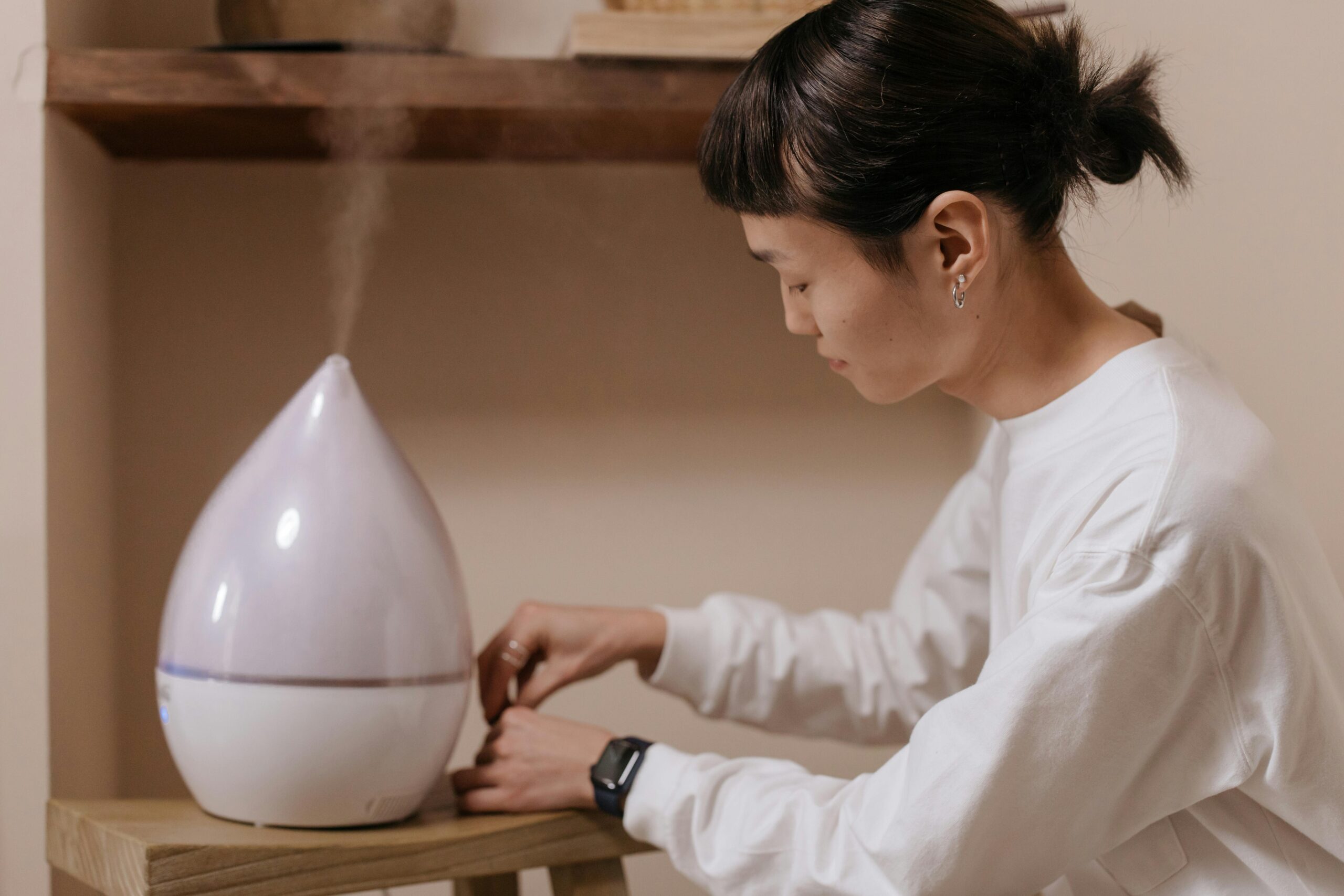
When indoor air is too dry—the most common problem during heating season—you need to add moisture. Humidifiers come in several types, each with distinct advantages:
- Portable humidifiers work well for individual rooms and offer flexibility to move between spaces as needed. Cool mist and warm mist models are available, with cool mist generally being safer around children and pets.
- Whole-home humidifiers integrate with your HVAC system, automatically adding moisture to air distributed throughout your home. These provide consistent humidity control with minimal maintenance.
- Evaporative humidifiers use a fan to blow air through a wet wick or filter, naturally humidifying without creating the white dust sometimes associated with ultrasonic models.
- Steam vaporizers boil water to create steam, which cools before entering the room. These units effectively humidify but consume more energy than other types.
Simple, no-cost humidification methods can also help, particularly in mild cases. Placing water-filled bowls near heat sources, air-drying laundry indoors, leaving bathroom doors open after showering, and keeping houseplants all contribute moisture to indoor air. While these methods won’t solve severe dryness problems, they can supplement mechanical humidification or provide enough moisture in borderline situations.
Removing Excess Moisture: Dehumidification Approaches
When humidity climbs above comfortable levels—common in humid climates, basements, and during summer months—you need to remove moisture from the air. Dehumidification options include:
- Portable dehumidifiers collect moisture from air in specific rooms, typically condensing it into a collection tank that requires periodic emptying. Many models offer continuous drainage options for hands-off operation.
- Whole-home dehumidifiers work with your HVAC system to control humidity throughout your entire home, automatically maintaining your desired humidity level.
- Air conditioning inherently dehumidifies as it cools, making it effective for humidity control in hot weather. However, oversized AC systems that cool too quickly may not run long enough to adequately dehumidify.
Simple strategies can also reduce excess humidity. Using exhaust fans when cooking or bathing removes moisture-laden air before it spreads through your home. Fixing leaks promptly prevents unwanted moisture introduction. Improving ventilation—even just opening windows when outdoor conditions are favorable—helps exchange humid indoor air for drier outdoor air.
🌟 Creating Your Healthy Humidity Action Plan
Transforming your understanding of humidity into actual improvements requires a practical action plan tailored to your specific situation. Begin by assessing your current conditions and identifying your primary challenges. Are winter months uncomfortably dry? Does summer bring muggy, oppressive air? Do certain rooms have different humidity levels than others?
Start with measurement. Invest in at least one quality hygrometer, or several if you have a larger home or want to monitor multiple spaces. Track humidity levels for at least a week, noting patterns and how levels correspond with your comfort and any symptoms you experience. This baseline data guides your decision-making about which solutions will be most effective.
Prioritize the spaces where you spend the most time, particularly bedrooms where you sleep. Quality sleep requires comfortable conditions, and proper humidity contributes significantly to restful nights. Many people find that addressing bedroom humidity alone produces noticeable improvements in how they feel each day.
Consider both immediate fixes and long-term solutions. A portable humidifier or dehumidifier can provide quick relief while you research and potentially invest in more comprehensive whole-home systems. These individual room solutions also allow you to experiment with maintaining optimal humidity and experience the benefits before committing to larger investments.
Maintenance and Ongoing Monitoring
Humidity control equipment requires regular maintenance to function effectively and safely. Humidifiers need cleaning to prevent bacterial and mold growth in water reservoirs and on moist surfaces. Filters require regular replacement. Dehumidifiers need their collection tanks emptied and coils cleaned periodically. Neglecting maintenance not only reduces equipment effectiveness but can actually worsen air quality by introducing biological contaminants.
Establish a maintenance schedule and stick to it. Most manufacturers provide specific recommendations for their equipment. At minimum, plan to clean humidifiers weekly during use, replace filters monthly or as recommended, and thoroughly clean and dry all equipment before storing it for the season. This attention to maintenance ensures your humidity control efforts improve rather than compromise your air quality.
💪 The Long-Term Health Investment
Controlling indoor humidity represents more than just a comfort enhancement—it’s a meaningful investment in your long-term health and well-being. The cumulative benefits of breathing properly humidified air, sleeping in comfortable conditions, and avoiding the respiratory irritation and allergen exposure associated with improper humidity levels add up significantly over time.
Consider the health implications over years and decades. Chronic respiratory irritation from dry air can contribute to more serious conditions. Repeated exposure to mold and dust mites in overly humid environments can sensitize you to these allergens, creating or worsening allergies and asthma. Skin damage from persistently dry conditions accelerates aging and can lead to chronic dermatological problems. By maintaining optimal humidity now, you’re protecting your future health.
The financial benefits also accumulate over time. Preventing humidity-related damage to your home and belongings avoids costly repairs and replacements. Proper humidity control can reduce heating and cooling costs by allowing you to maintain comfort at less extreme temperatures. Fewer respiratory infections and allergy symptoms mean less money spent on medications and healthcare visits.
Perhaps most importantly, living in properly humidified spaces simply feels better. You sleep more soundly, wake feeling more refreshed, breathe more easily, and experience greater overall comfort in your home. These daily quality-of-life improvements might be difficult to quantify, but their value is undeniable. Your home should be your sanctuary—a place where you feel your best—and proper humidity control is essential to achieving that goal.
Start today with simple steps: monitor your humidity levels, identify problem areas, and implement appropriate solutions. Your body, your home, and your overall well-being will thank you for creating an environment where you can truly breathe easy.