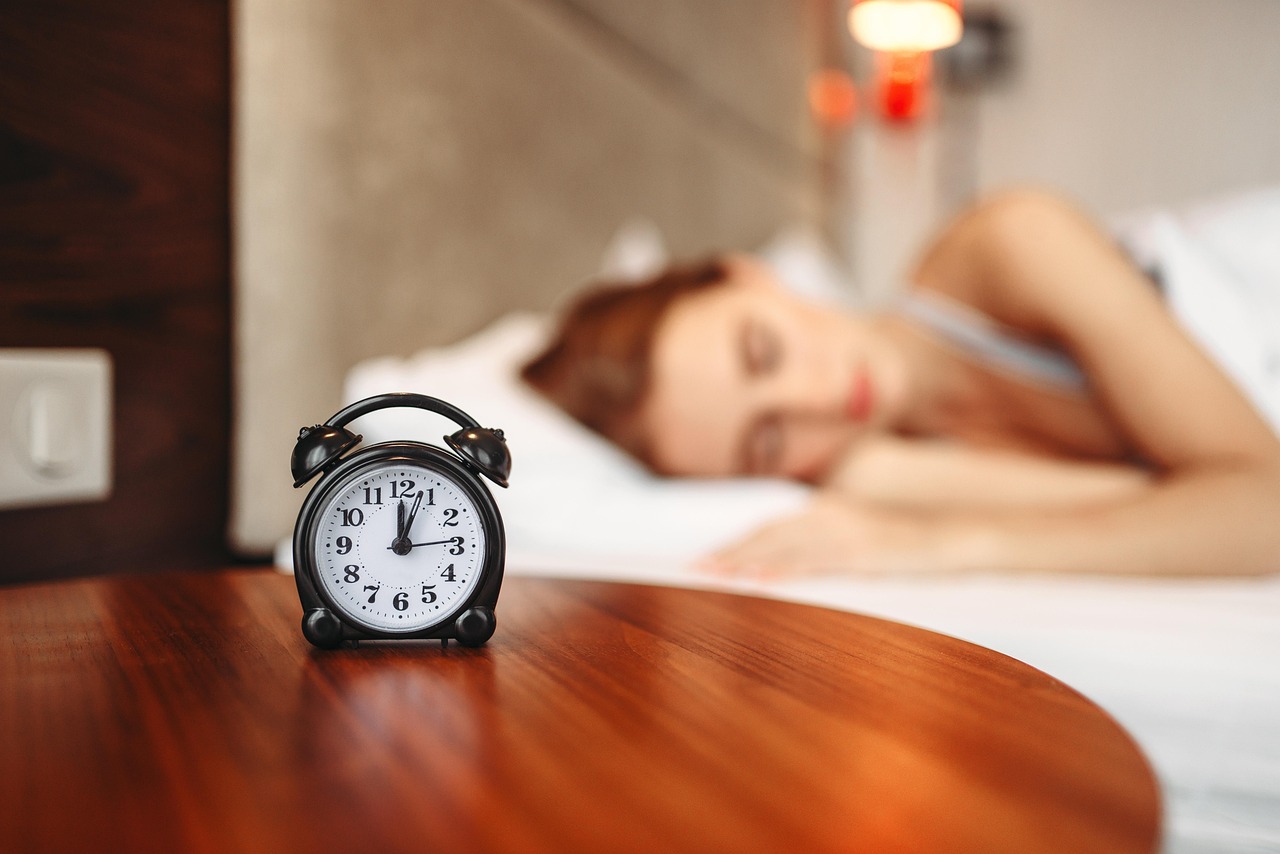
The hours before bedtime hold the secret to transforming your sleep quality and overall well-being. By creating a dedicated pre-sleep lighting zone in your home, you’re not just adjusting brightness—you’re orchestrating a gentle transition that signals your body it’s time to unwind and prepare for restorative rest.

Modern life bombards us with artificial light from countless sources, disrupting our natural circadian rhythms and making quality sleep increasingly elusive. However, understanding how lighting affects our biology opens the door to designing evening spaces that actively promote relaxation, reduce stress, and prepare both mind and body for rejuvenating sleep.
🌙 Understanding the Science Behind Pre-Sleep Lighting
Your body’s internal clock, or circadian rhythm, relies heavily on light cues to regulate sleep-wake cycles. When exposed to bright, blue-spectrum light in the evening, your brain suppresses melatonin production—the hormone responsible for making you feel sleepy. This biological response made perfect sense when our ancestors’ only evening light source was firelight, but today’s LED screens and overhead lighting create confusion in our natural systems.
Research consistently shows that exposure to warm, dim lighting in the hours before sleep helps maintain healthy melatonin levels. This allows your body to naturally transition into sleep mode, improving both the speed at which you fall asleep and the overall quality of your rest throughout the night.
Creating a pre-sleep lighting zone means intentionally designing spaces with lighting that supports rather than disrupts this natural process. The goal is to gradually reduce light intensity and shift toward warmer color temperatures as bedtime approaches, mimicking the sunset our bodies evolved to respond to.
Strategic Placement: Where to Create Your Lighting Zone
The ideal pre-sleep lighting zone begins in the spaces where you naturally wind down each evening. For most people, this includes the bedroom, bathroom, and perhaps a reading nook or living room area. The key is identifying where you spend the final two to three hours before sleep and addressing the lighting in those specific locations.
Bedroom Lighting Fundamentals
Your bedroom should be the centerpiece of your pre-sleep lighting strategy. Remove or replace harsh overhead lights with multiple soft light sources positioned at lower levels. Bedside lamps with warm-toned bulbs, wall sconces with dimmer switches, and indirect lighting behind furniture create layers of gentle illumination that can be adjusted according to your needs.
Consider installing smart bulbs that allow you to control both brightness and color temperature. This flexibility lets you maintain adequate lighting for activities like reading or organizing while gradually shifting to warmer, dimmer settings as bedtime approaches.
Bathroom and Hallway Considerations
Many people sabotage their sleep preparation during the final bathroom visit before bed. Installing a dimmer switch in your bathroom or using a small nightlight instead of full overhead lighting prevents the jarring brightness spike that can reset your melatonin production just when you need it most.
Hallways leading to your bedroom benefit from motion-activated nightlights that provide just enough illumination for safe navigation without flooding your eyes with sleep-disrupting brightness.
Choosing the Right Light Sources for Evening Relaxation 💡
Not all light bulbs are created equal when it comes to promoting relaxation and sleep. Understanding the differences between various lighting options empowers you to make informed decisions for your pre-sleep zone.
Color Temperature Matters
Light color temperature is measured in Kelvin (K). Daylight and cool white bulbs typically range from 5000K to 6500K, mimicking midday sunlight. These are excellent for productivity but terrible for sleep preparation. Instead, look for warm white or soft white bulbs ranging from 2000K to 3000K for your evening spaces.
Amber or red-spectrum lighting, found in specialized sleep bulbs, takes this concept further by eliminating blue wavelengths almost entirely. While these may seem too dim for all activities, they’re perfect for the final 30-60 minutes before sleep.
Smart Lighting Systems
Smart lighting technology has revolutionized how we can customize our home environments. Systems like Philips Hue, LIFX, or Wyze bulbs allow you to program gradual dimming schedules, adjust color temperatures from your phone, and create preset scenes for different times of evening.
These systems integrate with voice assistants and home automation platforms, making it effortless to transition your entire home’s lighting with a simple command or automatic schedule. The initial investment pays dividends in convenience and sleep quality improvement.
Creating Lighting Schedules That Support Your Circadian Rhythm
Consistency is crucial when training your body to recognize sleep cues. Establishing a lighting schedule that follows the same pattern each evening creates a reliable signal that bedtime is approaching, making the transition to sleep more natural and efficient.
A practical schedule might look like this:
- 3 hours before bed: Begin reducing overall home brightness by turning off unnecessary lights and relying on task lighting in occupied rooms
- 2 hours before bed: Switch to warm-white lighting throughout common areas, dimming to approximately 50% of full brightness
- 1 hour before bed: Further reduce lighting levels to 25-30% brightness, using only lamps and accent lights
- 30 minutes before bed: Transition to amber or red-spectrum lighting in the bedroom while completing your bedtime routine
- Lights out: Achieve complete darkness or use a very dim nightlight if necessary for safety
Complementary Elements to Enhance Your Pre-Sleep Zone 🛋️
While lighting forms the foundation of an effective pre-sleep zone, combining it with other environmental factors amplifies the benefits and creates a truly restorative evening experience.
Blackout Solutions for Deep Sleep
Even the most carefully crafted evening lighting routine can be undermined by external light pollution. Blackout curtains, cellular shades, or window films block streetlights, car headlights, and early morning sun, ensuring your sleep environment remains dark throughout the night.
For those who travel frequently or rent their homes, portable blackout solutions like suction-cup shades or blackout curtain clips offer flexibility without permanent installation.
Screen Management Strategies
Electronic devices represent the biggest challenge to pre-sleep lighting zones. Phones, tablets, computers, and televisions emit significant blue light and provide stimulating content that counteracts relaxation efforts.
If completely avoiding screens before bed isn’t realistic, implement protective measures: enable night shift or blue light filter modes, reduce screen brightness to minimum comfortable levels, maintain greater viewing distances, and use blue-light blocking glasses during evening screen time.
Practical Implementation: Starting Your Lighting Transformation
Transforming your evenings doesn’t require a complete home renovation or expensive equipment. Starting small and gradually expanding your pre-sleep lighting zone makes the process manageable and allows you to discover what works best for your specific needs and preferences.
Budget-Friendly Beginning Steps
Begin by simply replacing the bulbs in your bedside lamps with warm white options and adding a dimmer switch to your bedroom overhead light. These minimal changes typically cost less than fifty dollars but deliver noticeable improvements in your bedroom atmosphere.
Dollar stores and discount retailers offer inexpensive battery-powered nightlights and stick-on LED strips that can add accent lighting without electrical work. Experiment with placement and intensity before investing in permanent solutions.
Mid-Range Enhancements
Once you’ve experienced the benefits of intentional evening lighting, consider expanding to other rooms and adding smart capabilities. A starter kit with three or four smart bulbs allows you to automate your lighting schedule and experiment with different color temperatures and brightness levels.
Pairing smart lighting with a voice assistant or smartphone app removes friction from the process, making it more likely you’ll consistently follow your lighting routine even when tired or distracted.
Addressing Common Challenges and Obstacles 🔧
Creating an effective pre-sleep lighting zone isn’t always straightforward. Understanding common obstacles and their solutions helps you maintain your routine and maximize benefits.
Living with Others
When household members keep different schedules, coordinating lighting becomes more complex. Individual reading lights, smart bulbs controllable by zone, and portable lamps allow each person to customize their immediate environment without affecting others.
Communication about the importance of sleep-friendly lighting often leads to household cooperation. Most people appreciate improved sleep quality once they experience it, making family-wide adoption easier than initially expected.
Rental Restrictions
Renters face limitations on permanent modifications, but the growing availability of portable and removable lighting solutions addresses this challenge. Smart bulbs require no installation beyond screwing into existing fixtures, plug-in dimmer switches avoid electrical work, and adhesive LED strips remove cleanly without damage.
Focus on solutions that enhance your current space without alterations, knowing you can take these investments with you when you move.
Measuring Success: Signs Your Lighting Zone Is Working
How do you know if your pre-sleep lighting zone is actually improving your rest? Several indicators signal success and help you fine-tune your approach for even better results.
You should notice falling asleep becoming easier and requiring less time. Many people report feeling naturally drowsy earlier in the evening, experiencing fewer middle-of-the-night wakings, and waking more refreshed even with the same amount of total sleep time. These subjective improvements often appear within just a few days of consistent lighting changes.
If you use sleep tracking technology through a smartwatch or phone app, you may observe measurable increases in deep sleep percentages and overall sleep efficiency scores. While these metrics aren’t perfect, consistent positive trends validate that your lighting strategy is supporting better sleep architecture.
Beyond Sleep: Additional Benefits of Evening Lighting Optimization ✨
While improved sleep quality represents the primary goal, optimizing your evening lighting delivers unexpected additional benefits that enhance overall quality of life.
Many people discover that softer evening lighting reduces eye strain and tension headaches that often develop after long days of screen exposure and bright overhead lighting. The calmer environment promotes more mindful activities like reading, conversation, and reflection rather than passive screen consumption.
Families often report more meaningful evening connections when harsh lighting is replaced with warmer, softer alternatives. The cozy atmosphere naturally encourages people to gather, talk, and engage with each other rather than retreating to individual devices in separate rooms.
The intentional wind-down period created by your pre-sleep lighting zone also provides natural boundaries for work and productivity activities, helping maintain work-life balance in an increasingly connected world where professional demands often extend into evening hours.
Maintaining Your Evening Lighting Routine Long-Term
Establishing new habits requires intention and consistency. Your pre-sleep lighting zone works best when integrated into a broader evening routine that signals to your mind and body that rest is approaching.
Set phone reminders for the first few weeks to prompt lighting changes until they become automatic. Many smart home systems can automate this entirely, removing the need for conscious action while ensuring consistency even on busy or stressful evenings.
Periodically reassess your lighting setup as seasons change, work schedules shift, or living situations evolve. What worked perfectly in summer may need adjustment as winter brings earlier darkness, and major life changes often require rethinking your evening routines and spaces.

Your Journey to Better Evenings Starts Tonight 🌟
Transforming your evenings through intentional lighting design represents one of the most accessible yet powerful changes you can make to improve sleep quality, reduce stress, and enhance overall well-being. Unlike many wellness interventions that require significant time, money, or lifestyle overhauls, creating a pre-sleep lighting zone adapts to your existing space and routines.
The biological reality is simple: your body craves darkness before sleep, and modern lighting makes this natural process challenging. By taking control of your evening environment, you’re not fighting against your biology but working with it, supporting the natural processes that have governed human rest for millennia.
Start tonight with whatever resources you have available. Dim existing lights, light a candle during your evening wind-down, or simply turn off half the lights in your home an hour before bed. Each small step toward softer, warmer evening lighting moves you closer to the restful, rejuvenating sleep your body needs and deserves.
The investment in creating your ultimate pre-sleep lighting zone pays returns every single night through easier sleep onset, deeper rest, and more energized mornings. Your evenings are precious transition times between the demands of the day and the restoration of sleep—make them work for you rather than against you.