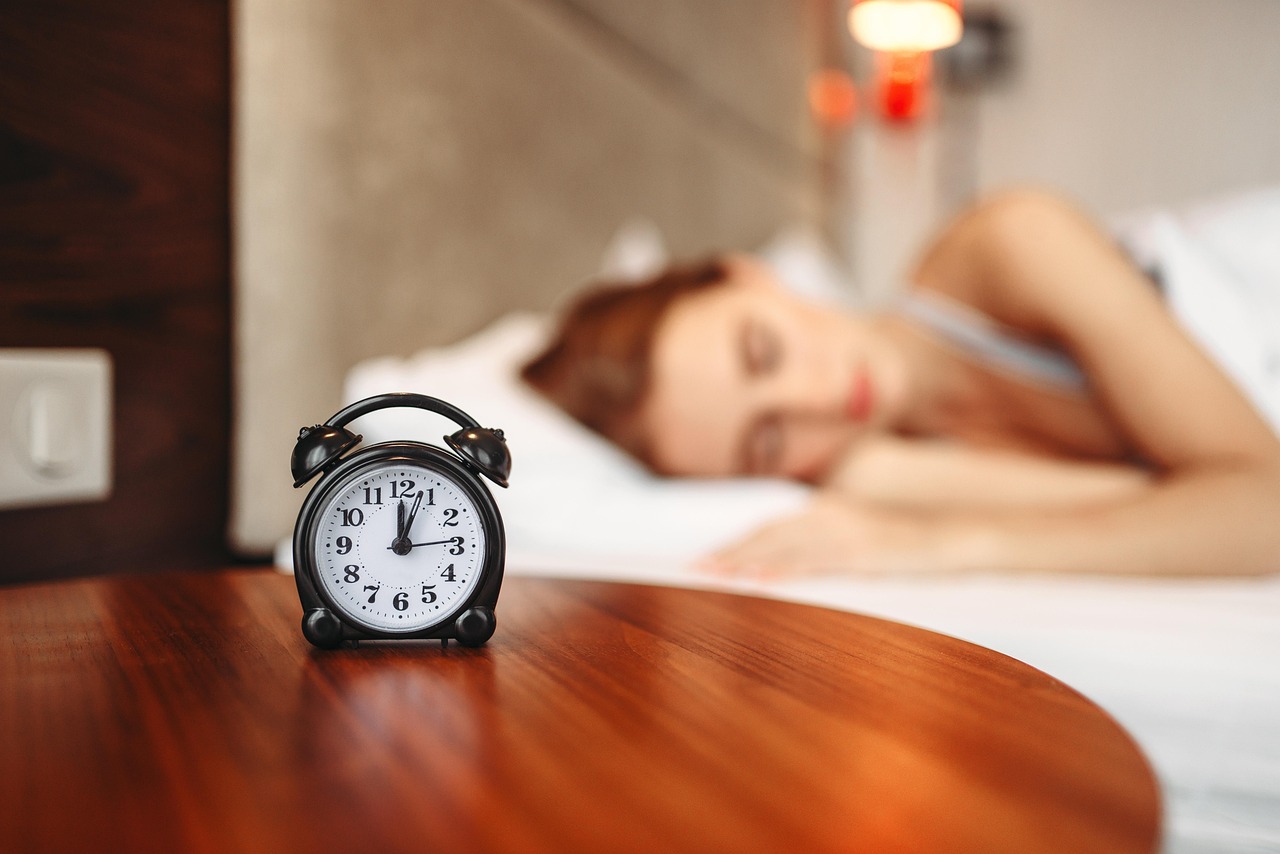
Waking up shouldn’t feel like climbing out of quicksand. Yet millions struggle daily with grogginess, poor sleep quality, and mornings that set the wrong tone for their entire day.

The good news? Technology has evolved beyond simple alarm clocks. Innovative wake-up quality and grogginess trackers are revolutionizing how we understand our mornings, offering personalized insights that help us rise feeling refreshed, energized, and ready to conquer the day. These smart tools analyze sleep patterns, monitor wake-up conditions, and provide actionable recommendations tailored to your unique sleep architecture.
🌅 Understanding Morning Grogginess: More Than Just Sleepiness
Sleep inertia, commonly known as morning grogginess, is that disoriented, foggy feeling that persists after waking. It’s not simply about being tired—it’s a distinct physiological state where your brain transitions from sleep to wakefulness. This transition period can last anywhere from a few minutes to several hours, significantly impacting cognitive performance, mood, and productivity.
Research shows that sleep inertia occurs most intensely when we wake during deep sleep stages. Our bodies cycle through various sleep phases throughout the night, including light sleep, deep sleep, and REM (Rapid Eye Movement) sleep. Waking during the wrong phase can leave you feeling groggy regardless of total sleep duration.
Traditional alarm clocks ignore this biological reality, jolting you awake at arbitrary times that may conflict with your natural sleep cycles. This is where wake-up quality trackers become game-changers, monitoring your sleep stages and optimizing wake times for minimal grogginess.
💡 How Wake-Up Quality Trackers Actually Work
Modern wake-up quality trackers employ sophisticated sensors and algorithms to monitor multiple sleep-related parameters. Most use a combination of movement detection, heart rate monitoring, breathing patterns, and environmental factors to build a comprehensive picture of your sleep quality.
Accelerometers detect body movements throughout the night, identifying periods of restlessness versus stillness. Since we move less during deep sleep and more during lighter stages, these patterns help determine your current sleep phase. Advanced devices incorporate heart rate variability (HRV) monitoring, which provides deeper insights into sleep quality and recovery status.
Some trackers analyze ambient noise, room temperature, and light exposure—environmental factors that significantly influence sleep quality and wake-up readiness. By collecting data across multiple nights, these systems establish your personal sleep baseline and identify patterns that affect morning alertness.
The Smart Alarm Clock Revolution
The cornerstone feature of most wake-up trackers is the smart alarm. Rather than waking you at a fixed time, these intelligent systems identify optimal wake windows—typically 20-30 minutes before your target time—when you’re naturally in lighter sleep stages. This approach leverages your body’s natural rhythms rather than fighting against them.
When your tracker detects you’re in light sleep within your designated wake window, it gently rouses you with gradually increasing sounds or vibrations. This method dramatically reduces sleep inertia compared to conventional alarms that might catch you mid-dream or in deep sleep.
📱 Leading Wake-Up Quality and Grogginess Tracking Solutions
The market offers diverse options ranging from dedicated wearable devices to smartphone applications. Each approach has distinct advantages depending on your preferences, budget, and technical comfort level.
Wearable Sleep Trackers
Fitness bands and smartwatches from manufacturers like Fitbit, Garmin, Apple, and Whoop provide comprehensive sleep tracking capabilities. These devices remain on your wrist throughout the night, continuously monitoring movement, heart rate, and other biometrics with medical-grade accuracy.
The advantage of wearables is their precision and convenience. They don’t require phone placement considerations, and their vibration alarms can wake you without disturbing partners. Premium models offer detailed sleep stage breakdowns, recovery scores, and personalized recommendations based on accumulated data.
Smartphone-Based Sleep Apps
For those preferring not to wear devices while sleeping, smartphone applications offer powerful alternatives. These apps use your phone’s accelerometer and microphone to monitor sleep, detecting movements and breathing sounds that indicate sleep stages.
Sleep Cycle is among the most popular and sophisticated smartphone-based wake-up trackers, offering intelligent alarm functionality, detailed sleep analysis, and trend tracking over time. The app analyzes your movements throughout the night and wakes you during your lightest sleep phase within a preset window.
Another excellent option is Sleep as Android, which combines smart alarm features with sleep tracking, snore recording, and integration with wearable devices for enhanced accuracy. It offers sleep deficit tracking, helping you understand cumulative sleep debt over weeks and months.
Bedside Sleep Monitors
Non-contact sleep monitors represent the latest evolution in sleep tracking technology. Devices using radar technology or ballistocardiography can monitor sleep from your nightstand, tracking breathing, heart rate, and movement without requiring wearables or phone placement.
These systems offer the convenience of automatic tracking without wearing anything or remembering to activate an app. They’re particularly appealing for those who find wearables uncomfortable or who frequently forget to charge devices.
🎯 Key Features to Look for in Wake-Up Quality Trackers
Not all sleep trackers are created equal. When selecting a solution for improving your morning wake-up experience, prioritize these essential features:
- Smart alarm functionality: The ability to wake you during optimal sleep phases within a customizable window
- Sleep stage detection: Accurate identification of light, deep, and REM sleep periods
- Historical data analysis: Trend tracking that reveals patterns over weeks and months
- Environmental monitoring: Assessment of room conditions that affect sleep quality
- Personalized insights: Actionable recommendations based on your specific sleep patterns
- Morning readiness scores: Clear indicators of how well-rested you are upon waking
- Integration capabilities: Compatibility with other health apps and devices for comprehensive wellness tracking
🧪 The Science Behind Better Mornings
Understanding the scientific principles that wake-up trackers leverage helps you maximize their benefits. Your sleep follows a predictable architecture with 90-minute cycles alternating between non-REM and REM stages. Each cycle contains progressively less deep sleep and more REM sleep as morning approaches.
Deep sleep, also called slow-wave sleep, is when your body performs critical restoration work—repairing tissues, consolidating memories, and strengthening immunity. Waking from deep sleep triggers pronounced sleep inertia because your brain hasn’t completed its restoration processes and remains in a low-activity state.
Light sleep and REM stages feature higher brain activity levels more similar to wakefulness. Rousing from these phases results in quicker alertness and less grogginess. Wake-up quality trackers identify these optimal windows, working with your biology rather than against it.
Circadian Rhythms and Consistency
Your circadian rhythm—your body’s internal 24-hour clock—profoundly influences wake-up quality. This biological timing system regulates hormone production, body temperature, and alertness levels throughout the day. Consistency in sleep and wake times strengthens circadian alignment, making mornings naturally easier.
Quality wake-up trackers help establish this consistency by encouraging regular sleep schedules and highlighting when irregular patterns disrupt your rhythms. Over time, consistent wake times train your body to naturally feel alert at the appropriate hour, reducing reliance on aggressive alarms.
⚡ Practical Strategies for Maximizing Wake-Up Tracker Benefits
Simply owning a wake-up quality tracker won’t magically transform your mornings. These tools work best when combined with evidence-based sleep hygiene practices and strategic morning routines.
Optimizing Your Sleep Environment
Your tracker can identify environmental issues, but you must address them. Aim for bedroom temperatures between 60-67°F (15-19°C), which research identifies as optimal for sleep quality. Minimize light exposure using blackout curtains or sleep masks, as even small amounts of light can disrupt sleep architecture.
Reduce noise disturbances with white noise machines or earplugs if you live in loud environments. Your tracker’s environmental data will show correlations between these factors and your wake-up quality scores, helping you prioritize improvements.
Strategic Pre-Sleep Routines
What you do before bed significantly impacts morning alertness. Establish a consistent wind-down routine starting 60-90 minutes before your target sleep time. This signals your body that sleep approaches, initiating natural melatonin production.
Avoid screens during this period, as blue light suppresses melatonin and delays sleep onset. If you must use devices, enable blue light filters. Your wake-up tracker can help you identify how late-night screen time correlates with poor sleep quality and morning grogginess.
Morning Light Exposure
Immediately upon waking, expose yourself to bright light—preferably natural sunlight. This quickly suppresses residual melatonin production and activates your circadian alertness mechanisms. Many advanced wake-up trackers integrate with smart lights that gradually brighten before your alarm, simulating natural sunrise.
Even without smart lighting, simply opening curtains or stepping outside for a few minutes dramatically accelerates the transition to full alertness. Track how morning light exposure affects your subjective wake-up quality ratings to reinforce this habit.
📊 Interpreting Your Wake-Up Quality Data
Wake-up trackers generate substantial data, but raw numbers mean little without proper interpretation. Focus on trends rather than obsessing over individual nights—everyone experiences occasional poor sleep regardless of optimization efforts.
Most trackers assign sleep quality scores based on factors like total sleep duration, time in each sleep stage, restlessness, and heart rate patterns. Morning readiness or recovery scores indicate how well-rested you are, guiding decisions about training intensity, important meetings, or demanding tasks.
Pay attention to correlations between lifestyle factors and sleep metrics. Does alcohol consumption consistently reduce deep sleep percentage? Do late workouts delay sleep onset? These insights empower evidence-based habit adjustments rather than guesswork.
Understanding Your Personal Sleep Needs
While guidelines suggest 7-9 hours for adults, individual requirements vary considerably. Your tracker helps identify your personal sweet spot by correlating sleep duration with morning alertness and daytime energy levels.
Some people function optimally on 7 hours, while others need 9. Age, activity level, stress, and genetics all influence requirements. Trust your tracker data over arbitrary recommendations, adjusting your schedule to consistently hit your target duration.
🚀 Advanced Features and Future Innovations
The wake-up quality tracking field continues evolving rapidly. Emerging technologies promise even more sophisticated insights and interventions.
AI-powered predictive algorithms are beginning to forecast sleep quality based on daytime activities, stress levels, and environmental forecasts. These systems can proactively recommend schedule adjustments—suggesting earlier bedtimes before anticipated poor sleep nights.
Integration with smart home ecosystems enables automatic environmental optimization. Your tracker might automatically adjust thermostats, close blinds, or activate white noise machines based on your sleep stage, creating ideal conditions without manual intervention.
Biometric authentication systems are exploring wake-up readiness verification for safety-critical professions. Imagine pilots, surgeons, or truck drivers verifying adequate alertness before beginning shifts, potentially preventing fatigue-related incidents.
💭 Common Mistakes and How to Avoid Them
Many users inadvertently undermine their wake-up tracker effectiveness through common pitfalls. Being aware of these helps you maximize results.
Don’t become obsessive about metrics. Paradoxically, excessive concern about sleep quality can create anxiety that worsens sleep—a phenomenon called orthosomnia. Use your tracker as a tool for insights, not a source of stress.
Avoid constantly changing your wake-up window. Your body needs consistency to establish strong circadian rhythms. Resist the temptation to sleep longer on weekends, as this “social jet lag” disrupts the patterns your tracker helps establish.
Remember that trackers provide estimates, not absolute measurements. Consumer devices lack the precision of medical sleep labs. Use them for trend identification and relative comparisons rather than clinical diagnosis of sleep disorders.
🌟 Transforming Your Relationship with Mornings
Implementing wake-up quality tracking represents more than adopting new technology—it’s a fundamental shift in how you approach sleep and mornings. Rather than viewing sleep as wasted time or mornings as something to endure, you develop appreciation for these processes as essential to performance and wellbeing.
The data these trackers provide transforms abstract concepts like “good sleep” into concrete, measurable outcomes. This objectivity helps maintain motivation when establishing new habits, as improvements become visible rather than subjective.
Users consistently report that optimizing wake-up quality creates positive cascades throughout their days. Better mornings lead to improved mood, enhanced cognitive function, increased productivity, and greater motivation for healthy behaviors like exercise and nutritious eating.
🎁 Starting Your Journey to Better Mornings
Beginning with wake-up quality tracking doesn’t require expensive equipment or dramatic lifestyle overhauls. Start simple—download a reputable sleep tracking app and use it consistently for two weeks to establish your baseline patterns.
During this initial period, don’t make significant changes. Simply gather data to understand your current sleep architecture and morning quality. This baseline becomes your reference point for measuring improvements.
After establishing baseline data, implement one change at a time—perhaps adjusting your bedtime to target optimal sleep duration, or eliminating screens before bed. Give each change at least a week before evaluating results and adding new modifications.
Remember that improving wake-up quality is a gradual process requiring patience and consistency. Small, sustainable changes compound over time into dramatic transformations in how you experience mornings and, by extension, your entire life.
The investment in understanding and optimizing your wake-up quality pays dividends daily. Every morning you rise feeling refreshed rather than groggy represents a victory—a better start that ripples through everything you do. With innovative wake-up quality and grogginess trackers as your allies, those victories become not just possible, but increasingly inevitable. Your best mornings aren’t behind you—they’re waiting just ahead, ready to unlock your full potential day after day.