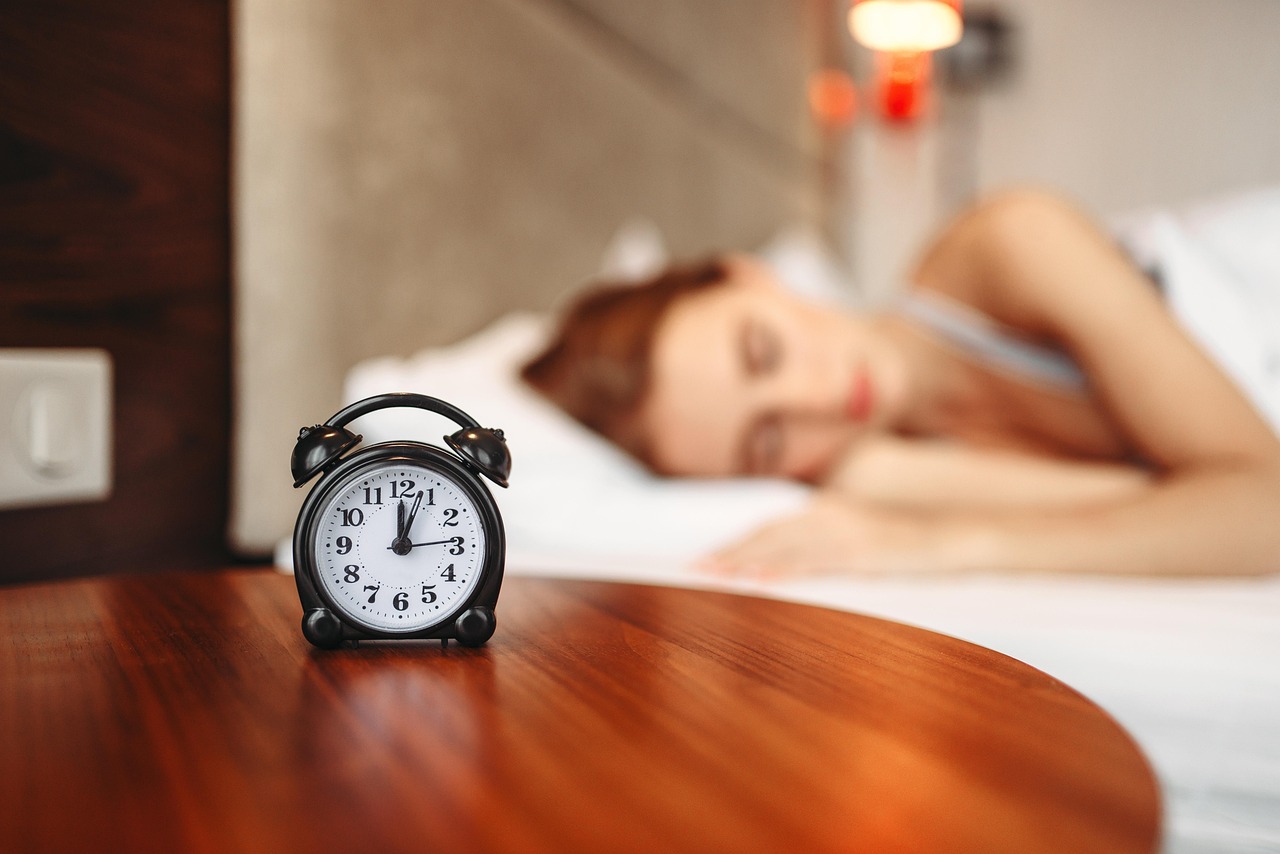
Social jet lag disrupts your internal clock, leaving you tired and unproductive even after a full night’s sleep. This modern phenomenon affects millions worldwide, silently sabotaging health and well-being.

Unlike traditional jet lag caused by crossing time zones, social jet lag emerges from the conflict between your biological rhythm and social obligations. Weekday alarm clocks force early wake times, while weekends tempt you to sleep in, creating a recurring cycle of circadian disruption. The consequences extend beyond morning grogginess, impacting metabolic health, mental clarity, and long-term wellness.
Understanding and addressing social jet lag has become essential in our fast-paced society. With technological advancements and scientific research, innovative tools now exist to measure, track, and ultimately combat this invisible threat to your sleep quality. Armed with the right knowledge and resources, you can reclaim restorative sleep and transform your lifestyle.
🧬 Understanding the Science Behind Social Jet Lag
Your body operates on a sophisticated internal clock called the circadian rhythm, which regulates sleep-wake cycles, hormone production, and metabolic processes. This biological timekeeper evolved over millennia to sync with natural light-dark patterns, preparing your body for activity during daylight and rest after sunset.
Social jet lag occurs when your social schedule conflicts with your biological preferences. If you’re naturally a night owl forced to wake at 6 AM for work, then sleep until noon on weekends, you’re essentially traveling across time zones twice weekly. Research indicates that even a one-hour discrepancy between weekday and weekend sleep schedules can negatively impact health markers.
The misalignment triggers a cascade of physiological disruptions. Your cortisol levels peak at inappropriate times, melatonin production becomes erratic, and insulin sensitivity decreases. Studies link chronic social jet lag to increased risks of obesity, diabetes, cardiovascular disease, and mood disorders. Understanding this connection empowers you to take corrective action before health consequences accumulate.
📊 Measuring Your Personal Sleep Patterns
Accurate measurement forms the foundation of any effective intervention strategy. Traditional sleep diaries require manual logging of bedtimes, wake times, and sleep quality ratings. While valuable, this method depends on consistent record-keeping and subjective assessments that may lack precision.
Modern sleep tracking technology offers objective data collection through various methods. Actigraphy devices worn on the wrist detect movement patterns to distinguish sleep from wakefulness. Sophisticated algorithms analyze this data to estimate sleep stages, efficiency, and consistency. More advanced systems incorporate heart rate variability, body temperature, and respiratory rate to provide comprehensive sleep architecture insights.
Key Metrics for Social Jet Lag Assessment
When evaluating your sleep patterns, focus on these critical indicators that reveal social jet lag severity:
- Midpoint of Sleep: Calculate the midpoint between falling asleep and waking naturally (without alarms) on free days versus work days
- Sleep Debt Accumulation: Track the difference between sleep need and actual sleep obtained during the workweek
- Weekend Catch-up Sleep: Measure additional hours slept on free days compared to workdays
- Chronotype Alignment: Assess how closely your schedule matches your biological preference (lark, intermediate, or owl)
- Consistency Score: Evaluate variations in bedtime and wake time across the week
🔧 Cutting-Edge Tools and Technologies
The sleep technology market has exploded with innovative solutions designed to quantify and improve sleep quality. These tools range from simple smartphone applications to sophisticated wearable devices and smart home integration systems.
Wearable Sleep Trackers
Advanced fitness trackers and smartwatches now include comprehensive sleep monitoring capabilities. Devices like the Oura Ring, Fitbit Sense, and Apple Watch use multiple sensors to track movement, heart rate, and temperature fluctuations throughout the night. The collected data reveals patterns invisible to conscious awareness, identifying social jet lag before symptoms become severe.
These wearables typically generate sleep scores, stage breakdowns (light, deep, REM), and personalized recommendations. Many include readiness scores that indicate whether your body has recovered sufficiently for physical or mental demands. The continuous tracking reveals trends over weeks and months, making social jet lag patterns obvious through data visualization.
Smartphone Applications for Sleep Analysis
Dedicated sleep tracking applications leverage smartphone sensors and microphones to monitor sleep without additional hardware. While generally less accurate than wearables, they provide accessible entry points for sleep optimization.
Sleep Cycle stands as one of the most popular sleep tracking applications, using sound analysis and accelerometer data to estimate sleep stages. The app wakes users during light sleep phases within specified windows, reducing sleep inertia. Its long-term tracking features help identify social jet lag patterns through weekly consistency graphs and statistics.
Sleep as Android offers extensive customization options for tracking, including integration with wearable devices, smart lights, and CAPTCHA alarm dismissal requiring full alertness. Its social jet lag calculation specifically measures the discrepancy between weekday and weekend sleep patterns, providing targeted insights.
Professional-Grade Sleep Assessment Tools
For those requiring clinical-level precision, consumer polysomnography devices bring sleep lab technology home. Products like the Dreem headband or EEG-based systems measure brain activity directly, providing accuracy comparable to professional sleep studies. These devices identify subtle sleep architecture disruptions that simpler trackers miss.
Light exposure meters quantify another critical variable in circadian regulation. Devices or apps measuring light intensity and spectral composition throughout your day reveal whether you’re receiving sufficient bright light exposure during morning hours and avoiding disruptive blue light before bedtime.
💡 Evidence-Based Strategies to Combat Social Jet Lag
Measurement provides awareness, but action creates change. Research-supported interventions can realign your circadian rhythm with social obligations, minimizing the health impacts of schedule inconsistency.
Strategic Light Exposure Management
Light serves as the most powerful circadian timing cue. Exposure to bright light (preferably natural sunlight) during the first hour after waking shifts your internal clock earlier, facilitating easier morning wake times. Aim for at least 30 minutes of outdoor light exposure, even on cloudy days, as natural light intensity far exceeds indoor lighting.
Conversely, dimming lights and reducing blue light exposure two to three hours before bedtime allows melatonin production to increase naturally. Blue light blocking glasses, screen filters, or apps that adjust color temperature help minimize electronic device interference with sleep preparation. Smart bulbs programmed to gradually dim and shift toward warmer color temperatures create an environment conducive to natural sleep onset.
Consistent Sleep Scheduling
The cornerstone of social jet lag reduction involves maintaining consistent sleep and wake times across all seven days. While challenging, keeping weekend wake times within one hour of weekday schedules prevents the circadian disruption that necessitates readjustment Monday morning.
If your chronotype severely mismatches your obligations, gradual schedule shifting proves more sustainable than abrupt changes. Adjust bedtime and wake time by 15-30 minutes every few days, allowing your circadian system to adapt gradually. This approach reduces the willpower required and improves long-term adherence.
Optimizing Sleep Environment
Environmental factors significantly influence sleep quality and timing. Temperature regulation matters profoundly—core body temperature naturally drops during sleep, and bedroom temperatures between 60-67°F (15-19°C) facilitate this process. Smart thermostats can automatically adjust temperature throughout the night, optimizing conditions for each sleep stage.
Complete darkness signals your brain that sleep time has arrived. Blackout curtains, eye masks, or eliminating light-emitting devices from the bedroom strengthen this signal. For those requiring flexibility, smart blinds programmed to open gradually before your wake time simulate natural sunrise, providing a gentler awakening than jarring alarms.
📱 Leveraging Technology for Behavioral Change
Modern applications go beyond passive tracking, actively supporting behavior modification through intelligent features and motivational techniques.
Personalized Sleep Coaching
AI-powered sleep coaching apps analyze your data patterns and deliver customized recommendations. These systems identify specific obstacles preventing consistent sleep schedules, whether caffeine timing, exercise scheduling, or screen time habits. The personalized approach addresses your unique barriers rather than offering generic advice.
Some platforms connect users with sleep specialists through telemedicine, bringing professional guidance into the digital realm. This hybrid approach combines data-driven insights with human expertise, ideal for addressing complex sleep issues or medical conditions contributing to social jet lag.
Smart Alarm Systems
Intelligent alarm applications analyze sleep cycles to wake you during optimal windows, reducing grogginess and morning cognitive impairment. By avoiding deep sleep disruption, these systems minimize one consequence of social jet lag even while addressing underlying schedule inconsistencies.
Progressive alarm features gradually increase light, sound, or vibration intensity, providing gentle transitions from sleep to wakefulness. This approach respects your biology rather than shocking your nervous system into alertness, reducing cortisol spikes associated with traditional alarms.
🏋️ Lifestyle Factors Supporting Circadian Health
While technology provides measurement and guidance, fundamental lifestyle choices profoundly impact circadian rhythm stability and sleep quality.
Exercise Timing and Intensity
Physical activity influences circadian timing depending on when you exercise. Morning or early afternoon workouts can shift your rhythm earlier, supporting earlier sleep and wake times. Conversely, evening exercise may delay your clock, problematic for early risers but potentially helpful for night owls needing later schedules.
Exercise intensity matters—vigorous activity too close to bedtime elevates core temperature and arousal, interfering with sleep onset. Aim to complete intense workouts at least three hours before bedtime, saving gentler activities like stretching or yoga for evening hours.
Nutritional Timing Considerations
Meal timing serves as a secondary circadian cue, influencing metabolic rhythms and sleep-wake cycles. Time-restricted eating, where food consumption occurs within consistent daily windows, reinforces circadian stability. Early time-restricted feeding (breakfast and lunch emphasized, light or no dinner) aligns with natural metabolic rhythms for many people.
Caffeine deserves special attention—its half-life of 5-6 hours means afternoon consumption affects nighttime sleep even when you feel unaffected. Establishing a personal caffeine curfew (typically early afternoon) prevents interference with natural evening sleepiness.
🎯 Creating Your Personalized Action Plan
Transforming knowledge into lasting change requires systematic implementation. Begin by establishing baseline measurements using your chosen tracking method for at least two weeks. This period reveals your current social jet lag severity and identifies contributing factors.
Select one or two initial interventions rather than attempting comprehensive changes simultaneously. Light exposure optimization and weekend wake time consistency typically provide the highest impact with reasonable effort investment. Track your progress using the same metrics established during baseline measurement, adjusting strategies based on results.
Set realistic expectations—circadian rhythm adjustments require patience, typically showing meaningful improvement over 3-4 weeks. Temporary setbacks during stressful periods are normal; the goal involves long-term trend improvement rather than perfection. Periodic reassessment every 1-2 months allows strategy refinement based on changing circumstances or seasons.
🌟 Long-Term Benefits of Conquering Social Jet Lag
Investing effort in circadian alignment yields dividends extending far beyond better sleep. Research demonstrates that reducing social jet lag improves metabolic health markers including insulin sensitivity, lipid profiles, and inflammatory markers. Weight management becomes easier as appetite-regulating hormones normalize and energy levels support consistent physical activity.
Cognitive performance benefits manifest through improved attention, memory consolidation, and decision-making capacity. Mood stability increases as sleep quality improves, reducing risks of anxiety and depression. These psychological benefits enhance relationships, career performance, and overall life satisfaction.
Perhaps most importantly, circadian health supports longevity and disease prevention. Emerging research links chronic circadian disruption to accelerated aging processes, while aligned rhythms activate cellular repair mechanisms and optimize immune function. The investment in sleep hygiene and schedule consistency pays health dividends for decades.
🚀 Taking the First Step Toward Better Sleep
Social jet lag represents a solvable problem rather than an inevitable consequence of modern life. The combination of awareness, measurement tools, and evidence-based interventions empowers you to reclaim your natural rhythms and unlock the transformative power of truly restorative sleep.
Begin today by downloading a tracking application or noting your sleep and wake times manually. Awareness precedes change—once you visualize your patterns, motivation for improvement emerges naturally. Select one small adjustment aligned with research principles, implement it consistently, and observe the results. Progressive improvement through manageable steps creates sustainable transformation rather than overwhelming temporary changes.
Your body possesses remarkable adaptive capacity when provided appropriate signals and support. By respecting your biological design while strategically leveraging modern technology, you create conditions for optimal health, performance, and well-being. The journey toward conquering social jet lag begins with a single step—make that commitment now and discover the profound difference quality sleep makes in every aspect of your life.