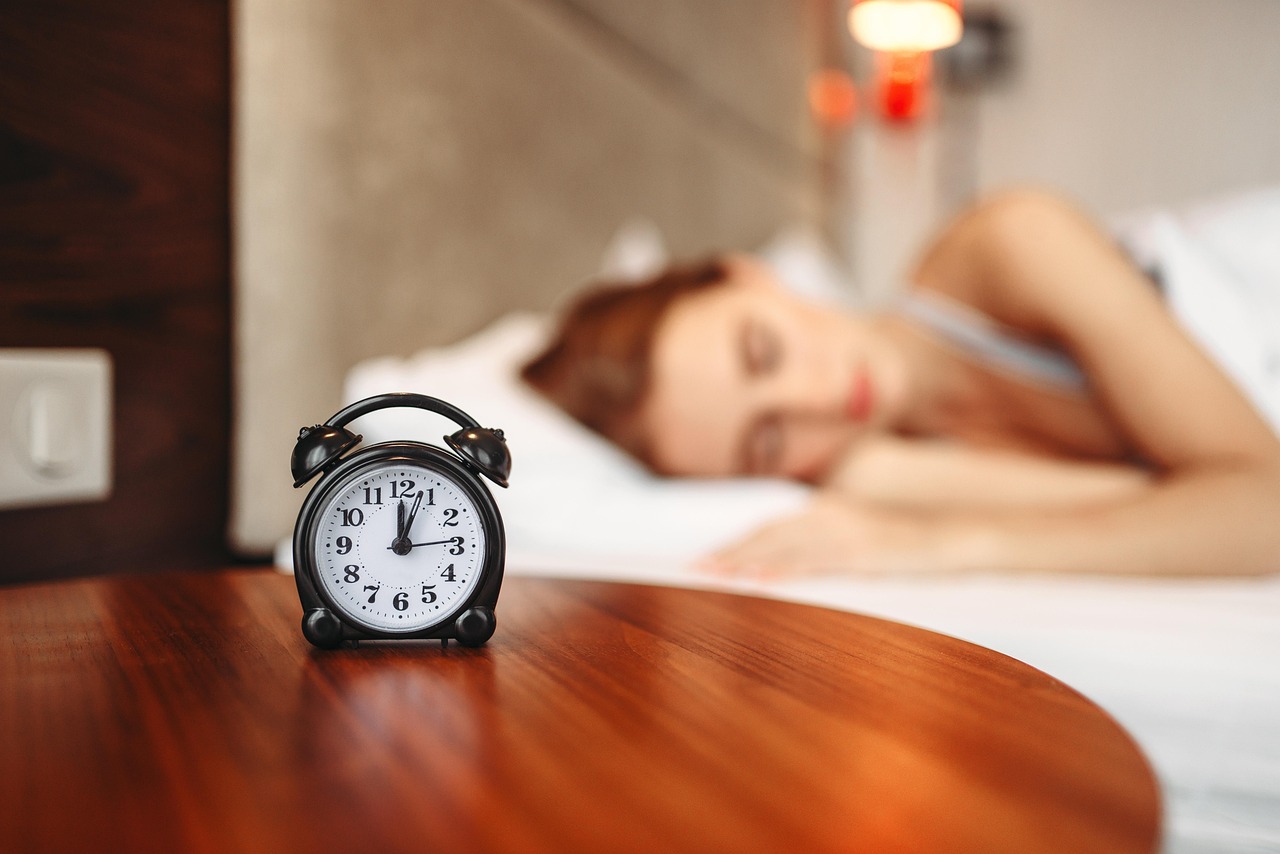
Sleep is one of the most fundamental pillars of health, yet millions struggle to get quality rest each night. The secret to better sleep might not lie in sleeping longer, but in sleeping smarter.

Understanding your sleep efficiency can transform your nights and revolutionize your days. Sleep efficiency calculators have emerged as powerful tools that help you measure, track, and optimize your rest patterns, giving you actionable insights into one of the most important aspects of your wellbeing. By calculating the percentage of time you actually spend asleep versus time spent in bed, these innovative tools reveal the true quality of your sleep and guide you toward meaningful improvements.
🌙 What Exactly Is Sleep Efficiency and Why Should You Care?
Sleep efficiency is a simple yet revealing metric that compares the time you spend actually sleeping to the total time you spend in bed. Expressed as a percentage, this number tells you how effectively you’re using your time in bed for its intended purpose: restorative sleep.
The formula is straightforward: divide your total sleep time by your total time in bed, then multiply by 100. For example, if you’re in bed for 8 hours but only sleep for 7, your sleep efficiency is 87.5%. Sleep specialists generally consider anything above 85% to be good, while 90% or higher is considered excellent.
This metric matters because it reveals problems that total sleep time alone cannot. You might spend 8 hours in bed every night and think you’re getting adequate rest, but if you’re lying awake for significant periods, your actual sleep quality suffers dramatically. Poor sleep efficiency has been linked to numerous health issues, including cardiovascular problems, weakened immunity, cognitive decline, and mental health challenges.
The Science Behind Sleep Efficiency Calculators 🧠
Sleep efficiency calculators are grounded in decades of sleep research and clinical practice. Sleep scientists have long used this metric in laboratory settings to assess sleep disorders and track treatment progress. What was once confined to medical facilities is now accessible to anyone with a smartphone.
These calculators work by tracking several key data points: the time you get into bed, the time you actually fall asleep (sleep onset latency), periods of wakefulness during the night, and your final wake time. Advanced versions incorporate additional factors like movement patterns, heart rate variability, and even room temperature to provide more comprehensive assessments.
The technology behind modern sleep efficiency calculators ranges from simple self-reported logs to sophisticated algorithms that analyze data from wearable devices. Accelerometers detect movement patterns that indicate wake versus sleep states, while photoplethysmography sensors measure blood volume changes to assess sleep stages. Machine learning algorithms then process this data to provide increasingly accurate sleep efficiency calculations.
How Sleep Efficiency Calculators Transform Your Rest Quality ✨
The true power of sleep efficiency calculators lies not just in measurement, but in the behavioral changes they inspire. When you can see concrete numbers reflecting your sleep quality, you gain motivation and direction for improvement.
These tools help identify patterns you might never notice otherwise. Perhaps your efficiency drops significantly on nights when you exercise late, or when you consume caffeine after 2 PM. Maybe your sleep quality improves dramatically when you maintain a consistent bedtime, even on weekends. These insights become your personalized sleep optimization roadmap.
Sleep efficiency calculators also help you understand the relationship between quantity and quality. Many people discover they sleep better when they spend less time in bed, counterintuitive as that may sound. This phenomenon, known as sleep restriction therapy, is a clinically proven treatment for insomnia that relies heavily on sleep efficiency measurements.
Key Benefits You’ll Experience 💪
- Objective feedback: Replace guesswork with data-driven insights about your actual sleep quality
- Pattern recognition: Identify behaviors and environmental factors that help or hinder your rest
- Motivation boost: Watch your efficiency improve over time as you implement better sleep habits
- Early problem detection: Spot potential sleep disorders before they significantly impact your health
- Personalized optimization: Discover what works specifically for your unique sleep needs
- Accountability: Track your progress and maintain consistency with your sleep schedule
Choosing the Right Sleep Efficiency Calculator for Your Needs 📱
The market offers numerous sleep tracking solutions, from basic smartphone apps to sophisticated wearable devices. The best choice depends on your specific goals, budget, and comfort with technology.
Basic sleep diary apps require manual input of bedtime, wake time, and perceived sleep quality. While less automated, these apps build awareness and work well for people just beginning their sleep optimization journey. They’re typically free and require no additional hardware.
Smartphone-based automatic trackers use your phone’s accelerometer and microphone to detect movement and sounds during sleep. These apps work by placing your phone on your mattress near your pillow. They’re convenient and inexpensive, though accuracy can vary based on mattress type and whether you sleep alone.
Wearable fitness trackers and smartwatches represent the next level of sleep tracking. These devices monitor heart rate, movement, and sometimes blood oxygen levels throughout the night, providing more detailed sleep stage analysis alongside efficiency calculations. Popular options include Fitbit, Garmin, Apple Watch, and Samsung Galaxy Watch devices.
Dedicated sleep tracking devices like Oura Ring or Whoop bands focus specifically on sleep and recovery metrics, often providing the most detailed analysis. These premium options use multiple sensors and advanced algorithms to deliver clinical-grade sleep data.
Understanding Your Sleep Efficiency Numbers 📊
Once you start tracking, you’ll need to interpret your results effectively. Sleep efficiency exists on a spectrum, and understanding where you fall helps you set appropriate goals.
A sleep efficiency of 95% or higher might actually indicate insufficient time in bed for your body’s needs, potentially leading to sleep debt accumulation. While this seems counterintuitive, it often means you’re so exhausted that you fall asleep immediately and never wake, which isn’t necessarily optimal.
Efficiency between 85% and 94% is generally considered the sweet spot. You’re sleeping well without being so sleep-deprived that you lose consciousness instantly. Most healthy sleepers fall into this range.
Numbers between 75% and 84% suggest room for improvement. You’re spending considerable time awake in bed, which can condition your brain to associate your bedroom with wakefulness rather than sleep. This range often indicates inconsistent sleep habits, stress, or environmental issues.
Sleep efficiency below 75% typically indicates a significant sleep problem that may benefit from professional evaluation. Chronic insomnia, sleep apnea, restless leg syndrome, or other disorders might be affecting your rest.
Factors That Impact Your Sleep Efficiency 🎯
| Factor | Negative Impact | Positive Alternative |
|---|---|---|
| Evening Screen Time | Blue light suppresses melatonin production | Use blue light filters or avoid screens 1-2 hours before bed |
| Irregular Schedule | Disrupts circadian rhythm | Maintain consistent sleep and wake times daily |
| Bedroom Temperature | Too warm or cold prevents deep sleep | Keep room between 60-67°F (15-19°C) |
| Caffeine Timing | Stimulation lasts 6+ hours | Avoid caffeine after early afternoon |
| Alcohol Consumption | Disrupts sleep architecture | Limit alcohol, especially within 3 hours of bed |
| Evening Exercise | Raises core body temperature and alertness | Exercise earlier in the day or try gentle stretching |
Practical Strategies to Boost Your Sleep Efficiency 🚀
Armed with data from your sleep efficiency calculator, you can implement targeted strategies to improve your results. The most effective approach combines environmental optimization, behavioral changes, and consistent routines.
Start by creating an ideal sleep environment. Your bedroom should be dark, quiet, and cool. Invest in blackout curtains or an eye mask to eliminate light pollution. Consider white noise machines or earplugs if you live in a noisy area. Ensure your mattress and pillows provide adequate support and comfort.
Establish a consistent pre-sleep routine that signals your body it’s time to wind down. This might include reading, gentle stretching, meditation, or a warm bath. The key is consistency—performing the same relaxing activities each night trains your brain to transition into sleep mode.
Practice stimulus control, a proven technique for improving sleep efficiency. Use your bed only for sleep and intimacy, never for work, watching TV, or scrolling through your phone. If you can’t fall asleep within 20 minutes, get up and do something relaxing in another room until you feel sleepy. This prevents your brain from associating your bed with wakefulness.
The Sleep Restriction Paradox 😴
One of the most counterintuitive yet effective strategies revealed through sleep efficiency tracking is sleep restriction therapy. If your calculator shows consistently low efficiency, you might actually benefit from spending less time in bed.
Here’s how it works: calculate your average actual sleep time over a week. Then, limit your time in bed to match that duration, but not less than 5 hours. For example, if you average 6 hours of actual sleep while spending 8 hours in bed, restrict yourself to 6 hours in bed. This creates mild sleep deprivation that consolidates your sleep, dramatically improving efficiency.
As your efficiency improves to 90% or higher, gradually increase your time in bed by 15-minute increments each week until you reach your optimal sleep duration. This method, while challenging initially, produces remarkable results for many people struggling with insomnia.
Integrating Sleep Efficiency Tracking Into Your Wellness Routine 🌟
Sleep doesn’t exist in isolation—it’s interconnected with every aspect of your health. The most successful users of sleep efficiency calculators integrate sleep tracking into a broader wellness strategy.
Monitor how daytime activities affect your nighttime efficiency. Does that afternoon coffee consistently correlate with lower sleep efficiency? Does yoga before bed improve your numbers? Track exercise, meals, stress levels, and other variables alongside your sleep data to identify meaningful patterns.
Many people find that combining sleep tracking with journaling enhances insights. Note how you feel upon waking, your energy levels throughout the day, and your mental clarity. Over time, you’ll discover your personal optimal sleep efficiency range—the sweet spot where you feel most refreshed and energized.
Consider sharing your data with healthcare providers during check-ups. Sleep efficiency trends can reveal underlying health issues or provide context for other symptoms you’re experiencing. Many doctors now appreciate patients who arrive with objective sleep data rather than vague descriptions of “not sleeping well.”
Common Pitfalls to Avoid When Tracking Sleep Efficiency ⚠️
While sleep efficiency calculators are powerful tools, they can sometimes create new problems if used incorrectly. Awareness of common pitfalls helps you avoid them.
Obsessing over numbers is perhaps the biggest trap. Some people develop “orthosomnia”—an unhealthy preoccupation with achieving perfect sleep data. This anxiety about sleep metrics can paradoxically worsen sleep quality. Use your calculator as a guide, not a judge. A few nights of lower efficiency are completely normal and not cause for concern.
Avoid making multiple changes simultaneously. When you adjust several variables at once—changing your bedtime, trying new supplements, and rearranging your bedroom—you can’t identify which intervention actually improved your efficiency. Change one thing at a time, track results for at least a week, then adjust.
Don’t ignore accuracy limitations. No consumer device provides perfect sleep tracking. They estimate sleep stages and efficiency based on movement and heart rate patterns, which aren’t as accurate as clinical polysomnography. Use your calculator for trends and patterns rather than treating every single night’s data as absolute truth.
Remember that good sleep efficiency doesn’t always mean healthy sleep. You might achieve 90% efficiency but only spend 5 hours in bed, leading to chronic sleep deprivation. Always consider efficiency alongside total sleep duration and how you feel during the day.
Advanced Insights: Beyond Basic Sleep Efficiency 📈
As you become more sophisticated in your sleep tracking journey, you’ll discover additional metrics that complement basic efficiency calculations. Understanding these advanced measurements provides a more complete picture of your sleep health.
Sleep latency—the time it takes to fall asleep—offers valuable insights. Consistently falling asleep in less than 5 minutes might indicate sleep deprivation, while regularly taking more than 30 minutes suggests potential insomnia. The ideal range is typically 10-20 minutes.
Wake after sleep onset (WASO) measures how much time you spend awake after initially falling asleep. This metric, separate from sleep efficiency, helps identify whether your problem is falling asleep or staying asleep—two issues requiring different interventions.
Sleep architecture refers to the distribution of time across different sleep stages: light sleep, deep sleep, and REM sleep. While not directly part of efficiency calculations, understanding your sleep stage patterns helps explain why you might have good efficiency but still feel unrefreshed. Insufficient deep sleep or REM sleep can leave you feeling tired despite sleeping through the night.
The Future of Sleep Efficiency Tracking 🔮
Sleep tracking technology continues to evolve rapidly. Emerging innovations promise even more accurate, insightful, and actionable sleep data in the coming years.
Contactless sleep monitoring using radar technology or radiofrequency sensors can track breathing patterns, heart rate, and movement without requiring you to wear anything. These devices sit on your nightstand and provide clinical-grade data without the discomfort some people experience with wearables.
Artificial intelligence and machine learning are making sleep recommendations increasingly personalized. Future calculators won’t just tell you your efficiency—they’ll analyze thousands of data points to provide specific, individualized advice: “Your efficiency drops 12% on nights you eat dinner after 8 PM” or “Your deep sleep increases 23% when room temperature is below 65°F.”
Integration with smart home technology will enable automatic optimization. Your sleep efficiency data could automatically adjust bedroom temperature, lighting, and even mattress firmness to create optimal conditions. Some systems already dim lights and lower thermostats based on your typical bedtime.

Taking Action: Your Sleep Efficiency Improvement Plan 💤
Knowledge without action changes nothing. Now that you understand sleep efficiency calculators and their power, it’s time to implement what you’ve learned.
Start tonight by choosing a tracking method that fits your lifestyle. Download a sleep tracking app, start a simple sleep diary, or invest in a wearable device. Commit to tracking consistently for at least two weeks before making judgments about your data—you need enough information to identify patterns.
Set a realistic efficiency goal. If you’re currently at 70%, don’t aim for 95% immediately. Target 75% first, then gradually work your way up. Celebrate small improvements rather than pursuing perfection.
Implement one evidence-based sleep hygiene improvement each week. Start with the easiest changes—perhaps establishing a consistent bedtime or reducing evening screen time—then progress to more challenging adjustments. Your sleep efficiency calculator will reveal which interventions actually work for you.
Remember that better sleep is a journey, not a destination. Your sleep needs and efficiency will fluctuate with life circumstances, age, and health changes. Regular tracking helps you adapt and optimize continuously rather than settling for suboptimal rest.
Your best rest awaits. Sleep efficiency calculators provide the roadmap, but you must take the journey. Start tracking tonight, and within weeks you’ll experience the transformative power of smarter, more efficient, truly restorative sleep. Your body, mind, and overall quality of life will thank you for making sleep optimization a priority. Sweet dreams! 🌙✨