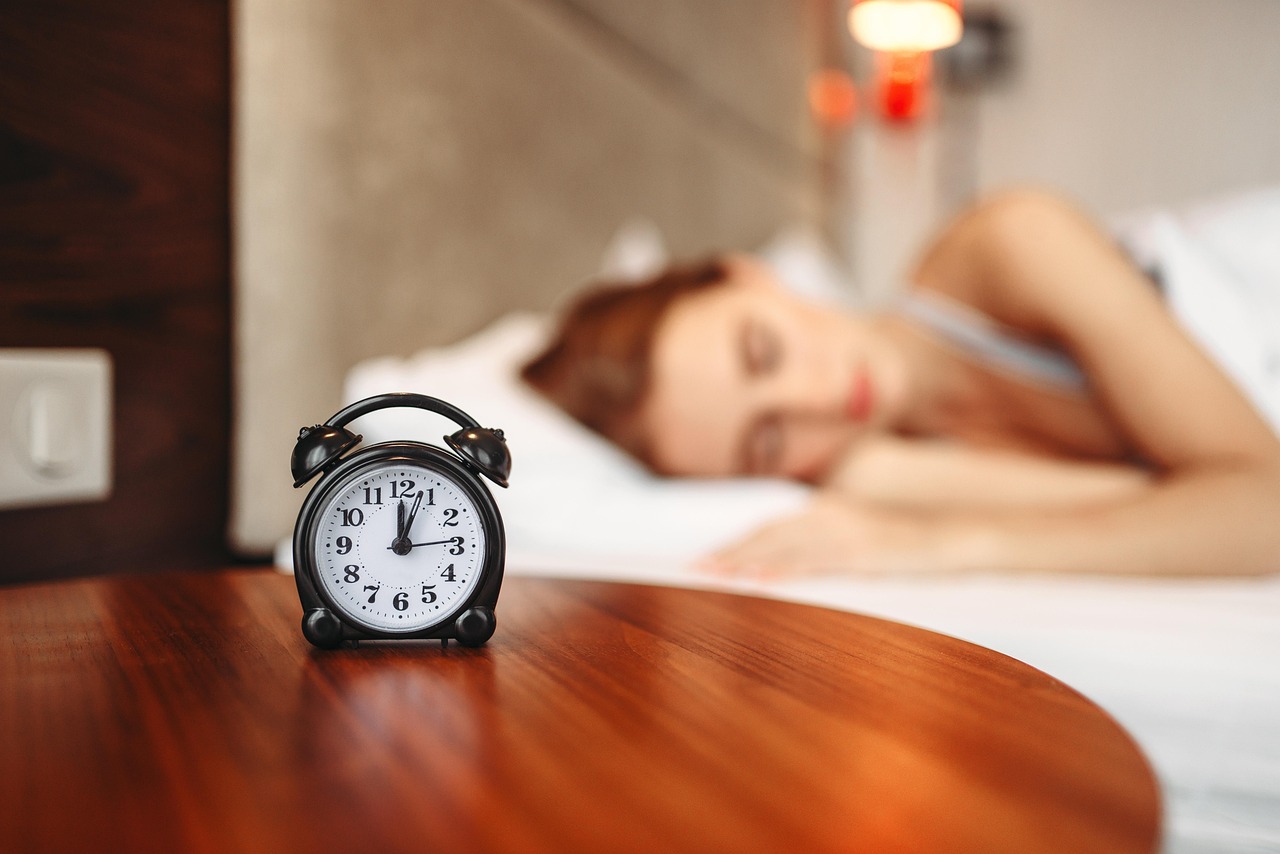
Sleep is the foundation of human performance, yet most people struggle to optimize it. Modern technology now offers unprecedented insights into how we rest, recover, and recharge our bodies each night.

Understanding the intricate relationship between core sleep and recovery sleep can transform your health, productivity, and overall well-being. By leveraging cutting-edge analytics, you can finally unlock your true sleep potential and wake up feeling genuinely refreshed every single day.
🧠 The Science Behind Core Sleep and Recovery Sleep
Your nightly rest consists of multiple sleep cycles, each serving distinct biological purposes. Core sleep represents the essential deep sleep and REM stages your body absolutely requires for survival and basic functioning. Recovery sleep, on the other hand, provides additional restoration that optimizes performance, enhances cognitive function, and supports long-term health.
During core sleep, your brain consolidates memories, your immune system strengthens, and your body undergoes critical cellular repair. This phase typically occurs during the first few sleep cycles of the night, when deep sleep stages are most prominent. Without adequate core sleep, you’ll experience significant impairments in judgment, reaction time, and emotional regulation.
Recovery sleep builds upon this foundation by providing extended periods of lighter sleep stages and additional REM cycles. This is when your brain processes complex emotions, strengthens neural connections, and prepares you for peak performance. Athletes, knowledge workers, and anyone pursuing optimal health should prioritize both types of sleep equally.
📊 How Sleep Analytics Revolutionary Changed Sleep Optimization
Traditional sleep tracking relied on subjective feelings and basic time measurements. Today’s advanced analytics platforms use sophisticated algorithms, biometric sensors, and artificial intelligence to provide granular insights into your sleep architecture. These technologies measure everything from heart rate variability to body temperature fluctuations throughout the night.
Modern sleep tracking devices can now distinguish between sleep stages with remarkable accuracy. They monitor your movement patterns, breathing rhythms, and even blood oxygen levels to create comprehensive sleep profiles. This data reveals patterns you’d never notice on your own, identifying obstacles preventing you from achieving optimal rest.
The real power of sleep analytics lies in personalization. By tracking your sleep over weeks and months, these systems establish your unique baseline and identify specific interventions that work for your individual biology. What helps one person achieve better sleep might be completely ineffective for another, making personalized data essential.
Key Metrics That Matter Most
When analyzing your sleep data, certain metrics provide more actionable insights than others. Sleep efficiency measures the percentage of time you spend actually sleeping versus lying in bed. A healthy sleep efficiency typically ranges between 85% and 95%, with lower numbers indicating potential sleep disturbances or environmental issues.
Time spent in each sleep stage offers crucial information about sleep quality. Adults generally need 13-23% of their sleep in deep stages for adequate physical recovery, and 20-25% in REM sleep for cognitive restoration. Tracking these percentages over time helps identify whether you’re getting sufficient core and recovery sleep.
Sleep latency, or how long it takes you to fall asleep, reveals important information about your circadian rhythm alignment and sleep pressure. Consistently taking more than 20 minutes to fall asleep might indicate poor sleep hygiene, excessive stress, or misaligned sleep timing. Conversely, falling asleep in less than five minutes often suggests chronic sleep deprivation.
💤 Optimizing Your Core Sleep Foundation
Maximizing core sleep requires strategic timing and environmental optimization. Your body naturally prioritizes deep sleep during the early part of the night, typically between 10 PM and 2 AM for most people. Aligning your sleep schedule with this biological window dramatically increases the proportion of restorative deep sleep you achieve.
Temperature regulation plays a critical role in core sleep quality. Your body needs to drop its core temperature by approximately 2-3 degrees Fahrenheit to initiate and maintain deep sleep. Setting your bedroom temperature between 60-67°F (15-19°C) creates optimal conditions for this natural thermoregulation process.
Light exposure management before bed directly impacts your ability to achieve core sleep. Blue light from screens suppresses melatonin production, delaying sleep onset and reducing deep sleep quality. Implementing a digital sunset—eliminating screens 90 minutes before bed—allows your natural sleep drive to build properly and facilitates faster entry into deep sleep stages.
Nutritional Strategies for Enhanced Core Sleep
Your eating patterns significantly influence sleep architecture. Consuming large meals within three hours of bedtime forces your digestive system to work when it should be resting, fragmenting sleep and reducing time spent in deep stages. Conversely, going to bed too hungry can also disrupt sleep through hunger signals and blood sugar fluctuations.
Certain nutrients specifically support deep sleep generation. Magnesium acts as a natural relaxant, supporting the nervous system’s transition into rest modes. Glycine, an amino acid found in collagen and bone broth, has been shown to improve deep sleep quality and reduce sleep latency. Tryptophan-rich foods consumed with carbohydrates facilitate serotonin and melatonin production.
Caffeine’s impact on core sleep extends far beyond most people’s awareness. With a half-life of 5-6 hours, caffeine consumed at 4 PM still has 25% of its stimulating effects active at midnight. For optimal deep sleep, consider limiting caffeine intake to morning hours only, allowing complete clearance before bedtime.
🔄 Maximizing Recovery Sleep for Peak Performance
While core sleep keeps you alive, recovery sleep makes you thrive. This additional rest period allows your brain to process complex information, consolidate learning, and prepare for high-level cognitive performance. Athletes who prioritize recovery sleep consistently outperform those who settle for minimal rest, even when training volumes are identical.
Recovery sleep is particularly rich in REM stages, which occur more frequently during the latter half of the night. Cutting your sleep short by even one hour can reduce REM sleep by a much larger percentage, disproportionately impacting emotional regulation, creativity, and problem-solving abilities. This explains why people who consistently sleep 6 hours instead of 8 report significantly diminished cognitive performance.
The timing of recovery sleep matters as much as the quantity. Your body’s natural circadian rhythm creates a secondary sleep window in the early afternoon, which is why strategic napping can supplement nighttime recovery sleep. A 20-30 minute afternoon nap can provide additional REM sleep and cognitive restoration without interfering with nighttime sleep drive.
Sleep Extension Protocols for Enhanced Recovery
If you’ve been chronically under-sleeping, implementing a sleep extension protocol can dramatically improve performance and well-being. Research shows that gradually extending sleep by 15-30 minutes per week allows your body to adapt without disrupting established rhythms. Most people discover they need 7.5-9 hours of sleep for optimal function, not the bare minimum they’ve been surviving on.
Weekend sleep extension, sometimes called “catch-up sleep,” provides some recovery benefits but cannot fully compensate for weekday sleep deprivation. While sleeping longer on weekends is better than maintaining chronic restriction, it creates social jet lag that makes Monday mornings particularly difficult. Consistent sleep timing across all seven days produces superior results.
Sleep banking—deliberately sleeping extra before periods of anticipated sleep restriction—offers protective benefits. Studies with athletes and military personnel show that banking additional sleep before demanding periods reduces performance decrements and speeds recovery. If you know a challenging week approaches, increasing sleep duration beforehand provides genuine physiological reserves.
📱 Leveraging Technology for Sleep Optimization
Modern sleep tracking applications transform raw data into actionable insights. These platforms identify correlations between your daily behaviors and nightly sleep quality, revealing connections you’d never notice consciously. Perhaps alcohol consumption consistently fragments your sleep, or perhaps late exercise actually helps you sleep better despite conventional wisdom.
Advanced sleep apps now incorporate machine learning algorithms that predict optimal sleep and wake times based on your individual patterns. By analyzing weeks of data, these systems can recommend the perfect bedtime for your unique chronotype and lifestyle, maximizing both core and recovery sleep within your available time window.
Integration with smart home devices creates a comprehensive sleep optimization ecosystem. Your sleep tracker can communicate with smart thermostats to optimize bedroom temperature throughout the night, adjust lighting to support melatonin production, and even regulate noise levels during critical sleep stages. This automated approach removes decision fatigue from the sleep optimization equation.
Interpreting Your Sleep Data Effectively
Collecting sleep data means nothing without proper interpretation. Focus on trends over weeks rather than obsessing over single nights. Everyone experiences occasional poor sleep, but consistent patterns reveal the true state of your sleep health. Look for weekly averages and month-over-month improvements rather than daily fluctuations.
Correlation analysis helps identify your personal sleep disruptors and enhancers. Most advanced sleep apps include features that correlate behaviors like exercise timing, alcohol consumption, stress levels, and caffeine intake with subsequent sleep quality. These personalized insights are far more valuable than generic sleep advice that may not apply to your unique biology.
Avoid sleep tracking anxiety, sometimes called orthosomnia. Some individuals become so fixated on achieving perfect sleep scores that the anxiety itself disrupts their rest. Use sleep data as feedback for gradual optimization, not as a report card that induces stress. Remember that subjective sleep quality matters as much as objective measurements.
🎯 Creating Your Personalized Sleep Optimization Plan
Sustainable sleep improvement requires a systematic approach tailored to your individual circumstances. Begin by establishing your current baseline through at least two weeks of consistent tracking. Document not just sleep metrics but also daily variables like exercise, nutrition, stress, and environmental factors.
Implement changes one at a time to identify what actually works for you. Changing multiple variables simultaneously makes it impossible to determine which intervention produced results. Start with the easiest modifications—perhaps adjusting bedroom temperature or establishing a consistent wake time—before tackling more challenging behavioral changes.
Set realistic goals based on your current sleep patterns and lifestyle constraints. If you’re currently sleeping 6 hours nightly, immediately jumping to 9 hours isn’t sustainable. Instead, target a gradual 15-minute increase every week until you reach your optimal sleep duration. Small, consistent improvements compound into transformative results over time.
Troubleshooting Common Sleep Optimization Challenges
Despite best efforts, many people encounter obstacles when improving sleep. Racing thoughts at bedtime often stem from unprocessed stress or insufficient wind-down time. Implementing a cognitive download practice—writing down tomorrow’s concerns and today’s accomplishments—creates mental closure that facilitates sleep onset.
Middle-of-the-night awakenings frequently relate to blood sugar fluctuations or stress hormone spikes. A small snack combining protein and healthy fat before bed can stabilize blood sugar throughout the night. Additionally, addressing underlying stress through meditation, therapy, or lifestyle changes often resolves nocturnal awakenings more effectively than sleep aids.
Sleep tracking devices occasionally show poor sleep quality despite feeling rested, or vice versa. Remember that consumer sleep trackers have limitations and may misclassify sleep stages. Subjective sleep quality remains important—if you feel rested and function well despite imperfect data, trust your experience while continuing to optimize gradually.
🌟 The Long-Term Benefits of Optimized Sleep
Investing in sleep optimization yields dividends across every aspect of life. Cognitive performance improvements manifest in enhanced memory, faster learning, better decision-making, and increased creativity. Professionals who prioritize sleep consistently outperform their sleep-deprived peers, often achieving more in less time through superior focus and efficiency.
Physical health benefits extend far beyond feeling rested. Adequate sleep supports metabolic health, reducing diabetes and obesity risk. It strengthens immune function, helping you resist infections and recover faster from illness. Sleep even influences gene expression, activating restorative processes and deactivating inflammatory pathways.
Mental health improvements may be sleep optimization’s most profound benefit. Chronic sleep deprivation significantly increases depression and anxiety risk, while optimized sleep enhances emotional resilience and psychological well-being. Many people discover that sleep improvement reduces or eliminates the need for certain medications and therapeutic interventions.

🚀 Taking Action on Your Sleep Journey
Understanding sleep science means nothing without implementation. Start tonight by choosing one evidence-based intervention that fits your lifestyle. Perhaps you’ll set a consistent bedtime, optimize your bedroom temperature, or begin tracking your sleep patterns. Small actions initiated today create the foundation for transformative sleep improvement.
Remember that sleep optimization is a journey, not a destination. Your sleep needs and optimal strategies will evolve as your life circumstances change. Remain flexible and curious, continuing to experiment and refine your approach based on data and subjective experience. The investment you make in sleep today pays exponential returns throughout your entire life.
Your sleep potential awaits unlocking. By mastering both core and recovery sleep through cutting-edge analytics, you’re not just improving rest—you’re upgrading every aspect of your human experience. The question isn’t whether you can afford to prioritize sleep optimization, but whether you can afford not to. 💫