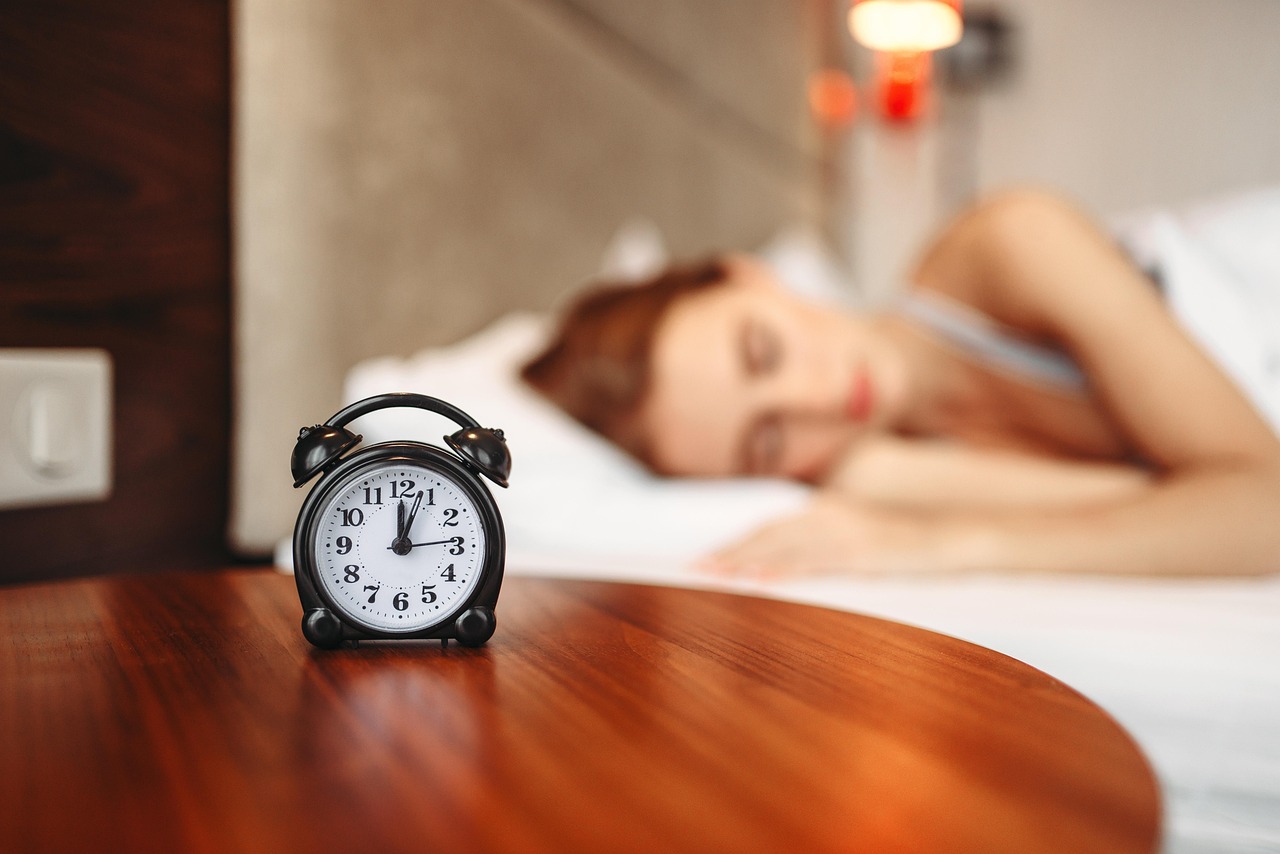
Shift work disrupts the body’s natural rhythms, creating unique challenges for sleep quality and overall health. Environmental factors often become invisible enemies, silently sabotaging rest when workers need it most.

Understanding these environmental triggers is crucial for the millions of shift workers worldwide who struggle to achieve restorative sleep. From light pollution to noise disturbances, these hidden saboteurs can transform what should be peaceful rest into fragmented, unsatisfying sleep that impacts both physical and mental well-being.
🌅 The Circadian Disruption Challenge Facing Shift Workers
Our bodies operate on a roughly 24-hour internal clock called the circadian rhythm, which regulates sleep-wake cycles, hormone production, and metabolic processes. Shift workers constantly battle against this biological programming, asking their bodies to sleep when every instinct says to stay awake.
The suprachiasmatic nucleus in the brain acts as our master clock, responding primarily to light exposure. When shift workers attempt to sleep during daylight hours, they’re swimming against a powerful biological current. This fundamental mismatch creates vulnerability to environmental disruptions that day sleepers might easily ignore.
Research indicates that circadian misalignment affects approximately 20% of the workforce in industrialized nations. These workers face a 30% higher risk of cardiovascular disease and increased susceptibility to metabolic disorders, partly due to compromised sleep quality triggered by environmental factors.
💡 Light Exposure: The Primary Sleep Destroyer
Light represents the most potent environmental trigger affecting shift worker sleep. Even small amounts of light penetrating through curtains can suppress melatonin production, the hormone essential for initiating and maintaining sleep.
Daylight contains blue wavelengths that are particularly effective at signaling wakefulness to the brain. When shift workers try to sleep during morning or afternoon hours, ambient light levels can be 100 to 1000 times higher than nighttime darkness, creating a persistent wake signal that undermines rest.
Strategic Light Management Solutions
Blackout curtains or blinds should block 99% of incoming light, creating an artificial nighttime environment. Multiple layers often work better than single solutions—combining blackout curtains with roller blinds provides redundancy against light leakage around edges.
Eye masks offer portable protection when environmental control isn’t possible. Contoured masks prevent pressure on eyeballs while blocking peripheral light that standard flat masks might miss. Some advanced models even incorporate cooling gel to reduce eye strain.
Blue light filtering glasses worn during the commute home help signal to the body that sleep time approaches. Wearing these for 2-3 hours before intended sleep time can significantly improve melatonin production and sleep onset.
🔊 Noise Pollution: The Invisible Sleep Thief
Daytime noise levels typically range from 50-70 decibels in residential areas—significantly higher than the 30-40 decibel nighttime environment. Traffic, construction, neighbors, deliveries, and lawn maintenance create a constant soundscape that fragments sleep architecture.
Research shows that noise above 35 decibels can trigger sleep disturbances, causing micro-arousals that prevent deep sleep stages. Shift workers may not fully awaken but experience numerous brief interruptions that devastate sleep quality without conscious awareness.
Creating Acoustic Sanctuaries for Daytime Sleep
White noise machines generate consistent sound that masks sudden noises. The continuous frequency spectrum prevents the brain from detecting pattern changes that would trigger arousal responses. Pink noise and brown noise offer alternatives that some sleepers find more soothing.
Earplugs provide physical barriers against sound intrusion. Foam earplugs offer noise reduction ratings of 25-33 decibels, while custom-molded silicone options provide superior comfort for extended wear and better seal quality.
Soundproofing modifications deliver long-term solutions for dedicated sleep spaces. Weather stripping around doors, acoustic panels on walls, and heavy curtains (which also block light) can reduce ambient noise by 10-20 decibels.
🌡️ Temperature Regulation and Sleep Quality
Core body temperature naturally drops during sleep onset, reaching its lowest point in early morning hours. Shift workers sleeping during warmer daytime hours fight against rising temperatures that signal wakefulness rather than rest.
The optimal sleep temperature ranges between 60-67°F (15-19°C). During summer afternoons, bedroom temperatures can easily climb 10-15 degrees above this range, preventing the body’s natural cooling process that facilitates deep sleep stages.
Thermal Environment Optimization Strategies
Air conditioning provides the most comprehensive solution, but directed cooling methods can supplement or replace it. Portable air conditioners or window units specifically for the bedroom create microclimates without cooling entire homes.
Cooling mattress pads and pillows actively regulate sleep surface temperature. Some advanced systems circulate water or use phase-change materials that absorb excess body heat throughout sleep periods.
Strategic fan placement creates airflow patterns that enhance evaporative cooling without creating direct drafts. Positioning fans to exhaust warm air while drawing cooler air from shaded areas maximizes efficiency.
📱 Technology Intrusions and Digital Disruptions
Smartphones, tablets, and computers emit blue light that suppresses melatonin while delivering stimulating content that activates cognitive processes. Notifications, alerts, and the temptation to check devices create significant barriers to quality rest.
Many shift workers feel compelled to remain available during sleep hours, creating anxiety that prevents deep relaxation. The electromagnetic fields from charging devices near the bed may also influence sleep quality, though research remains inconclusive.
Establishing Digital Boundaries for Better Sleep
Dedicated “do not disturb” hours programmed into devices prevent notification interruptions. Most smartphones allow exceptions for emergency contacts while silencing all other alerts during designated sleep windows.
Charging stations located outside the bedroom remove temptation and eliminate electromagnetic exposure concerns. Using traditional alarm clocks instead of phone alarms provides a legitimate reason to keep devices out of arm’s reach.
Sleep tracking applications can provide valuable insights when used correctly. These tools help identify patterns and quantify the impact of environmental modifications, though they should be configured to minimize interaction during sleep periods.
🏠 Household Dynamics and Social Considerations
Family members operating on conventional schedules create unavoidable noise and activity during shift worker sleep times. Children playing, partners watching television, and routine household tasks generate disturbances that wouldn’t occur during nighttime sleeping hours.
The social expectation that daytime is for activity creates pressure on shift workers to sacrifice sleep for participation in family life, errands, and social obligations. This cultural bias toward day-oriented schedules undermines the legitimacy of daytime sleep needs.
Building Family Understanding and Support Systems
Communication establishes boundaries and expectations. Family meetings where shift workers explain their sleep needs and the health consequences of disruption help build awareness and cooperation from household members.
Visual cues signal sleep status to others. Door signs, colored lights, or other indicators inform family and visitors that sleep is in progress, reducing accidental disturbances from well-meaning household members.
Designated quiet zones within homes provide dedicated sleep sanctuaries. Locating bedrooms away from kitchens, living rooms, and play areas minimizes exposure to household activity noise.
🌿 Air Quality and Chemical Environment Factors
Indoor air quality significantly affects sleep quality through multiple pathways. Dust, allergens, volatile organic compounds, and carbon dioxide concentrations all impact respiratory function and overall sleep architecture during rest periods.
Shift workers often sleep in bedrooms that receive less ventilation during occupied hours compared to nighttime sleepers. Closed windows for light and noise control can create stagnant air conditions that compromise breathing quality and comfort.
Optimizing Bedroom Air for Restorative Sleep
HEPA air purifiers remove particulates, allergens, and some chemical pollutants from bedroom air. Units rated for room size with quiet operation modes provide filtration without adding noise disruption.
Plants like snake plants and spider plants improve air quality through natural filtration while adding humidity. However, some individuals may be sensitive to mold in soil, requiring monitoring for adverse effects.
Regular cleaning routines reduce dust accumulation and allergen loads. Washing bedding weekly in hot water, vacuuming with HEPA filters, and minimizing fabric surfaces that trap particles all contribute to cleaner breathing environments.
⚡ Electromagnetic and Environmental Sensitivities
Some individuals report sleep disturbances related to electromagnetic fields from electrical devices, Wi-Fi routers, and power lines. While scientific consensus remains mixed, reducing exposure represents a low-risk intervention for those experiencing unexplained sleep difficulties.
Barometric pressure changes, seasonal transitions, and weather patterns affect some sleepers more dramatically than others. Shift workers may be more vulnerable to these subtle environmental variations due to their already compromised circadian systems.
Addressing Subtle Environmental Influences
Creating distance from electrical devices and power sources reduces EMF exposure. Maintaining at least three feet between charging electronics and the head during sleep provides a reasonable precautionary buffer.
Weather tracking helps anticipate difficult sleep periods during pressure system changes. Awareness allows for enhanced sleep hygiene practices during vulnerable times when environmental factors may be particularly challenging.
🛌 Sleep Surface and Bedding Considerations
Mattress quality, pillow support, and bedding materials directly impact physical comfort throughout sleep periods. Shift workers face unique challenges because daytime temperatures often make bedding choices that work at night uncomfortable during day sleep.
The sleep surface becomes even more critical when other environmental factors create challenges. A supportive, comfortable bed provides a foundation that helps compensate for unavoidable daytime sleep disadvantages.
Optimizing Sleep Surface for Day Sleep Demands
Breathable, moisture-wicking fabrics help manage temperature fluctuations during warmer daytime hours. Bamboo, Tencel, and specialized performance fabrics offer advantages over traditional cotton or synthetic materials.
Mattress selection should prioritize support and temperature regulation. Memory foam tends to retain heat, while latex and hybrid constructions with airflow channels provide cooler sleeping surfaces more suitable for daytime use.
🎯 Implementing a Comprehensive Environmental Control Strategy
Addressing environmental sleep saboteurs requires a systematic approach rather than isolated interventions. The cumulative effect of multiple small improvements often exceeds expectations, creating sleep environments that successfully compete with natural nighttime conditions.
Individual sensitivities vary considerably among shift workers. Experimentation with different solutions helps identify which environmental factors most significantly impact personal sleep quality and which interventions deliver the greatest returns.
Priority-Based Implementation Framework
Starting with light and noise control delivers the most immediate benefits for most shift workers. These primary factors affect nearly everyone and offer relatively straightforward, cost-effective solutions with immediate measurable impact.
Temperature regulation represents the next priority level, particularly for workers sleeping during summer months or in warmer climates. Thermal comfort dramatically affects sleep quality and can be addressed through various approaches matching different budgets.
Fine-tuning air quality, reducing digital intrusions, and addressing household dynamics provide incremental improvements that build upon the foundation created by primary interventions. These refinements help achieve optimal sleep quality.
🔄 Monitoring Progress and Adjusting Strategies
Tracking sleep quality, duration, and daytime functioning provides objective data about intervention effectiveness. Sleep diaries or apps help identify patterns and correlations between environmental modifications and sleep outcomes.
Seasonal changes require strategy adjustments as daylight duration, temperature, and household activity patterns shift throughout the year. Flexible approaches that adapt to changing conditions maintain sleep quality across different environmental contexts.
Regular assessment prevents complacency and identifies new issues as they emerge. Environmental factors that initially seemed minor may become significant over time, while early problems may resolve as circadian adaptation improves.
💪 The Long-Term Health Implications of Environmental Sleep Quality
Chronic sleep disruption from environmental triggers extends far beyond simple tiredness. Research links poor sleep quality to increased risks of cardiovascular disease, metabolic syndrome, depression, anxiety, and compromised immune function.
Shift workers already face elevated health risks from circadian disruption alone. Adding environmental sleep saboteurs creates compounding effects that dramatically accelerate negative health outcomes compared to well-rested shift workers or day-schedule workers.
Investing in environmental controls represents preventive health care with returns that extend across all life domains. Better sleep improves cognitive function, emotional regulation, physical health, relationship quality, and workplace safety—benefits that far exceed the cost of environmental modifications.

🌟 Reclaiming Restorative Rest Despite Environmental Challenges
Environmental triggers need not doom shift workers to perpetual sleep deprivation and compromised well-being. Armed with knowledge about specific saboteurs and practical intervention strategies, workers can create sleep sanctuaries that support quality rest regardless of external timing.
The journey toward optimal sleep often involves trial and error, patience, and incremental improvements rather than instant transformations. Each small victory against environmental disruption builds momentum toward consistently restorative sleep that supports health and quality of life.
Shift workers deserve recognition for the challenges they face and support in creating conditions that promote health despite unconventional schedules. By unmasking environmental sleep saboteurs and systematically addressing them, workers can reclaim the restorative rest essential for thriving in both professional and personal dimensions of life. 😴