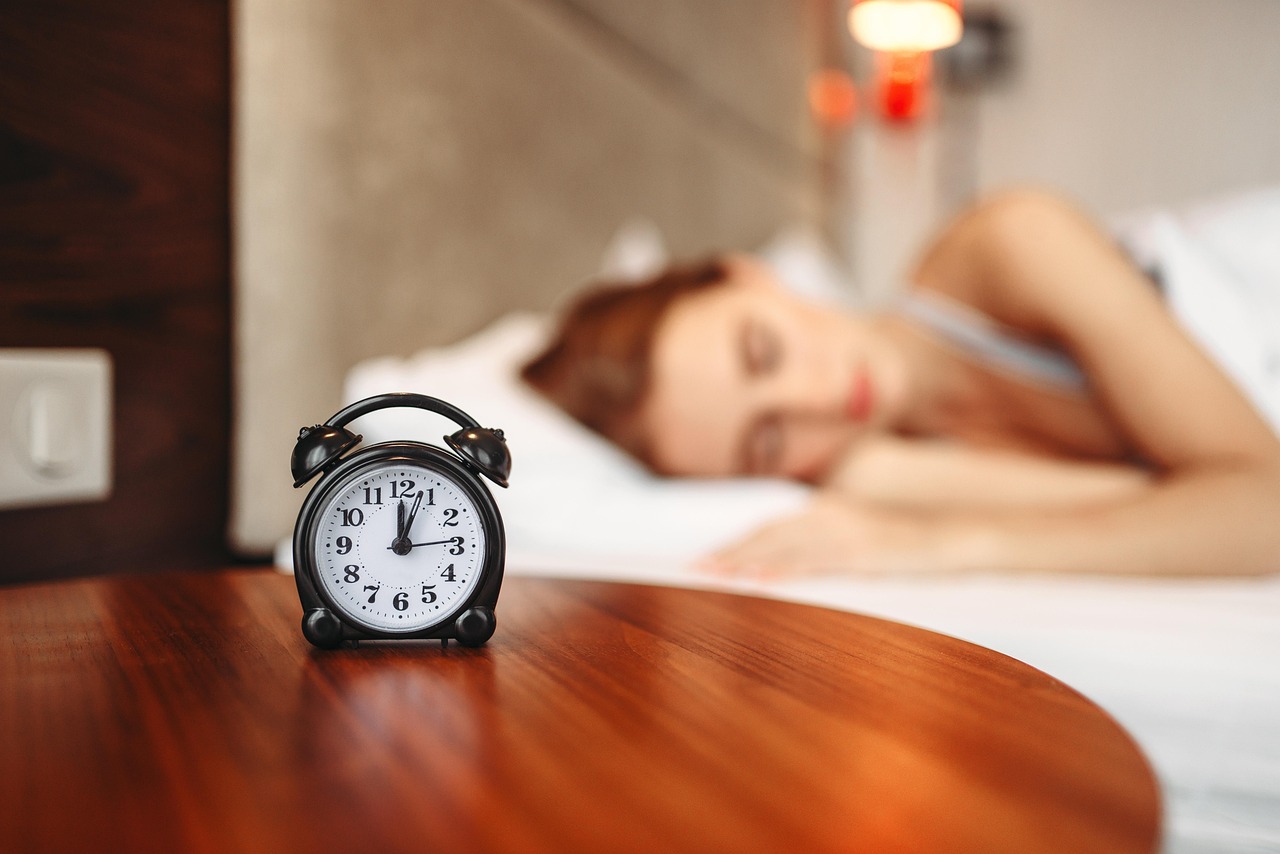
Sleep isn’t just about closing your eyes—it’s the foundation of physical health, mental clarity, and emotional balance. Yet millions struggle nightly, unaware that their bedroom environment plays a critical role in sleep quality.

Understanding how your bedroom scores on key sleep factors can revolutionize your rest. By systematically evaluating and improving your sleep space, you can create a sanctuary that naturally promotes deep, restorative sleep. This comprehensive guide will walk you through the bedroom scoring system and provide actionable strategies to transform your nights forever.
🛏️ Understanding the Bedroom Scoring System
The bedroom scoring approach evaluates your sleep environment across multiple dimensions, each contributing to overall sleep quality. This scientific method assigns points based on how well your space supports the body’s natural sleep mechanisms, creating a clear roadmap for improvement.
Research shows that environmental factors account for up to 40% of sleep quality variations among individuals. By quantifying these elements, you gain objective insight into what’s working and what needs attention. The scoring system typically ranges from 0-100, with higher scores indicating optimal sleep conditions.
Core Categories That Define Your Sleep Score
Your bedroom’s sleep score depends on seven fundamental categories: temperature control, light management, noise levels, air quality, mattress and bedding quality, room organization, and technology presence. Each category receives individual scoring, then combines for your total sleep environment rating.
Temperature control examines whether your room maintains the ideal 60-67°F (15-19°C) range that supports natural thermoregulation during sleep. Light management assesses your ability to achieve complete darkness or appropriate dim lighting. Noise evaluation measures both ambient sound levels and sudden disruptions that fragment sleep cycles.
🌡️ Temperature: The Foundation of Sleep Architecture
Your body’s core temperature naturally drops 1-2 degrees during sleep initiation, signaling the brain that it’s time to rest. A bedroom that’s too warm interferes with this critical process, while excessive cold can cause microarousals throughout the night.
The optimal sleep temperature range sits between 60-67°F for most adults. Within this range, your body efficiently dissipates heat, maintains stable sleep stages, and minimizes nighttime awakenings. Individual preferences may vary slightly based on body composition, age, and personal comfort zones.
Scoring Your Temperature Control
- 10 points: Consistent temperature within optimal range all night
- 7 points: Generally comfortable with minor fluctuations
- 5 points: Requires frequent blanket adjustments
- 3 points: Often too hot or too cold
- 0 points: Temperature extremes disrupt sleep regularly
Smart thermostats and bedroom fans can dramatically improve temperature scores. Consider breathable bedding materials like cotton or bamboo that wick moisture and regulate heat. For partners with different temperature preferences, dual-zone bedding systems offer personalized comfort without compromise.
💡 Light Management: Protecting Your Circadian Rhythm
Light exposure serves as the primary environmental cue for your circadian system, the internal clock that regulates sleep-wake cycles. Even small amounts of light during sleep hours can suppress melatonin production and fragment sleep architecture.
Complete darkness signals your brain to maintain deep sleep stages longer. Studies indicate that exposure to just 5-10 lux of light—equivalent to a dim nightlight—can disrupt sleep quality and reduce time spent in restorative slow-wave sleep by up to 20%.
Achieving Maximum Light Control Points
Install blackout curtains or shades that eliminate street lights, early sunrise, and ambient neighborhood illumination. Cover or remove electronic devices with LED indicators, as these emit blue wavelengths that particularly suppress melatonin. Position your bed away from direct window exposure when possible.
For those requiring some visibility for safety, use amber or red nightlights positioned low and away from eye level. These wavelengths minimally impact melatonin production. Smart bulbs that gradually dim on schedule can prepare your body for sleep while maintaining functionality.
🔇 Noise Reduction: Creating Your Acoustic Sanctuary
Sound pollution represents one of the most underestimated sleep disruptors. While you may consciously sleep through traffic, barking dogs, or household noises, your brain continues processing these sounds, causing cortical arousals that prevent deep sleep consolidation.
The World Health Organization recommends nighttime noise levels below 30 decibels for quality sleep—roughly equivalent to a whisper. Sounds above 35 decibels begin fragmenting sleep cycles, while sudden noises exceeding 45 decibels typically cause full awakenings or significant sleep stage transitions.
Evaluating Your Acoustic Environment
| Noise Level | Description | Score Impact |
|---|---|---|
| Below 30 dB | Whisper quiet, occasional soft sounds | 10 points |
| 30-40 dB | Quiet home, distant traffic | 7 points |
| 40-50 dB | Moderate ambient noise, conversation audible | 4 points |
| Above 50 dB | Regular disruptions, loud environment | 0-2 points |
White noise machines can mask disruptive sounds by providing consistent acoustic coverage across frequencies. Alternatively, earplugs rated for 30+ decibel reduction offer simple, effective protection. For structural noise issues, acoustic panels, heavy curtains, and weatherstripping significantly improve sound insulation.
🌿 Air Quality: The Invisible Sleep Factor
The air you breathe during sleep directly affects oxygen saturation, respiratory ease, and overall sleep efficiency. Poor air quality increases inflammation, triggers allergic responses, and can worsen conditions like sleep apnea or asthma.
Optimal bedroom air quality requires adequate ventilation, humidity between 30-50%, minimal particulate matter, and removal of volatile organic compounds (VOCs). Stale, overly dry, or contaminated air reduces sleep quality even when other environmental factors are perfect.
Improving Your Bedroom Air Score
HEPA air purifiers remove 99.97% of airborne particles, including dust, pollen, and pet dander. Run purifiers continuously during sleep hours, sizing the unit appropriately for your room’s square footage. Replace filters according to manufacturer schedules to maintain effectiveness.
Maintain humidity levels using humidifiers in dry climates or dehumidifiers in damp environments. Both extremes compromise respiratory comfort and sleep quality. Indoor plants like snake plants or pothos naturally filter air, though their impact is modest compared to mechanical filtration.
🛌 Mattress and Bedding: The Physical Foundation
Your mattress and bedding directly interface with your body for 7-9 hours nightly, making them critical scoring factors. The right combination supports spinal alignment, minimizes pressure points, and regulates temperature throughout sleep cycles.
Mattresses typically maintain optimal support for 7-10 years, depending on quality and body weight. Signs of inadequate support include morning stiffness, visible sagging, increased partner disturbance, and waking frequently to adjust position.
Bedding Quality Assessment
- Mattress provides proper spinal alignment in all sleep positions
- Pillows maintain neutral neck position without forcing head elevation
- Sheets feel comfortable and regulate temperature effectively
- Blankets offer appropriate warmth without overheating
- All bedding materials are clean and allergen-free
Invest in your mattress as the single most important sleep purchase. Test options thoroughly, considering your weight, sleep position, and any pain issues. Pair with appropriate pillows—side sleepers need thicker support, while back sleepers require medium loft, and stomach sleepers benefit from thin pillows.
📱 Technology Management: Reclaiming Your Sleep Space
Electronic devices emit blue light that suppresses melatonin production and stimulates alertness. Beyond light emission, the cognitive engagement from checking phones, watching television, or working in bed conditions your brain to associate the bedroom with wakefulness rather than sleep.
The National Sleep Foundation recommends removing screens from bedrooms entirely or ceasing use at least one hour before bedtime. This digital sunset allows melatonin production to rise naturally, preparing your body for sleep initiation.
Creating a Technology-Free Sleep Zone
Establish a charging station outside your bedroom for phones and tablets. If you use your phone as an alarm, replace it with a dedicated alarm clock. Remove televisions from the bedroom or commit to powering them off at least 60 minutes before sleep time.
For those tracking sleep patterns, specialized sleep tracking devices designed to minimize light and stimulation offer better alternatives than smartphones. These devices provide insights without the temptation of notifications and screen engagement.
🧹 Organization and Clutter: Mental Space for Rest
Visual clutter creates subtle stress responses that interfere with relaxation and sleep onset. A disorganized bedroom unconsciously reminds your brain of unfinished tasks, maintenance needs, and general chaos—hardly the mental state conducive to restful sleep.
Minimalist bedroom design isn’t just aesthetic; it’s functional for sleep quality. Clear surfaces, organized storage, and purpose-driven furniture create a calming environment that signals rest rather than stimulation.
Scoring Your Bedroom Organization
Evaluate whether clothing is stored rather than scattered, surfaces remain clear of miscellaneous items, and the room serves primarily for sleep and intimacy rather than multiple functions. Work materials, exercise equipment, and hobby supplies belong in other spaces.
Implement simple organizational systems like bedside tables with drawers, under-bed storage containers, and closet organizers. Dedicate 5-10 minutes before bed to quick tidying, maintaining the peaceful environment you’ve created. This brief routine also serves as a wind-down ritual signaling sleep preparation.
🎯 Calculating Your Total Bedroom Score
With each category assessed, calculate your total bedroom sleep score by adding individual category points. A score of 70-100 indicates an excellent sleep environment with minor optimization opportunities. Scores of 50-69 suggest significant room for improvement that will yield noticeable sleep quality gains.
Scores below 50 reveal major environmental barriers to quality sleep. Prioritize improvements based on your lowest-scoring categories, as these represent your greatest opportunity areas. Even improving one category by 5-10 points typically produces measurable sleep quality enhancements within days.
✨ Your Personalized Improvement Plan
Transform your bedroom systematically rather than attempting everything simultaneously. Start with quick wins—inexpensive changes that immediately impact your score. Blackout curtains, decluttering, and removing electronics cost little but dramatically improve sleep conditions.
Progress to moderate investments like quality bedding, white noise machines, or air purifiers. These mid-range improvements typically cost $100-500 but provide lasting benefits. Finally, consider major upgrades like new mattresses, temperature control systems, or soundproofing for comprehensive optimization.
30-Day Transformation Timeline
Week 1: Remove all electronics from the bedroom, install blackout solutions, and declutter thoroughly. These foundational changes require minimal investment but create immediate improvement.
Week 2: Optimize temperature control through thermostat adjustment, appropriate bedding selection, and fan installation if needed. Assess current mattress and pillow quality, researching replacements if necessary.
Week 3: Address noise and air quality with white noise machines, earplugs, air purifiers, or humidity control devices. Test different solutions to find what works best for your specific environment.
Week 4: Fine-tune all elements based on sleep quality tracking. Make minor adjustments to temperature settings, light blocking, and organizational systems. Establish sustainable routines that maintain your optimized environment.
📊 Tracking Your Progress and Results
Document your initial bedroom score and sleep quality metrics before making changes. Track subjective factors like how rested you feel upon waking, daytime energy levels, and mood alongside objective measures like time to fall asleep and nighttime awakenings.
Reassess your bedroom score monthly, noting improvements and identifying any categories slipping below optimal levels. Sleep quality improvements typically manifest within 3-7 days of environmental changes, with full adaptation occurring over 2-4 weeks.
Many people report falling asleep 15-30 minutes faster after optimization, reducing nighttime awakenings by 40-60%, and waking feeling significantly more restored. These improvements compound over time, enhancing daytime functioning, mood stability, and overall health outcomes.
🌙 Maintaining Your Sleep Sanctuary Long-Term
Creating an optimal sleep environment isn’t a one-time project but an ongoing commitment. Seasonal changes require adjustments to temperature control and bedding weight. Regular cleaning maintains air quality and allergen control. Periodic reassessment prevents gradual environmental degradation.
Schedule quarterly bedroom audits using your scoring system. Replace air purifier filters every 3-6 months, wash bedding weekly, and vacuum thoroughly including under the bed and around vents. These maintenance routines preserve the sleep quality you’ve worked to achieve.
As life circumstances change—moving homes, welcoming pets, adjusting work schedules—reassess how these factors impact your sleep environment. Flexibility and continuous optimization ensure your bedroom remains a consistent sleep sanctuary regardless of external changes.
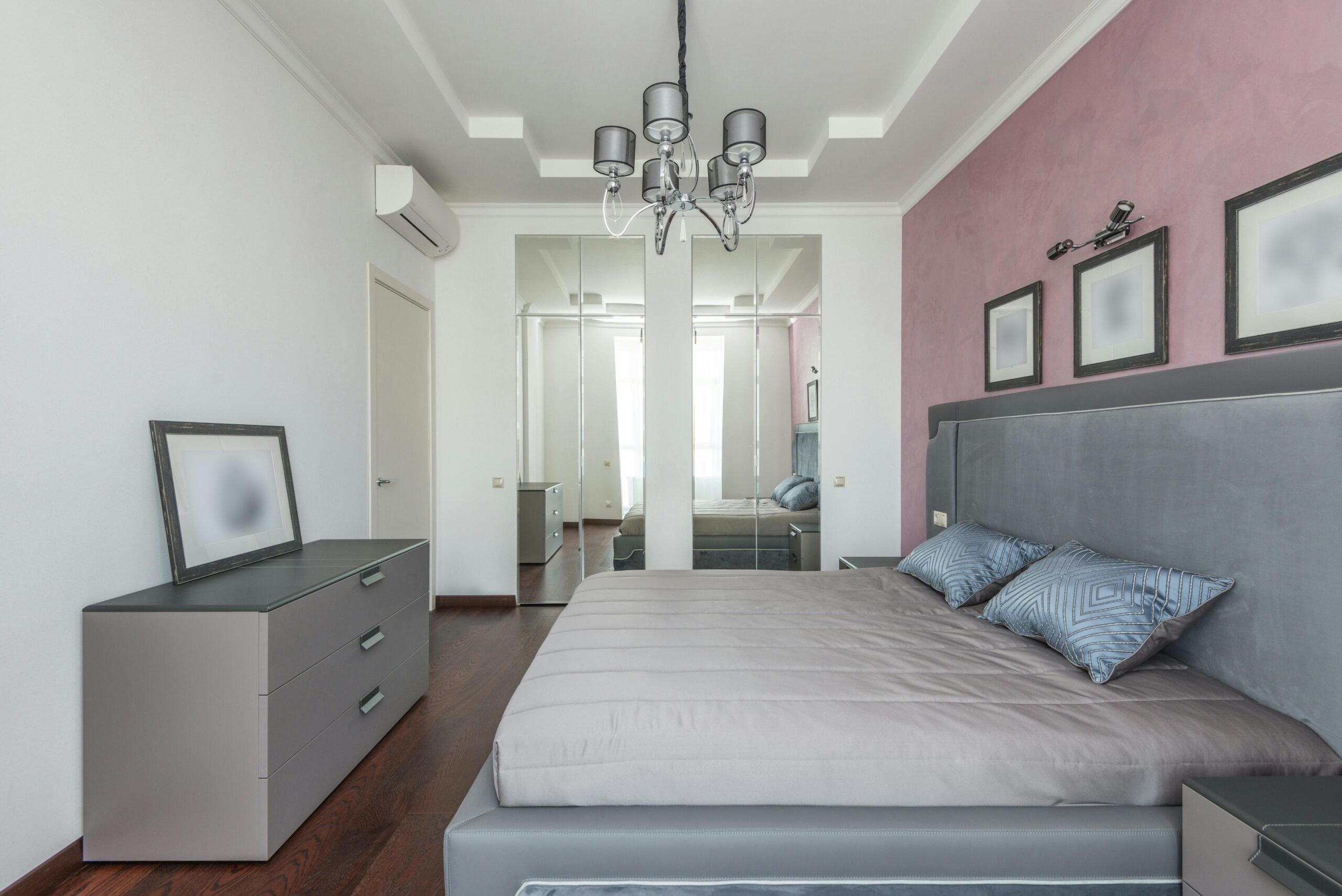
🚀 Beyond the Bedroom: Complementary Sleep Strategies
While bedroom optimization provides the foundation for quality sleep, complementary lifestyle factors multiply your results. Consistent sleep schedules, appropriate light exposure during daytime hours, regular exercise, and stress management techniques all enhance the benefits of your improved sleep environment.
Maintain consistent bed and wake times within 30 minutes, even on weekends. This regularity strengthens your circadian rhythm, making it easier to fall asleep and wake naturally. Morning light exposure further reinforces healthy sleep-wake patterns, increasing alertness during the day and sleepiness at appropriate evening hours.
Your optimized bedroom becomes most effective when paired with good sleep hygiene practices. Together, these elements create a comprehensive approach that transforms not just your nights but your overall quality of life through the restorative power of truly restful sleep.