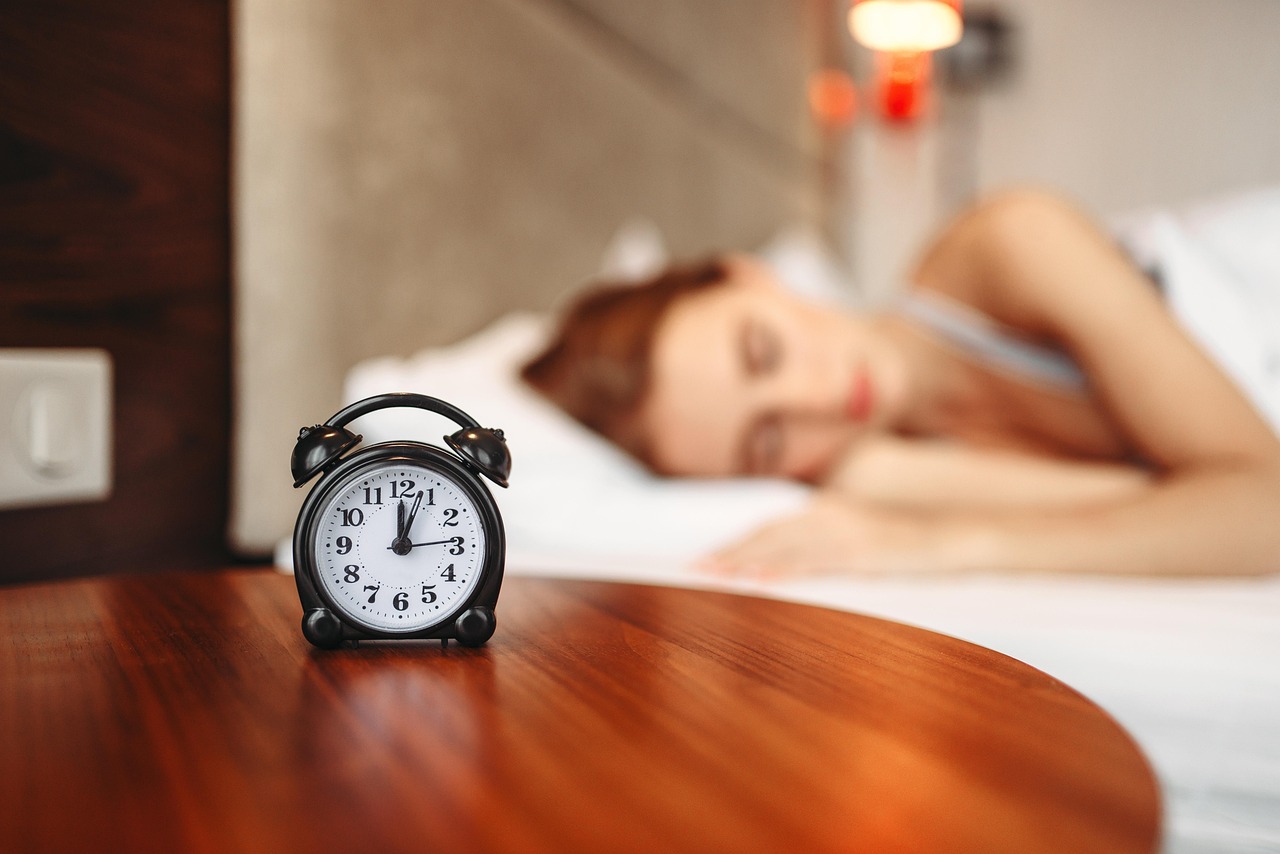
Sleep is one of the most essential pillars of health, yet millions struggle nightly with poor rest quality. Light pollution in your bedroom could be the hidden culprit sabotaging your sleep cycles and overall wellbeing.

Modern lifestyles expose us to unprecedented amounts of artificial light, particularly during evening hours when our bodies should be preparing for rest. This constant exposure disrupts our natural circadian rhythms, suppresses melatonin production, and fundamentally alters our ability to achieve deep, restorative sleep. Understanding and eliminating bedroom light pollution isn’t just about comfort—it’s about reclaiming your health, energy, and quality of life.
🌙 Understanding the Science Behind Light and Sleep
Your body operates on a finely tuned internal clock called the circadian rhythm, which regulates when you feel alert and when you feel sleepy. This biological system evolved over millennia to respond to natural light patterns—sunrise signaling wakefulness and sunset triggering sleep preparation.
When artificial light enters your bedroom environment, especially blue wavelengths emitted by electronic devices and LED bulbs, it sends confusing signals to your brain. Your suprachiasmatic nucleus, the brain region controlling circadian rhythms, interprets this light as daytime, subsequently suppressing melatonin production by up to 50% in some studies.
Melatonin isn’t just a sleep hormone—it’s also a powerful antioxidant that supports immune function, cellular repair, and metabolic health. Chronic light exposure during sleep hours has been linked to increased risks of obesity, diabetes, depression, and even certain cancers. The stakes are genuinely high when it comes to controlling your bedroom’s light environment.
💡 Identifying Hidden Light Sources in Your Sleep Sanctuary
Before you can eliminate light pollution, you need to identify every source contributing to the problem. Many people underestimate just how many light-emitting devices populate their bedrooms.
Electronic Device Indicators
That tiny LED on your television, the glowing display on your cable box, your alarm clock’s bright numbers, your phone charger’s indicator light—these seemingly insignificant sources create cumulative light pollution. Even small amounts of light can disrupt sleep architecture, particularly during the critical REM stages.
Phone and tablet screens represent the most problematic sources due to their proximity to your eyes and their blue light concentration. Studies show that using smartphones before bed can delay sleep onset by over an hour and reduce total REM sleep significantly.
External Light Intrusion
Streetlights, passing vehicle headlights, neighboring buildings, and even moonlight can infiltrate your bedroom through windows. Urban dwellers face particularly challenging light pollution from constant street illumination designed for safety but detrimental to sleep quality.
Security lights, both your own and neighbors’, often cycle on with motion detection throughout the night, creating repeated disturbances that fragment sleep patterns even when you don’t fully wake.
Bathroom and Hallway Light Bleed
Light seeping under doors from hallways, bathrooms, or other rooms creates ambient illumination that may seem negligible but accumulates with other sources to reach disruptive levels. Even light from digital clocks in adjacent rooms can bounce off walls and penetrate your sleep space.
🛠️ Your Complete Light Elimination Action Plan
Strategic Window Treatment Solutions
Blackout curtains represent your first line of defense against external light pollution. Unlike regular curtains, blackout versions feature tightly woven fabrics or foam-backed materials that block virtually all incoming light. When selecting blackout curtains, ensure they extend beyond your window frame by several inches on all sides and mount them as close to the ceiling as possible to prevent light leakage.
For maximum effectiveness, consider layering solutions: blackout roller shades installed inside the window frame combined with blackout curtains mounted outside create a comprehensive barrier. This dual approach eliminates even the persistent light streaks that single-layer solutions sometimes allow.
Blackout window film offers an alternative for those seeking permanent solutions or dealing with difficult window configurations. These adhesive films apply directly to glass and block light while maintaining daytime privacy without requiring curtain manipulation.
Tactical Electronics Management
Implement a complete electronics curfew at least one hour before your target sleep time. Remove televisions, computers, and tablets from the bedroom entirely if possible. This environmental design approach eliminates temptation while physically removing light sources.
For devices that must remain in the bedroom, cover indicator lights with black electrical tape or specialized light-blocking stickers. Many people resist this simple solution due to aesthetic concerns, but sleep quality improvements far outweigh minimal visual disruption.
Replace bright digital alarm clocks with versions featuring dimmable displays or, better yet, models with no light emission. Alternatively, position your alarm clock facing away from your bed or place it inside a drawer where sound still escapes but light does not.
Smart Lighting Implementation
Not all bedroom lighting requires elimination—strategic use of appropriate lighting can actually support better sleep. Install amber or red-spectrum night lights for necessary nighttime navigation, as these wavelengths minimally impact melatonin production compared to blue and white light.
Motion-activated path lighting with warm color temperatures (2000K or lower) provides safety for nighttime bathroom trips without flooding your space with sleep-disrupting illumination. Position these lights low to the ground to minimize eye exposure.
Smart bulbs with scheduling capabilities allow you to program progressive dimming that supports natural circadian alignment. Set lights to gradually warm in color temperature and reduce intensity as bedtime approaches, mimicking sunset’s natural progression.
Door Gap Solutions
Light seepage under doors can be surprisingly significant, especially with bright hallway lighting. Install door sweeps or draft stoppers that create complete seals along the bottom edge. These accessories serve dual purposes—blocking light while also reducing noise transmission and improving temperature control.
For particularly problematic situations, consider blackout curtains or portable room dividers positioned inside the bedroom door to create an additional light barrier.
📱 Technology Tools That Support Darkness
Several applications can help manage device-related light pollution when complete elimination isn’t practical. Blue light filtering apps adjust screen color temperatures based on time of day, reducing melatonin suppression during evening device use.
Sleep tracking applications can help you correlate light exposure with sleep quality metrics, providing objective data about how environmental changes impact your rest. Many of these apps include smart alarm features that wake you during lighter sleep stages, reducing grogginess.
Light meter apps transform your smartphone into a measurement tool, allowing you to quantify bedroom darkness levels. While professional light meters provide more precision, smartphone apps offer sufficient accuracy to identify problem areas requiring attention.
🎯 Creating Your Personalized Implementation Schedule
Transforming your bedroom into a light-free sanctuary doesn’t require completing everything simultaneously. A phased approach prevents overwhelm while allowing you to assess which interventions provide the greatest benefit for your specific situation.
Week One: Assessment and Quick Wins
Begin by conducting a comprehensive light audit. After sunset, lie in your bed with lights off and identify every visible light source. Take notes or photos to create your elimination checklist. This initial assessment often reveals surprising sources you hadn’t consciously noticed.
Tackle the simplest solutions immediately: cover device indicator lights with tape, remove unnecessary electronics, and enable night mode on devices you cannot eliminate. These zero-cost interventions provide immediate improvements and build momentum for larger projects.
Week Two: Window Treatment Installation
Dedicate this period to implementing comprehensive window solutions. Measure carefully, order appropriate blackout materials, and schedule installation. If budget constraints exist, prioritize windows with the greatest light intrusion first, then address secondary sources as resources allow.
Test your window treatments during both nighttime and daytime conditions to ensure complete coverage without gaps. Make adjustments as needed—even small light leaks can significantly reduce overall effectiveness.
Week Three: Fine-Tuning and Optimization
With major light sources addressed, focus on subtle improvements. Add door sweeps, reposition remaining necessary devices, and implement smart lighting schedules. This refinement phase transforms good darkness into exceptional darkness.
Experiment with different configurations to find your optimal setup. Some people discover that slightly adjusting curtain overlap or repositioning furniture to block reflected light makes meaningful differences.
🧪 Measuring Your Success and Making Adjustments
Objective measurement helps you understand whether your interventions genuinely improve sleep quality. Track sleep metrics including time to fall asleep, number of nighttime awakenings, total sleep duration, and subjective morning alertness ratings.
Light meters or smartphone light measurement apps can quantify your bedroom’s darkness level. Research suggests optimal sleep occurs in environments with less than 0.5 lux of illumination—roughly equivalent to extremely dim candlelight from another room.
Maintain a sleep journal documenting both environmental factors and sleep quality indicators. This written record helps identify correlations between specific interventions and measurable outcomes, allowing you to refine your approach based on personal response patterns rather than generic recommendations.
⚠️ Common Mistakes and How to Avoid Them
Overlooking Subtle Light Sources
Many people address obvious light pollution while ignoring accumulated effects from multiple small sources. A smoke detector LED, a power strip indicator, a humidifier display, and reflected streetlight together create significant cumulative illumination despite individual insignificance.
Solution: Adopt a zero-tolerance approach. Cover, eliminate, or reposition every visible light source regardless of how minor it seems. Complete darkness provides exponentially better sleep benefits than near-darkness.
Inconsistent Implementation
Using blackout curtains most nights but occasionally leaving them open, or covering device lights during the week but not weekends, prevents your circadian system from establishing consistent patterns. Your biology requires regularity to optimize sleep architecture.
Solution: Create habits and environmental designs that make darkness the default state requiring no conscious effort. Automated curtain systems, permanent light blocking solutions, and established routines ensure consistency without relying on willpower.
Compromising Darkness for Convenience
Keeping phones charging on nightstands “just in case,” maintaining bright alarm clocks for easy time checks, or leaving bathroom lights on for nighttime navigation all represent convenience prioritization over sleep quality.
Solution: Establish alternative systems that provide necessary functions without light pollution. Use vibration-based alarm clocks, implement voice-activated time announcements, and install motion-activated amber pathway lighting that doesn’t disrupt circadian rhythms.
💪 Beyond Darkness: Complementary Sleep Optimization Strategies
While eliminating light pollution dramatically improves sleep quality, combining darkness with other evidence-based strategies creates synergistic benefits that transform rest even further.
Temperature regulation plays a crucial role in sleep quality. Your body’s core temperature naturally decreases during sleep initiation. Maintaining bedroom temperatures between 60-67°F (15-19°C) supports this physiological process and deepens sleep stages.
Noise management deserves attention alongside light control. White noise machines, earplugs, or acoustic treatments mask disruptive sounds that fragment sleep. The combination of complete darkness and consistent sound environments creates optimal conditions for uninterrupted rest.
Consistent sleep-wake schedules strengthen circadian rhythms disrupted by irregular patterns. Even with perfect darkness, varying bedtimes and wake times by more than 30 minutes day-to-day undermines your biological clock’s stability.

🌟 The Life-Changing Results of Prioritizing Darkness
Committing to light pollution elimination isn’t merely about sleeping better—it’s about transforming virtually every aspect of your waking life. Quality sleep impacts cognitive performance, emotional regulation, physical health, relationships, and long-term disease risk.
Within weeks of implementing comprehensive light control, most people report falling asleep faster, waking less frequently, experiencing more vivid dreams indicating robust REM sleep, and feeling genuinely refreshed upon waking rather than groggily starting days.
Long-term benefits extend beyond subjective improvements to measurable health markers. Studies on night-shift workers who optimize sleep environments during daytime rest show improvements in metabolic markers, reduced inflammation, better immune function, and decreased chronic disease risks.
Your bedroom should function as a sanctuary dedicated exclusively to rest and intimacy—a cave-like refuge from our overlit modern world. By systematically eliminating every source of light pollution, you’re not just improving sleep; you’re reclaiming the darkness that your biology requires to function optimally. The investment of time, attention, and modest financial resources pays dividends in energy, health, and life quality that compound daily for years to come. 🌙✨