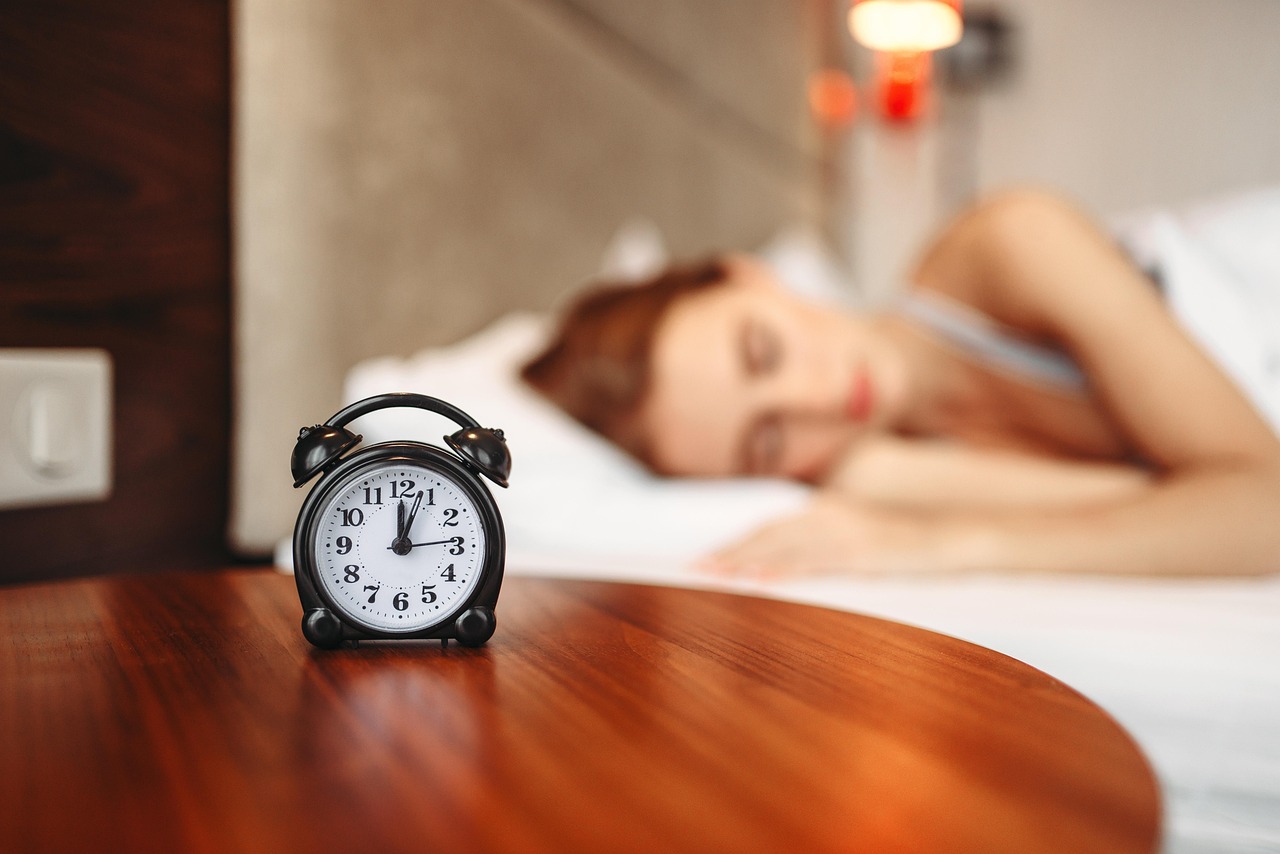
Modern life bombards us with constant stimulation, making quality sleep increasingly elusive. Learning to reduce sensory input before bedtime can transform your sleep quality and overall well-being dramatically.

Our brains weren’t designed to handle the relentless stream of notifications, bright screens, and environmental noise we encounter daily. This sensory overload creates a state of hyperarousal that makes transitioning to sleep incredibly difficult. By mastering pre-sleep sensory reduction, you’re essentially giving your nervous system permission to downshift, preparing your body and mind for the restorative rest you desperately need.
🧠 Understanding Your Brain’s Need for Sensory Downtime
Your brain processes approximately 11 million bits of information every second, yet your conscious mind can only handle about 40 bits. This massive discrepancy means your subconscious is constantly working overtime, filtering and processing sensory data even when you’re trying to relax.
The reticular activating system (RAS) in your brainstem acts as a gatekeeper for sensory information. When this system remains activated by continuous stimulation, it keeps your brain in an alert state, making sleep onset nearly impossible. Understanding this mechanism helps explain why simply lying in bed doesn’t automatically trigger sleepiness when your environment remains sensorially rich.
Cortisol, your body’s primary stress hormone, should naturally decrease in the evening as melatonin rises. However, sensory stimulation—particularly blue light from screens—disrupts this delicate hormonal balance. This disruption creates a physiological barrier to sleep that willpower alone cannot overcome.
🌅 Creating Your Sensory Sunset Routine
Think of your pre-sleep period as creating a gradual sensory sunset, slowly dimming the inputs your brain receives. This approach works with your body’s natural circadian rhythm rather than against it.
Begin your sensory reduction approximately two to three hours before your intended bedtime. This timeframe allows your nervous system adequate time to transition from sympathetic (fight-or-flight) to parasympathetic (rest-and-digest) dominance. Rushing this process or attempting to go from full stimulation to sleep in minutes rarely produces quality results.
The Progressive Dimming Technique
Start by reducing lighting intensity throughout your home. Replace bright overhead lights with softer lamps or use dimmer switches. Warm-toned bulbs (below 3000K color temperature) support melatonin production, while cooler, blue-toned lighting suppresses it. This simple environmental adjustment signals your brain that nighttime is approaching.
Lower the volume on televisions, music, and conversations gradually. Your auditory system is incredibly sensitive, and even background noise you think you’ve tuned out continues to activate your brain’s alertness centers. Consider setting a specific time when you’ll eliminate screens entirely, making this a non-negotiable boundary in your routine.
📱 The Digital Detox Strategy
Digital devices represent perhaps the most significant barrier to effective sensory reduction. The combination of blue light emission, engaging content, and the unpredictable reward schedule of notifications creates a powerful sleep disruptor.
Research from Harvard Medical School demonstrates that blue light suppresses melatonin for approximately twice as long as green light and shifts circadian rhythms by twice the amount. The content you consume matters equally—stimulating or emotionally charged material activates your amygdala, triggering stress responses incompatible with sleep.
Implementing Screen Boundaries
Establish a device curfew at least 90 minutes before bed. Place phones in another room or use a traditional alarm clock to eliminate the temptation of “one last check.” If complete device elimination seems impossible initially, use apps that filter blue light and reduce screen brightness substantially.
Create a charging station outside your bedroom. This physical barrier removes the unconscious habit of reaching for your phone and reinforces your bedroom as a sanctuary for rest rather than stimulation. The inconvenience becomes an asset, adding friction to behaviors that undermine sleep quality.
🎵 Mastering Your Acoustic Environment
Sound sensitivity increases as you approach sleep, making acoustic management crucial for successful sensory reduction. Even sounds you consciously ignore can fragment sleep architecture and prevent deep, restorative sleep stages.
White noise machines or apps can mask unpredictable environmental sounds with consistent acoustic patterns that your brain learns to filter more effectively. The key is consistency—your brain adapts to predictable sounds while remaining alert to unexpected ones.
Strategic Silence Protocols
Consider implementing “quiet hours” in your home where household members minimize noise collectively. This shared commitment creates a more conducive environment for everyone’s sleep preparation. Simple adjustments like closing doors gently, walking softly, and speaking in lower tones make substantial differences.
For unavoidable noise pollution from neighbors or traffic, high-quality earplugs designed for sleeping provide effective solutions. Modern options use soft materials that remain comfortable throughout the night while reducing ambient sound by 25-33 decibels.
💡 Optimizing Your Visual Environment
Your eyes contain photoreceptors that communicate directly with your brain’s master clock, the suprachiasmatic nucleus. Managing light exposure before sleep leverages this biological pathway to support natural sleep onset.
Begin dimming lights progressively as evening advances. Use the “campfire principle”—in nature, humans gathered around fires as darkness fell, experiencing warm, flickering light at low levels. Replicating this with candles (safely positioned) or salt lamps creates an evolutionarily familiar environment that supports melatonin production.
Blackout Strategies That Work
Even small amounts of light can disrupt sleep quality. Install blackout curtains or blinds to eliminate streetlights and early morning sun. Cover electronic displays with tape or turn devices away from your bed. Your sleeping environment should be dark enough that you cannot see your hand in front of your face.
If complete darkness feels uncomfortable, use a dim red nightlight. Red wavelengths have minimal impact on melatonin production compared to other colors, providing necessary orientation without circadian disruption.
🌡️ Temperature and Tactile Considerations
Your skin is your body’s largest sensory organ, containing millions of receptors that continuously send information to your brain. Managing tactile sensations significantly impacts sleep readiness.
Core body temperature must drop approximately 2-3 degrees Fahrenheit for sleep onset. Maintain bedroom temperatures between 60-67°F (15-19°C) to facilitate this natural decrease. Cool environments support the physiological changes necessary for deep sleep, while warm rooms create discomfort that maintains alertness.
Bedding and Fabric Selection
Choose breathable, natural fabrics for bedding and sleepwear. Cotton, bamboo, and linen allow heat dissipation and moisture wicking, reducing tactile disturbances from sweating or overheating. Thread count matters less than breathability for sleep quality.
Weighted blankets provide deep pressure stimulation that activates your parasympathetic nervous system, creating feelings of calm and security. The gentle, constant pressure reduces cortisol while increasing serotonin and dopamine—neurotransmitters that support relaxation and mood regulation.
👃 Aromatherapy and Olfactory Reduction
Your sense of smell connects directly to the limbic system, your brain’s emotional center. This unique pathway makes aromatherapy particularly powerful for influencing relaxation states.
Lavender essential oil has demonstrated efficacy in numerous sleep studies, showing measurable improvements in sleep quality and duration. Other beneficial scents include chamomile, bergamot, and cedarwood. Use a diffuser or apply diluted oils to pulse points as part of your wind-down routine.
Equally important is eliminating strong or stimulating odors. Avoid cooking spicy foods near bedtime, remove flowers with strong fragrances from bedrooms, and ensure adequate ventilation to prevent stuffy, stale air that can disrupt breathing and sleep quality.
🧘 Mind-Body Practices for Sensory Integration
After reducing external sensory input, internal sensory awareness techniques help calm residual mental activity and physical tension that interfere with sleep.
Progressive muscle relaxation systematically tenses and releases muscle groups, helping you identify and release physical tension you might not consciously notice. Start with your toes and work upward, spending 5-10 seconds tensing each area before releasing and noticing the contrast.
Breath-Focused Sensory Anchoring
The 4-7-8 breathing technique provides a simple yet powerful method for activating your parasympathetic nervous system. Inhale through your nose for 4 counts, hold for 7 counts, and exhale through your mouth for 8 counts. This pattern reduces heart rate and blood pressure while providing a neutral focal point that prevents rumination.
Body scan meditation directs attention sequentially through your body without judgment. This practice reduces the sensory “noise” created by unconscious tension and wandering thoughts, creating mental clarity conducive to sleep.
📊 Tracking Your Sensory Reduction Success
Monitoring your progress helps identify which sensory reduction strategies produce the most significant benefits for your unique physiology and circumstances.
Keep a simple sleep journal noting your pre-sleep activities, sensory reduction efforts, and subsequent sleep quality. After two weeks, patterns typically emerge showing which interventions correlate with better rest. This data-driven approach removes guesswork and helps you optimize your routine efficiently.
| Sensory Category | Reduction Strategy | Implementation Time |
|---|---|---|
| Visual | Progressive dimming, blue light elimination | 2-3 hours before bed |
| Auditory | Quiet hours, white noise, earplugs | 1-2 hours before bed |
| Digital | Device curfew, charging station relocation | 90 minutes before bed |
| Temperature | Cool bedroom, breathable fabrics | Ongoing environmental adjustment |
| Olfactory | Calming aromatherapy, odor elimination | 30-60 minutes before bed |
🔄 Adapting Your Approach for Different Situations
Life circumstances change, and your sensory reduction strategy must remain flexible while maintaining core principles. Travel, shift work, and seasonal variations all require adaptations to your baseline routine.
When traveling, bring familiar sensory cues like a preferred pillow, white noise app, or essential oil roller. These portable elements of your home routine help signal sleep readiness even in unfamiliar environments. Prioritize controlling what you can—using sleep masks, earplugs, and requesting quieter rooms.
Shift Work Considerations
Night shift workers face unique challenges but can still benefit from sensory reduction principles. Create an artificial “evening” by progressively reducing sensory input before your designated sleep time, regardless of actual clock time. Use blackout curtains to create darkness during daytime sleep, and communicate your sleep schedule to household members to minimize disturbances.
🌟 Building Consistency Through Habit Stacking
The most effective sensory reduction routines become automatic through consistent practice. Habit stacking—linking new behaviors to existing habits—accelerates this process significantly.
Connect sensory reduction activities to established routines. For example: “After I brush my teeth, I’ll dim the bedroom lights,” or “When I set my phone on the charging station, I’ll start my aromatherapy diffuser.” These mental links reduce the willpower required and increase long-term adherence.
Start with just one or two sensory reduction practices rather than attempting complete overnight transformation. Master these foundational elements, then gradually add additional layers. Sustainable change occurs through incremental improvements that compound over time.
🎯 Troubleshooting Common Obstacles
Even well-designed sensory reduction routines encounter challenges. Anticipating common obstacles prepares you to maintain consistency despite difficulties.
If racing thoughts persist despite environmental modifications, consider scheduling a “worry dump” 2-3 hours before bed. Write concerns and to-do items in a journal, explicitly postponing their consideration until tomorrow. This mental offloading reduces the internal sensory noise created by unresolved mental loops.
Partners with different sleep preferences require compromise and communication. Discuss sensory needs openly and find solutions that work for both parties—perhaps one person uses a sleep mask while the other reads with a book light, or you stagger bedtimes to accommodate different sensory reduction timelines.
💪 The Long-Term Benefits Beyond Better Sleep
Mastering pre-sleep sensory reduction extends benefits far beyond improved sleep quality. These practices cultivate present-moment awareness, reduce overall stress reactivity, and strengthen your ability to self-regulate in various contexts.
Regular sensory reduction practice enhances your interoception—awareness of internal body signals. This improved mind-body connection helps you recognize stress, fatigue, and other states earlier, enabling more effective self-care across all life areas.
The discipline developed through consistent sensory reduction routines transfers to other health behaviors. People who successfully establish sleep hygiene practices often find it easier to maintain exercise routines, healthy eating patterns, and stress management strategies.

🌙 Your Personal Sleep Sanctuary Awaits
Transforming your pre-sleep hours through intentional sensory reduction represents one of the most powerful interventions for improving sleep quality and overall health. Unlike medication or expensive treatments, these strategies cost little to nothing while providing sustainable, side-effect-free benefits.
Begin tonight with one simple change—perhaps dimming lights earlier or establishing a device curfew. Notice the effects, then gradually expand your practice. Your nervous system will thank you with deeper, more restorative sleep that enhances every aspect of your waking life.
Remember that consistency matters more than perfection. Some nights will flow smoothly while others present challenges. Approach your sensory reduction practice with patience and self-compassion, viewing it as an evolving skill rather than a rigid set of rules. The investment you make in creating optimal pre-sleep conditions pays dividends in energy, mood, cognitive function, and long-term health for years to come.