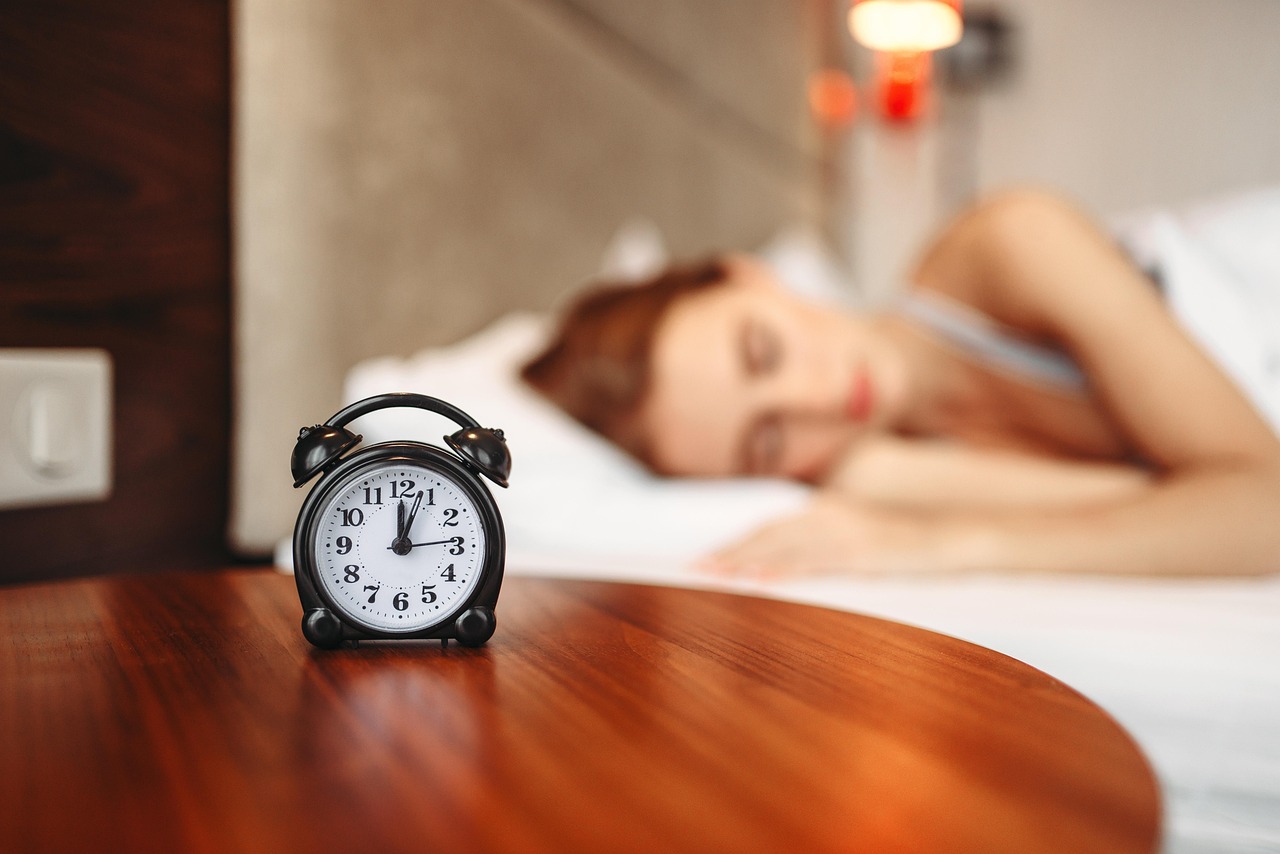
Working night shifts can significantly disrupt your body’s natural circadian rhythm, but understanding how to manage light exposure effectively can transform your health and performance during these challenging hours.

The modern workforce increasingly demands 24-hour operations, with millions of people worldwide navigating the complexities of overnight work schedules. Night shift workers face unique challenges that extend beyond simple sleep disruption, including increased risks of metabolic disorders, cardiovascular issues, and mental health concerns. The primary culprit behind many of these health complications is improper light exposure at the wrong times of day.
🌙 Understanding Your Circadian Rhythm and Light Sensitivity
Your body operates on an internal biological clock known as the circadian rhythm, which regulates everything from hormone production to body temperature. This approximately 24-hour cycle is primarily controlled by light exposure, specifically by specialized cells in your retina that communicate directly with the brain’s suprachiasmatic nucleus (SCN).
When you work night shifts, you’re essentially asking your body to function opposite to its evolutionary programming. Light is the most powerful zeitgeber—a German term meaning “time giver”—that signals to your brain whether it should be alert or preparing for sleep. Blue wavelength light, particularly prevalent in daylight and electronic devices, is especially potent at suppressing melatonin production, the hormone responsible for regulating sleep.
Research consistently shows that night shift workers who don’t manage their light exposure properly experience chronic circadian misalignment, leading to a condition sometimes called “shift work disorder.” This misalignment doesn’t just affect sleep quality; it cascades into numerous health complications including increased inflammation, insulin resistance, and compromised immune function.
Strategic Light Management During Your Night Shift
The key to thriving during night shifts lies in strategic light manipulation. You need bright light when you want to be alert and minimal light exposure when you’re preparing for sleep, regardless of what time the clock shows.
Maximizing Alertness with Bright Light Exposure
During your working hours, especially during the circadian low point between 3 AM and 5 AM, exposure to bright light can significantly enhance alertness, cognitive performance, and mood. Aim for light levels between 1000-2500 lux at eye level. This is considerably brighter than typical indoor lighting, which usually ranges from 300-500 lux.
Position yourself near bright light sources during your shift. If your workplace allows, use a light therapy lamp or box specifically designed for circadian management. These devices emit bright, full-spectrum light that mimics natural daylight without the harmful UV radiation. The most effective timing for bright light exposure is during the first half of your shift and especially during those vulnerable early morning hours when your body desperately wants to sleep.
Some night shift workers benefit from wearing specialized light therapy glasses that deliver targeted bright light directly to the eyes. These portable devices allow you to receive circadian-supporting light while remaining mobile and performing your work duties.
Creating the Right Light Environment at Your Workplace
If you have any influence over your work environment, advocate for lighting that supports circadian health. Overhead fluorescent lights with higher color temperatures (5000-6500K) that emit more blue wavelengths can help maintain alertness. However, this should be balanced with the understanding that you’ll need to minimize this type of light exposure as your shift ends.
For workers with less control over workplace lighting, personal lighting strategies become essential. Small desk lamps with adjustable brightness and color temperature can supplement inadequate overhead lighting during critical alertness periods.
🛡️ Protecting Your Sleep: The Journey Home and Wind-Down Period
The transition from work to sleep is perhaps the most critical period for night shift workers. After spending hours in bright light to maintain alertness, you must now convince your body that it’s time to sleep—while the sun is rising and the world around you is waking up.
Blocking Morning Light During Your Commute
The bright morning sunlight you encounter on your way home can significantly delay your ability to fall asleep and reduce your overall sleep quality. This exposure tells your brain to suppress melatonin production and increase cortisol, making sleep nearly impossible for hours afterward.
Invest in high-quality wrap-around sunglasses that block at least 90% of blue light. Some night shift workers prefer amber-tinted glasses specifically designed to filter blue and green wavelengths while allowing you to see clearly enough to drive or navigate public transportation safely. These glasses can reduce light exposure by up to 70% without compromising safety.
If you’re driving home, consider additional measures like using your sun visor effectively and taking routes that minimize direct sunlight exposure. Some workers even plan their commute timing to avoid the brightest sunlight hours when possible.
Optimizing Your Sleep Environment
Your bedroom must become a cave-like sanctuary that blocks all external light sources. This isn’t optional—it’s essential for quality daytime sleep after night shifts.
Install blackout curtains or blinds that prevent any daylight from entering your sleep space. The difference between room-darkening and true blackout materials is significant; invest in curtains specifically designed to block 100% of light. Layer your window treatments if necessary, using both blinds and curtains for maximum light blocking.
Address all sources of light pollution in your bedroom. Cover or remove electronic devices with LED displays, use blackout tape on any small indicator lights, and ensure no light seeps under doorways. Even small amounts of light exposure during sleep can suppress melatonin and fragment your rest.
Consider using a sleep mask as an additional layer of protection, especially if you’re traveling or temporarily unable to control your environment completely. Modern sleep masks made from contoured memory foam create complete darkness while remaining comfortable for side sleepers.
📱 Technology Tools for Light Management
Several smartphone applications can help you manage light exposure more effectively by adjusting your screen’s color temperature and brightness based on your specific schedule.
Blue light filtering apps allow you to customize when your devices automatically shift to warmer color temperatures. Unlike standard “night mode” features that activate based on sunset times, these apps can be programmed for your unique night shift schedule, ensuring your phone doesn’t disrupt your sleep preparation when you’re using it during the day.
Light meter applications can help you measure the brightness of your work environment and sleep space, allowing you to make informed decisions about whether you need additional lighting during work hours or better light blocking during sleep time. Understanding the actual lux levels you’re experiencing removes the guesswork from light management.
💊 Supporting Your Circadian System Beyond Light Management
While light exposure is the primary driver of circadian rhythms, other strategies can support your body’s adaptation to night shift work and enhance the effectiveness of your light management protocol.
Strategic Melatonin Supplementation
Low-dose melatonin (0.5-3mg) taken 30-60 minutes before your desired sleep time can help signal to your body that it’s time to rest, even when environmental cues suggest otherwise. The timing is crucial—take melatonin when you want to start feeling sleepy, not when you’re already in bed struggling to fall asleep.
Avoid higher doses, as more isn’t necessarily better with melatonin. Research suggests that smaller doses are often more effective and produce fewer next-day grogginess effects. Always consult with a healthcare provider before starting any supplement regimen, especially if you’re taking other medications.
Consistent Sleep-Wake Scheduling
Maintaining consistent sleep and wake times—even on your days off—significantly improves circadian adaptation and overall health outcomes for night shift workers. While it’s tempting to revert to a normal day schedule on your days off, this constant shifting creates perpetual jet lag and prevents your body from fully adapting.
If you must shift your schedule on days off, do so gradually and minimize the shift to no more than 2-3 hours. The more consistent you can keep your sleep schedule, the better your body will adapt to your work demands.
Nutrition and Meal Timing
Your eating schedule also influences your circadian rhythm. Consuming meals during your active hours (night shift) and fasting during your sleep period helps reinforce your shifted schedule. Avoid heavy meals in the 2-3 hours before your planned sleep time, as digestion can interfere with sleep quality.
Focus on protein-rich foods during the first half of your shift for sustained energy, and avoid simple carbohydrates that can cause blood sugar crashes. Stay well-hydrated throughout your shift but reduce fluid intake as you approach your sleep time to minimize sleep disruptions from bathroom visits.
🏃 Physical Activity as a Circadian Reinforcer
Exercise is a powerful secondary zeitgeber that can support your shifted schedule. Strategic timing of physical activity can help reinforce alertness during your shift and promote better sleep afterward.
Moderate exercise during your shift or shortly before can enhance alertness and cognitive performance. Many night shift workers find that a brief workout or even just 10-15 minutes of movement during their break helps them push through the circadian low point in the early morning hours.
However, avoid intense exercise in the 2-3 hours immediately before your sleep time, as it can be too stimulating and delay sleep onset. Light stretching or yoga can be beneficial for the wind-down period, but save vigorous workouts for earlier in your wake period.
Monitoring Your Progress and Adjusting Your Strategy
Successfully adapting to night shift work requires ongoing attention and adjustment. What works during your first few months may need refinement as your body adapts or as your work schedule changes.
Keep a sleep log tracking your sleep duration, quality, daytime alertness, and any health symptoms you experience. This data helps you identify patterns and make informed adjustments to your light management and other strategies. Note how different interventions affect your sleep quality and daytime functioning.
Consider using wearable sleep trackers that monitor your sleep stages, heart rate variability, and other metrics that indicate how well your body is adapting to your shifted schedule. While these devices aren’t perfectly accurate, they can provide useful trends over time.
Regular check-ins with your healthcare provider are essential, particularly for monitoring metabolic markers like blood glucose, lipid levels, and blood pressure, which can be affected by shift work. Early detection of problems allows for intervention before serious health issues develop.
🎯 Advanced Strategies for Shift Work Optimization
For those seeking to further optimize their night shift experience, several advanced strategies can complement basic light management practices.
Scheduled Napping Protocols
Strategic napping can significantly improve alertness and performance during night shifts. A 20-30 minute nap during your break can provide substantial benefits without causing sleep inertia (that groggy feeling after waking). Schedule this nap during the circadian low point, typically between 3-5 AM.
Some workers benefit from a longer 90-minute nap before their shift begins, allowing for a complete sleep cycle. This prophylactic nap can build up alertness reserves for the challenging hours ahead. Experiment to find what works best for your body and schedule.
Gradual Schedule Shifting
When transitioning to a series of night shifts, gradually shifting your sleep schedule by 1-2 hours per day can ease the transition and reduce the shock to your circadian system. This is most practical when you know your night shift schedule well in advance.
Similarly, when transitioning back to days off, gradual shifting rather than an abrupt change reduces the circadian disruption. However, balance this against the benefit of schedule consistency—frequent shifting may be more harmful than maintaining a consistent shifted schedule.
The Long-Term Perspective on Night Shift Health
While effective light management and supporting strategies can significantly mitigate the health impacts of night shift work, it’s important to maintain realistic expectations and a long-term health perspective.
Research consistently shows that even with optimal strategies, rotating shift work and permanent night shifts carry some increased health risks compared to traditional day schedules. This doesn’t mean night shift work is impossible or necessarily harmful, but it does mean that night shift workers should be particularly vigilant about preventive health measures.
Regular health screenings, maintaining healthy lifestyle habits, managing stress, and having strong social support all become even more important when working non-traditional hours. Your light management strategy is a crucial foundation, but it should be part of a comprehensive approach to health maintenance.
Consider your long-term career trajectory and whether modifications to your schedule might be possible as you age. Some workers find that straight night shifts are easier to adapt to than rotating schedules. Others discover that periodically taking breaks from night shift work helps prevent cumulative health impacts.

Building a Sustainable Night Shift Lifestyle
Success as a night shift worker extends beyond individual strategies to creating an overall lifestyle that supports your shifted schedule. This includes managing relationships, social obligations, and personal time in ways that honor your unique schedule needs.
Communicate clearly with family and friends about your sleep schedule and the importance of not disturbing you during your sleep time. Many night shift workers struggle because their daytime sleep is treated as less important than nighttime sleep by those around them. Educate your household about the biological necessity of your sleep and establish firm boundaries.
Create rituals and routines that support your shifted lifestyle. Just as day workers have morning routines, develop your own pre-shift routine that helps you mentally prepare for work. Similarly, your post-shift wind-down routine should be consistent and calming, signaling to your body that it’s time to transition toward sleep.
The challenge of night shift work is significant, but with strategic light management as your foundation and comprehensive supporting strategies, you can not only survive but thrive during nighttime hours. Your health and performance depend on respecting your circadian biology while systematically implementing evidence-based interventions that help your body adapt to your work demands. By mastering the night through deliberate light exposure control and holistic lifestyle optimization, you can minimize the health risks of shift work while maintaining quality of life and professional success.