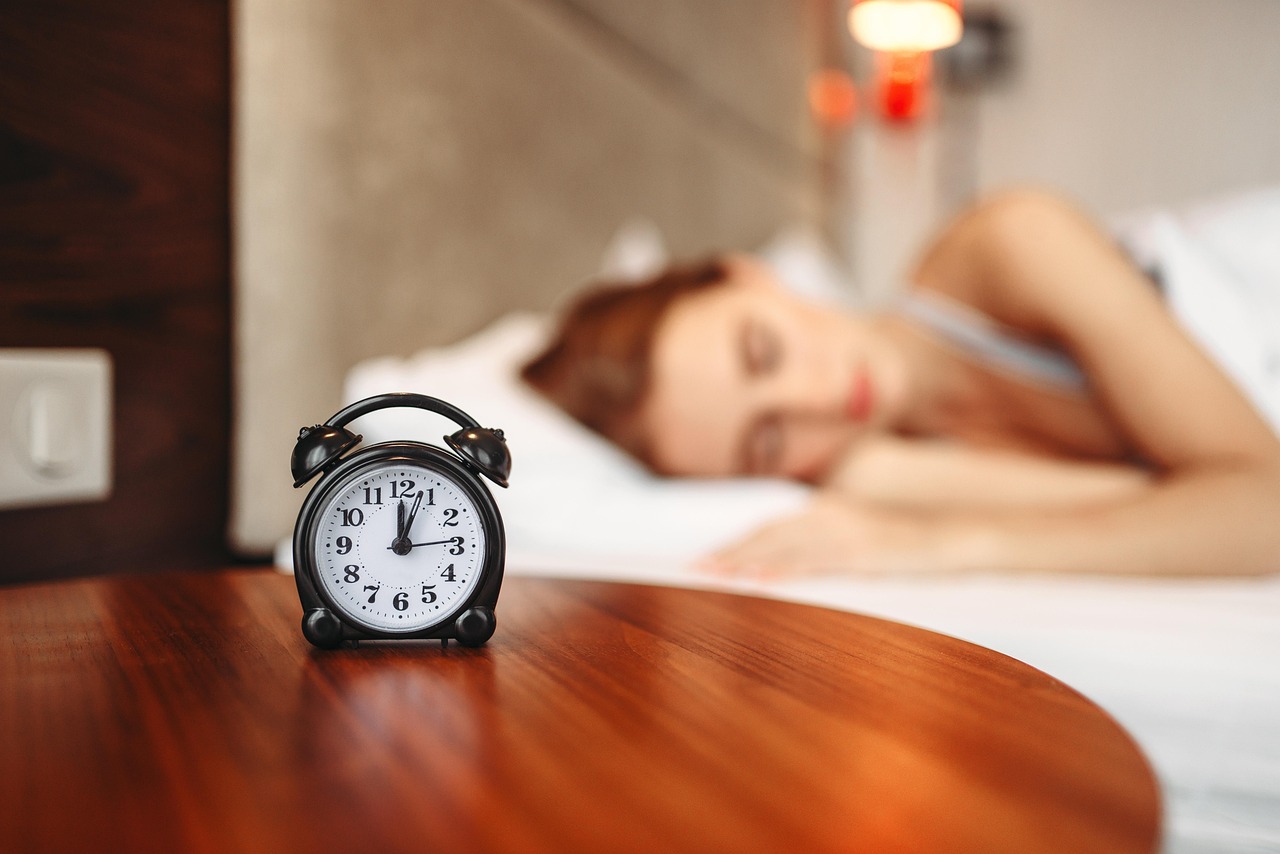
Understanding when you sleep might be just as important as how long you sleep. Revolutionary research reveals that analyzing sleep timing patterns can unlock powerful predictions about your energy levels and fatigue risks throughout the day.

Modern life demands peak performance, yet millions struggle with unexplained exhaustion despite adequate sleep duration. The breakthrough lies not in counting hours, but in understanding your body’s intricate relationship with circadian rhythms and sleep-wake timing patterns that govern energy distribution.
🔬 The Science Behind Sleep Timing and Energy Regulation
Your body operates on a sophisticated biological clock that extends far beyond simple tiredness signals. This internal timekeeper, known as the circadian rhythm, orchestrates hormone release, body temperature fluctuations, and metabolic processes that directly impact your fatigue levels and cognitive performance.
Sleep timing analysis examines when you fall asleep, when you wake up, and how these patterns align with your natural biological rhythms. Research from chronobiology laboratories worldwide demonstrates that misalignment between your sleep schedule and circadian preferences can trigger fatigue even when total sleep duration appears adequate.
The suprachiasmatic nucleus in your brain serves as the master clock, synchronizing peripheral clocks throughout your body. When sleep timing conflicts with these biological signals, the resulting circadian misalignment manifests as persistent fatigue, reduced alertness, and compromised decision-making abilities.
Understanding Your Chronotype
Your chronotype represents your natural inclination toward morning or evening activity. This genetic predisposition influences optimal sleep timing and peak performance windows. Early chronotypes (larks) naturally wake early and experience peak energy during morning hours, while late chronotypes (owls) reach optimal functioning later in the day.
Forcing an evening chronotype to consistently wake at 5 AM creates chronic circadian disruption, accumulating what researchers call “social jetlag.” This condition generates fatigue risks comparable to crossing multiple time zones weekly, impacting metabolic health, cognitive function, and emotional regulation.
⚡ Revolutionary Insights from Sleep Timing Data
Advanced sleep timing analysis moves beyond traditional sleep diaries by incorporating objective measurements and pattern recognition algorithms. This approach identifies subtle variations in sleep-wake schedules that predict fatigue vulnerability with remarkable accuracy.
Key metrics analyzed include sleep onset consistency, wake time variability, sleep midpoint stability, and weekend versus weekday schedule differences. These data points reveal patterns invisible to subjective assessment but critical for fatigue prediction.
Sleep Onset Consistency and Energy Stability
Going to bed at roughly the same time each night stabilizes circadian rhythm entrainment, leading to more predictable energy patterns. Studies show that individuals with sleep onset times varying less than 30 minutes report significantly fewer afternoon energy crashes and maintain more consistent cognitive performance throughout the day.
Irregular sleep onset creates nightly disruptions in sleep architecture, particularly affecting deep sleep and REM stages crucial for physical restoration and cognitive processing. This architectural instability directly translates to next-day fatigue and reduced stress resilience.
The Sleep Midpoint Metric
Sleep midpoint—the mathematical center between sleep onset and wake time—provides powerful insights into circadian alignment. Research demonstrates that maintaining a consistent sleep midpoint within a 60-minute window across all days significantly reduces fatigue risk compared to variable schedules.
For example, someone sleeping from 11 PM to 7 AM (midpoint: 3 AM) experiences less circadian disruption maintaining this pattern than alternating between 10 PM-6 AM weekdays and midnight-9 AM weekends, despite identical total sleep duration.
📊 Predicting Fatigue Risks Through Pattern Analysis
Emerging research reveals specific sleep timing patterns that reliably predict elevated fatigue risks hours or days in advance. Understanding these predictive indicators enables proactive intervention before performance degradation occurs.
Critical predictive factors include:
- Social jetlag magnitude: Weekend versus weekday schedule differences exceeding two hours strongly predict Monday through Wednesday fatigue and reduced productivity
- Sleep onset drift: Progressively later bedtimes across consecutive nights indicate circadian phase delay, forecasting accumulating sleep debt and energy depletion
- Wake time variability: Inconsistent morning awakening disrupts cortisol awakening response, undermining natural energy mobilization processes
- Circadian misalignment index: Mathematical quantification of schedule deviation from chronotype-predicted optimal timing
The Two-Hour Rule
Sleep researchers have identified a critical threshold: maintaining sleep-wake times within a two-hour window across all days minimizes circadian disruption while allowing reasonable schedule flexibility. Exceeding this range consistently predicts fatigue symptoms within 48-72 hours.
This finding challenges the common practice of “catching up” on weekends. While extended weekend sleep temporarily reduces sleep debt, the timing shift creates metabolic and hormonal disruptions that generate midweek fatigue, creating a cyclical pattern many mistake for work-related stress.
🛠️ Implementing Sleep Timing Analysis in Daily Life
Translating research insights into practical fatigue prevention requires systematic tracking and strategic schedule adjustments. Modern technology enables precise sleep timing monitoring without laboratory equipment, making these revolutionary insights accessible for personal application.
Essential Tracking Parameters
Effective sleep timing analysis requires consistent recording of specific data points. Manual logging works but introduces recording errors and compliance challenges. Wearable devices and specialized applications automate data collection, ensuring accuracy and completeness.
Track these fundamental metrics:
- Sleep onset time (lights out with intention to sleep)
- Sleep latency (time from lights out to sleep initiation)
- Wake time (final awakening)
- Time in bed versus actual sleep duration
- Subjective energy ratings at consistent daily intervals
- Performance indicators relevant to your activities
Advanced Sleep Tracking Technology
Modern sleep tracking applications combine accelerometry, heart rate variability, and environmental sensors to provide comprehensive sleep timing analysis. These tools identify patterns across weeks and months that predict fatigue vulnerability with increasing accuracy as data accumulates.
Sleep tracking applications leverage machine learning algorithms to detect subtle sleep timing patterns and generate personalized recommendations. These systems analyze your unique circadian signature, identifying your optimal sleep window and predicting days when fatigue risk elevates based on recent schedule deviations.
💡 Strategic Interventions to Reduce Fatigue Risk
Identifying fatigue risk through sleep timing analysis provides limited value without actionable intervention strategies. Research-based approaches target circadian realignment, schedule optimization, and strategic energy management.
Gradual Schedule Adjustment
Abrupt sleep timing changes trigger circadian resistance and often fail within days. Successful adjustment requires gradual shifts of 15-30 minutes every few days, allowing biological clocks to progressively entrain to new schedules. This approach reduces adaptation fatigue and improves long-term compliance.
For significant schedule changes, plan transition periods of one to two weeks. During adjustment, maintain strict consistency at the target schedule even on weekends to accelerate circadian adaptation and minimize fatigue during the transition.
Light Exposure Optimization
Light represents the most powerful circadian timing signal. Strategic light exposure accelerates schedule adjustments and reinforces desired sleep-wake patterns. Morning bright light exposure advances circadian phase (promotes earlier sleep timing), while evening light delays phase (enables later schedules).
Practical implementation involves seeking bright outdoor light within 30 minutes of target wake time and limiting bright light exposure in the two hours preceding target sleep time. Blue light filtering applications and glasses support evening light management when complete avoidance proves impractical.
The Consistency Priority
When competing priorities demand schedule compromises, prioritize consistency over duration. Seven hours at consistent times typically generates less fatigue than alternating between five-hour and nine-hour nights, even though average duration matches.
Weekend schedule maintenance proves particularly crucial. Limiting weekend sleep timing shifts to within one hour of weekday patterns prevents social jetlag while still allowing modest sleep extension to address minor accumulated sleep debt.
🎯 Personalized Fatigue Risk Assessment
Individual variation in circadian biology means universal sleep timing recommendations often miss the mark. Personalized assessment identifies your unique optimal timing and vulnerability patterns, enabling targeted interventions with maximum effectiveness.
Establishing Your Baseline
Accurate personal assessment requires two to four weeks of detailed sleep timing and energy tracking under natural conditions. This baseline period reveals your natural sleep preferences, identifies existing schedule conflicts, and establishes your individual fatigue risk profile.
During baseline assessment, maintain your typical routine without intervention attempts. Honest data collection, including weekend variations and occasional schedule disruptions, provides the most valuable information for subsequent analysis and intervention planning.
Identifying Personal Fatigue Triggers
Detailed analysis reveals individual patterns linking specific sleep timing deviations to fatigue symptoms. Some individuals show high sensitivity to bedtime variability, while others primarily react to wake time inconsistency. Identifying your specific triggers enables focused intervention where it delivers maximum benefit.
Create a simple tracking table correlating sleep timing metrics with next-day energy and performance indicators:
| Date | Sleep Onset | Wake Time | Sleep Midpoint | Morning Energy | Afternoon Energy | Performance Rating |
|---|---|---|---|---|---|---|
| Example | 10:45 PM | 6:30 AM | 2:38 AM | 7/10 | 6/10 | 8/10 |
After accumulating two weeks of data, analyze which timing variations most strongly correlate with reduced energy and performance scores. These patterns guide personalized optimization strategies.
🚀 Advanced Applications and Future Directions
Sleep timing analysis continues evolving with technological advancement and deepening scientific understanding. Emerging applications extend beyond individual fatigue management to organizational performance optimization and public health interventions.
Workplace Fatigue Risk Management
Progressive organizations implement sleep timing analysis for shift workers, healthcare professionals, and safety-critical roles. Predictive fatigue modeling based on schedule patterns enables proactive interventions before performance degradation creates safety risks or errors.
Companies utilizing sleep timing insights report reduced accident rates, improved productivity metrics, and enhanced employee wellbeing. These benefits stem from data-driven scheduling that respects circadian biology rather than purely operational convenience.
Athletic Performance Optimization
Elite athletes increasingly leverage sleep timing analysis for performance enhancement and recovery optimization. Research demonstrates that circadian-aligned training schedules, competition timing, and recovery protocols significantly improve performance outcomes compared to traditional approaches.
Sleep timing analysis identifies optimal training windows when physical capacity and injury resistance peak. These insights enable strategic session scheduling that maximizes adaptation while minimizing fatigue accumulation and overtraining risk.

🌟 Transforming Energy Management Through Timing Intelligence
Traditional energy management focuses on sleep duration, nutrition, and exercise—all important but incomplete without timing consideration. Revolutionary insights from sleep timing analysis add a crucial dimension that often explains persistent fatigue despite apparently adequate health behaviors.
The transformation begins with recognition that when matters as much as how much. Small adjustments to sleep timing consistency often generate dramatic energy improvements that eluded years of other interventions. This approach succeeds because it aligns lifestyle with biology rather than fighting against inherent circadian design.
Implementing sleep timing analysis requires initial effort for tracking and adjustment, but the investment yields compounding returns. Improved energy, enhanced cognitive function, better mood regulation, and reduced health risks emerge as natural consequences of circadian alignment.
Taking Action Today
Begin your sleep timing revolution with these immediate steps: establish consistent sleep and wake times within 30 minutes across all days, seek morning light exposure within one hour of awakening, and track your sleep timing alongside energy levels for two weeks to establish your personal baseline.
As patterns emerge, make gradual adjustments toward greater consistency and optimal timing for your chronotype. Remember that sustainable change occurs incrementally—small improvements compound into transformative results when maintained consistently over weeks and months.
The future of energy management lies not in willpower or stimulants, but in sophisticated understanding of our biological rhythms and strategic alignment of lifestyle with circadian design. Sleep timing analysis provides the roadmap for this alignment, unlocking energy reserves and reducing fatigue risks through revolutionary insights that transform how we approach daily performance and long-term health.
Your body possesses remarkable wisdom encoded in billions of years of evolutionary refinement. Sleep timing analysis simply provides the tools to listen to this wisdom and respond appropriately, unleashing potential that conventional approaches leave dormant. The revolution in energy management begins with understanding when you sleep, and the insights gained illuminate a path toward sustained vitality and peak performance.