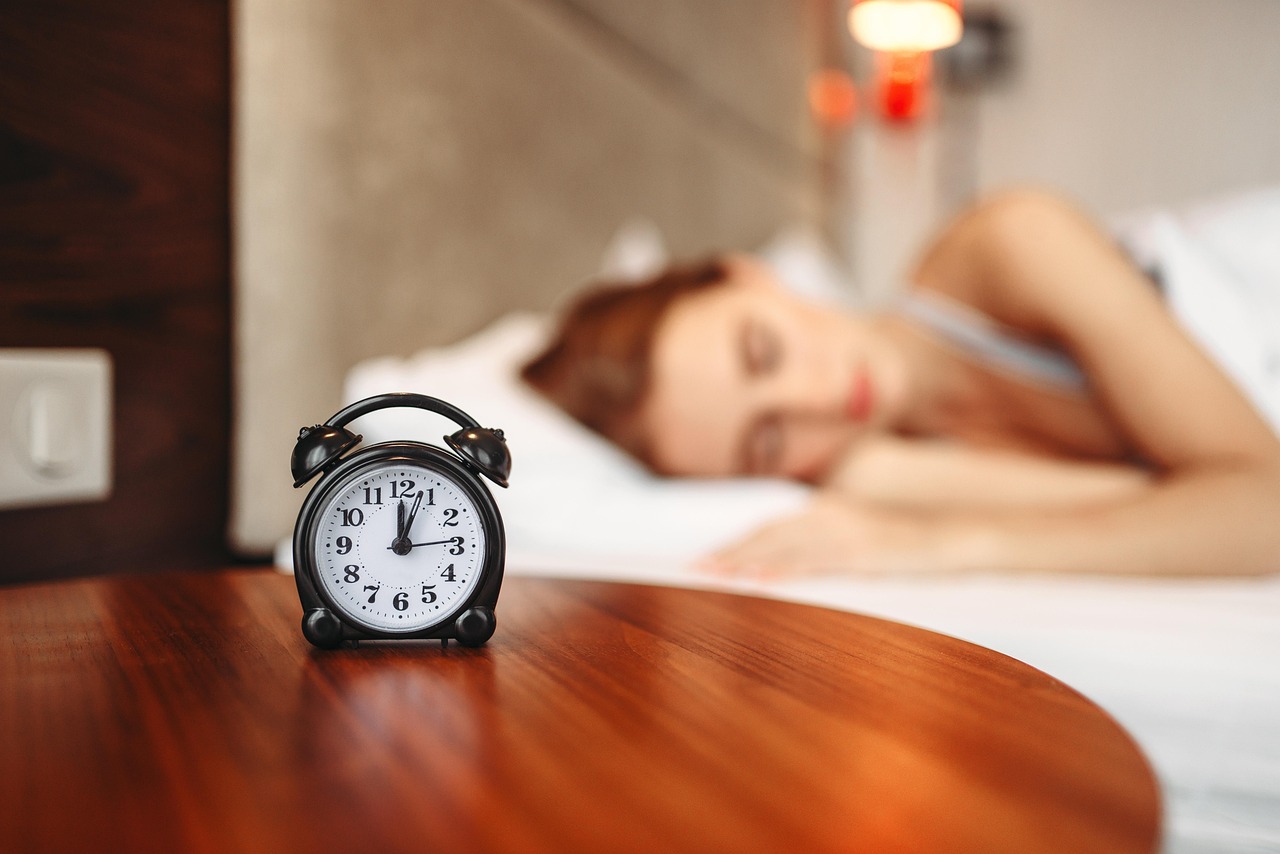
Our bodies are remarkably attuned to the natural world, operating on internal clocks that respond to environmental cues. Understanding how light and darkness influence our biological rhythms can transform our health and well-being.

The synchronization between our internal biological processes and the external light-dark cycle represents one of nature’s most elegant orchestrations. This intricate dance affects everything from our sleep patterns and hormone production to our cognitive performance and metabolic health. By mapping and understanding these synchronization patterns, we unlock powerful insights into optimizing our daily routines for peak biological harmony.
🌍 The Foundation of Circadian Biology
Every living organism on Earth, from single-celled bacteria to complex mammals, possesses internal timing mechanisms that have evolved over billions of years. These circadian rhythms—derived from the Latin “circa diem,” meaning “about a day”—govern approximately 24-hour cycles in physiological processes. The discovery of the molecular mechanisms behind these clocks earned Jeffrey C. Hall, Michael Rosbash, and Michael W. Young the Nobel Prize in Physiology or Medicine in 2017.
At the cellular level, our circadian system operates through sophisticated feedback loops involving clock genes and their protein products. These molecular oscillators exist in virtually every cell of our body, creating a vast network of peripheral clocks all synchronized by a master pacemaker located in the suprachiasmatic nucleus (SCN) of the hypothalamus. This tiny region, containing approximately 20,000 neurons, serves as the conductor of our biological orchestra.
Light serves as the primary zeitgeber—German for “time giver”—that entrains our circadian system to the external environment. Specialized photoreceptive ganglion cells in our retinas detect light intensity and wavelength, transmitting this information directly to the SCN. This pathway explains why light exposure has such profound effects on our sleep-wake cycles, mood, and overall physiological functioning.
📊 Mapping Your Personal Light-Dark Synchronization
Understanding your individual synchronization pattern begins with recognizing that not everyone operates on identical biological schedules. Chronotype—your natural inclination toward being a morning person or night person—represents your unique circadian phase preference. This biological variability has deep evolutionary roots and reflects genuine differences in how individual circadian systems respond to environmental cues.
Creating a personal synchronization map involves tracking several key variables over a minimum of two weeks. These include your natural wake time without alarms, energy level fluctuations throughout the day, preferred times for physical and cognitive activities, hunger patterns, and core body temperature variations. Modern technology has made this process increasingly accessible through wearable devices and specialized applications.
Essential Metrics for Synchronization Mapping
- Sleep onset and offset times: Document when you naturally feel sleepy and wake without external influences
- Light exposure duration: Track both natural daylight and artificial light sources throughout your day
- Peak performance windows: Identify when you experience optimal mental clarity and physical energy
- Meal timing: Record when hunger naturally occurs and when you consume food
- Body temperature patterns: Monitor fluctuations that correlate with circadian phase
- Mood variations: Note emotional states at different times to identify patterns
Several smartphone applications can assist in creating these synchronization maps by automating data collection and providing visualization tools. Apps like Sleep Cycle, Lumosity, and specialized circadian rhythm trackers help identify patterns that might otherwise go unnoticed in our busy lives.
💡 The Science of Light Quality and Timing
Not all light exposure affects our circadian system equally. The intensity, spectral composition, duration, and timing of light exposure all play critical roles in determining its biological impact. Understanding these nuances allows us to strategically use light to optimize our synchronization with natural rhythms.
Blue wavelength light, particularly in the 460-480 nanometer range, exerts the strongest influence on circadian photoreception. This explains why evening exposure to blue-enriched light from digital devices can suppress melatonin production and delay sleep onset. Conversely, morning exposure to bright blue light can advance our circadian phase and promote alertness.
The concept of melanopic lux has emerged as a more accurate measure of circadian-effective illumination compared to traditional photopic lux measurements designed for visual perception. Melanopic lux quantifies light’s impact on the intrinsically photosensitive retinal ganglion cells that regulate circadian function, providing a more relevant metric for optimizing light exposure patterns.
Optimal Light Exposure Protocols Throughout the Day
Morning light exposure within the first hour of waking provides the most powerful signal for circadian entrainment. Aim for at least 10-30 minutes of bright light exposure, ideally containing natural sunlight with intensities of 1000 lux or greater. This morning anchor stabilizes your circadian phase and promotes appropriate melatonin timing in the evening.
During midday hours, maintaining exposure to natural light helps reinforce circadian signals and supports alertness. Indoor workers should position workspaces near windows when possible or take brief outdoor breaks to maintain this connection with natural light cycles.
As evening approaches, gradually reducing light intensity and transitioning to warmer color temperatures supports natural melatonin production. Dimming lights 2-3 hours before bedtime and minimizing blue light exposure creates conditions conducive to sleep onset. Specialized applications and device settings can automatically adjust screen color temperature based on time of day, reducing circadian disruption from evening device use.
🔄 Darkness: The Underappreciated Half of the Cycle
While light exposure receives considerable attention in discussions of circadian health, darkness plays an equally crucial role in biological synchronization. The absence of light triggers a cascade of physiological processes essential for restoration, cellular repair, and metabolic regulation.
Melatonin, often called the “hormone of darkness,” begins rising approximately two hours before habitual bedtime in properly entrained individuals. This dim light melatonin onset (DLMO) represents a critical circadian phase marker. Melatonin doesn’t simply induce sleep; it coordinates a symphony of nighttime processes including body temperature reduction, immune function enhancement, antioxidant activity, and growth hormone release.
The modern 24/7 lifestyle with ubiquitous artificial lighting has dramatically compressed our daily dark period. Historical research suggests that before electrification, humans experienced 12-14 hours of darkness nightly depending on season. Contemporary urban populations often experience less than 8 hours of true darkness, with many people exposed to light throughout their nominal sleep period.
Creating Optimal Dark Environments
Achieving circadian-supportive darkness extends beyond simply turning off overhead lights. Complete darkness—or as close as practically achievable—maximizes melatonin production and sleep quality. This means addressing all light sources including indicator lights on electronics, light seeping around window coverings, and illuminated clock displays.
Blackout curtains or shades block external light pollution effectively. Covering or removing electronic devices with LED indicators eliminates disruptive light sources. For those unable to achieve complete darkness, properly fitted eye masks can provide an effective alternative by blocking light at the individual level.
Temperature regulation complements darkness in optimizing nighttime biology. Core body temperature naturally decreases during the night as part of circadian programming. Maintaining bedroom temperatures between 60-67°F (15-19°C) supports this natural thermoregulatory process and enhances sleep quality.
🌐 Seasonal Variations and Geographical Considerations
Earth’s axial tilt creates seasonal variations in photoperiod—the duration of daylight—that profoundly influence circadian biology. These changes present both challenges and opportunities for maintaining optimal synchronization throughout the year.
At equatorial latitudes, photoperiod remains relatively stable year-round, with approximately 12 hours of daylight daily. However, populations living at higher latitudes experience dramatic seasonal variations, ranging from extended summer daylight to limited winter sun exposure. These populations demonstrate measurable seasonal shifts in sleep timing, duration, mood, and metabolic parameters.
Winter months at high latitudes present particular challenges for circadian synchronization. Reduced daylight availability, combined with lifestyle patterns that confine people indoors during available sunlight hours, can lead to circadian misalignment. This phenomenon contributes to seasonal affective disorder (SAD) and other winter-related health challenges.
| Latitude Range | Summer Daylight | Winter Daylight | Synchronization Strategy |
|---|---|---|---|
| 0-23° | 12-13 hours | 11-12 hours | Maintain consistent light exposure patterns |
| 23-45° | 13-16 hours | 8-11 hours | Adjust timing seasonally, supplement winter light |
| 45-60° | 16-20 hours | 4-8 hours | Prioritize winter light exposure, manage summer evening light |
| 60°+ | 20-24 hours | 0-4 hours | Use artificial light therapeutically, create artificial dark periods |
⚡ Practical Applications for Optimal Biological Harmony
Translating circadian science into actionable lifestyle modifications requires balancing ideal recommendations with practical constraints of modern life. The following evidence-based strategies provide frameworks for optimizing light-dark synchronization within realistic parameters.
Morning Optimization Protocol
Begin each day by exposing yourself to bright light as soon after waking as possible. If sunrise occurs before or shortly after your wake time, spend 10-30 minutes outdoors without sunglasses. For those waking before dawn or with limited outdoor access, light therapy devices providing 10,000 lux can substitute for natural sunlight, though natural light remains superior when available.
Combine morning light exposure with physical movement to synergistically reinforce circadian signals. Even brief walks provide dual benefits of light exposure and activity-induced arousal. This morning routine anchors your circadian phase and establishes a foundation for the day’s rhythm.
Daytime Light Maintenance
Throughout waking hours, maintain awareness of light exposure levels. Indoor lighting typically provides only 100-500 lux—insufficient for robust circadian entrainment. Regular exposure to daylight, even through windows, supplements indoor lighting and maintains circadian alignment. Position workstations near windows, take outdoor breaks, and consider lunch periods as opportunities for daylight exposure.
For individuals working in windowless environments or during night shifts, strategic use of bright light therapy during work hours can help maintain alertness and potentially support circadian adaptation to non-traditional schedules.
Evening Wind-Down Strategy
Implement a graduated light reduction protocol beginning 2-3 hours before target bedtime. Dim household lighting progressively, transitioning to warmer color temperatures. Many smart lighting systems can automate this process, gradually reducing intensity and shifting toward amber/red wavelengths that minimize circadian disruption.
Digital device use presents a particular challenge given their blue-enriched displays. Enable built-in night mode features on phones, tablets, and computers that shift screen color temperature toward warmer tones. Alternatively, blue-light filtering glasses worn during evening device use can reduce circadian impact, though reducing overall screen time remains the most effective approach.
🧬 Individual Variability and Personalization
Genetic factors contribute significantly to individual differences in circadian timing and light sensitivity. Variations in clock genes like PER3, CLOCK, and CRY1/2 influence chronotype and determine optimal timing of activities. These genetic differences mean that universal recommendations may require individual adjustment for maximum benefit.
Age represents another critical variable affecting circadian function. Adolescents experience a natural delay in circadian phase, making early school start times misaligned with their biological rhythms. Older adults often show phase advancement and may benefit from evening light exposure to delay their sleep schedule. Additionally, the aging eye’s yellowing lens reduces blue light transmission, potentially requiring increased light intensity for equivalent circadian impact.
Tracking your responses to different light-dark schedules over several weeks provides personalized data for optimization. Notice which morning light exposure durations correlate with best daytime energy, what evening light reduction strategies support easiest sleep onset, and how seasonal adjustments affect your well-being. This self-experimentation, grounded in circadian principles, yields individualized protocols superior to generic recommendations.
🌟 Advanced Synchronization Techniques
Beyond basic light-dark cycle optimization, several advanced approaches can enhance circadian harmony for specific situations or goals.
Strategic Napping
Brief naps of 10-20 minutes during the post-lunch circadian dip (typically 1-3 PM) can enhance afternoon alertness without disrupting nighttime sleep. This timing aligns with a natural biphasic sleep tendency observed across cultures. Longer naps risk entering deep sleep stages and may cause sleep inertia or interfere with nighttime sleep consolidation.
Time-Restricted Eating
Limiting food intake to a consistent 8-12 hour window aligned with daylight hours provides a powerful non-photic zeitgeber for circadian synchronization. Metabolic processes including insulin sensitivity, digestive enzyme production, and nutrient processing follow circadian patterns. Eating late at night, when these systems are programmed for rest, contributes to metabolic disruption. Aligning eating patterns with light-dark cycles creates synergistic benefits for both circadian and metabolic health.
Exercise Timing
Physical activity provides phase-shifting effects on circadian rhythms, with timing determining the direction of shift. Morning exercise tends to advance circadian phase (earlier timing), while evening exercise may delay it. For most individuals seeking to maintain conventional sleep-wake schedules, morning or early afternoon exercise optimizes circadian alignment. Intense exercise within 2-3 hours of bedtime may interfere with sleep onset for some individuals, though responses vary.
🔬 Emerging Research and Future Directions
Circadian biology represents a rapidly evolving field with ongoing discoveries reshaping our understanding of light-dark synchronization. Recent research has revealed that peripheral tissues possess semi-autonomous circadian clocks that can be independently influenced by factors like meal timing, exercise, and temperature cycles. This discovery opens new avenues for circadian optimization beyond light exposure alone.
Personalized circadian medicine promises to revolutionize treatment timing for various conditions. Chronotherapy—administering treatments at specific circadian phases—has shown superior efficacy for conditions ranging from hypertension to cancer. As our ability to assess individual circadian phase improves through biomarker analysis and wearable technology, personalized timing recommendations will become increasingly precise and accessible.
The integration of artificial intelligence with continuous physiological monitoring may soon provide real-time circadian optimization recommendations. Imagine systems that adjust your lighting environment, suggest optimal meal times, and recommend activity schedules based on continuous analysis of your circadian biomarkers. While privacy and data security concerns require careful consideration, such technologies could dramatically enhance our ability to maintain biological harmony in complex modern environments.
🎯 Overcoming Common Obstacles to Synchronization
Despite understanding circadian principles, many people struggle with implementation due to practical constraints. Shift work, international travel, social obligations, and caregiving responsibilities can all disrupt ideal light-dark synchronization. However, even imperfect application of circadian principles provides benefits compared to complete disregard of biological timing.
For shift workers, maintaining consistency in sleep-wake timing on both work and off days, when possible, reduces circadian strain. Strategic light exposure during night shifts combined with complete darkness during day sleep periods can facilitate adaptation. Blackout curtains, eye masks, and careful management of pre-sleep light exposure become particularly crucial for this population.
International travelers can minimize jet lag by gradually adjusting sleep timing toward the destination schedule in the days before travel. Upon arrival, immediately adopting local light-dark and meal timing schedules accelerates adaptation. Light exposure during the local daytime, even if fatigued, provides the strongest signal for circadian adjustment.
Parents of young children face unique challenges as infant feeding schedules and unpredictable wake times disrupt parental sleep. While complete optimization may be impossible during early parenting years, maintaining morning light exposure and evening light reduction, even if sleep itself is fragmented, helps preserve core circadian function until more conventional schedules become feasible.

🌈 Integrating Circadian Wisdom into Daily Life
Achieving optimal biological harmony through light-dark synchronization doesn’t require perfection or complete lifestyle transformation. Small, consistent adjustments compound over time to create meaningful improvements in energy, mood, sleep quality, and overall health. Start by implementing one or two changes—perhaps morning sunlight exposure and evening light reduction—and build gradually as these become habitual.
Remember that your circadian system evolved over millions of years to respond to natural light-dark cycles. By respecting these ancient rhythms and creating environments that honor them, you align modern life with deep biological wisdom. This synchronization represents not a constraint on lifestyle, but rather an opportunity to enhance every aspect of daily functioning by working with, rather than against, your natural biology.
The journey toward optimal circadian harmony is personal and ongoing. Your synchronization map will evolve with seasons, life stages, and changing circumstances. By maintaining awareness of light-dark cycles and their profound influence on your physiology, you gain powerful tools for navigating modern challenges while preserving the biological rhythms that support health, vitality, and well-being. In unlocking nature’s rhythm, we rediscover an essential key to human flourishing that technology and progress had temporarily obscured but never eliminated.