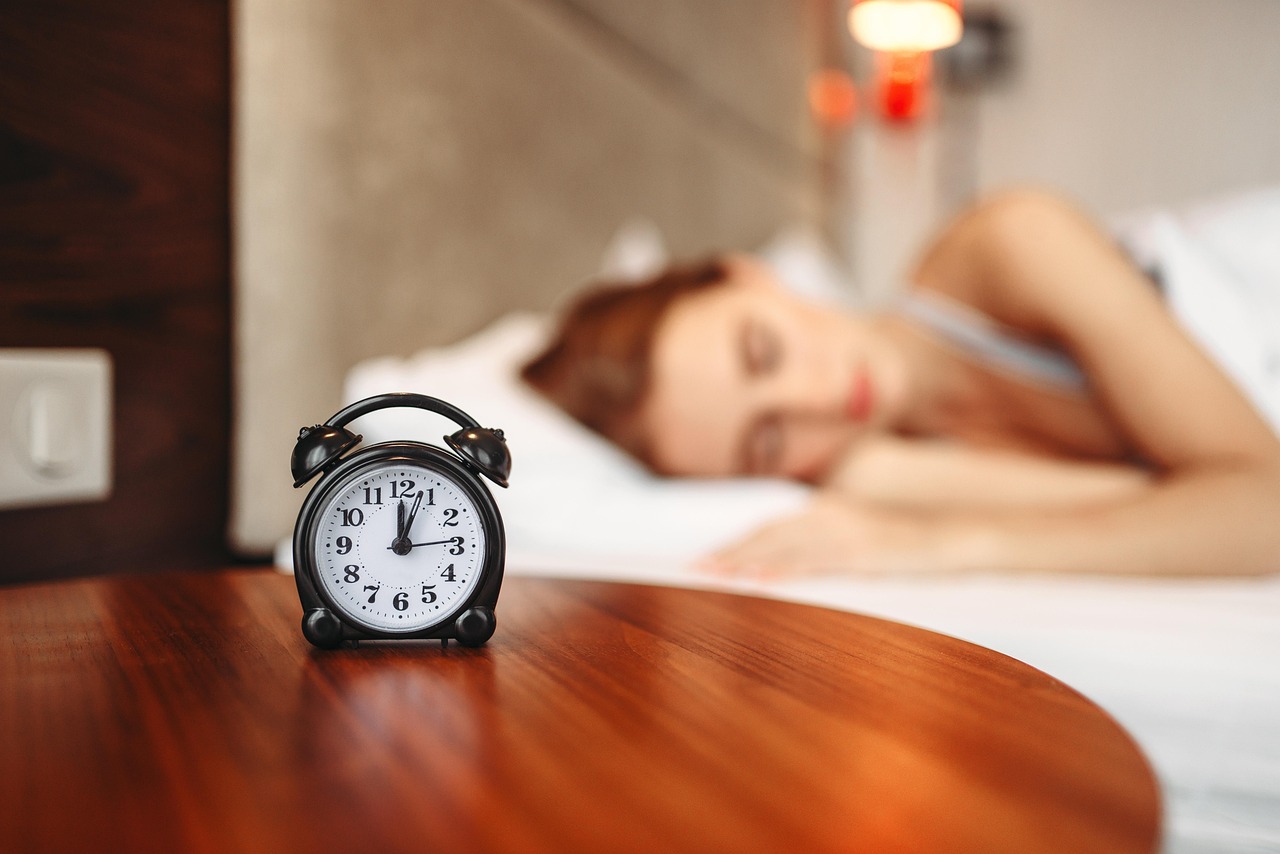
Your body operates on an internal 24-hour timer that influences everything from alertness to digestion. Understanding how to work with this natural rhythm rather than against it can transform your energy levels, productivity, and overall well-being.

Modern life constantly challenges our circadian rhythms through artificial lighting, irregular schedules, and global connectivity. Yet mastering your body clock isn’t just possible—it’s essential for achieving peak performance in today’s demanding world. The science of circadian anchoring offers practical strategies to rapidly align your internal timing system with your desired schedule.
🔬 Understanding Your Circadian Operating System
Your circadian rhythm is far more than a simple sleep-wake cycle. It’s a sophisticated biological system controlled by the suprachiasmatic nucleus (SCN) in your brain’s hypothalamus. This master clock coordinates thousands of physiological processes including hormone release, body temperature regulation, metabolism, and cognitive function.
The SCN responds primarily to light exposure, but also to food intake, physical activity, and social cues. These environmental signals, called zeitgebers (German for “time givers”), constantly calibrate your internal clock. When these signals align consistently, your body operates at peak efficiency. When they conflict, you experience the fatigue, brain fog, and metabolic disruption commonly known as circadian misalignment.
Research shows that nearly every cell in your body contains its own molecular clock. These peripheral clocks in your liver, muscles, heart, and other organs take cues from the master SCN clock. This complex network explains why circadian disruption affects so many aspects of health—from immune function to mental performance.
⚓ The Power of Circadian Anchoring
Circadian anchoring involves establishing consistent daily signals that stabilize your body clock. Unlike gradual adjustment strategies that can take weeks, anchoring techniques create rapid synchronization by providing strong, timed cues that your SCN can’t ignore.
The concept builds on chronobiology research showing that certain zeitgebers carry more weight than others. By strategically timing your strongest circadian anchors, you can shift your rhythm in days rather than weeks—critical for travelers, shift workers, or anyone optimizing their schedule.
Primary Anchoring Points
Your circadian system responds most powerfully to specific anchors at specific times. Morning light exposure acts as the primary anchor, essentially setting your biological “time zero” for the day. This single input influences the timing of everything from cortisol release to melatonin production 14-16 hours later.
The secondary anchor is your first meal, which starts the metabolic clock in your digestive system. Exercise provides a third powerful anchor, with timing determining whether it advances or delays your rhythm. Finally, your last light exposure of the evening serves as a crucial boundary marker for your system.
☀️ Light Exposure: Your Master Reset Button
Light is the most potent circadian signal available. Your eyes contain specialized photoreceptors (intrinsically photosensitive retinal ganglion cells) that communicate directly with the SCN. These cells respond most strongly to blue wavelengths in the 460-480 nanometer range—the color of a clear morning sky.
For rapid adaptation, aim for 10,000+ lux of light exposure within 30 minutes of your desired wake time. This means going outdoors, as even a cloudy day provides 10,000 lux, while typical indoor lighting delivers only 100-500 lux. If outdoor exposure isn’t feasible, position yourself near a window or use a therapeutic light box.
Strategic Light Timing Protocol
To advance your rhythm (become an earlier riser), expose yourself to bright light immediately upon waking and avoid bright light in the evening. To delay your rhythm (shift later), avoid morning light for the first 1-2 hours after waking and seek bright light in the late afternoon or early evening.
The critical windows are the 2-3 hours after your current wake time (for phase advances) and the 2-3 hours before your current sleep time (for phase delays). Light exposure outside these windows has minimal shifting effect.
Many people find light tracking apps helpful for optimizing their exposure patterns. These tools monitor your light environment and remind you to seek or avoid illumination at strategic times.
🍽️ Meal Timing as a Metabolic Anchor
Your digestive system operates on its own circadian rhythm, optimized for food processing during daylight hours. When you eat tells your peripheral clocks what time it is, creating a powerful secondary synchronization signal.
Time-restricted eating—consuming all calories within an 8-12 hour window—strengthens circadian rhythms by creating a clear feeding-fasting cycle. This pattern enhances metabolic health, improves energy stability, and accelerates adaptation to new schedules.
For optimal anchoring, make breakfast substantial and early within your desired eating window. This “breakfast effect” sends a strong signal to metabolic clocks throughout your body. Conversely, finish eating at least 3 hours before your target bedtime, allowing your digestive system to wind down.
The Circadian Fasting Advantage
Strategic fasting amplifies circadian signals. A 14-16 hour overnight fast (including sleep time) creates metabolic clarity that helps synchronize your system. During adaptation periods, maintaining consistent meal times becomes even more critical than the specific foods you eat.
If you’re shifting time zones or adjusting your schedule, align your first meal with the target time zone or schedule immediately. Don’t wait to “feel hungry” on the old schedule—use meal timing proactively as an adjustment tool.
💪 Exercise Timing for Rhythm Optimization
Physical activity affects your circadian phase, with the direction and magnitude depending on timing. Morning exercise (within 3 hours of waking) reinforces an early rhythm and helps you become a natural early riser. Evening exercise can delay your rhythm, useful if you’re naturally too early or adapting to a later schedule.
The intensity matters too. High-intensity exercise provides a stronger circadian signal than moderate activity. Even a 20-minute high-intensity session creates measurable phase shifts when properly timed.
For rapid adaptation, combine exercise with light exposure. Outdoor morning workouts provide dual anchoring—simultaneous bright light and physical activity signals. This combination can shift your rhythm approximately 1 hour per day, much faster than either intervention alone.
Temperature and Performance Considerations
Your core body temperature follows a circadian pattern, reaching its lowest point about 2 hours before natural wake time and peaking in late afternoon. Physical performance, reaction time, and strength all correlate with this temperature curve.
While afternoon workouts align with natural performance peaks, morning exercise—despite lower peak performance—provides superior circadian anchoring benefits. Choose timing based on your primary goal: performance optimization or schedule adaptation.
😴 Evening Protocols for Quality Sleep Gates
The final hours before sleep require deliberate wind-down protocols. Your body needs clear signals that day is ending and rest is approaching. This transition period—the “sleep gate”—occurs when your circadian drive for sleep aligns with sufficient sleep pressure.
Dim lighting after sunset helps trigger melatonin production. Aim for less than 50 lux in your environment during the 2-3 hours before bed. Use amber or red lighting if you need illumination, as these longer wavelengths have minimal circadian impact.
Temperature management accelerates sleep onset. Your core temperature needs to drop for sleep initiation, which is why warm baths or showers 60-90 minutes before bed paradoxically help—the subsequent cooling facilitates sleep. Keep your bedroom cool, ideally 65-68°F (18-20°C).
Digital Device Management
Screen exposure presents a circadian challenge due to both the blue light emitted and the cognitive engagement content provides. If you must use devices in the evening, enable blue light filters, reduce brightness to minimum, and maintain greater viewing distance to reduce light intensity reaching your eyes.
Better yet, establish a device curfew 60-90 minutes before bed. This buffer allows your mind to disengage from stimulating content and your melatonin production to proceed unimpeded.
🌍 Rapid Time Zone Adaptation Strategies
Jet lag results from misalignment between your internal clock and external time. The traditional advice to “just adapt gradually” wastes precious days of any trip. Circadian anchoring enables same-day or next-day adaptation when executed correctly.
Begin adjusting 2-3 days before departure. For eastward travel (advancing your clock), go to bed 30-60 minutes earlier each night and seek morning light. For westward travel (delaying your clock), stay up 30-60 minutes later and seek evening light.
Arrival Day Protocol
Upon arrival, immediately switch to the destination schedule regardless of how you feel. Force yourself outdoors into bright light during the destination morning hours—this is non-negotiable for rapid adaptation. Eat breakfast on local time even if not hungry.
Stay awake until at least 9-10 PM local time on the first day. If you must nap, limit it to 20 minutes before 2 PM local time. Take a hot shower 60 minutes before your target bedtime to facilitate the core temperature drop needed for sleep.
Strategic caffeine use helps maintain alertness during the adaptation period, but cease consumption 8-10 hours before your target bedtime to avoid interfering with sleep pressure accumulation.
🔄 Shift Work and Irregular Schedule Optimization
Shift workers face unique challenges as they fight against both their internal rhythms and social zeitgebers. The key is choosing whether to maintain a consistent shifted schedule or to partially adapt while protecting core sleep opportunities.
For permanent night shifts, treat your schedule as an inverted normal day. Use blackout curtains and amber glasses to create artificial darkness during your day sleep period. Seek bright light exposure during your night shift to maintain alertness and anchor your inverted rhythm.
For rotating shifts, prioritize sleep consistency over complete adaptation. Focus on maintaining regular sleep duration even if timing varies. Use strategic napping—a 20-minute nap before a night shift and another during the shift improves performance without disrupting subsequent sleep.
Recovery Days and Social Jet Lag
Weekend schedule changes create “social jet lag”—essentially traveling between time zones without leaving home. A 2-hour weekend sleep shift requires the same physiological adjustment as traveling to a different time zone.
Minimize social jet lag by keeping weekend wake times within 1 hour of weekday schedules. If you need extra sleep on weekends, go to bed earlier rather than sleeping later. This protects your circadian alignment while still recovering from sleep debt.
📊 Tracking and Measuring Your Progress
Subjective feelings lag behind actual circadian adjustment. You might feel tired at the “wrong” times for several days even as your system adapts. Tracking provides objective data about your progress.
Monitor your morning core body temperature—it rises as your circadian rhythm advances. Track your natural wake time on free days without alarms. Note your peak alertness windows and when you naturally feel sleepy. These markers shift together as your rhythm adjusts.
Sleep tracking devices provide useful data about sleep timing, duration, and architecture. Look for consistent sleep onset times and stable wake times as indicators of successful anchoring. REM sleep distribution—concentrated in late sleep during proper alignment—offers another measurement point.
🎯 Personalizing Your Circadian Strategy
Individual chronotype—your natural tendency toward earliness or lateness—influences optimal strategies. Extreme early types (larks) and extreme late types (owls) may need more aggressive interventions to shift their rhythms significantly.
Age also matters. Children and teenagers have naturally delayed rhythms, while older adults tend toward earlier patterns. Hormonal fluctuations across the menstrual cycle subtly affect circadian timing in women. Adjust your expectations and intervention intensity accordingly.
Some genetic variants affect circadian period length and light sensitivity. If you’ve always struggled with conventional sleep schedules despite good habits, consider that your natural rhythm might differ significantly from the societal norm. Working with rather than against your biology—when possible—reduces the constant energy expenditure of fighting your nature.
⚡ Performance Timing for Maximum Output
Once your circadian rhythm stabilizes, you can leverage its natural performance fluctuations. Alertness, executive function, and reaction time typically peak in late morning (10 AM-12 PM) and late afternoon (4-6 PM), with a post-lunch dip between 1-3 PM.
Schedule cognitively demanding work during peak windows. Use the afternoon dip for routine tasks, meetings, or that strategic 20-minute nap. Creative problem-solving sometimes benefits from the slightly unfocused state during circadian troughs—the relaxed constraints can enable novel connections.
Physical coordination and muscle strength peak in late afternoon when body temperature reaches its zenith. Schedule important physical performances accordingly when possible, or complete thorough warm-ups to overcome the morning coordination deficit.

🛡️ Protecting Your Circadian Health Long-Term
Establishing strong circadian rhythms requires initial effort but delivers compounding returns. Consistent schedules become self-reinforcing as your system anticipates and prepares for regular daily events.
Protect your anchoring routines even during disruptions. When travel, illness, or obligations interfere with normal schedules, return to your baseline as quickly as possible. Think of circadian consistency as a bank account—occasional withdrawals are manageable, but chronic deficits create serious problems.
Environmental design supports consistency. Automate lights to brighten gradually in the morning. Use scheduled thermostats to cool your bedroom before sleep. Remove decision points from your anchoring behaviors by making them automatic.
The investment in circadian optimization pays dividends across every dimension of performance and health. Energy becomes stable and predictable. Sleep quality improves. Cognitive performance sharpens. Metabolic health strengthens. Mood stabilizes.
Your body clock evolved over millions of years to synchronize internal processes with the external world. Modern life has disrupted this ancient system, but the principles of circadian biology remain unchanged. By deliberately anchoring your rhythm with strategic light, food, activity, and temperature signals, you reclaim control over your daily energy patterns and unlock your full potential for peak performance.