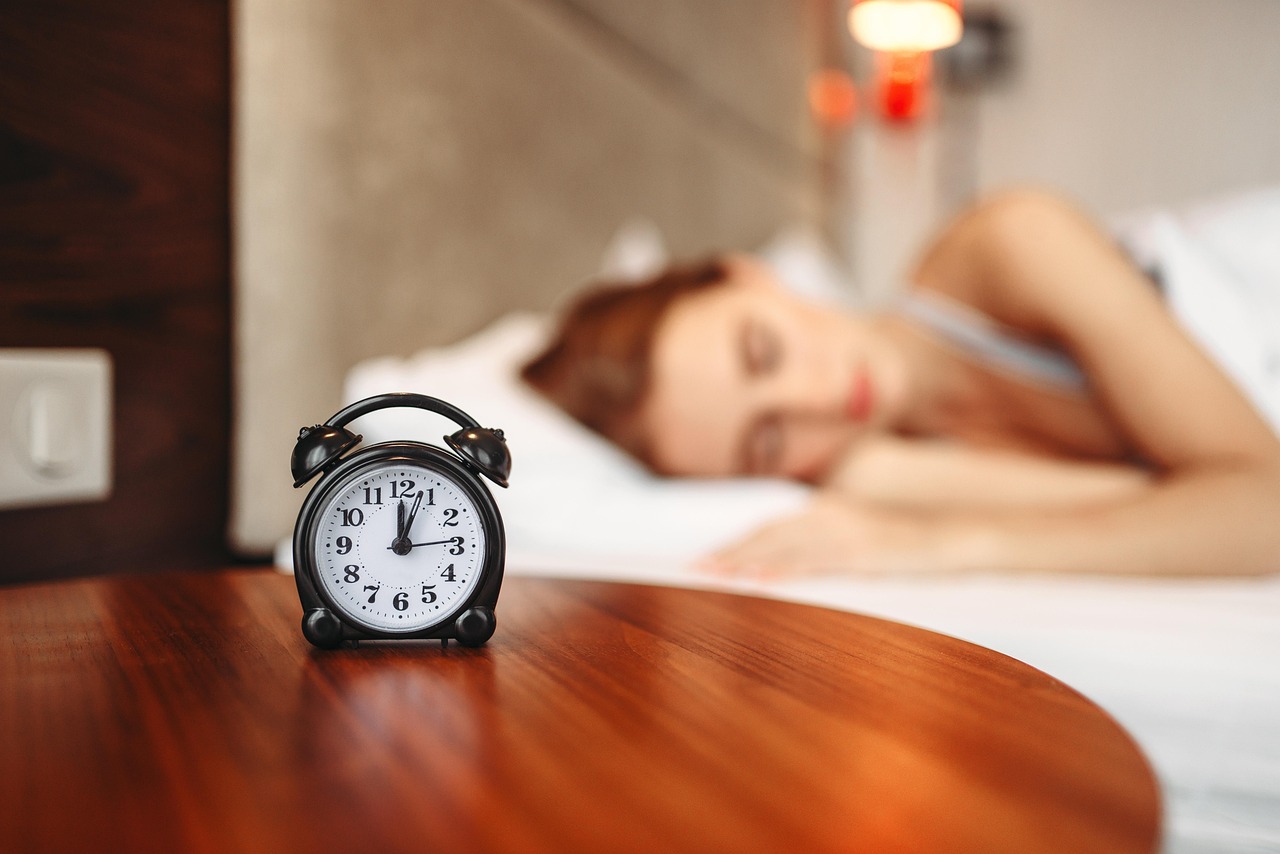
Sleep is one of the most critical components of our overall health, yet millions struggle to get quality rest each night. Understanding your sleep patterns is the first step toward transforming restless nights into rejuvenating slumber.

Weekly sleep dashboards have emerged as powerful tools that help you visualize, track, and optimize your sleep habits. By consolidating data about your sleep duration, quality, and interruptions, these dashboards reveal hidden patterns that could be sabotaging your rest. Whether you’re dealing with insomnia, frequent wake-ups, or simply feeling unrested despite spending enough time in bed, tracking your sleep weekly can provide the insights needed to make meaningful changes.
Why Traditional Sleep Tracking Falls Short 😴
Many people try to monitor their sleep by simply noting when they go to bed and wake up. While this basic approach provides some information, it misses crucial details that determine sleep quality. You might spend eight hours in bed but only get six hours of actual restorative sleep due to interruptions, poor sleep stages distribution, or underlying health issues.
Daily sleep tracking alone can also be misleading. One bad night doesn’t necessarily indicate a problem, and one good night doesn’t mean your sleep is optimized. Weekly dashboards aggregate data over seven days, smoothing out anomalies and revealing genuine trends that daily snapshots cannot capture.
The human sleep cycle is complex, involving multiple stages including light sleep, deep sleep, and REM sleep. Each stage serves different restorative functions for your body and brain. Without comprehensive tracking that spans multiple nights, you cannot identify which stages you’re getting enough of and which you’re missing.
The Power of Weekly Sleep Dashboards 📊
Weekly sleep dashboards transform raw sleep data into actionable insights. These visual representations compile information about your sleep schedule, duration, quality metrics, and environmental factors over seven consecutive days. This weekly perspective is scientifically optimal because it captures variations across weekdays and weekends, accounting for different routines and stress levels.
A comprehensive weekly dashboard typically includes metrics such as total sleep time, sleep efficiency percentage, time spent in each sleep stage, number of awakenings, average heart rate during sleep, and sleep consistency scores. Some advanced dashboards also factor in daytime activities, caffeine consumption, exercise timing, and stress levels to correlate behaviors with sleep outcomes.
The visual nature of dashboards makes patterns immediately apparent. You might notice that your sleep quality drops every Wednesday, prompting investigation into what’s different about that day. Perhaps you have a stressful meeting, consume more caffeine, or exercise at a different time. These correlations would be nearly impossible to detect without consolidated weekly visualization.
Key Metrics Every Sleep Dashboard Should Track
Understanding which metrics matter helps you focus on the right data. Total sleep duration is foundational—most adults need between seven and nine hours nightly. However, duration alone doesn’t tell the complete story. Sleep efficiency, calculated as the percentage of time in bed actually spent asleep, reveals whether you’re tossing and turning or sleeping soundly.
Sleep stage distribution is particularly revealing. Deep sleep is when your body performs physical restoration and immune system strengthening. REM sleep consolidates memories and processes emotions. Light sleep serves as the transition between stages. A balanced distribution is essential for feeling truly rested.
Consistency metrics measure how regular your sleep schedule is across the week. Going to bed and waking at similar times daily, even on weekends, significantly improves sleep quality by strengthening your circadian rhythm. Weekly dashboards make consistency easy to assess at a glance.
Identifying Your Personal Sleep Patterns 🔍
Everyone has unique sleep needs and patterns. While general guidelines exist, your optimal sleep schedule might differ from standard recommendations. Weekly dashboards help you discover your personal sleep chronotype—whether you’re naturally a morning lark, night owl, or somewhere in between.
By examining your dashboard over multiple weeks, you’ll notice when you naturally feel sleepy and when you wake most refreshed. This information is invaluable for setting a sleep schedule that works with your biology rather than against it. Fighting your natural chronotype leads to chronic sleep deprivation and associated health problems.
Your dashboard might also reveal external factors affecting your sleep. Temperature fluctuations, noise levels, light exposure, and even moon phases can impact sleep quality for some individuals. When these environmental factors are tracked alongside your sleep metrics, correlations become visible.
Common Sleep Pattern Discoveries
Many dashboard users discover they’re experiencing “social jet lag”—maintaining different sleep schedules on weekends versus weekdays. This pattern creates weekly mini-jet lag episodes that leave you feeling perpetually tired. Recognizing this pattern is the first step toward gradually aligning your weekend and weekday schedules.
Another common discovery is the “second wind” phenomenon. Some people notice they feel sleepy around 9 PM but push through to stay awake, then experience renewed alertness around 11 PM. This second wind makes falling asleep difficult and reduces total sleep duration. Dashboard data helps identify this pattern so you can act on that initial drowsiness.
Sleep debt accumulation is another pattern dashboards illuminate. You might be sleeping six and a half hours on weekdays and trying to “catch up” with ten-hour weekend sleeps. While recovery sleep helps, it cannot fully compensate for chronic weekday deprivation. Dashboards quantify this debt, motivating more consistent sleep habits.
Transforming Data Into Better Sleep Habits 💡
Identifying patterns is only valuable if you act on the insights. Weekly sleep dashboards should drive behavior changes that improve your rest. Start by selecting one or two patterns to address rather than trying to fix everything simultaneously.
If your dashboard reveals inconsistent sleep timing, focus first on establishing a regular bedtime and wake time. Set alarms not just for morning wake-up but also for evening wind-down. This consistency strengthens your circadian rhythm within two to three weeks, making falling asleep and waking easier.
When dashboards show insufficient deep sleep, examine your evening routine. Deep sleep is concentrated in the first half of the night and is particularly sensitive to alcohol consumption, late exercise, and elevated body temperature. Adjusting these factors can significantly increase deep sleep percentages.
Creating Your Weekly Sleep Optimization Plan
Use your dashboard data to develop a personalized sleep improvement strategy. Begin by establishing your target sleep duration based on how you feel after different amounts of sleep. Most people need between 7-9 hours, but your optimal number exists somewhere in that range.
Calculate your ideal bedtime by working backward from your required wake time. If you must wake at 6 AM and need eight hours of sleep, your lights-out time should be 10 PM. However, account for the time needed to fall asleep—typically 15-20 minutes for good sleepers.
Design a wind-down routine that begins 60-90 minutes before your target sleep time. This buffer allows your body and mind to transition from wakefulness to sleep readiness. Dashboard data helps you identify which wind-down activities most improve your sleep metrics.
Technology and Tools for Sleep Dashboard Tracking 📱
Modern sleep tracking technology has become remarkably sophisticated and accessible. Wearable devices like fitness trackers and smartwatches use sensors to monitor movement, heart rate, and sometimes even blood oxygen levels and body temperature to estimate sleep stages and quality.
Smartphone apps offer another tracking option, using phone sensors and sometimes sound analysis to monitor sleep. While generally less accurate than wearables, they provide sufficient data for pattern identification without requiring additional hardware purchases.
Dedicated sleep tracking devices, including smart mattress covers and bedside monitors, offer the most comprehensive data. These devices can track breathing patterns, environmental conditions, and even partner disturbances without requiring you to wear anything while sleeping.
Choosing the Right Tracking Solution
Selecting a sleep tracking system depends on your specific needs and preferences. If you’re already wearing a fitness tracker daily, using its sleep tracking features provides the path of least resistance. Consistency in tracking matters more than perfect accuracy, so choosing a method you’ll actually use every night is paramount.
Consider what metrics matter most to you. If you suspect sleep apnea or breathing issues, devices that monitor respiratory patterns provide valuable data to share with healthcare providers. If stress affects your sleep, trackers that measure heart rate variability offer insights into your autonomic nervous system’s nighttime activity.
Privacy-conscious individuals might prefer devices that store data locally rather than uploading everything to cloud servers. Review each platform’s data policies to understand how your intimate sleep information is stored, used, and potentially shared.
Beyond the Dashboard: Environmental Sleep Optimization 🌙
While tracking provides insights, optimizing your sleep environment amplifies results. Your bedroom should be a sleep sanctuary dedicated primarily to rest. Temperature control is crucial—most people sleep best in rooms between 60-67°F (15-19°C), though individual preferences vary.
Light management significantly affects sleep quality. Even small amounts of light can suppress melatonin production, making falling asleep difficult and reducing sleep quality. Blackout curtains, eye masks, and eliminating electronic device lights help create complete darkness. Your dashboard might reveal improved deep sleep percentages after implementing better light control.
Sound management is equally important. While complete silence works for some, others sleep better with white noise or nature sounds that mask sudden disturbances. Experiment with different acoustic environments and let your weekly dashboard data reveal which approach yields the best sleep metrics for you.
The Mattress and Bedding Factor
Your sleep surface dramatically affects rest quality, yet many people use unsuitable mattresses for years. Weekly dashboard tracking can help identify whether your mattress is a problem. If you wake with aches despite sufficient sleep duration, or if your sleep efficiency is consistently low without other obvious causes, mattress quality might be the culprit.
Pillows, sheets, and blankets also matter more than most realize. Breathable, temperature-regulating fabrics help maintain optimal body temperature throughout the night. Your dashboard might show that you wake more frequently on warmer nights, suggesting that cooling bedding could improve your sleep continuity.
Lifestyle Factors That Shape Your Sleep Dashboard 🏃♀️
Daily activities profoundly influence nighttime sleep quality. Exercise generally improves sleep, but timing matters. Morning and afternoon exercise typically enhances sleep, while vigorous evening workouts within three hours of bedtime can be stimulating and delay sleep onset. Your dashboard helps identify your personal exercise-sleep timing sweet spot.
Caffeine has a half-life of 5-6 hours, meaning half the caffeine from your 4 PM coffee remains in your system at 10 PM. If your dashboard shows difficulty falling asleep despite maintaining a consistent bedtime, examine your afternoon caffeine consumption. Experiment with earlier caffeine cutoffs and observe the dashboard results.
Alcohol deserves special attention because it’s commonly misunderstood. While alcohol may help you fall asleep faster, it significantly disrupts sleep architecture, particularly reducing REM sleep and causing more frequent nighttime awakenings. Your dashboard will likely show marked differences between nights with and without alcohol consumption.
Stress, Anxiety, and Sleep Quality
Mental and emotional states powerfully affect sleep. Chronic stress elevates cortisol levels, making it difficult to fall asleep and reducing deep sleep duration. Anxiety often causes racing thoughts that prevent sleep onset or trigger middle-of-the-night awakenings.
Weekly dashboards help quantify stress’s impact on your sleep. By noting particularly stressful days or weeks and comparing them with your sleep metrics, you can see exactly how much stress degrades your rest. This concrete evidence often motivates people to prioritize stress management techniques they might otherwise neglect.
Meditation, progressive muscle relaxation, journaling, and cognitive behavioral therapy for insomnia (CBT-I) are evidence-based approaches for managing sleep-disrupting stress and anxiety. Implement these techniques and let your dashboard track their effectiveness over subsequent weeks.
When Dashboard Data Suggests Professional Help 🏥
Sleep dashboards are powerful self-monitoring tools, but sometimes they reveal issues requiring professional evaluation. Consistent patterns of very low sleep efficiency, frequent long awakenings, or feeling unrested despite apparently sufficient sleep duration might indicate sleep disorders.
Sleep apnea, characterized by breathing interruptions during sleep, affects millions and significantly increases health risks. If your dashboard consistently shows elevated heart rate during sleep, frequent awakenings, or if your partner reports you snore heavily or gasp during sleep, consult a sleep specialist.
Insomnia disorder, defined as persistent difficulty falling or staying asleep despite adequate opportunity, requires evaluation when it occurs at least three nights weekly for three months. Dashboard data provides valuable information for sleep specialists, helping them understand your patterns and make accurate diagnoses.
Sharing Dashboard Data With Healthcare Providers
Most sleep tracking platforms allow data export, making it easy to share comprehensive information with doctors. Bring several weeks of dashboard data to appointments rather than relying on memory or subjective impressions. Objective metrics help physicians understand your situation more completely.
Sleep specialists particularly value data showing sleep consistency, estimated sleep stages, heart rate patterns, and correlations with lifestyle factors. This information helps distinguish between sleep disorders requiring medical intervention and sleep problems addressable through behavioral changes.

Building Sustainable Sleep Improvement Habits 🌟
Long-term sleep improvement requires developing sustainable habits rather than temporary fixes. Your weekly dashboard serves as both motivation and accountability tool. Seeing your metrics improve week over week reinforces positive changes and encourages consistency.
Set realistic expectations about improvement timelines. Sleep pattern changes typically require 2-4 weeks of consistent effort before becoming noticeable and 6-8 weeks before feeling fully established. Your dashboard helps you appreciate gradual progress that might otherwise go unnoticed.
Celebrate dashboard victories, even small ones. Did your sleep efficiency increase from 78% to 82%? That’s meaningful progress worth acknowledging. Did you maintain consistent sleep timing for a full week? That consistency builds the foundation for better long-term sleep health.
Remember that sleep optimization is a journey, not a destination. Life circumstances change, bringing new challenges to your sleep. Your weekly dashboard adapts with you, continuously providing insights that help you adjust and maintain healthy sleep patterns regardless of what life brings.
By committing to regular dashboard review and evidence-based sleep hygiene practices, you’re investing in one of the most impactful health improvements possible. Better sleep enhances mood, cognitive function, physical health, and overall quality of life. Your weekly sleep dashboard is the compass guiding you toward those benefits, one night at a time.