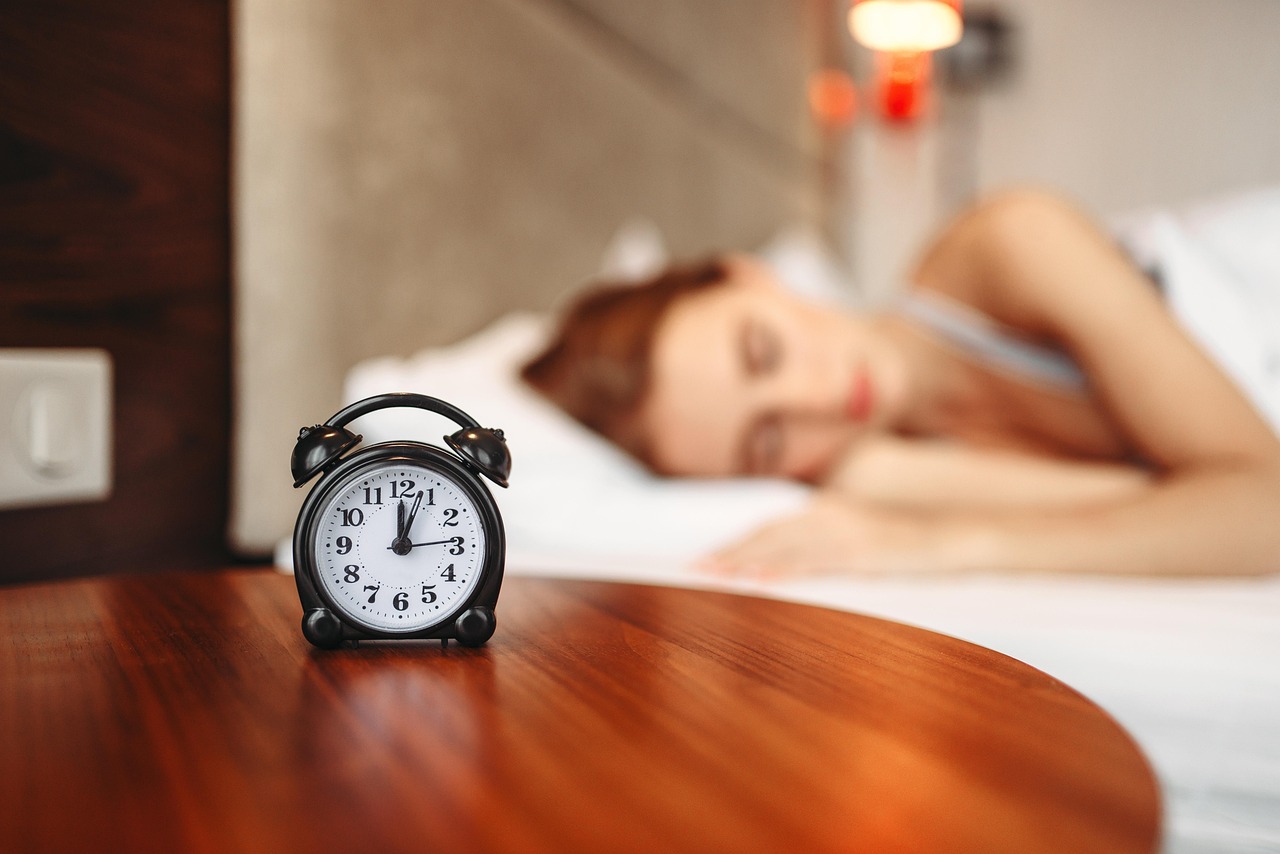
Sleep tracking has become increasingly popular, yet many users misinterpret their data, leading to unnecessary anxiety and worse sleep quality. Understanding how to properly analyze your sleep metrics is crucial for truly improving your rest and overall health.

Modern technology promises to unlock the secrets of better sleep, but the reality is more nuanced. Wearable devices and smartphone apps generate mountains of data each night, yet without proper context and understanding, this information can do more harm than good. Learning to navigate the common pitfalls in sleep tracking interpretation empowers you to make meaningful improvements to your nightly rest.
🌙 The Sleep Tracking Revolution and Its Hidden Complications
The sleep tracking industry has exploded in recent years, with millions of people worldwide monitoring their sleep patterns through smartwatches, fitness bands, and specialized apps. These devices promise insights into sleep duration, quality, stages, and disruptions. While this technology offers valuable information, it also introduces new challenges that many users aren’t prepared to handle.
Sleep tracking devices use various methods to estimate your sleep patterns, including heart rate variability, movement detection, and in some cases, blood oxygen levels. However, these measurements are approximations, not clinical-grade assessments. The gap between what the device measures and what users believe it measures creates the foundation for many interpretation errors.
📊 Pitfall #1: Obsessing Over Sleep Stage Percentages
One of the most common mistakes in sleep tracking interpretation involves fixating on sleep stage percentages. Your device might tell you that you spent only 15% of your night in deep sleep, triggering immediate concern. However, sleep stage detection in consumer devices has significant limitations that most users don’t understand.
Consumer sleep trackers can misclassify sleep stages by 20-30% when compared to polysomnography, the gold standard medical sleep test. This means the exact percentages displayed on your device should be taken with considerable skepticism. Furthermore, natural sleep architecture varies significantly between individuals and even from night to night for the same person.
Rather than obsessing over whether you achieved the “perfect” sleep stage distribution, focus on broader patterns over weeks and months. Consistently low deep sleep readings combined with daytime fatigue might warrant attention, but a single night’s unusual distribution is rarely cause for concern.
What Really Matters About Sleep Stages
Instead of worrying about precise percentages, pay attention to how you feel upon waking and throughout the day. Your subjective experience of sleep quality often provides more actionable information than numeric sleep stage data. If you wake feeling refreshed and maintain good energy levels, your sleep is likely adequate regardless of what your tracker suggests.
⏰ Pitfall #2: Misunderstanding Sleep Efficiency Scores
Sleep efficiency refers to the percentage of time in bed that you actually spend sleeping. Many trackers prominently display this metric, and users often panic when they see scores below 85%. However, context matters enormously when interpreting sleep efficiency data.
A lower sleep efficiency score doesn’t automatically indicate a sleep problem. If you’re someone who enjoys reading in bed before sleep or likes to wake up gradually in the morning, your sleep efficiency will naturally be lower than someone who gets into bed only when ready to sleep immediately.
The critical question is whether low sleep efficiency reflects unwanted wakefulness or simply personal preferences about bedtime routines. If you’re lying awake frustrated for hours, that’s concerning. If you’re peacefully reading or meditating, those minutes shouldn’t be viewed as failed sleep time.
🔴 Pitfall #3: Ignoring the Limitations of Heart Rate-Based Tracking
Most consumer sleep trackers rely heavily on heart rate data to estimate sleep stages. While heart rate patterns do correlate with sleep stages, this relationship isn’t perfectly reliable, especially in certain situations that many users encounter regularly.
Alcohol consumption, illness, stress, room temperature, and even your sleeping position can all affect heart rate patterns in ways that confuse sleep tracking algorithms. If you had a glass of wine with dinner, your heart rate patterns might suggest poor sleep quality even if you slept soundly. Understanding these confounding factors prevents unnecessary worry about misleading data.
Additionally, wrist-based heart rate monitoring can be affected by how tightly you wear your device and your individual physiology. Inconsistent wear habits lead to inconsistent data, creating apparent sleep quality variations that don’t reflect actual changes in your sleep.
📱 Pitfall #4: Developing Orthosomnia Through Over-Monitoring
Orthosomnia is a relatively new term describing an unhealthy obsession with achieving perfect sleep data. This condition has become increasingly common as sleep tracking has grown more popular. Paradoxically, the anxiety created by pursuing perfect sleep metrics actually worsens sleep quality.
People with orthosomnia check their sleep data immediately upon waking, allowing the numbers to dictate their mood and expectations for the day. They may go to bed with anxiety about achieving good scores, which makes falling asleep more difficult. This creates a vicious cycle where the tool meant to improve sleep actually degrades it.
Breaking free from orthosomnia requires setting boundaries with your sleep tracking data. Consider checking your sleep information only once or twice weekly rather than daily. Focus on long-term trends rather than individual nights, and remember that sleep tracking is a tool for insight, not a performance evaluation.
Finding Balance With Sleep Technology
The goal of sleep tracking should be empowerment, not anxiety. Use your device to identify genuinely concerning patterns like consistent difficulty falling asleep or frequent nighttime awakenings. Once you’ve optimized your sleep hygiene and routine, consider taking breaks from tracking to avoid developing an unhealthy relationship with the data.
🛏️ Pitfall #5: Comparing Your Data to Idealized Standards
Sleep tracking apps often compare your results to population averages or recommended standards, creating the impression that you should match these benchmarks. However, individual sleep needs vary dramatically based on age, genetics, lifestyle, and health status.
The commonly cited recommendation of eight hours of sleep per night is a general guideline, not a universal requirement. Some people function optimally on seven hours, while others need nine. Similarly, the “ideal” amount of REM or deep sleep varies between individuals. Trying to force your body into conforming with population averages can be counterproductive and frustrating.
Your personal baseline is far more important than generic standards. Track your sleep for several weeks to establish your typical patterns when you feel well-rested. Use those patterns as your reference point rather than the app’s default recommendations. Deviations from your personal baseline are more meaningful than deviations from population averages.
⚠️ Pitfall #6: Neglecting the Bigger Picture of Sleep Hygiene
Sleep tracking data can create tunnel vision, causing users to focus exclusively on metrics while neglecting fundamental sleep hygiene practices. No amount of data analysis can compensate for poor sleep environment, irregular sleep schedules, or habits that undermine rest.
Before obsessing over whether you got enough deep sleep last night, ensure you’ve addressed these basic factors:
- Maintaining a consistent sleep and wake schedule, even on weekends
- Creating a dark, cool, and quiet sleeping environment
- Limiting screen time at least one hour before bed
- Avoiding caffeine after early afternoon
- Getting regular exercise, but not too close to bedtime
- Managing stress through relaxation techniques
- Limiting alcohol consumption, particularly in the evening
Sleep tracking works best when combined with solid sleep hygiene practices. The data helps you measure the impact of lifestyle changes, but it can’t replace those changes. Use your tracker to verify that your sleep hygiene improvements are actually working rather than as a substitute for making those improvements.
🔍 Pitfall #7: Failing to Account for Natural Sleep Variability
Human sleep naturally varies from night to night in response to countless factors including physical activity, mental stress, diet, social interactions, and environmental conditions. Many sleep tracker users expect consistency and become concerned when they see variation in their data.
This expectation of consistency is unrealistic and counterproductive. Your sleep architecture adapts dynamically to your body’s needs. After an intense workout, you might experience more deep sleep for physical recovery. During emotionally challenging periods, you might see more REM sleep as your brain processes experiences. This variability is healthy and normal.
Rather than viewing variation as a problem to solve, understand it as your body’s intelligent response to changing circumstances. Problematic patterns involve consistent deterioration over weeks, not night-to-night fluctuations. Learning to distinguish between normal variation and genuine trends is essential for proper sleep data interpretation.
💡 Pitfall #8: Misinterpreting Awakenings and Sleep Interruptions
Most sleep trackers report the number of times you woke during the night, often alarming users who see high counts. However, brief awakenings are completely normal and don’t necessarily indicate poor sleep quality. In fact, healthy sleepers typically experience brief arousals throughout the night without even remembering them.
The key distinction is between brief arousals that you don’t remember and prolonged awakenings that disrupt your rest. Your tracker might report twenty awakenings, but if these were micro-arousals lasting only seconds, they likely had minimal impact on your sleep quality. Conversely, three prolonged awakenings where you were fully conscious for fifteen minutes each would be more concerning despite the lower count.
Many sleep tracking devices lack the sophistication to differentiate between these types of awakenings, simply reporting a total count. Interpret awakening data in conjunction with how you feel in the morning. If you don’t remember waking frequently and feel rested, the high awakening count may be capturing normal, insignificant sleep transitions.
🎯 Using Sleep Data Effectively: A Practical Framework
To avoid these common pitfalls and actually benefit from sleep tracking, adopt a strategic approach to data interpretation. This framework helps you extract valuable insights while avoiding the anxiety and confusion that often accompany sleep monitoring.
First, establish a baseline by tracking your sleep for at least two weeks without making any changes. Note how you feel each day alongside the objective data. This creates a personal reference point and helps you identify which metrics correlate with your subjective sleep quality.
Second, focus on trends rather than individual nights. Weekly averages smooth out normal variation and reveal meaningful patterns. If your average sleep duration drops by an hour over several weeks, that’s actionable information. One short night is not.
Third, make one change at a time when working to improve your sleep. If you simultaneously adjust your bedtime, eliminate caffeine, and install blackout curtains, you won’t know which intervention actually helped. Systematic experimentation lets your sleep data serve its intended purpose: providing feedback on what works for you.
When to Seek Professional Help
Sleep tracking data can help identify when professional evaluation is warranted. Consistent patterns of difficulty falling asleep, staying asleep, or feeling unrefreshed despite adequate sleep duration may indicate an underlying sleep disorder that requires medical attention.
However, bring your concerns rather than your data to healthcare providers. While some sleep specialists appreciate seeing tracking data, others find it creates more confusion than clarity. Focus on describing your symptoms and how they affect your daily functioning. Let medical professionals determine which objective measurements are necessary.
🌟 Transforming Sleep Tracking From Stressor to Tool
The ultimate goal of sleep tracking should be empowerment and improvement, not anxiety and obsession. By understanding and avoiding these common interpretation pitfalls, you can transform your relationship with sleep data from a source of stress into a valuable tool for optimization.
Remember that sleep tracking devices are aids to self-awareness, not definitive medical diagnostics. They work best when used to identify broad patterns and measure the impact of lifestyle changes rather than as scorecards for nightly performance. Your subjective experience of sleep quality and daytime functioning provide essential context that numbers alone cannot capture.
Take regular breaks from tracking to maintain perspective and avoid developing an unhealthy dependence on the data. Some experts recommend tracking for two weeks, then taking two weeks off to implement insights before resuming tracking to measure progress. This cyclical approach prevents burnout and keeps sleep tracking in its proper place as a tool rather than a taskmaster.
🚀 Moving Forward With Confidence and Better Rest
Sleep tracking technology continues to evolve, offering increasingly sophisticated insights into our nightly rest. However, the fundamental principle remains constant: data without wisdom leads to confusion, while thoughtful interpretation leads to meaningful improvement.
By avoiding these common pitfalls in sleep tracking interpretation, you position yourself to genuinely benefit from the technology. Focus on what you can control through consistent sleep hygiene practices. Use tracking data to verify improvements and identify concerning trends rather than as a daily report card. Trust your body’s signals alongside technological measurements.
Better sleep comes not from perfect tracking numbers but from creating conditions that allow natural, restorative rest. Let your sleep tracker illuminate the path forward without letting it cast shadows of anxiety over your nights. With balanced interpretation and realistic expectations, sleep tracking becomes what it should be: a helpful companion on your journey toward healthier, more refreshing rest.