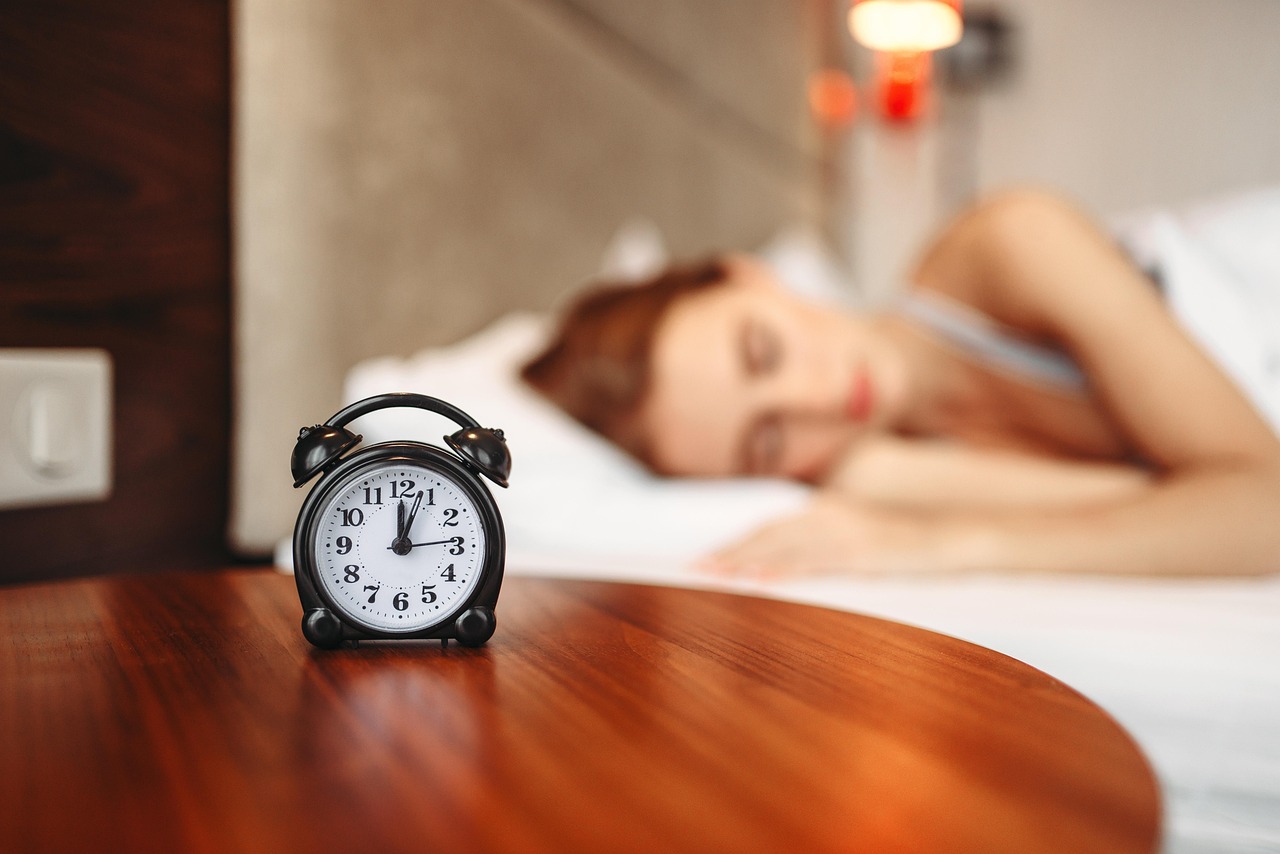
Sleep isn’t just rest—it’s the foundation of productivity, health, and happiness. Yet most teams and families struggle to prioritize and optimize their sleep patterns systematically.

Imagine transforming your approach to rest with the same precision you apply to work metrics. KPI dashboards for sleep tracking aren’t just for elite athletes anymore; they’re becoming essential tools for anyone serious about performance and wellbeing. By measuring what matters, you can finally take control of your rest and unlock unprecedented energy levels.
🎯 Why Sleep Metrics Matter More Than Ever
In our hyper-connected world, sleep has become the ultimate competitive advantage. Organizations that track sleep metrics see measurable improvements in productivity, creativity, and employee satisfaction. Families that monitor rest patterns together create healthier routines and stronger bonds.
The science is clear: quality sleep directly impacts cognitive function, emotional regulation, immune response, and long-term health outcomes. Yet despite knowing this, most people treat sleep as an afterthought rather than a strategic priority. KPI dashboards change this dynamic by making sleep visible, measurable, and actionable.
Traditional sleep tracking focuses on individual habits, but the real transformation happens when teams and families adopt collaborative approaches. Shared dashboards create accountability, normalize healthy sleep discussions, and identify patterns that affect group performance. When everyone can see how rest impacts collective outcomes, behavior change becomes natural and sustainable.
📊 Building Your Sleep KPI Framework
Creating an effective sleep dashboard starts with identifying the right metrics. Not all sleep data is equally valuable, and overwhelming yourself with too many numbers defeats the purpose. Focus on key performance indicators that drive meaningful insights and actionable improvements.
Essential Sleep Metrics to Track
The foundation of any sleep KPI system includes total sleep duration, sleep efficiency, consistency of sleep schedule, and subjective sleep quality ratings. Total sleep duration measures how many hours you actually spend asleep, distinct from time spent in bed. Sleep efficiency calculates the percentage of time in bed that you’re actually sleeping, revealing issues like insomnia or restlessness.
Schedule consistency tracks how regular your sleep and wake times are across the week. Research shows that irregular sleep patterns can be as harmful as insufficient sleep. Even if you get eight hours, going to bed at wildly different times disrupts your circadian rhythm and degrades sleep quality.
Subjective quality ratings complement objective data with personal experience. How refreshed do you feel upon waking? How alert are you throughout the day? These self-assessments provide context that devices can’t capture and help identify when quantity doesn’t equal quality.
Advanced Metrics for Deeper Insights
Beyond basics, advanced sleep dashboards incorporate sleep stage distribution, heart rate variability during sleep, respiratory rate, and environmental factors. Understanding how much time you spend in deep sleep, REM sleep, and light sleep reveals recovery quality and cognitive restoration effectiveness.
Heart rate variability (HRV) during sleep indicates nervous system recovery and stress management. Higher HRV generally correlates with better recovery and readiness for the next day. Respiratory rate can flag potential sleep disorders or illness before symptoms become obvious.
Environmental tracking includes bedroom temperature, noise levels, light exposure, and air quality. These external factors significantly impact sleep quality but often go unmeasured. Correlating environmental data with sleep outcomes helps optimize your sleep sanctuary.
🏢 Implementing Team Sleep Dashboards
Organizations pioneering sleep wellness programs report remarkable returns on investment. When companies track aggregate sleep metrics across teams, they can identify burnout risks, optimize meeting schedules, and create cultures that value recovery as much as output.
Team sleep dashboards work best when they respect privacy while providing actionable insights. Instead of monitoring individual sleep patterns intrusively, effective systems track anonymized aggregate data and voluntary self-reporting. The goal isn’t surveillance—it’s creating awareness and supporting healthier habits.
Privacy-First Design Principles
Successful team implementations make participation voluntary and keep individual data confidential. Dashboards display team averages, trends, and correlations without revealing personal information. Employees control what they share and can opt out without penalty.
Transparency about data usage builds trust. Clear policies explaining how sleep metrics are collected, stored, and analyzed prevent misuse concerns. When teams understand that sleep tracking serves their wellbeing rather than managerial control, adoption rates soar and data quality improves.
Actionable Team Sleep Strategies
Once baseline metrics are established, teams can experiment with interventions and measure results. Implementing meeting-free hours before lunch might improve morning productivity. Discouraging late-night messages could boost sleep consistency. Flexible start times accommodating different chronotypes may enhance overall performance.
Dashboard visualizations make impacts visible. When teams see that average sleep duration increased by 30 minutes after eliminating 8am meetings, the value becomes undeniable. Data transforms sleep wellness from soft benefit to strategic advantage with measurable ROI.
👨👩👧👦 Family Sleep Coordination Systems
Families face unique sleep challenges that KPI dashboards can address. Coordinating bedtimes across different ages, managing screen time impacts, and ensuring everyone gets adequate rest requires systems thinking. Family sleep dashboards turn individual struggles into collaborative problem-solving.
Children’s sleep patterns directly affect parent rest quality and vice versa. Tracking family sleep collectively reveals these interdependencies and helps optimize routines for everyone. When a teenager’s late screen time correlates with poor sleep for the whole household, the data makes conversations easier and solutions clearer.
Age-Appropriate Metrics and Goals
Different family members need different sleep amounts and have distinct challenges. Infants require 14-17 hours, toddlers need 11-14 hours, school-age children do best with 9-11 hours, teenagers need 8-10 hours, and adults function optimally on 7-9 hours. Family dashboards accommodate these variations while tracking collective wellness.
Setting age-appropriate goals makes expectations clear and progress measurable. Visual dashboards showing each family member’s sleep consistency create positive accountability without nagging. Children see their own patterns and develop self-awareness about rest needs.
Gamification for Engagement
Turning sleep improvement into a family game drives participation and makes healthy habits fun. Point systems for consistent bedtimes, badges for sleep streaks, and family challenges create positive motivation. Competition against past performance rather than each other keeps the focus supportive.
Reward systems linked to dashboard achievements reinforce good habits. When the whole family maintains healthy sleep patterns for a week, everyone earns a special weekend activity. These incentives align individual behaviors with collective goals.
🔧 Tools and Technologies for Sleep KPI Tracking
The sleep tracking technology landscape offers options for every budget and technical sophistication level. From simple smartphone apps to advanced wearables and smart home integration, choosing the right tools depends on your specific needs and goals.
Wearable devices like fitness trackers and smartwatches provide continuous monitoring with minimal effort. They automatically track sleep duration, stages, and movement, syncing data to apps that generate insights and trends. Accuracy varies by device, but even imperfect data reveals useful patterns over time.
Smartphone apps use accelerometers and microphones to monitor sleep without wearables. While less precise than dedicated devices, they’re accessible to anyone with a phone and work reasonably well for tracking basic metrics like duration and consistency.
Integrated Dashboard Solutions
Specialized sleep apps compile data from multiple sources into unified dashboards. These platforms integrate wearable data, manual logs, environmental sensors, and health app information to create comprehensive sleep profiles. The best solutions offer customizable visualizations, trend analysis, and actionable recommendations.
For teams and families, collaborative platforms enable shared access with appropriate privacy controls. Members sync their individual data to group dashboards that display aggregate metrics and facilitate collective goal-setting. Calendar integration helps identify schedule conflicts affecting sleep and suggests optimizations.
Smart Home Integration
Connected home devices enhance sleep environments automatically based on dashboard insights. Smart thermostats adjust bedroom temperature to optimal sleep ranges. Intelligent lighting systems gradually dim in the evening and simulate sunrise for gentler waking. White noise machines activate when motion sensors detect restlessness.
Integration creates feedback loops where environmental adjustments impact sleep metrics, which inform further optimizations. Over time, your sleep space becomes intelligently responsive to your needs without requiring constant manual adjustments.
📈 Analyzing Trends and Patterns
Raw data means nothing without analysis. The real value of sleep KPI dashboards emerges when you identify patterns, correlations, and opportunities for improvement. Sophisticated analysis transforms numbers into narratives about your rest and recovery.
Weekly and monthly trend views reveal whether you’re moving in the right direction. Are you sleeping more consistently than last month? Has average sleep duration increased? Has sleep efficiency improved? Visualization makes progress tangible and motivating.
Correlation Analysis
The most powerful insights come from correlating sleep metrics with other life factors. How does your sleep quality on Sunday night relate to Monday productivity? Does weekend alcohol consumption affect sleep efficiency? Do exercise days correlate with deeper sleep?
Advanced dashboards automate this analysis, highlighting statistically significant relationships. You might discover that your best sleep happens when you exercise in the morning but not within three hours of bedtime. Or that certain foods consistently disrupt your rest. These personalized insights drive targeted improvements.
Predictive Analytics
Machine learning algorithms trained on your sleep data can predict future patterns and warn about potential issues. Your dashboard might alert you that based on your schedule this week, you’re at risk of sleep debt by Friday. Proactive warnings enable preventive action rather than reactive damage control.
Predictive models also suggest optimal interventions. If your data shows that meditation before bed improves sleep quality by 15%, your dashboard might recommend this practice when it detects increased stress indicators. Personalized recommendations based on your unique patterns are far more effective than generic sleep advice.
🚀 Maximizing Dashboard Impact
Having a dashboard isn’t enough—you need strategies to extract maximum value and drive sustained behavior change. The most effective implementations combine technology with habit design, social support, and regular reflection.
Start with baseline measurement before making any changes. Track your current sleep patterns for at least two weeks to establish accurate averages. This baseline provides context for evaluating future interventions and prevents false conclusions from temporary fluctuations.
The Experimentation Mindset
Treat sleep optimization as ongoing experimentation. Change one variable at a time, measure the impact for at least a week, then evaluate results. This scientific approach isolates what actually works for you versus generic recommendations that may not fit your unique physiology and circumstances.
Document experiments in your dashboard with notes about interventions and subjective experiences. When you look back at three months of data, these annotations help connect the dots between actions and outcomes. What worked during high-stress periods? What strategies proved unsustainable despite initial promise?
Regular Review Rituals
Schedule weekly dashboard reviews to maintain awareness and momentum. Sunday evenings work well for many people—reviewing the past week’s sleep and planning improvements for the week ahead. Teams might incorporate brief sleep metric discussions into weekly meetings, normalizing rest as a performance topic.
Monthly deeper dives identify longer-term trends and celebrate progress. Comparing this month to three months ago reveals whether your interventions are working cumulatively. Share wins with your team or family to reinforce positive changes and inspire continued commitment.
💡 Overcoming Common Implementation Challenges
Despite clear benefits, sleep KPI initiatives face predictable obstacles. Anticipating these challenges and planning responses increases success likelihood and prevents early abandonment.
Initial enthusiasm often wanes after a few weeks. Combat this by starting small with just two or three key metrics rather than tracking everything. Build the habit of checking your dashboard before overwhelming yourself with data complexity. Gradual expansion sustains engagement better than trying to do everything immediately.
Data Accuracy Concerns
No consumer sleep tracking technology is perfectly accurate, and obsessing over precision misses the point. You’re tracking trends and patterns, not diagnosing sleep disorders. Even if your device overestimates deep sleep by 10%, relative changes still provide valuable insights.
Combine objective device data with subjective assessments for balanced perspective. If your wearable says you slept great but you feel exhausted, trust your experience and investigate discrepancies. The goal is actionable insight, not perfect measurement.
Privacy and Trust Issues
For team implementations, privacy concerns can derail adoption. Address these proactively with clear policies, anonymized reporting, and voluntary participation. Make opting out genuinely acceptable without consequences. When people trust that sleep data serves their wellbeing rather than performance evaluation, resistance dissolves.
Family systems need age-appropriate privacy considerations. Teenagers may resist tracking if they feel monitored rather than supported. Frame dashboards as tools for personal optimization that they control, with family sharing optional rather than mandatory.
🌟 The Future of Sleep Performance Management
Sleep science and tracking technology continue evolving rapidly. Understanding emerging trends helps you stay ahead and position your sleep optimization efforts for long-term success.
Artificial intelligence will increasingly personalize sleep recommendations based on your unique patterns, genetics, and lifestyle. Future dashboards won’t just show data—they’ll provide customized coaching that adapts in real-time to your changing circumstances and needs.
Integration with other health systems will create holistic wellness pictures. Your sleep dashboard might automatically communicate with your nutrition tracker, showing how yesterday’s meals affected last night’s rest. Calendar apps could suggest optimal meeting times based on your sleep patterns and cognitive performance curves.
Social features will enable communities around sleep optimization. Imagine support groups where members share strategies, celebrate milestones, and hold each other accountable. Competitive leaderboards for workplaces or friend groups could gamify healthy sleep habits at scale.
🎯 Your Action Plan for Better Rest
Transforming sleep habits with KPI dashboards requires commitment but delivers life-changing results. Start this week by choosing your tracking method—whether a wearable device, smartphone app, or manual logging system. Establish your baseline by measuring current patterns without judgment or attempted changes.
Identify your top two sleep improvement goals. Perhaps you want more consistent bedtimes or increased sleep duration. Select the metrics that directly relate to these goals and focus your dashboard attention there. Avoid overwhelming yourself with every possible data point.
If implementing for a team or family, begin with conversations about collective sleep health. Explain the benefits, address concerns, and secure buy-in before mandating participation. Start with voluntary pilot groups who can demonstrate value and refine the approach before wider rollout.
Schedule your first dashboard review for exactly one week from today. Commit to this initial checkpoint regardless of what the data shows. Consistent review habits matter more than perfect sleep immediately. Small improvements compound into transformative results when sustained over months.
The journey to mastering your rest begins with measurement. By treating sleep as a key performance indicator worthy of tracking and optimization, you unlock potential that’s been waiting beneath surface-level awareness. Your dashboard becomes more than numbers on a screen—it’s a mirror reflecting your relationship with rest and a map guiding you toward your best self. Sweet dreams, better data, and transformed tomorrows await those who take sleep seriously enough to measure what matters.