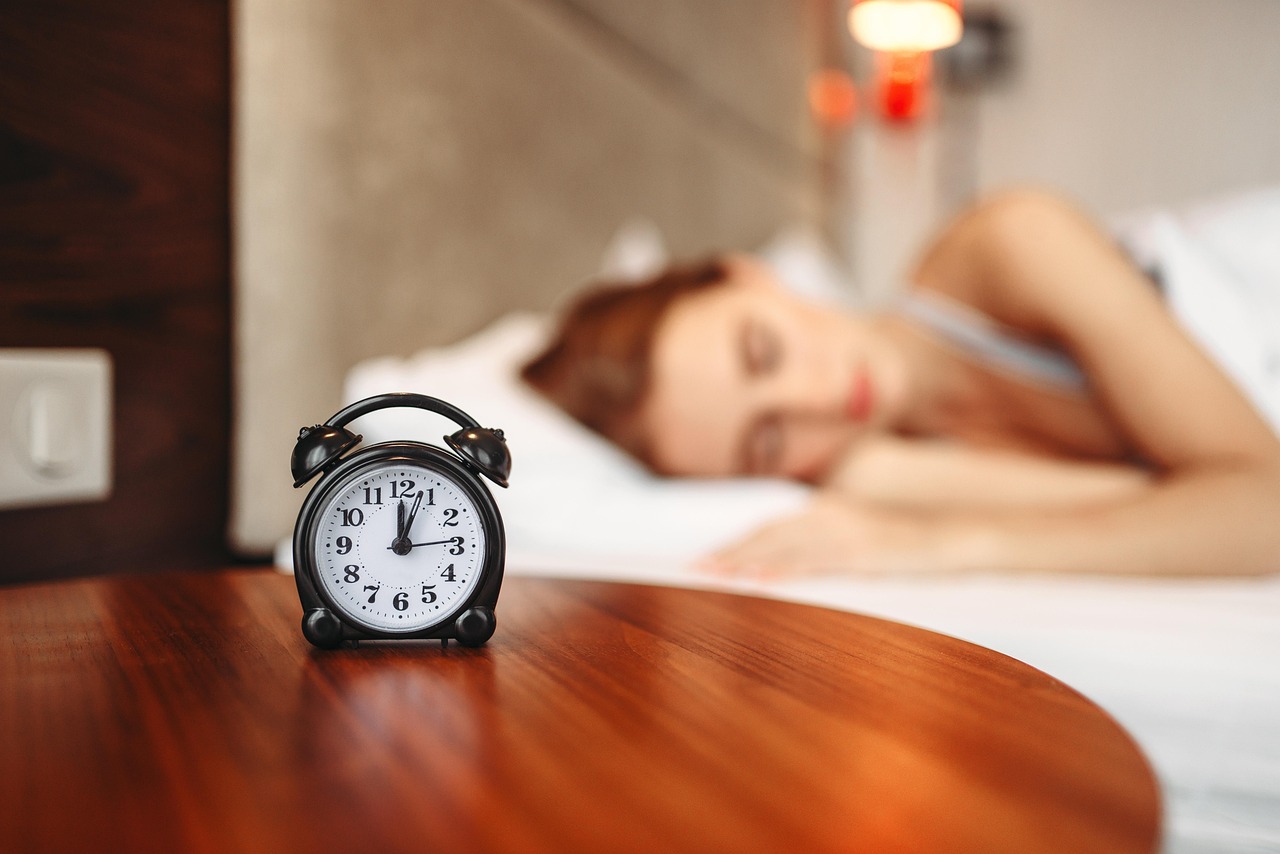
Sleep is one of the most powerful tools for physical and mental recovery, yet millions struggle to get quality rest each night. The good news? You can transform your sleep patterns in as little as 14 to 30 days by building a consistent, restful routine.

Whether you’re dealing with insomnia, restless nights, or simply feeling unrested despite spending hours in bed, establishing a sleep routine can be life-changing. This comprehensive guide will walk you through the science-backed strategies to revolutionize your sleep quality and wake up feeling genuinely refreshed every morning.
Why Your Sleep Routine Matters More Than You Think 😴
Your body operates on a circadian rhythm, an internal biological clock that regulates sleep-wake cycles over a 24-hour period. When this rhythm is disrupted, everything from your mood to your immune system suffers. Research shows that inconsistent sleep patterns can lead to increased stress hormones, weight gain, decreased cognitive function, and even long-term health issues like cardiovascular disease.
The foundation of quality sleep isn’t just about the hours you spend in bed. It’s about consistency, environment, and the habits you build around your rest time. Your brain thrives on predictability, and when you establish a regular sleep routine, your body begins to anticipate rest, making it easier to fall asleep and stay asleep throughout the night.
Studies have demonstrated that people who maintain consistent sleep schedules report better overall health, improved memory consolidation, enhanced emotional regulation, and greater daytime energy levels. The transformation doesn’t happen overnight, but within 14 to 30 days, your body can adjust to new patterns and establish healthier sleep architecture.
The 14-Day Foundation: Building Your Sleep Schedule
The first two weeks are crucial for establishing the groundwork of your new sleep routine. During this period, your primary focus should be on consistency rather than perfection. Choose a realistic bedtime and wake time that you can maintain seven days a week, including weekends.
Your target should be getting between 7 to 9 hours of sleep, depending on your individual needs. To determine your ideal sleep duration, pay attention to how you feel after different amounts of rest. Some people function optimally on 7 hours, while others need a full 9 hours to feel their best.
Setting Your Sleep Window
Calculate your ideal sleep window by working backward from your required wake time. If you need to wake at 6:00 AM and require 8 hours of sleep, your target bedtime would be 10:00 PM. However, remember to account for the time it takes you to fall asleep, typically 15 to 30 minutes for most people.
During the first 14 days, commit to going to bed within a 30-minute window of your target time and waking up at the same time every morning, even if you didn’t sleep well. This consistency is the cornerstone of resetting your circadian rhythm.
Creating Your Pre-Sleep Ritual: The Golden Hour ✨
The hour before bed sets the stage for quality sleep. This sacred time should be dedicated to activities that signal to your brain and body that it’s time to wind down. Your pre-sleep ritual should be enjoyable and relaxing, making it something you look forward to rather than a chore.
Start by dimming the lights in your home about 60 to 90 minutes before bed. Bright lights, especially blue light from screens, suppress melatonin production, the hormone responsible for making you feel sleepy. Consider using amber-tinted bulbs or dimmer switches in your evening spaces.
Screen Time and Digital Detox
One of the most challenging but impactful changes you can make is limiting screen exposure before bed. The blue light emitted by phones, tablets, and computers disrupts your natural sleep-wake cycle by tricking your brain into thinking it’s still daytime.
Implement a digital sunset at least 60 minutes before your target bedtime. If you must use devices, enable night mode or blue light filters. Better yet, replace screen time with activities like reading a physical book, gentle stretching, journaling, or listening to calming music or podcasts.
Optimizing Your Sleep Environment 🛏️
Your bedroom should be a sanctuary designed exclusively for sleep and intimacy. Environmental factors play a massive role in sleep quality, and small adjustments can yield significant improvements within your 14 to 30-day transformation period.
Temperature is one of the most critical factors. Research indicates that the optimal sleep temperature is between 60-67°F (15-19°C). Your body temperature naturally drops as you prepare for sleep, and a cooler room facilitates this process. If you tend to get cold, use breathable layers that you can adjust rather than heating the entire room.
Light, Sound, and Comfort
Invest in blackout curtains or a quality sleep mask to eliminate light pollution. Even small amounts of light can interfere with melatonin production and disrupt your sleep cycles. If you live in a noisy environment, consider white noise machines, earplugs, or noise-canceling options to create acoustic consistency.
Your mattress and pillows should provide proper support for your body type and sleeping position. If you wake up with aches or pains, it might be time to evaluate your sleep surface. While you don’t need to buy the most expensive option, quality sleep equipment is an investment in your health and wellbeing.
The Power of Morning Routines in Sleep Transformation ☀️
Surprisingly, what you do in the morning significantly impacts how well you sleep at night. Your daytime habits set the tone for your circadian rhythm, making morning routines just as important as evening ones.
Exposure to natural light within the first 30 to 60 minutes of waking is one of the most powerful signals you can send to your internal clock. This morning light exposure helps regulate cortisol production, increases alertness, and sets the timer for melatonin production later in the evening.
Try to get at least 10 to 15 minutes of outdoor light exposure shortly after waking, even on cloudy days. If you wake before sunrise or live in an area with limited natural light, consider a light therapy lamp designed to mimic natural daylight.
Movement and Caffeine Timing
Incorporating movement into your morning routine helps solidify your wake time and improves overall sleep quality. This doesn’t require an intense workout; even a 10-minute walk or gentle stretching session signals to your body that it’s time to be active and alert.
If you’re a coffee drinker, be strategic about timing. Caffeine has a half-life of about 5 to 6 hours, meaning it stays in your system much longer than you might think. Avoid caffeine consumption after 2:00 PM if you have a 10:00 PM bedtime, and consider reducing your overall intake if you’re particularly sensitive.
Weeks 3-4: Fine-Tuning and Troubleshooting 🔧
As you enter the second half of your sleep transformation, you should start noticing improvements in how quickly you fall asleep and how rested you feel upon waking. This is the time to assess what’s working and make adjustments to optimize your routine further.
Keep a simple sleep journal during this period, noting your bedtime, wake time, how long it took to fall asleep, number of awakenings, and how refreshed you feel in the morning. This data will help you identify patterns and make informed adjustments.
Common Obstacles and Solutions
If you’re still struggling to fall asleep within 20 minutes, don’t lie in bed frustrated. Get up, go to a dimly lit area, and engage in a quiet, non-stimulating activity until you feel sleepy. This prevents your brain from associating your bed with wakefulness and anxiety.
For those experiencing middle-of-the-night awakenings, avoid checking the time, as this can trigger stress about lost sleep. Practice relaxation techniques like deep breathing or progressive muscle relaxation to ease back into sleep naturally.
Nutrition and Supplementation for Better Sleep 🥗
What you eat and when you eat it can significantly impact your sleep quality. Heavy meals close to bedtime can cause discomfort and interfere with your body’s natural cooling process. Aim to finish dinner at least 3 hours before bed, and if you need a light snack, choose options that promote sleep.
Foods rich in tryptophan, magnesium, and complex carbohydrates can support sleep. Consider evening snacks like a small bowl of oatmeal, banana with almond butter, or chamomile tea with honey. These provide gentle nourishment without overwhelming your digestive system.
Sleep-Supporting Supplements
While not necessary for everyone, certain supplements can support your sleep transformation. Magnesium glycinate is known for its calming properties and muscle relaxation benefits. Melatonin can be helpful for resetting your circadian rhythm, but should be used strategically and at low doses (0.5-3mg) about 1-2 hours before bed.
Other options include L-theanine for relaxation without sedation, glycine for temperature regulation, and ashwagandha for stress reduction. Always consult with a healthcare provider before adding supplements to your routine, especially if you take medications or have underlying health conditions.
Stress Management and Mental Preparation 🧘
Racing thoughts and anxiety are among the most common barriers to quality sleep. Incorporating stress management techniques into your daily routine can dramatically improve your ability to fall and stay asleep.
Practice a “worry dump” about 2 to 3 hours before bed. Spend 10 minutes writing down concerns, to-do items, or persistent thoughts. This brain dump helps externalize worries and signals to your mind that these issues don’t need to be processed during sleep time.
Relaxation Techniques That Work
Experiment with different relaxation methods to find what resonates with you. The 4-7-8 breathing technique, where you inhale for 4 counts, hold for 7, and exhale for 8, activates your parasympathetic nervous system and promotes calm.
Progressive muscle relaxation involves systematically tensing and releasing muscle groups from your toes to your head, releasing physical tension while focusing your mind on bodily sensations rather than thoughts. Guided meditation apps or recordings can also provide structure for bedtime relaxation.
Measuring Your Sleep Transformation Progress 📊
As you reach the end of your 30-day sleep routine journey, take time to reflect on the changes you’ve experienced. Quality sleep improvement shows up in multiple areas of your life, not just in how you feel when you wake up.
Look for improvements in daytime energy, mental clarity, emotional stability, physical recovery from exercise, and overall mood. You might also notice better appetite regulation, improved skin appearance, and enhanced immune function.
If you’re using a sleep tracking device or app, review your data for trends in sleep duration, time spent in different sleep stages, and consistency of your sleep-wake schedule. However, remember that subjective measures of how you feel are equally important as objective data.
Making Your Sleep Routine Sustainable for Life 💪
The real magic happens when your 14 to 30-day routine becomes a permanent lifestyle change. To maintain your sleep transformation, continue prioritizing consistency even as circumstances change. Life will inevitably disrupt your routine occasionally, but having a strong foundation makes it easier to return to healthy patterns.
Allow yourself grace for occasional deviations, such as social events or travel, but aim to get back on track within a day or two. The more consistent you are over time, the more resilient your sleep patterns become, making occasional disruptions less impactful.
Build flexibility into your routine by having backup strategies for different situations. If you can’t do your full pre-sleep ritual, have a shortened version. If your sleep environment changes when traveling, bring key items like a sleep mask or white noise app to maintain some consistency.

Your Sleep Transformation Awaits 🌙
Transforming your sleep in 14 to 30 days is absolutely achievable when you approach it with commitment and consistency. The strategies outlined in this guide are based on sleep science and have helped countless individuals reclaim their rest and vitality.
Remember that sleep is not a luxury—it’s a biological necessity that impacts every aspect of your health and performance. By investing time and attention into building a restful routine, you’re investing in your overall quality of life, productivity, and longevity.
Start tonight by choosing just one or two strategies to implement, then gradually add more elements as they become habitual. Your future well-rested self will thank you for taking this important step toward better health through better sleep.