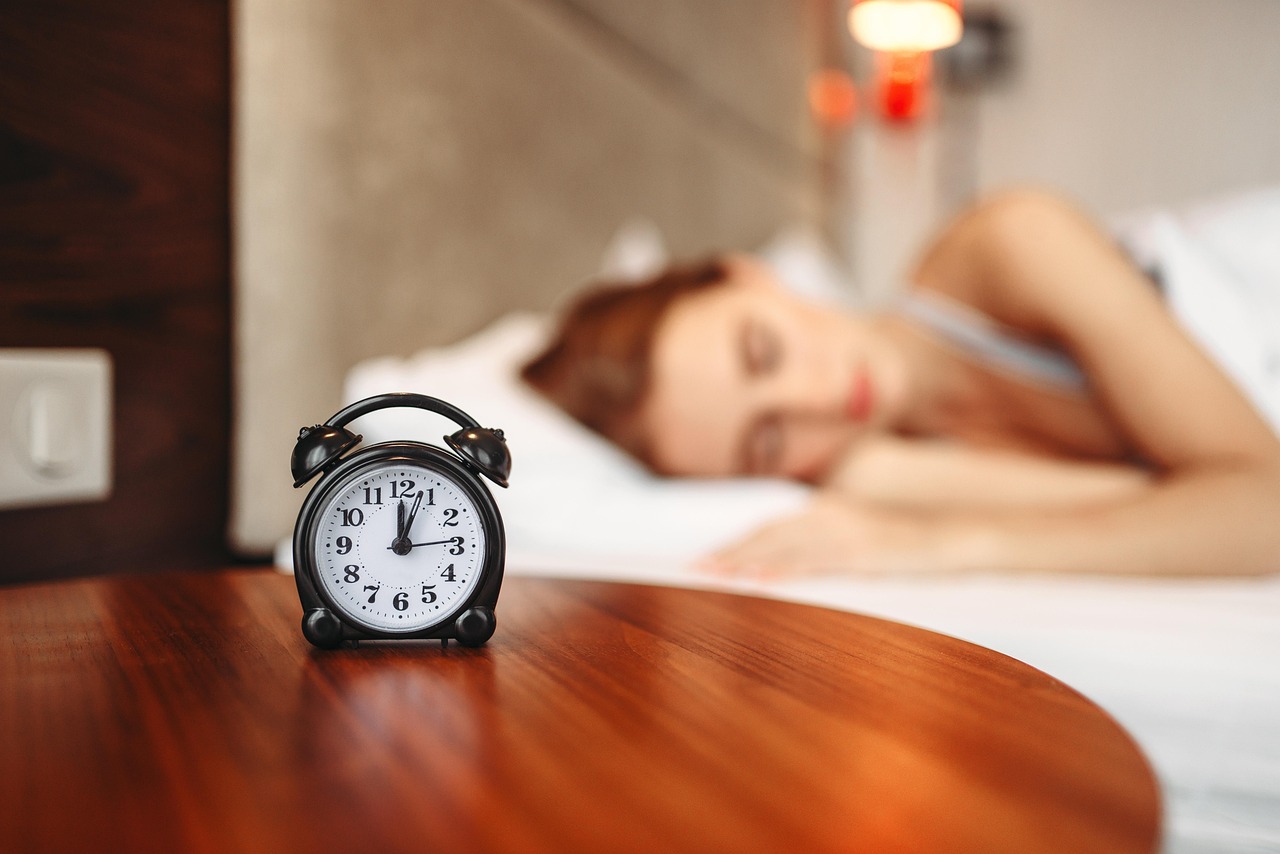
Sleep is one of the most essential pillars of health, yet millions struggle to understand why they’re not getting the rest they need. While wearable technology has revolutionized how we track our sleep patterns, there’s a profound gap between data and understanding that only a traditional sleep diary can bridge.

The promise of perfect sleep tracking through smartwatches and fitness bands is alluring. These devices measure heart rate variability, movement patterns, and even blood oxygen levels throughout the night. But despite their sophisticated sensors and algorithms, wearables miss crucial elements that influence sleep quality—the human experiences, emotions, and contextual factors that only you can observe and record.
The Hidden Dimensions of Sleep That Technology Can’t Capture 🌙
Wearable devices excel at measuring physiological markers, but sleep is far more complex than heart rates and movement cycles. A sleep diary captures the nuanced, subjective experiences that happen in the hours before you close your eyes and the moments after you wake up.
Your evening argument with a family member, the caffeine you consumed at 4 PM, or the worry about tomorrow’s presentation—these psychological and environmental factors profoundly impact sleep quality. Yet no algorithm can detect them unless you consciously record them.
The Emotional Landscape of Your Bedtime
Stress, anxiety, and emotional states play massive roles in sleep quality. While a fitness tracker might show you were awake at 2 AM, it can’t tell you that you were lying there replaying a difficult conversation or worrying about finances. A sleep diary documents these mental states, creating connections between your emotional life and sleep patterns.
This emotional context is critical for identifying triggers. You might discover that certain types of stress affect your sleep differently, or that particular coping mechanisms help you rest better than others.
Pre-Sleep Behaviors That Make or Break Your Night
The two to three hours before bed are crucial for sleep quality, yet wearables typically only track what happens once you’re already in bed. A comprehensive sleep diary captures the evening routine that sets the stage for rest.
- What time did you eat dinner and what did you consume?
- How much screen time did you have before bed?
- Did you exercise, and if so, how close to bedtime?
- What was the temperature and lighting in your environment?
- Did you engage in relaxing activities like reading or meditation?
- How much alcohol or caffeine did you consume throughout the day?
These behavioral patterns create a narrative that technology alone cannot construct. When you review your diary after several weeks, patterns emerge that would remain invisible if you relied solely on device data.
The Caffeine Connection Nobody Tracks Properly
Most people underestimate how long caffeine affects their system. With a half-life of 5-6 hours, that afternoon coffee still has 25% of its caffeine in your bloodstream at bedtime. Wearables might show disrupted sleep, but only a diary connects it to that 3 PM espresso you had forgotten about.
By logging every caffeinated beverage with timestamps, you can identify your personal caffeine cutoff time—the point after which consumption consistently disrupts your sleep. This personalized insight is far more valuable than generic advice to avoid caffeine after 2 PM.
Sleep Quality vs. Sleep Quantity: The Subjective Experience 😴
Wearable technology provides impressive data about sleep duration and stages, but it struggles with something fundamental: how you actually feel. You might have eight hours of sleep that your device rates as “excellent,” yet wake up feeling exhausted. Conversely, six hours might leave you feeling refreshed and energized.
A sleep diary captures this subjective quality through simple questions: How rested do you feel? What’s your energy level? How’s your mood and mental clarity? These self-assessments often reveal more about true sleep quality than any algorithm.
The Morning Mental State Assessment
Upon waking, you experience sensations and mental states that no device can measure. Do you feel mentally foggy or sharp? Is there tension in your body? How’s your motivation level? These morning observations, recorded consistently, paint a picture of how well your sleep is actually serving you.
This subjective data becomes especially powerful when correlated with your diary’s behavioral entries. You might discover that nights when you journal before bed lead to better mental clarity the next morning, regardless of total sleep duration.
Environmental Factors in the Analog World 🌡️
Your sleep environment includes countless variables that wearables simply cannot detect. While some advanced devices track room temperature, they miss the bigger environmental picture that significantly impacts rest quality.
| Environmental Factor | Impact on Sleep | Diary Can Track | Wearable Can Track |
|---|---|---|---|
| Room temperature | High | Yes | Some devices |
| Noise levels | High | Yes | No |
| Light pollution | Very High | Yes | No |
| Bedding comfort | Medium | Yes | No |
| Partner disturbances | High | Yes | No |
| Pet interruptions | Medium | Yes | No |
That street construction starting at 6 AM, your partner’s snoring, or the neighbor’s dog barking—these real-world disruptions affect your sleep but remain invisible to your wearable. A diary captures these contextual details that explain why certain nights differ from others.
Medication and Supplement Tracking That Matters 💊
Many people take medications or supplements that affect sleep, from prescription drugs to melatonin to magnesium. The timing, dosage, and combinations of these substances can dramatically impact rest quality, yet no wearable tracks this crucial information.
A sleep diary allows you to record exactly what you took, when you took it, and in what dose. Over time, you can identify which supplements actually help versus those that might be having opposite or neutral effects. This is particularly important because individual responses to sleep aids vary dramatically.
The Medication Timing Experiment
Some medications work better when taken at specific times. By logging medication timing alongside sleep quality assessments, you can work with your healthcare provider to optimize when you take certain drugs. Perhaps taking your medication two hours before bed instead of right before produces better results—information that emerges only through diligent diary keeping.
Dreams, Nightmares, and Sleep Interruptions 🌌
Your inner mental experience during sleep remains completely hidden from technology. Dreams, nightmares, recurring themes, and the quality of your mental rest are aspects only you can report. These experiences often reflect psychological states and processing that deserve attention.
Recording dreams and nightmares can reveal patterns connected to stress, diet, medications, or unresolved emotional issues. Some people discover that certain foods trigger vivid dreams, or that stress at work manifests in specific nightmare themes. This psychological dimension of sleep is entirely inaccessible to devices.
When You Wake Up and Why
Wearables detect that you woke up at 3:17 AM, but they can’t tell you why. Did you need the bathroom? Did you have a nightmare? Was it too hot? Did your mind start racing about tomorrow’s meeting? The reason for sleep interruptions is often more important than the interruption itself.
By noting what caused each awakening, you can identify patterns and take action. If bathroom trips consistently disrupt your sleep, you might adjust fluid intake timing. If anxiety wakes you regularly, you might explore stress management techniques before bed.
The Social and Relationship Dimensions of Sleep 👥
Sleep doesn’t happen in isolation. For those who share a bed, relationship dynamics significantly impact rest quality. Disagreements before bed, physical proximity preferences, schedule mismatches, and partner sleep disturbances all affect your sleep but remain invisible to solo wearable tracking.
A sleep diary can track relationship factors: Did you go to bed at the same time? Was there conflict during the evening? Did your partner’s schedule disrupt your sleep? These interpersonal elements often prove critical for improving rest quality but require conscious observation and recording.
Creating Actionable Insights Through Pattern Recognition 📊
The real power of a sleep diary emerges after several weeks of consistent entries. Patterns become visible that would never surface from wearable data alone. You might discover that you sleep poorly every Sunday night (anticipatory anxiety about the work week), or that meals containing certain ingredients consistently disrupt your rest.
These patterns enable specific, personalized interventions. Rather than following generic sleep hygiene advice, you can address your unique sleep disruptors. This personalized approach is far more effective than one-size-fits-all recommendations.
The Weekly Review Practice
Set aside 15 minutes each week to review your sleep diary entries. Look for correlations between behaviors and sleep quality. Which nights felt most restful? What did those days have in common? Which factors consistently predict poor sleep? This analytical review transforms scattered observations into actionable wisdom.
Combining Diary and Technology for Complete Understanding 🔄
The most powerful approach isn’t choosing between a sleep diary and wearable technology—it’s using both together. Wearables provide objective physiological data, while diaries add the subjective, contextual, and behavioral layers that complete the picture.
When your fitness tracker shows unusually light sleep, consult your diary to understand why. Perhaps you ate late, had an argument, or consumed alcohol. The technology identifies the anomaly; the diary explains it. Together, they create a comprehensive sleep intelligence system.
Digital Diaries That Bridge Both Worlds
Modern sleep diary apps offer the best of both approaches. They provide structured prompts for logging behavioral and environmental factors while often integrating with wearable devices to incorporate physiological data. This hybrid approach reduces the burden of tracking while maintaining the rich contextual information that makes diaries valuable.
What to Include in Your Sleep Diary for Maximum Benefit 📝
An effective sleep diary doesn’t need to be complicated, but it should be comprehensive enough to capture the factors that influence your rest. Consider organizing entries into three time periods: evening, night, and morning.
Evening entries should capture your pre-sleep routine, including meal timing and content, caffeine and alcohol consumption, exercise, screen time, stress levels, and any conflicts or emotional events. Note what time you started winding down and what relaxation techniques you used.
Night entries recorded the following morning should include estimated sleep and wake times (if not using a device), number and cause of awakenings, dreams or nightmares, environmental disturbances, and any physical discomfort or pain that affected rest.
Morning assessments capture subjective sleep quality, how rested you feel, energy levels, mood, mental clarity, and any lingering effects from the night. These subjective measures often prove more predictive of daytime functioning than objective sleep duration.
The Commitment That Changes Everything 💪
Maintaining a sleep diary requires dedication. Unlike a wearable that tracks automatically, a diary demands daily attention and honesty. This commitment itself becomes therapeutic—the act of paying attention to your sleep behaviors often naturally improves them.
Start with a two-week commitment. This duration is long enough to capture patterns but short enough to feel manageable. Most people find that the insights gained during this period motivate continued tracking. The revelations about personal sleep patterns typically surprise even those who thought they understood their rest well.
Making It Sustainable
Keep your sleep diary simple and accessible. Whether you prefer a notebook by your bedside or a smartphone app, choose a method you’ll actually use consistently. Some people prefer the tactile experience of writing by hand, while others appreciate the convenience and searchability of digital entries.
Consider setting reminders for evening and morning entries until the practice becomes habitual. The key is consistency—sporadic entries provide limited value compared to a complete record that reveals patterns over time.
Beyond Personal Insight: Communicating With Healthcare Providers 🏥
A detailed sleep diary becomes an invaluable tool when consulting with healthcare providers about sleep issues. While wearable data shows numbers, a diary tells the story behind those numbers—the lifestyle, environmental, and psychological context that doctors need to make accurate assessments and recommendations.
Many sleep specialists request patients maintain diaries before appointments because this information dramatically improves diagnostic accuracy. The combination of your subjective experiences and objective tracking data gives clinicians a complete picture that leads to more effective treatment plans.
The Long Game: Tracking Life Changes and Sleep Evolution
Sleep needs and patterns change throughout life. A sleep diary maintained over months or years documents how major life changes affect your rest. Career transitions, relationship changes, relocations, health conditions, and aging all influence sleep in ways that become clear only through longitudinal tracking.
This long-term perspective helps you adapt your sleep strategies as your life evolves. What worked in your twenties might not work in your forties. A historical sleep diary reveals how your personal sleep needs and effective interventions change over time, allowing you to stay ahead of sleep difficulties rather than simply reacting to them.
Reclaiming Sleep Through Conscious Attention 🌟
In our technology-obsessed culture, it’s easy to believe that more data automatically leads to better outcomes. But sleep is deeply human—influenced by emotions, relationships, environments, and behaviors that no sensor can capture. A sleep diary honors this complexity by recognizing that you are the ultimate expert on your own experience.
The act of maintaining a sleep diary shifts your relationship with rest from passive to active. Rather than hoping for good sleep or blaming poor nights on mysterious forces, you become an investigator uncovering your personal sleep formula. This empowerment, combined with the rich contextual insights a diary provides, often proves more transformative than any wearable technology.
The path to better sleep isn’t about choosing between old methods and new technology—it’s about recognizing what each tool offers and using them together strategically. Your wearable provides the what; your diary provides the why. Together, they unlock the understanding needed to finally achieve the restorative sleep you deserve.