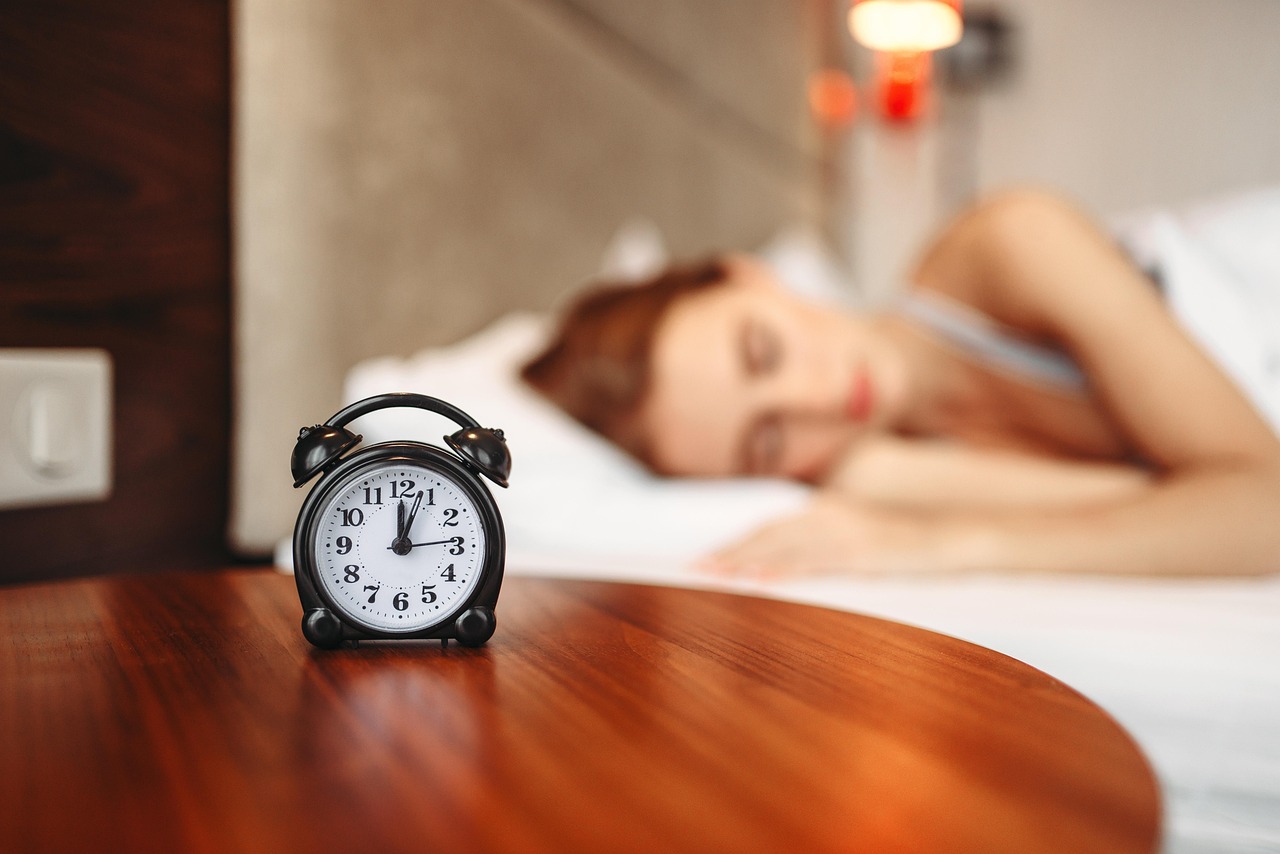
Sleep quality affects every aspect of your daily life, from productivity to emotional balance. Understanding and measuring what truly impacts your rest can transform your nights and revolutionize your overall wellness journey.

In our data-driven world, we track everything from steps to calories, yet many people overlook the importance of monitoring sleep metrics effectively. The key isn’t just collecting data—it’s identifying the right Key Performance Indicators (KPIs) that genuinely reflect sleep quality and guide meaningful improvements. By choosing impactful sleep KPIs, you create a roadmap toward consistently restful nights and enhanced well-being.
🎯 Understanding Sleep KPIs: Beyond Simple Tracking
Key Performance Indicators for sleep aren’t just numbers on a smartwatch or app. They’re meaningful measurements that reveal patterns, identify problems, and highlight opportunities for improvement. Unlike vanity metrics that look impressive but offer little actionable insight, true sleep KPIs directly correlate with how refreshed and energized you feel upon waking.
The difference between casual sleep tracking and strategic KPI monitoring lies in intentionality. Effective sleep KPIs answer specific questions about your rest quality, duration, consistency, and the factors influencing them. They help you understand not just how long you slept, but how well you slept and what environmental or behavioral factors contributed to that outcome.
When selecting sleep KPIs, consider both objective measurements (like total sleep time) and subjective assessments (like perceived restfulness). This balanced approach provides a comprehensive picture of your sleep health that purely quantitative data cannot capture alone.
Essential Sleep KPIs Worth Monitoring 💤
Total Sleep Duration
The foundation of sleep tracking remains total sleep duration. Most adults require between 7-9 hours of sleep per night, though individual needs vary. This KPI establishes your baseline and helps identify whether you’re consistently meeting your body’s sleep requirements.
However, duration alone doesn’t tell the complete story. A person sleeping 8 hours with frequent interruptions may feel less rested than someone sleeping 7 uninterrupted hours. That’s why total sleep duration works best when combined with other quality indicators.
Sleep Efficiency Percentage
Sleep efficiency measures the percentage of time you’re actually asleep versus the time you spend in bed. Calculate it by dividing total sleep time by total time in bed, then multiplying by 100. A sleep efficiency of 85% or higher generally indicates good sleep quality.
This metric reveals whether you’re spending too much time awake in bed, which can create negative associations with your sleep environment. Low sleep efficiency often signals issues like difficulty falling asleep, frequent nighttime awakenings, or early morning arousal problems.
Sleep Latency
Sleep latency refers to how long it takes you to fall asleep after getting into bed. The ideal range is typically 10-20 minutes. Falling asleep in less than 5 minutes might indicate sleep deprivation, while consistently taking more than 30 minutes suggests potential sleep onset difficulties.
Tracking this KPI helps you understand whether your pre-sleep routine effectively prepares your body for rest or whether factors like stress, caffeine, or screen time are interfering with your natural sleep drive.
Wake After Sleep Onset (WASO)
WASO measures the total time you spend awake after initially falling asleep, excluding final awakening. This KPI captures those middle-of-the-night disruptions that fragment your sleep and reduce its restorative quality.
Frequent or prolonged nighttime awakenings can prevent you from completing sufficient sleep cycles, particularly affecting deep and REM sleep stages. Monitoring WASO helps identify patterns related to factors like room temperature, noise, caffeine consumption, or underlying health conditions.
Sleep Consistency Score
Your sleep consistency reflects the regularity of your sleep-wake schedule. Going to bed and waking up at similar times daily helps stabilize your circadian rhythm, improving overall sleep quality even more than slightly longer but irregular sleep patterns.
Calculate a weekly consistency score by tracking the standard deviation of your bedtimes and wake times. Lower variation indicates better consistency. Research shows that sleep regularity predicts academic performance, mood stability, and long-term health outcomes better than sleep duration alone.
🧠 Advanced Sleep Metrics for Deeper Insights
Sleep Stage Distribution
Modern sleep trackers estimate time spent in different sleep stages: light sleep, deep sleep, and REM (rapid eye movement) sleep. Each stage serves distinct restorative functions, from physical recovery during deep sleep to memory consolidation during REM sleep.
While consumer devices aren’t as accurate as clinical sleep studies, they provide useful trends over time. Adults typically spend about 50% of sleep in light stages, 20-25% in deep sleep, and 20-25% in REM sleep, though these percentages vary individually and change with age.
Resting Heart Rate During Sleep
Your sleeping heart rate offers insights into recovery, stress levels, and overall cardiovascular health. A lower resting heart rate during sleep generally indicates better cardiovascular fitness and effective recovery. Tracking trends helps identify whether lifestyle changes positively impact your physiological stress levels.
Elevated nighttime heart rate might signal inadequate recovery, illness onset, alcohol consumption, or elevated stress. Pairing this metric with other sleep KPIs creates a more comprehensive wellness picture.
Heart Rate Variability (HRV)
HRV measures the variation in time intervals between heartbeats, reflecting your autonomic nervous system’s balance. Higher HRV typically indicates better stress resilience and recovery capacity. Many athletes and wellness enthusiasts consider HRV among their most valuable health metrics.
During sleep, HRV should generally be higher than during waking hours, reflecting parasympathetic (rest-and-digest) nervous system dominance. Declining HRV trends may suggest overtraining, insufficient recovery, or mounting stress that compromises sleep quality.
Environmental and Behavioral KPIs That Influence Sleep Quality 🌡️
Bedroom Temperature Tracking
Room temperature significantly impacts sleep quality, with most sleep experts recommending 60-67°F (15-19°C) for optimal rest. Your body temperature naturally drops during sleep, and a cooler environment facilitates this process.
Tracking bedroom temperature as a KPI helps you correlate temperature fluctuations with sleep quality variations. Many people discover they sleep better on cooler nights or after adjusting their thermostat settings.
Light Exposure Patterns
Light exposure, particularly blue light from screens, affects melatonin production and circadian rhythm alignment. Tracking evening light exposure helps identify whether your pre-sleep habits support or sabotage your sleep drive.
Consider monitoring both the timing and duration of screen exposure before bed. Many find that implementing a “digital sunset” 1-2 hours before bedtime significantly improves sleep latency and quality.
Caffeine and Alcohol Consumption Timing
While not traditional KPIs, logging caffeine and alcohol consumption times provides valuable context for sleep quality variations. Caffeine has a half-life of 5-6 hours, meaning afternoon consumption still affects nighttime sleep. Alcohol may help you fall asleep faster but fragments sleep and reduces REM sleep.
By tracking consumption timing alongside sleep metrics, you’ll identify your personal cutoff times for these substances—information that proves far more valuable than general recommendations.
Creating Your Personalized Sleep KPI Dashboard 📊
With numerous potential sleep metrics available, the key is selecting a manageable set of KPIs that provide actionable insights without creating tracking fatigue. Start with 3-5 core metrics that address your specific sleep challenges or wellness goals.
If you struggle with falling asleep, prioritize sleep latency, evening light exposure, and caffeine timing. If you wake frequently, focus on WASO, bedroom temperature, and alcohol consumption. For general optimization, combine total sleep duration, sleep efficiency, and consistency score.
Many sleep tracking apps offer comprehensive monitoring capabilities. Applications like Sleep Cycle, Pillow, or Sleep as Android provide detailed analytics that help you identify patterns and track improvements over time.
Establishing Your Baseline
Before implementing changes, track your chosen KPIs for 1-2 weeks to establish baseline measurements. This period reveals your current sleep patterns and identifies the most problematic areas requiring attention.
During baseline tracking, maintain your normal routine without making deliberate changes. Accurate baseline data ensures you can later attribute improvements to specific interventions rather than natural variation.
Setting Realistic Sleep Goals
Transform your KPIs into actionable goals. Instead of vague aspirations like “sleep better,” set specific targets: “Achieve 85% sleep efficiency within one month” or “Reduce sleep latency to under 20 minutes within three weeks.”
Ensure goals are achievable and address one or two KPIs at a time. Attempting to optimize everything simultaneously often leads to overwhelm and abandonment of the entire tracking system.
Interpreting Your Sleep Data for Actionable Improvements 🔍
Collecting data serves little purpose without interpretation and action. Weekly reviews of your sleep KPIs help identify patterns that daily observations might miss. Look for correlations between behaviors, environmental factors, and sleep quality metrics.
Did your sleep efficiency drop on nights following late workouts? Did alcohol consumption consistently increase WASO? Did maintaining consistent bedtimes improve your subjective energy ratings? These insights guide evidence-based adjustments to your sleep hygiene practices.
Common Patterns and What They Reveal
Certain KPI patterns indicate specific issues. Consistently high sleep latency with low sleep efficiency suggests difficulty initiating sleep—potentially addressing stress management or pre-sleep routine improvements. Normal latency but high WASO might indicate environmental disruptions, sleep apnea, or other medical concerns worth discussing with healthcare providers.
Low deep sleep percentages combined with morning grogginess often respond well to increased daytime physical activity and stress reduction techniques. Insufficient REM sleep might improve with better sleep schedule consistency and addressing anxiety or medications that suppress REM stages.
Technology Tools for Effective Sleep Tracking ⌚
Modern technology offers numerous sleep tracking options, from dedicated devices to smartphone apps. Wearable devices like fitness trackers and smartwatches provide continuous monitoring without requiring active engagement, making them ideal for consistent long-term tracking.
Smartphone-based apps often use accelerometer data and sound analysis to estimate sleep stages. While less accurate than wearables with heart rate monitoring, they require no additional hardware investment and work well for tracking basic KPIs like duration, consistency, and subjective quality.
For Android users seeking comprehensive sleep tracking, Sleep as Android offers extensive features including smart alarm capabilities, snore detection, and integration with various wearable devices for enhanced accuracy.
Balancing Technology and Sleep Hygiene
Ironically, excessive focus on sleep metrics can create performance anxiety that worsens sleep—a phenomenon called orthosomnia. Use technology as a tool for insights rather than obsessing over nightly variations. Week-to-week trends matter far more than individual night fluctuations.
Consider whether bedroom devices create light or electromagnetic interference that might affect your sleep. If tracking requires keeping your phone near your bed, ensure it’s in airplane mode and positioned face-down to minimize light exposure.
Transforming Insights Into Lasting Sleep Improvements 🌟
The ultimate purpose of tracking sleep KPIs is creating sustainable behavior changes that enhance sleep quality. Once you’ve identified problematic patterns, implement targeted interventions and monitor their effects on your chosen metrics.
Start with the highest-impact, lowest-effort changes. Often, simple adjustments like establishing consistent sleep times, optimizing bedroom temperature, or limiting evening caffeine produce measurable improvements within days. Save more complex interventions for stubborn issues that don’t respond to basic sleep hygiene improvements.
Building a Sleep-Positive Environment
Your bedroom environment profoundly influences multiple sleep KPIs simultaneously. Optimize temperature, minimize light and noise, invest in comfortable bedding, and reserve your bed exclusively for sleep and intimacy. These environmental improvements support better sleep efficiency, reduced WASO, and improved subjective sleep quality.
Consider blackout curtains, white noise machines, or temperature-regulating bedding if your KPI data reveals environmental factors consistently correlating with poor sleep nights.
Developing Consistent Sleep Rituals
A consistent pre-sleep routine signals your body that rest approaches, improving sleep latency and overall sleep quality. Your KPI tracking helps you identify which routine elements most effectively prepare you for sleep.
Experiment with activities like reading, gentle stretching, meditation, or warm baths. Track how different pre-sleep activities correlate with your sleep latency and overall sleep efficiency to discover your optimal wind-down routine.
When Sleep KPIs Signal Deeper Health Concerns 🏥
While sleep tracking provides valuable personal insights, certain patterns warrant professional evaluation. Consistently poor sleep efficiency despite good sleep hygiene, excessive daytime sleepiness, loud snoring with breathing pauses, or persistent insomnia lasting more than a few weeks should prompt consultation with healthcare providers.
Sleep disorders like sleep apnea, restless leg syndrome, or chronic insomnia require medical diagnosis and treatment. Your tracked KPI data can provide valuable information to share with healthcare providers, offering concrete evidence of your sleep patterns and challenges.
Don’t let technology replace medical advice. View your sleep KPIs as early warning systems that help you recognize when professional intervention might benefit you, and as tools for monitoring whether treatments effectively improve your sleep quality.

The Journey Toward Consistently Restorative Sleep 🚀
Improving sleep quality through KPI monitoring is an ongoing journey rather than a destination. Your sleep needs and patterns evolve with age, life circumstances, and health status. Regular monitoring helps you adapt your sleep practices to changing requirements and maintain optimal rest throughout different life phases.
Celebrate improvements in your chosen KPIs while maintaining perspective about occasional poor nights. Sleep quality naturally fluctuates, and periodic disruptions don’t negate overall progress. Focus on weekly and monthly trends rather than obsessing over individual nights.
By choosing impactful sleep KPIs, consistently monitoring them, interpreting patterns thoughtfully, and implementing evidence-based improvements, you create a personalized roadmap toward better sleep. This systematic approach transforms sleep from something that happens to you into something you actively optimize—unlocking the profound benefits that consistently restorative rest provides for physical health, mental clarity, emotional resilience, and overall life quality.
Your commitment to understanding and improving your sleep through strategic KPI selection represents an investment in every aspect of your well-being. Quality sleep enhances productivity, strengthens immune function, stabilizes mood, supports healthy weight management, and reduces chronic disease risk. The insights gained from thoughtful sleep tracking empower you to make informed decisions that compound over time, creating lasting improvements in how you feel every single day.