# Unlocking the Mystery of Caffeine Half-Life: Simple Insights to Understand How Long That Coffee Buzz Lasts

Ever wondered why your morning coffee keeps you energized for hours while that late afternoon espresso keeps you tossing and turning at midnight?
Understanding caffeine half-life is the key to mastering your energy levels throughout the day. This biological timeline determines how long caffeine remains active in your system, affecting everything from your alertness to your sleep quality. Let’s dive deep into this fascinating subject and discover how you can optimize your caffeine consumption for maximum benefit.
☕ What Exactly Is Caffeine Half-Life?
Caffeine half-life refers to the time it takes for your body to eliminate half of the caffeine you’ve consumed. For most adults, this typically ranges between 3 to 5 hours, though individual variations can extend this window significantly.
When you drink a cup of coffee containing 200mg of caffeine, approximately 100mg will still be circulating in your bloodstream after 5 hours. After another 5 hours, you’ll have roughly 50mg remaining. This exponential decay pattern continues until your body completely metabolizes the caffeine.
The concept might seem straightforward, but the reality is far more complex. Your genetics, age, lifestyle habits, and even medications can dramatically alter how quickly or slowly your body processes this popular stimulant.
🧬 The Science Behind Caffeine Metabolism
Your liver is the primary processing center for caffeine metabolism. Specifically, an enzyme called CYP1A2 breaks down caffeine into various compounds that your body can eventually eliminate through urine.
This enzyme’s efficiency varies significantly from person to person. Some individuals are “fast metabolizers” who process caffeine quickly, while others are “slow metabolizers” who retain caffeine in their systems much longer. This genetic variation explains why your colleague can drink espresso after dinner and sleep soundly while you need to cut off caffeine by noon.
The Metabolic Pathway
Once consumed, caffeine is rapidly absorbed through your gastrointestinal tract, reaching peak blood concentration within 45 minutes. From there, it crosses the blood-brain barrier, where it blocks adenosine receptors—the mechanism responsible for that alert, energized feeling.
The metabolism process produces three primary metabolites: paraxanthine (84%), theobromine (12%), and theophylline (4%). Each has distinct effects on your body, contributing to caffeine’s overall impact beyond simple alertness.
⏰ Factors That Influence Your Personal Caffeine Timeline
Understanding the variables that affect caffeine half-life helps you predict how long your coffee buzz will last and plan your consumption accordingly.
Age and Hormonal Changes
As you age, your caffeine metabolism typically slows down. Older adults may experience half-lives extending to 7-8 hours or more. Pregnant women face even longer elimination times, with caffeine half-life potentially doubling to 10-18 hours during the third trimester.
This extended timeline is why healthcare providers recommend limiting caffeine intake during pregnancy—what might be a moderate amount for a non-pregnant individual could result in significantly higher caffeine exposure for both mother and baby.
Smoking and Lifestyle Factors
Surprisingly, smokers metabolize caffeine approximately 50% faster than non-smokers. While this isn’t a reason to start smoking, it explains why some smokers can consume large amounts of caffeine without apparent sleep disruption.
Regular exercise, particularly cardiovascular activity, may also influence caffeine metabolism, though research in this area continues to evolve.
Medications and Supplements
Numerous medications interact with the same liver enzymes responsible for caffeine metabolism. Oral contraceptives, certain antibiotics, antidepressants, and heart medications can significantly extend caffeine half-life.
If you’re taking prescription medications and notice changes in how caffeine affects you, consult your healthcare provider about potential interactions.
📊 Caffeine Content: Know Your Sources
To effectively manage your caffeine intake, you need to understand how much caffeine you’re actually consuming. Here’s a breakdown of common sources:
| Beverage/Food | Serving Size | Caffeine Content (mg) |
|---|---|---|
| Brewed Coffee | 8 oz (240 ml) | 95-200 |
| Espresso | 1 oz (30 ml) | 47-75 |
| Black Tea | 8 oz (240 ml) | 40-70 |
| Green Tea | 8 oz (240 ml) | 25-50 |
| Energy Drink | 8 oz (240 ml) | 70-100 |
| Dark Chocolate | 1 oz (28 g) | 12-25 |
| Cola | 12 oz (355 ml) | 35-45 |
Remember that these ranges vary considerably based on brewing methods, bean origins, and brand formulations. Your favorite coffee shop’s “medium roast” might contain significantly more caffeine than a homemade cup.
💤 The Sleep Connection: Timing Your Last Cup
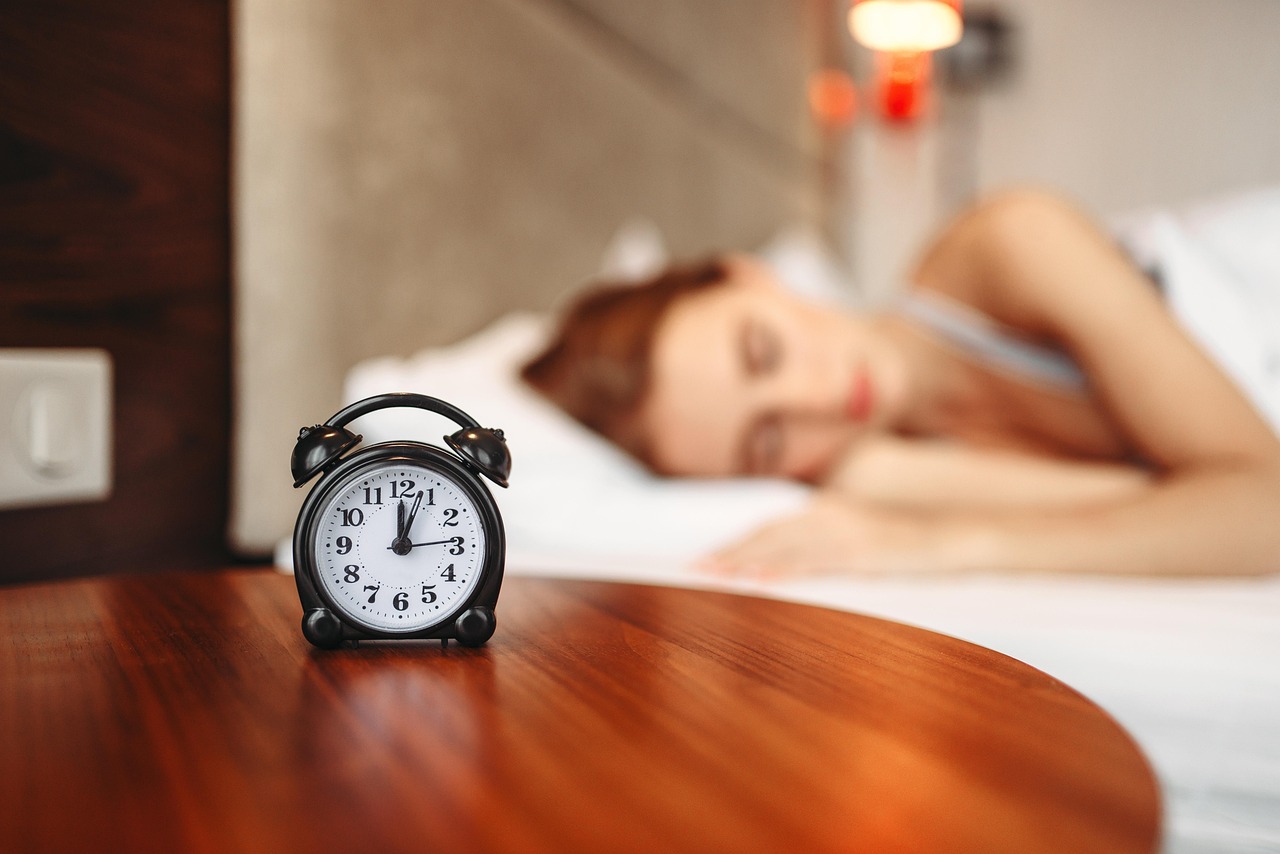
Perhaps the most practical application of understanding caffeine half-life involves optimizing your sleep quality. Even if you don’t feel wired, residual caffeine in your system can reduce sleep quality by fragmenting sleep cycles and reducing deep sleep stages.
The general rule suggests avoiding caffeine at least 6 hours before bedtime. However, considering the complete elimination timeline, some sleep specialists recommend extending this to 8-10 hours for sensitive individuals.
Calculating Your Personal Cutoff Time
If you typically go to bed at 10 PM and have an average caffeine half-life of 5 hours, here’s how your afternoon coffee impacts your sleep:
- Coffee consumed at 2 PM: 50% remaining at 7 PM, 25% at midnight
- Coffee consumed at 4 PM: 50% remaining at 9 PM, 25% at 2 AM
- Coffee consumed at 6 PM: 50% remaining at 11 PM, 25% at 4 AM
This residual caffeine, even at 25% of the original dose, can interfere with your sleep architecture, leaving you feeling unrested despite adequate sleep duration.
🎯 Strategies for Optimizing Your Caffeine Consumption
Armed with knowledge about caffeine half-life, you can develop strategies to maximize benefits while minimizing drawbacks.
The Strategic Timing Approach
Your body’s natural cortisol production peaks between 8-9 AM, noon-1 PM, and 5:30-6:30 PM. Consuming caffeine during these peaks provides less noticeable benefit. Instead, time your caffeine intake for mid-morning (9:30-11 AM) and early afternoon (1:30-3 PM) when cortisol dips naturally.
This approach aligns caffeine’s stimulating effects with your body’s natural energy valleys, creating a more balanced energy profile throughout the day.
The Gradual Reduction Method
If you’re experiencing sleep issues or caffeine dependence, gradually reducing your intake allows your body to adjust without severe withdrawal symptoms. Decrease your daily consumption by 25% each week, replacing caffeinated beverages with decaf alternatives or herbal teas.
Hydration Matters
Proper hydration supports efficient caffeine metabolism. Aim for adequate water intake throughout the day, especially when consuming caffeinated beverages, which have mild diuretic effects.
🔬 Individual Variations: Why We’re All Different
Genetic testing can now reveal your CYP1A2 enzyme variant, categorizing you as a fast or slow caffeine metabolizer. While not necessary for most people, this information can be valuable if you’re particularly sensitive to caffeine or planning your intake around athletic performance.
Fast metabolizers may benefit from multiple smaller doses throughout the day, while slow metabolizers should limit intake to a single morning serving to avoid accumulation effects.
Signs You’re a Slow Metabolizer
- Afternoon coffee disrupts your sleep regularly
- You feel jittery or anxious from moderate caffeine amounts
- Caffeine effects seem to last all day
- You experience heart palpitations from caffeine
- One cup of coffee in the morning affects you into the evening
🏃 Caffeine and Athletic Performance
Understanding caffeine half-life becomes particularly important for athletes timing their intake around training or competition. Peak blood caffeine levels occur 45-60 minutes after consumption, making this the optimal window for performance-enhancing effects.
For morning workouts, consuming caffeine 30-60 minutes beforehand provides maximum benefit. For afternoon or evening training, consider that residual caffeine may impact recovery and sleep quality, potentially undermining your training gains.
⚡ Breaking Free: Managing Caffeine Tolerance and Dependence
Regular caffeine consumption leads to tolerance, requiring progressively larger doses to achieve the same effects. This happens because your brain produces more adenosine receptors in response to chronic caffeine blocking.
A strategic “caffeine reset” every few months can restore sensitivity. This involves abstaining from caffeine for 7-14 days, allowing your adenosine receptor density to normalize. While withdrawal symptoms like headaches and fatigue may occur during days 1-3, most people feel significantly better by day 5.
Withdrawal Timeline
- Days 1-2: Peak withdrawal symptoms including headaches, fatigue, and irritability
- Days 3-4: Symptoms gradually decrease, mood stabilizes
- Days 5-7: Most symptoms resolve, energy levels begin normalizing
- Days 8-14: Complete adaptation, renewed caffeine sensitivity

🌟 The Bottom Line: Personalize Your Approach
Caffeine half-life isn’t just an abstract scientific concept—it’s a practical tool for optimizing your daily energy, productivity, and sleep quality. By understanding how your body processes caffeine, you can make informed decisions about consumption timing and quantity.
Start by observing your own responses. Track when you consume caffeine, how much, and how it affects your energy and sleep. After a week or two, patterns will emerge that help you identify your personal optimal consumption window.
Remember that less can often be more. Rather than continuously increasing intake to overcome tolerance, strategic timing of moderate amounts typically produces better results with fewer downsides.
Whether you’re a coffee connoisseur, an occasional tea drinker, or someone navigating caffeine sensitivity, understanding half-life empowers you to harness caffeine’s benefits while respecting your body’s unique processing timeline. The key isn’t eliminating caffeine entirely—it’s learning to work with your body’s natural rhythms to achieve sustainable energy throughout your day.
Your relationship with caffeine is personal and dynamic. As your life circumstances change—whether through aging, medication changes, or lifestyle shifts—your caffeine metabolism may change too. Stay curious, remain observant, and adjust your approach as needed. With these insights, you’re now equipped to unlock the mystery of caffeine half-life and make it work for you rather than against you.