In today’s hyperconnected world, our screens have become constant companions, illuminating our evenings and often following us right up to bedtime. Yet this modern habit carries consequences that many of us underestimate, particularly when it comes to the quality and timing of our sleep.

The relationship between screen exposure and sleep quality isn’t simply about whether you use devices before bed—it’s fundamentally about timing. Understanding when and how screen time affects your body’s natural rhythms can be the key to unlocking better rest and more energized mornings.
🧠 The Science Behind Screen Light and Sleep Disruption
Our bodies operate on a circadian rhythm, an internal biological clock that regulates when we feel alert and when we feel sleepy. This system has evolved over millions of years, primarily responding to natural light patterns. When the sun sets and darkness falls, our brains receive signals to produce melatonin, the hormone responsible for making us feel drowsy.
Modern screens, however, emit blue wavelength light that mimics daylight. This artificial illumination tricks our brain into thinking it’s still daytime, suppressing melatonin production and keeping us artificially alert. Research consistently shows that blue light exposure in the evening can delay melatonin release by up to three hours, effectively shifting your entire sleep schedule backward.
The impact goes beyond simple delay. Studies have demonstrated that evening screen exposure reduces both sleep duration and sleep quality, leading to less restorative rest even when you do finally fall asleep. This creates a problematic cycle: poor sleep leads to daytime fatigue, which often results in more screen time as we seek entertainment or stimulation, perpetuating the problem.
⏰ Critical Timing Windows: When Screen Use Matters Most
Not all screen time affects sleep equally. The timing of your digital exposure plays a crucial role in determining how significantly it will impact your nighttime rest. Understanding these windows can help you make more strategic decisions about your device usage.
The Golden Hour Before Bed
The 60 to 90 minutes immediately before your intended bedtime represents the most vulnerable period for sleep disruption. During this window, your body should be naturally ramping up melatonin production and beginning the wind-down process. Screen exposure during this critical time has the most pronounced effect on delaying sleep onset and reducing sleep quality.
Research indicates that avoiding screens entirely during this golden hour can improve sleep latency (the time it takes to fall asleep) by an average of 15-30 minutes. For chronic screen users, this improvement can be even more dramatic, with some individuals reporting they fall asleep up to an hour faster after implementing a strict pre-bedtime screen curfew.
Late Afternoon and Early Evening Exposure
While less critical than the hour before bed, screen time during late afternoon and early evening (roughly 6 PM to 9 PM) still influences your sleep architecture. Extended exposure during these hours can make it harder to feel naturally tired at your desired bedtime, particularly if you’re engaging with stimulating content like action-packed movies, intense games, or stressful work emails.
The content you consume matters as much as the light itself. Emotionally engaging or mentally stimulating material can trigger stress hormone release, further interfering with your body’s natural relaxation process even hours later.
Morning and Midday Screen Time: The Helpful Exception
Interestingly, bright light exposure—including from screens—during morning hours can actually benefit your sleep-wake cycle. Morning light exposure helps set your circadian clock, making it easier to feel alert during the day and sleepy at night. This creates a strategic opportunity: using screens earlier in the day supports healthy sleep timing, while evening use disrupts it.
📱 Different Devices, Different Impacts
The device you use and how you use it significantly affects the degree of sleep disruption you’ll experience. Understanding these differences allows for more nuanced decision-making about evening technology use.
Smartphones: The Most Disruptive Culprit
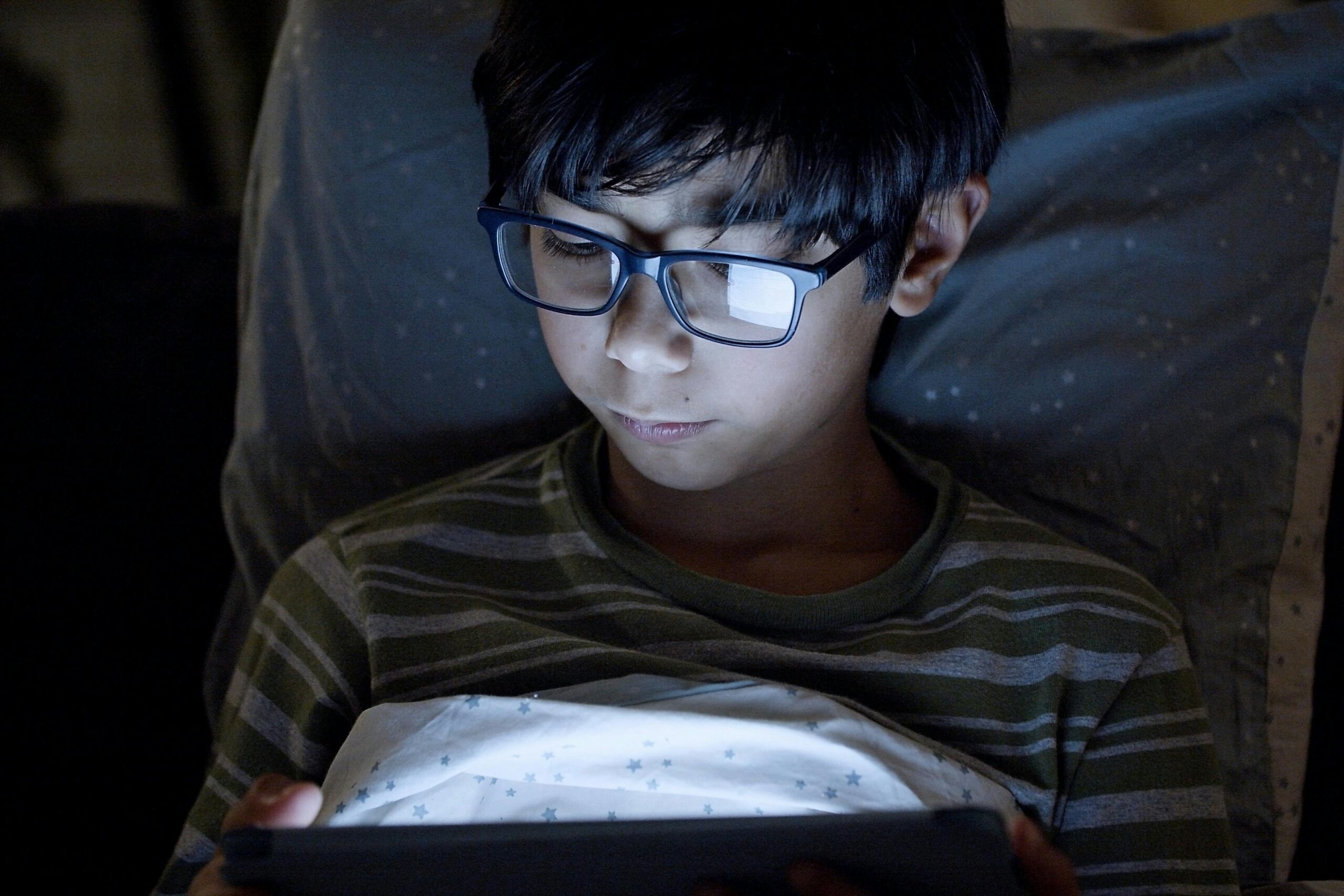
Smartphones pose perhaps the greatest threat to healthy sleep patterns for several reasons. First, we typically hold them close to our faces, maximizing blue light exposure to our eyes. Second, they’re designed for constant engagement through notifications, encouraging extended use. Third, they’re often the last thing we check before attempting sleep and the first thing we reach for upon waking.
The proximity factor alone makes smartphones particularly problematic. A phone held 12 inches from your face delivers significantly more disruptive light than a television viewed from across the room, even if the TV has a larger screen.
Tablets and E-Readers: A Spectrum of Effects
Tablets fall somewhere between smartphones and larger screens in their sleep impact. Modern tablets often include blue light filtering options, though many users don’t enable them. E-readers with e-ink technology (like basic Kindle models) produce virtually no blue light and minimally affect sleep when used for reading—some studies suggest they’re comparable to reading physical books.
However, backlit e-readers and tablets used for reading can still disrupt sleep, though typically less than scrolling through social media or watching videos on the same device. The difference lies partly in the content consumption style: static reading generally requires less screen brightness than dynamic video content.
Televisions and Computers: Distance Matters
Larger screens viewed from a distance present a more complex picture. While they still emit blue light, the greater viewing distance reduces the intensity of exposure to your eyes. A television watched from 10 feet away has substantially less impact than a phone six inches from your face, even if the TV’s absolute light output is higher.
Computer use before bed remains problematic, particularly for work-related activities. The combination of blue light exposure, close viewing distance, and the mental activation associated with work tasks creates a perfect storm for sleep disruption.
🛡️ Strategic Solutions: Optimizing Screen Timing for Better Sleep
Understanding the problem is only half the battle. Implementing practical strategies to minimize screen-related sleep disruption while maintaining modern connectivity requires a balanced, realistic approach.
The Progressive Dimming Strategy
Rather than attempting an abrupt screen blackout before bed (which many find unrealistic), consider progressive reduction. Begin dimming screens and reducing usage intensity starting three hours before bedtime. This might look like: watching TV from a distance in early evening, switching to a tablet with blue light filters an hour later, then transitioning to non-screen activities in the final hour before sleep.
This graduated approach aligns more naturally with how we actually live while still protecting the most critical pre-sleep window. It’s also more sustainable long-term than extreme restrictions that people abandon after a few days.
Leveraging Technology to Fight Technology
Modern devices include numerous features designed to minimize sleep disruption. Blue light filters (often called “Night Shift” on iOS or “Night Light” on Android) shift screen color temperature toward warmer, amber tones that are less disruptive to melatonin production. While not a perfect solution, research shows these filters can reduce—though not eliminate—sleep interference.
Setting automatic schedules for these features ensures they activate consistently without requiring daily decision-making. Configure them to begin at sunset or at least two hours before your target bedtime. Additionally, enable “Do Not Disturb” modes to prevent notifications from tempting you back to devices once you’ve set them aside.
Creating Environmental Boundaries
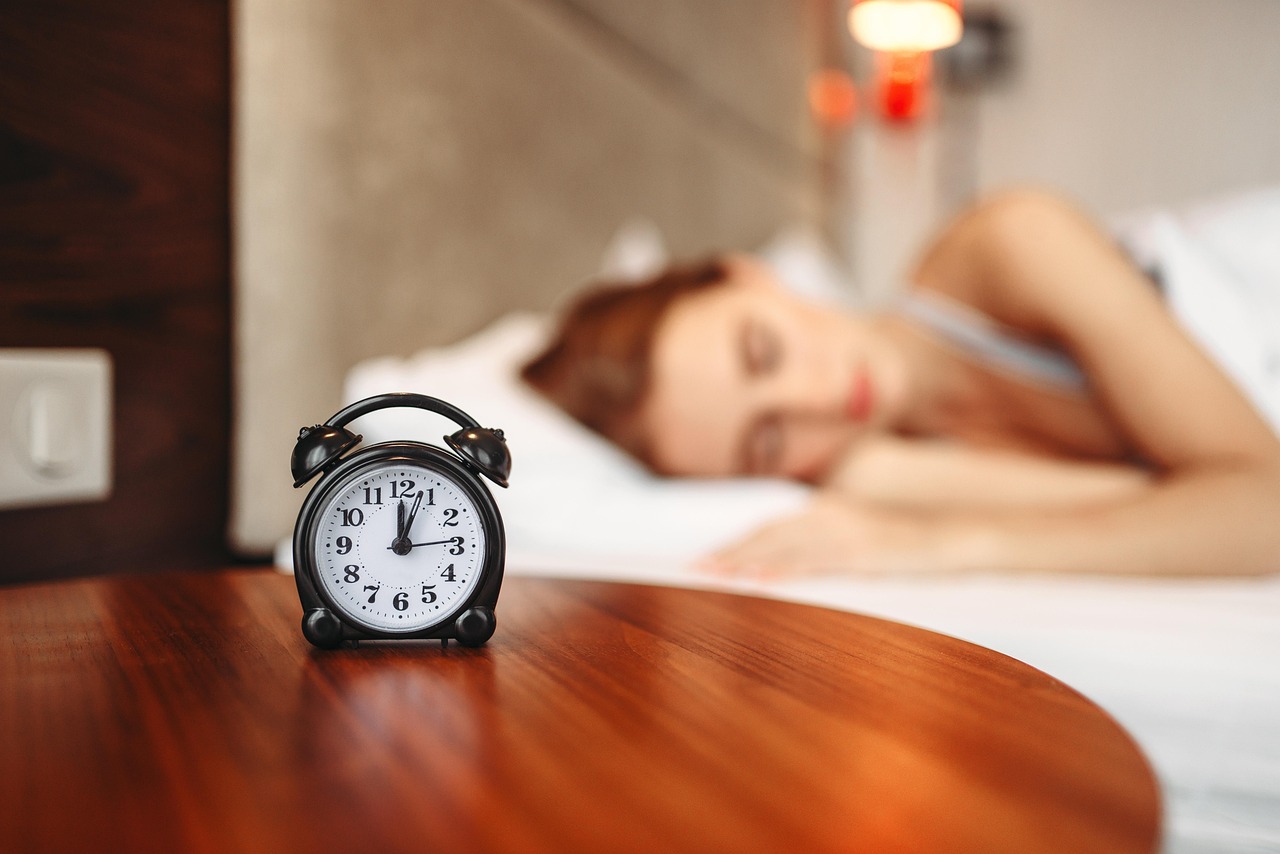
Physical separation from devices proves remarkably effective. Charging phones outside the bedroom eliminates the temptation for “just one more check” and removes the possibility of sleep-disrupting notifications. If you use your phone as an alarm, consider switching to a dedicated alarm clock—a simple change that removes the justification for bedside phone placement.
For those who genuinely need devices nearby for emergencies or on-call responsibilities, at minimum place them face-down and across the room rather than on your nightstand. This small barrier significantly reduces impulsive checking while maintaining accessibility when truly needed.
🔬 The Downstream Effects: How Timing Impacts Next-Day Function
The consequences of poorly timed screen exposure extend far beyond simply feeling tired the next day. Understanding these broader impacts provides additional motivation for protecting your evening hours from excessive screen time.
Cognitive Performance and Decision-Making
Sleep disrupted by evening screen exposure leads to measurable declines in cognitive function the following day. Studies show that even a 30-minute delay in sleep onset can impair working memory, reduce attention span, and compromise complex problem-solving abilities. For students and professionals, this translates to tangible productivity losses and increased error rates.
Decision-making capacity suffers particularly noticeably. Sleep-deprived individuals tend toward riskier choices and have more difficulty evaluating long-term consequences. Ironically, this impaired judgment often leads to poor evening habits—including excessive screen use—creating a self-reinforcing negative cycle.
Emotional Regulation and Mental Health
The timing of screen exposure affects not just sleep quantity but also the proportion of time spent in different sleep stages. Disrupted sleep architecture—particularly reduced REM sleep—impairs emotional processing and regulation. This manifests as increased irritability, heightened stress responses, and reduced resilience to daily challenges.
Over time, chronic sleep disruption from poorly timed screen use correlates with increased anxiety and depression risk. While screens aren’t the sole cause of these conditions, their impact on sleep represents a modifiable risk factor that many people overlook.
👨👩👧👦 Age-Specific Considerations: Screen Timing Across Life Stages
The relationship between screen timing and sleep varies significantly across different age groups, with children and adolescents facing unique vulnerabilities.
Children and Pre-Teens
Young children show heightened sensitivity to blue light’s melatonin-suppressing effects. Their developing circadian systems are more easily disrupted, and they require more total sleep than adults. Research suggests that screen exposure even three hours before bedtime can significantly impact children’s sleep onset and quality.
Establishing firm screen curfews for children—ideally two hours before bedtime—supports both sleep health and healthy development. Creating engaging non-screen evening routines helps children transition naturally toward sleep without relying on device-based entertainment.
Teenagers: A Perfect Storm
Adolescents face a particularly challenging situation. Their biological circadian rhythms naturally shift toward later sleep and wake times—a phenomenon called “sleep phase delay.” When combined with heavy screen use, especially for social media, this creates significant sleep deficits.
Teenagers often underestimate screen timing’s impact, viewing late-night device use as harmless socializing. However, this demographic experiences some of the most severe consequences, including academic performance declines, mood disorders, and even increased accident risk from drowsy driving.
Older Adults
While older adults generally use screens less intensively than younger people, they may be more vulnerable to sleep disruption when exposure does occur. Age-related changes in circadian rhythm regulation mean that even modest evening screen time can fragment already fragile sleep patterns common in this demographic.
💡 Building a Sustainable Screen-Sleep Strategy
Lasting change requires realistic, personalized approaches rather than rigid rules. Your optimal screen timing strategy should account for your lifestyle, work demands, and personal preferences while prioritizing the most critical protective measures.
Identifying Your Personal Critical Window
Everyone’s circadian system has individual variations. Some people are naturally early chronotypes (morning larks) while others are late chronotypes (night owls). Your ideal screen cutoff time should align with your personal biology rather than arbitrary clock times.
To identify your critical window, track your natural sleep onset time for several days without setting an alarm or forcing a particular schedule. Count backward 90 minutes from this time—this represents your personal golden hour when screen avoidance will have maximum benefit.
Creating Replacement Routines
Simply removing screens without replacing them with alternative activities often fails. Successful screen timing management involves building appealing non-screen evening routines. These might include reading physical books, gentle stretching, journaling, conversation with family members, or relaxation practices like meditation.
The key is finding activities genuinely enjoyable enough to compete with the pull of devices. Trial and error helps identify what works for your particular preferences and lifestyle.
Implementing Gradual Changes
Attempting overnight transformation typically leads to frustration and abandonment. Instead, implement changes progressively. Begin by moving screen cessation time just 15 minutes earlier each week until reaching your target. This gradual approach allows habit formation without overwhelming disruption to established routines.
Similarly, start with the highest-impact changes: eliminating phone use in bed, enabling blue light filters, and charging devices outside the bedroom. Once these foundational practices become automatic, add more comprehensive timing restrictions.
🌙 The Broader Picture: Screen Timing as Sleep Hygiene Foundation
Optimizing screen timing represents just one component of comprehensive sleep hygiene, but it’s arguably the most powerful single intervention for modern sleep problems. Unlike sleep medications or complex behavioral interventions, adjusting device timing is free, has no side effects, and addresses a root cause rather than symptoms.
When combined with other sleep hygiene practices—consistent sleep schedules, appropriate bedroom environment, regular exercise, and mindful caffeine consumption—strategic screen timing creates synergistic benefits. Each element reinforces the others, building a robust foundation for restorative sleep.
The screen-sleep connection ultimately reflects a broader challenge of modern life: balancing technological benefits with biological needs. Our devices offer undeniable value for communication, productivity, entertainment, and learning. The solution isn’t abandoning technology but using it more intentionally, with awareness of how timing transforms impact.
By respecting your body’s natural rhythms and protecting the critical windows when screen exposure most disrupts sleep, you can enjoy technology’s benefits without sacrificing the restorative rest essential for health, performance, and well-being. The power lies not in whether you use screens, but in when and how you integrate them into your daily routine. Small timing adjustments can unlock dramatically better sleep, transforming both your nights and your days. 😴✨