Finding the perfect drink to boost your energy without the dreaded afternoon crash is more art than science. Let’s explore smart sipping strategies that work with your body’s natural rhythms.

Whether you’re reaching for decaf coffee, brewing a cup of tea, or cracking open an energy drink, the timing of your beverage choice matters just as much as what’s in the cup. Understanding how different drinks affect your energy levels throughout the day can transform your productivity and help you avoid those frustrating energy crashes that derail your afternoon. The science behind caffeine metabolism, natural energy compounds, and your body’s circadian rhythms reveals surprising insights about when to drink what for optimal performance.
☕ Understanding Your Body’s Natural Energy Cycles
Your body operates on a sophisticated internal clock called the circadian rhythm, which naturally regulates energy levels throughout the day. Cortisol, your body’s natural wake-up hormone, peaks in the morning between 8-9 AM, then again around noon and early evening. Consuming caffeine during these natural peaks actually diminishes its effectiveness and can lead to building tolerance faster than necessary.
The optimal windows for caffeine consumption typically fall between 9:30-11:30 AM and 1:30-5:00 PM when cortisol levels naturally dip. During these periods, strategic caffeine intake provides the most noticeable boost without interfering with your body’s natural energy production. This timing strategy helps you work with your biology rather than against it.
Additionally, your adenosine levels—the neurotransmitter that makes you feel tired—build up throughout the day. Caffeine works by blocking adenosine receptors, which is why timing matters. If you consume caffeine too late, you’ll block those receptors when your body genuinely needs to wind down for sleep, creating a vicious cycle of poor rest and increased dependence.
🍃 The Tea Advantage: Sustained Energy Without Jitters
Tea offers a gentler energy boost compared to coffee or energy drinks, thanks to its unique combination of caffeine and L-theanine. This amino acid promotes relaxation without drowsiness and works synergistically with caffeine to provide smooth, sustained alertness. The result is enhanced focus without the anxiety or jitters commonly associated with high-caffeine beverages.
Different teas contain varying caffeine levels, making them suitable for different times of day. Black tea contains 40-70mg of caffeine per cup, making it ideal for morning or early afternoon consumption. Green tea offers 20-45mg, perfect for mid-morning or post-lunch periods when you need gentle elevation. White tea provides the gentlest boost at 15-30mg, suitable for late afternoon when you want alertness without compromising evening sleep.
Best Tea Choices by Time of Day
- Morning (7-9 AM): Black tea or matcha for a robust start without the coffee crash
- Mid-Morning (10-11 AM): Green tea or oolong for sustained focus during peak productivity hours
- After Lunch (1-3 PM): White tea or light green tea to combat the post-lunch slump
- Late Afternoon (3-5 PM): Herbal tea with adaptogens or very light white tea
- Evening (after 6 PM): Caffeine-free herbal teas like chamomile, rooibos, or peppermint
The preparation method also affects how tea impacts your energy. Steeping tea longer releases more caffeine and tannins, which can create a stronger but potentially more astringent effect. Cold-brewing tea reduces tannin extraction while maintaining caffeine levels, offering a smoother taste and potentially easier digestion.
☕ Decaf Coffee: The Misunderstood Middle Ground
Contrary to popular belief, decaf coffee isn’t completely caffeine-free—it typically contains 2-7mg of caffeine per cup compared to regular coffee’s 95mg. However, decaf offers benefits beyond just reduced caffeine content. It contains many of the same antioxidants and beneficial compounds as regular coffee, including chlorogenic acids that support metabolism and cognitive function.
For those sensitive to caffeine or looking to reduce intake, decaf provides the ritual and flavor of coffee without significantly impacting sleep quality or causing anxiety. The psychological boost from the warm beverage and familiar routine can still provide a genuine pick-me-up, demonstrating that not all energy benefits come purely from stimulants.
Timing decaf consumption strategically can help you maintain the coffee habit throughout the day without overdoing caffeine. Consider regular coffee in the morning when cortisol dips, then switch to decaf for your afternoon cup. This approach satisfies cravings while preventing late-day caffeine from disrupting your sleep cycle.
When Decaf Makes Strategic Sense
Choose decaf after 2 PM if you’re sensitive to caffeine and struggle with sleep quality. Studies show that caffeine consumed even six hours before bedtime can significantly reduce sleep duration and quality. For people who metabolize caffeine slowly due to genetic variations in the CYP1A2 gene, decaf becomes an essential option for afternoon beverages.
Decaf also works well for pregnant individuals, those with certain heart conditions, or anyone managing anxiety disorders. The ritual of a warm beverage can provide comfort and a mental break without the physiological stimulation that might exacerbate these conditions.
⚡ Energy Drinks: Power and Pitfalls
Energy drinks pack a potent punch, typically containing 80-300mg of caffeine per serving along with added ingredients like taurine, B-vitamins, and sugar or artificial sweeteners. This combination creates a rapid, intense energy boost that can be beneficial in specific situations but problematic when used regularly or at the wrong times.
The caffeine in energy drinks hits your bloodstream faster than coffee or tea due to carbonation and additional absorption-enhancing ingredients. Peak blood caffeine levels occur within 30-60 minutes, with effects lasting 3-5 hours for most people. However, the half-life of caffeine is 5-6 hours, meaning half the caffeine from a noon energy drink remains in your system at 6 PM.
The added ingredients create complexity. Taurine may enhance caffeine’s effects on mental performance, while B-vitamins support energy metabolism but won’t provide an energy boost unless you’re deficient. Sugar-containing energy drinks create a double-edged sword: immediate glucose energy followed by an insulin response that can cause energy crashes worse than caffeine alone.
Strategic Energy Drink Timing
If choosing energy drinks, consume them during the circadian low points—mid-morning or early afternoon—rather than first thing in the morning or late in the day. Never use energy drinks after 3 PM unless working a night shift, as the high caffeine content almost guarantees sleep disruption.
Consider these safer alternatives within the energy drink category: sugar-free options to avoid glucose crashes, drinks with 80-100mg caffeine rather than 300mg monster servings, and beverages containing L-theanine alongside caffeine for smoother effects. Always consume energy drinks slowly over 30-60 minutes rather than chugging them, which overwhelms your system and increases side effect risk.
🕐 Creating Your Personal Energy Beverage Schedule
An optimized daily beverage routine considers your individual caffeine sensitivity, sleep schedule, workout timing, and work demands. Here’s a framework to customize based on your specific needs:
| Time | Best Choice | Why It Works | Avoid |
|---|---|---|---|
| 6-8 AM | Water first, then tea | Rehydrate before caffeine; cortisol naturally high | Energy drinks, high-caffeine coffee |
| 9-11 AM | Coffee or black tea | Cortisol dips, optimal caffeine window | Excessive amounts (over 200mg) |
| 12-1 PM | Decaf or light green tea | Support digestion without interfering with lunch | High-caffeine drinks right before eating |
| 1-3 PM | Green or white tea | Gentle lift during post-lunch dip | Sugary energy drinks |
| 3-5 PM | Decaf or herbal tea | Psychological boost without sleep impact | Any caffeinated beverages |
| After 6 PM | Herbal tea only | Supports wind-down and sleep preparation | All caffeine sources |
Individual variations matter significantly. Fast caffeine metabolizers can handle later consumption, while slow metabolizers should cut off caffeine by 1 PM. Track your sleep quality and energy patterns for two weeks while experimenting with timing to find your personal optimal schedule.
💡 Maximizing Your Boost While Minimizing Crashes
The energy crash occurs when multiple factors converge: caffeine wearing off, blood sugar dropping, and adenosine flooding previously blocked receptors. Preventing crashes requires strategic approaches beyond just choosing the right beverage.
Pair caffeinated drinks with protein and healthy fats to slow absorption and provide sustained energy. Never consume energy drinks or coffee on an empty stomach, which accelerates absorption and increases crash severity. The combination of caffeine with protein creates more stable blood sugar levels and provides amino acids for neurotransmitter production.
Stay consistently hydrated throughout the day. Caffeine has mild diuretic effects, and dehydration mimics and worsens energy crashes. Aim for a 1:2 ratio—for every cup of caffeinated beverage, drink two cups of water. This practice supports caffeine metabolism and helps prevent the headaches and fatigue associated with dehydration.
The Caffeine-Free Energy Boosters
Don’t overlook non-caffeinated energy strategies that complement your beverage choices. Brief movement breaks provide energy boosts comparable to caffeine through increased circulation and oxygen delivery. A five-minute walk can be as effective as a cup of coffee for combating afternoon drowsiness.
Strategic power naps of 10-20 minutes before 3 PM can recharge your system without entering deep sleep that leaves you groggy. Exposure to bright light, especially natural sunlight, activates your body’s natural alertness systems. Cold water on your face or wrists provides an instant alertness signal to your nervous system.
🧬 Understanding Your Unique Caffeine Genetics
Genetic variations significantly impact how you process caffeine. The CYP1A2 gene determines whether you’re a fast or slow caffeine metabolizer. Fast metabolizers clear caffeine quickly and can consume it later in the day with less sleep impact, while slow metabolizers experience prolonged effects and increased health risks from high consumption.
Similarly, ADORA2A gene variants affect caffeine sensitivity. Some people feel jittery from a single cup of tea, while others barely notice two espressos. Pay attention to your body’s responses rather than following generic advice. If you feel anxious or can’t sleep after afternoon caffeine, you likely need to adjust your timing earlier regardless of what works for others.
Age also affects caffeine processing. Metabolism typically slows with age, meaning the caffeine cutoff time should move earlier as you get older. What worked at 25 may need adjustment by 45 to maintain quality sleep and avoid anxiety.
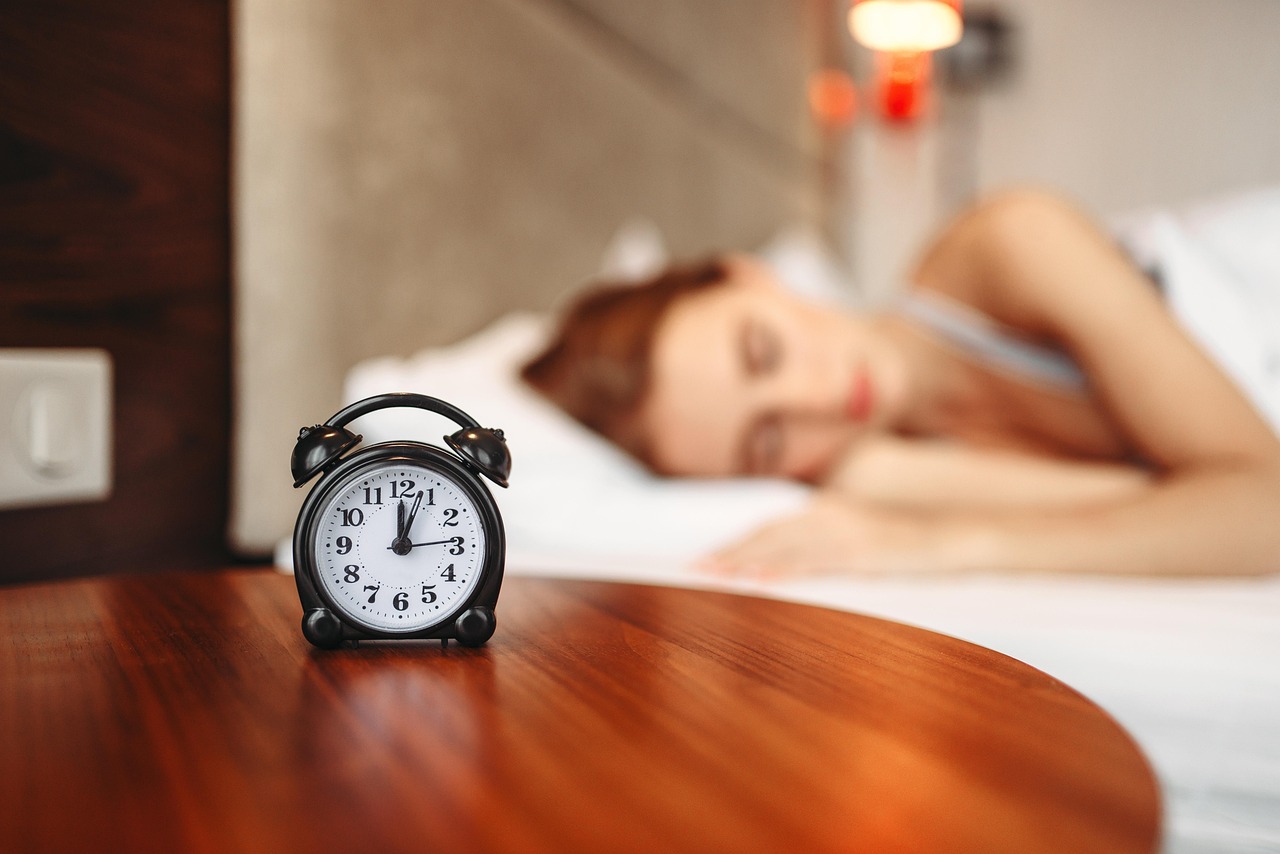
🌙 The Sleep Connection: Working Backward From Bedtime
Your ideal beverage timing should start with your target bedtime and work backward. If you go to bed at 11 PM and are a normal metabolizer, your caffeine cutoff should be no later than 3 PM. Slow metabolizers should stop by 1 PM, while very sensitive individuals might need to avoid caffeine after morning hours entirely.
Quality sleep is the foundation of natural energy, making it counterproductive to sacrifice sleep for caffeinated alertness. Research consistently shows that caffeine cannot replace sleep—it only masks fatigue temporarily while sleep debt accumulates. Chronic insufficient sleep increases caffeine dependence, creating a vicious cycle of poor rest and increasing stimulant needs.
Track your sleep quality using consistent bedtimes and wake times for two weeks. Note when you consume caffeine and correlate it with sleep metrics like time to fall asleep, number of awakenings, and morning energy levels. This personal data provides clearer guidance than general recommendations.
🎯 Practical Implementation: Your 7-Day Energy Optimization Challenge
Transform your energy beverage habits with this structured weekly approach. Start by establishing a baseline: track your current beverage consumption, timing, and energy levels for three days without changes. Note crashes, sleep quality, and mood throughout each day.
Days 4-5, implement the morning optimization: drink 16oz of water within 30 minutes of waking, wait until 9-10 AM for your first caffeinated beverage, and choose tea or moderate coffee over energy drinks. Days 6-7, add the afternoon strategy: switch to decaf or low-caffeine options after 1 PM, pair any caffeine with protein-containing snacks, and ensure you stop all caffeine by your personal cutoff time.
Continue for a full week, maintaining the same sleep schedule throughout. Most people notice clearer natural energy rhythms, better sleep quality, and fewer crashes within 5-7 days. The key is consistency—sporadic implementation won’t rewire your adenosine receptor sensitivity or reset your caffeine tolerance.
🔄 Breaking the Cycle: Resetting Caffeine Tolerance
If you’re consuming multiple high-caffeine beverages daily just to feel normal, tolerance has likely developed. Adenosine receptors upregulate in response to chronic caffeine blocking, meaning you need more caffeine for the same effect. Resetting tolerance requires a strategic reduction period.
Gradually taper caffeine over 2-3 weeks rather than quitting abruptly, which causes severe withdrawal headaches and fatigue. Reduce by 25% weekly—if drinking four cups daily, drop to three for week one, then two, then one. Substitute with decaf or caffeine-free alternatives to maintain routines while reducing intake. Expect mild headaches and fatigue during the adjustment period, typically lasting 3-7 days per reduction stage.
After reaching a baseline of one moderate-caffeine beverage daily (or zero if preferred), your natural energy systems recalibrate. Caffeine becomes more effective at lower doses, and you’ll notice your natural energy rhythms more clearly. This reset every 6-12 months helps prevent the tolerance creep that leads to dependence.

✨ Finding Your Personal Energy Sweet Spot
The perfect beverage strategy isn’t about following rigid rules but discovering what works for your unique biology, lifestyle, and goals. Some people thrive on morning tea and nothing else, while others benefit from strategically timed coffee and afternoon decaf. Night shift workers need completely different timing than traditional 9-to-5 employees.
Experiment systematically: change one variable at a time, maintain it for at least 5-7 days, and objectively assess results before adjusting further. Keep simple notes on energy levels, sleep quality, mood, and productivity. Patterns emerge quickly when you pay attention rather than habitually reaching for caffeine whenever fatigue strikes.
Remember that optimal energy comes from a holistic approach—adequate sleep, regular movement, stress management, and proper nutrition form the foundation. Beverages are tools to work with these fundamentals, not replacements for them. When you time your sips strategically and choose wisely between decaf, tea, and energy drinks, you harness their benefits while avoiding the crashes that undermine your goals.
The journey to sustainable energy without crashes is personal and iterative. Start with the frameworks provided here, adjust based on your responses, and give your body time to adapt. Within weeks, you’ll develop an intuitive sense of what to drink when, transforming caffeine from a dependency into a strategic tool that enhances rather than replaces your natural vitality.