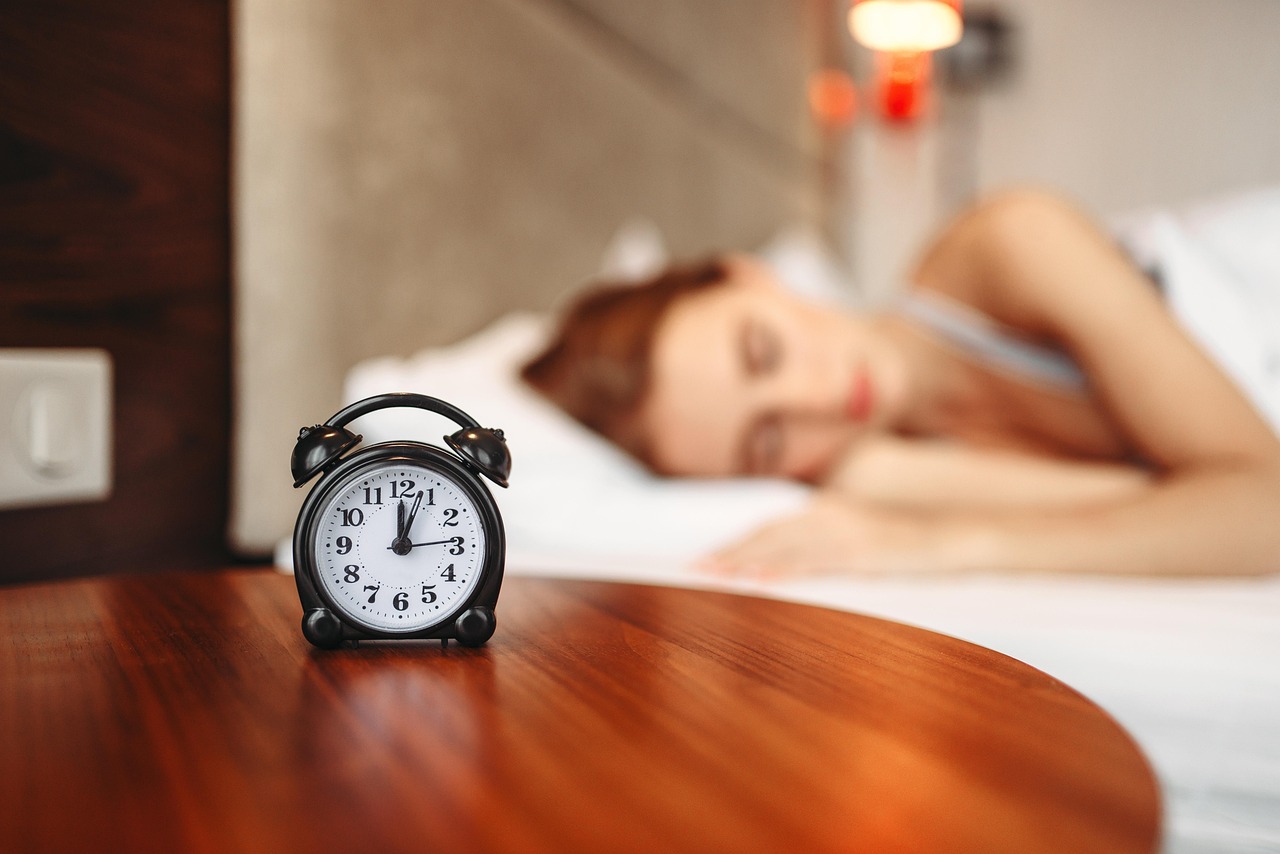
Shift work disrupts the body’s natural circadian rhythms, affecting millions of workers worldwide who rely on irregular schedules to keep essential services running. Understanding how light exposure influences our internal biological clock can transform health outcomes and workplace performance dramatically.

The modern workforce increasingly operates beyond traditional 9-to-5 schedules, with healthcare professionals, emergency responders, manufacturing workers, and security personnel maintaining 24/7 operations. These dedicated individuals face unique challenges that extend far beyond simple fatigue, including increased risks of metabolic disorders, cardiovascular disease, mental health issues, and decreased cognitive performance. The key to addressing these concerns lies not in abandoning shift work—an impossibility in our interconnected world—but in strategically managing light exposure to align with biological needs.
🔬 The Science Behind Light and Circadian Rhythms
Our bodies operate on an approximately 24-hour internal clock known as the circadian rhythm, which regulates sleep-wake cycles, hormone production, body temperature, and countless other physiological processes. Light serves as the primary zeitgeber, or time cue, that synchronizes this internal clock with the external environment. Specialized photoreceptors in the retina, particularly intrinsically photosensitive retinal ganglion cells containing melanopsin, detect light and transmit signals to the suprachiasmatic nucleus in the hypothalamus—the master circadian pacemaker.
When shift workers expose themselves to bright light during biological nighttime or darkness during biological daytime, they send conflicting signals to this master clock. The consequences extend beyond simple sleepiness, triggering a cascade of hormonal and metabolic disruptions that accumulate over time. Melatonin secretion becomes mistimed, cortisol patterns shift inappropriately, and insulin sensitivity decreases, creating a perfect storm for health deterioration.
💡 Strategic Light Exposure During Night Shifts
Optimizing light exposure during night shifts requires a deliberate approach that considers both workplace illumination and the transition periods before and after work. The goal is not simply maximum brightness throughout the shift, but rather strategic timing and intensity that promotes alertness when needed while preserving the ability to sleep during daylight hours.
Workplace Illumination Strategies
During the first half of a night shift, exposure to bright light with blue wavelengths (between 460-480 nanometers) proves most effective at suppressing melatonin and enhancing alertness. Illumination levels between 1000-2500 lux at eye level significantly improve cognitive performance, reaction times, and subjective alertness compared to standard office lighting of 300-500 lux. However, positioning matters tremendously—overhead lighting or light boxes placed at eye level deliver better results than desk lamps alone.
As the shift progresses into early morning hours (approximately 4-6 AM), gradually reducing light intensity and filtering blue wavelengths helps prepare the body for the upcoming sleep period. This tapering approach prevents the circadian phase from shifting too far forward, which would make daytime sleep even more challenging. Some progressive workplaces now install tunable LED systems that automatically adjust color temperature and intensity throughout the shift, creating a more biologically appropriate lighting environment.
Pre-Shift Light Preparation
The hours before a night shift present a critical window for circadian adjustment. Exposing yourself to bright light 2-3 hours before your shift begins can help initiate the alertness response and prepare your body for nocturnal activity. This might involve outdoor time if arriving before sunset, or using a light therapy box delivering 5000-10000 lux for 30-60 minutes while preparing for work.
🌙 Protecting Sleep Quality After Night Shifts
The journey home after a night shift represents perhaps the most challenging period for circadian management. Morning sunlight—powerful enough to shift circadian rhythms even with brief exposure—directly counteracts efforts to maintain a night-adapted schedule. Workers returning home after 7 AM face particularly intense light exposure that can severely disrupt subsequent sleep attempts.
Blocking Morning Light Exposure
Wearing wrap-around sunglasses with amber or orange lenses during the commute home provides essential protection against alerting blue wavelengths. These specialized lenses filter 90% or more of blue light while allowing sufficient visibility for safe travel. Studies demonstrate that workers using these glasses fall asleep faster, sleep longer, and report better sleep quality compared to those without protection.
For those relying on public transportation, the benefit becomes even more pronounced, as extended exposure to bright morning light can delay sleep onset by 1-2 hours. Combining protective eyewear with the quickest, most direct route home minimizes problematic light exposure during this vulnerable transition period.
Creating the Ideal Sleep Environment
Upon arriving home, immediately transitioning to a completely darkened environment becomes paramount. Blackout curtains, properly installed to eliminate light leakage around edges, create the darkness necessary for robust melatonin production and quality sleep. Even small amounts of light—as little as 5-10 lux—can suppress melatonin and fragment sleep architecture.
Temperature regulation works synergistically with darkness optimization. Cooling the bedroom to 60-67°F (15-19°C) facilitates the natural core body temperature drop associated with sleep initiation. Some shift workers find cooling mattress pads particularly valuable, as they maintain optimal temperature throughout unconventional sleep periods when external temperatures rise.
☀️ Light Strategies for Rotating and Day Shift Workers
Workers on rotating schedules face perhaps the greatest circadian challenges, as their bodies never fully adapt to any single schedule. For these individuals, light timing strategies must focus on facilitating rapid re-entrainment during transitions while maximizing alertness during active periods.
Transitioning from Night to Day Shifts
When rotating from night shifts back to day shifts, maximizing morning light exposure becomes the priority. Bright light immediately upon waking—ideally within 30 minutes—helps advance the circadian phase forward. Outdoor morning walks provide ideal exposure, combining light, physical activity, and fresh air. On overcast days or during winter months, light therapy devices offering 10,000 lux for 20-30 minutes deliver comparable benefits.
Conversely, avoiding bright light in the evening during this transition proves equally important. Dimming household lights after sunset, using blue-light filtering glasses when using electronic devices, and maintaining consistent bedtimes accelerate the readjustment process. Most workers require 3-5 days to complete this transition, though individual variation exists.
Maximizing Alertness on Day Shifts
Day shift workers benefit from consistent morning light exposure to reinforce natural circadian alignment. Starting the workday near windows or in well-lit areas enhances alertness, mood, and performance. Research indicates that workers in windowless environments experience more sleep disturbances and lower sleep quality compared to those with natural light access, even when working standard hours.
📱 Technology and Tools for Light Management
Modern technology offers shift workers unprecedented control over their light exposure, with devices ranging from wearable light sensors to smart home systems that automatically adjust based on work schedules.
Light Therapy Devices and Applications
Dedicated light therapy boxes remain the gold standard for controlled bright light exposure, with models offering 10,000 lux at appropriate distances. Positioning these devices at eye level while having breakfast, checking emails, or engaging in other morning activities maximizes compliance without requiring dedicated time investment.
Wearable light therapy devices have emerged as alternatives for workers requiring portable solutions. Light visors and light glasses deliver therapeutic illumination while allowing mobility, though they require careful selection to ensure adequate intensity and appropriate wavelength specifications.
Several applications help shift workers track and optimize their light exposure patterns. These tools provide personalized recommendations based on work schedules, monitor actual light exposure throughout the day, and offer reminders for protective measures during vulnerable periods.
Smart Lighting Systems
Programmable smart bulbs allow shift workers to create customized lighting schedules that automatically adjust throughout their wake periods. Systems can gradually increase brightness and blue content during preparation periods, maintain alerting illumination during work hours (for home-based workers), and automatically dim with filtered wavelengths during wind-down periods.
These systems prove particularly valuable for workers with changing schedules, as profiles can be easily adjusted without manual intervention. Voice control features add convenience, allowing quick adjustments without leaving bed during sleep periods or interrupting work activities.
🍽️ Integrating Light Timing with Other Health Strategies
Light exposure optimization delivers maximum benefits when combined with complementary approaches addressing meal timing, physical activity, and social rhythms. This integrative approach recognizes that multiple zeitgebers influence circadian rhythms, with synergistic effects when properly coordinated.
Meal Timing Coordination
Eating patterns powerfully influence circadian rhythms through independent pathways. Consuming meals during biological nighttime—common among night shift workers—disrupts metabolic processes regardless of light exposure. Strategies that align eating windows with light exposure patterns enhance circadian stability.
For night shift workers, this might involve eating larger meals during evening hours before the shift (when light exposure increases) and lighter snacks during the shift itself. Avoiding heavy meals in the 2-3 hours before attempting sleep improves sleep quality and metabolic outcomes. Some workers adopt time-restricted eating approaches, limiting food intake to specific windows that align with their light exposure schedules.
Physical Activity Timing
Exercise represents another potent circadian regulator, with timing determining whether it reinforces or conflicts with light-based strategies. Morning exercise (relative to one’s sleep-wake schedule) combined with bright light exposure creates powerful phase-advancing effects, while evening exercise can phase-delay rhythms.
Night shift workers benefit from moderate physical activity during their shift, particularly during the circadian nadir (typically 3-5 AM), when alertness naturally drops. Brief walking breaks, stretching routines, or simple calisthenics combined with strategic light exposure help maintain performance during these vulnerable hours.
⚠️ Common Pitfalls and How to Avoid Them
Despite good intentions, many shift workers inadvertently sabotage their light management strategies through common mistakes that undermine effectiveness and sustainability.
Excessive Weekend Schedule Shifting
The temptation to revert to conventional schedules during days off proves nearly irresistible for many shift workers seeking to maintain social connections and family time. However, this constant shifting—essentially creating permanent jet lag—prevents circadian adaptation and multiplies health risks. Workers rotating back to day schedules every weekend never achieve stable circadian alignment.
A more sustainable approach involves partial schedule maintenance during off days, with wake times within 2-3 hours of work-day schedules. This compromise allows social participation while preserving some circadian stability. Alternatively, workers might negotiate consistent shift schedules rather than rotating patterns, allowing full adaptation to a single schedule.
Inconsistent Light Protection
Sporadic use of protective eyewear or blackout curtains delivers minimal benefits compared to consistent application. Circadian systems respond to regular, predictable patterns, with inconsistent signals preventing adaptation. Workers must view light management as an essential health practice rather than an optional enhancement, similar to taking prescribed medications.
Ignoring Individual Chronotypes
Genetic variations in circadian timing—chronotypes—influence how individuals respond to shift work and light exposure. Natural “night owls” (late chronotypes) generally adapt more easily to night shifts, while “morning larks” (early chronotypes) experience greater difficulties. Understanding your chronotype allows realistic scheduling choices and personalized light timing strategies.
🎯 Implementing Your Personal Light Optimization Plan
Transitioning from knowledge to action requires systematic planning that accounts for individual work schedules, living situations, and practical constraints. A phased implementation approach increases sustainability and allows adjustments based on personal responses.
Phase One: Environmental Foundation
Begin by optimizing your sleep environment, as this provides immediate benefits regardless of other strategies. Install quality blackout curtains, eliminate electronic light sources in the bedroom, and establish consistent bedroom temperature controls. These foundational changes cost relatively little but deliver substantial improvements in sleep quality and duration.
Phase Two: Strategic Light Protection
Add protective eyewear for post-shift commutes and bright light avoidance strategies during wind-down periods. This phase requires minimal investment—quality blue-blocking glasses cost $20-50—while significantly reducing circadian disruption from ill-timed light exposure.
Phase Three: Active Light Management
Incorporate strategic bright light exposure through natural sources, light therapy devices, or workplace adjustments. This phase requires more planning and potentially greater investment, but addresses circadian optimization proactively rather than merely defending against disruption.
Phase Four: Integration and Refinement
Coordinate light exposure with meal timing, physical activity, and social schedules for comprehensive circadian support. Monitor outcomes through sleep diaries or wearable tracking devices, adjusting strategies based on personal responses. This iterative approach recognizes that optimal strategies vary between individuals and may require experimentation.

🌟 The Long-Term Health Investment
Light timing optimization represents an investment in long-term health that pays dividends across multiple domains. Workers who successfully manage light exposure report not only improved sleep and alertness but also better mood, enhanced metabolic health, and reduced risk of chronic diseases associated with shift work.
Research increasingly demonstrates that strategic light management can partially or fully mitigate many health risks traditionally attributed to shift work itself. Rather than accepting circadian disruption as an inevitable consequence of necessary work schedules, evidence-based light strategies offer practical pathways to maintain health while meeting occupational demands.
The commitment to consistent light management requires discipline and planning, but the alternative—accepting progressive health deterioration as the cost of shift work—poses far greater long-term consequences. As awareness grows and technologies improve, optimized light exposure will increasingly become standard practice for shift workers, employers, and occupational health professionals.
By viewing light as a powerful biological signal rather than merely an environmental convenience, shift workers gain agency over their circadian health. This empowerment transforms the shift work experience from one of passive endurance to active optimization, where informed choices create measurable improvements in both immediate functioning and long-term wellbeing. The bright ideas discussed here illuminate a path forward where productivity and health advance together rather than competing for priority in the lives of essential workers who keep our world running around the clock.