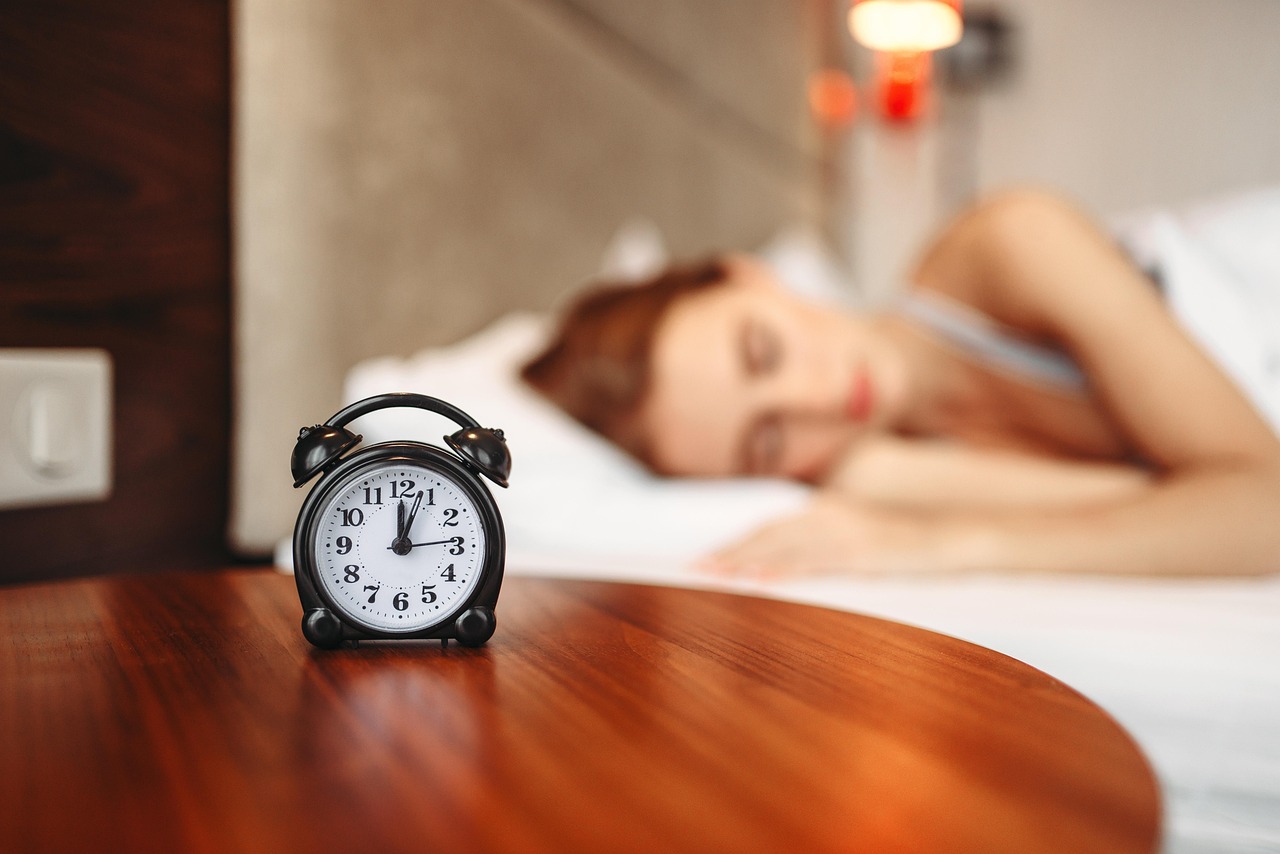
Your relationship with caffeine might be sabotaging your sleep and draining your daytime energy. Understanding when to stop consuming caffeine can transform both your rest quality and daily performance in ways you never imagined.

Caffeine is the world’s most consumed psychoactive substance, with billions of people relying on it daily to boost alertness, enhance focus, and power through demanding schedules. Yet this same compound that fuels our mornings can silently undermine our nights, creating a vicious cycle of dependency and fatigue that leaves us perpetually chasing energy rather than naturally maintaining it.
The Science Behind Caffeine’s Impact on Your Body ☕
Caffeine works by blocking adenosine receptors in your brain. Adenosine is a neurotransmitter that accumulates throughout the day, gradually making you feel tired and signaling that it’s time to sleep. When caffeine occupies these receptors, adenosine cannot bind to them, which prevents drowsiness and keeps you feeling alert.
The problem lies in caffeine’s surprisingly long half-life. The half-life of caffeine in the average adult is approximately five to six hours, meaning that if you consume 200 milligrams of caffeine at 4 PM, you’ll still have about 100 milligrams circulating in your system at 10 PM. Even more concerning, it takes roughly ten to twelve hours for caffeine to be completely eliminated from your bloodstream.
This extended presence in your system doesn’t just keep you awake—it fundamentally alters your sleep architecture. Research published in the Journal of Clinical Sleep Medicine demonstrates that caffeine consumed even six hours before bedtime can reduce total sleep time by more than one hour and significantly disrupt sleep quality, even when you don’t consciously notice the difference.
Why Your Current Caffeine Schedule Might Be Failing You
Many people unknowingly consume caffeine far too late in the day. That innocent afternoon coffee, the post-lunch energy drink, or even that piece of chocolate after dinner could be the hidden culprit behind your restless nights and groggy mornings.
The deceptive nature of caffeine tolerance makes this problem worse. As you consume caffeine regularly, your brain produces more adenosine receptors to compensate, which means you need more caffeine to feel the same effects. This tolerance masks caffeine’s continued presence in your system, leading you to believe it’s no longer affecting you when it’s actually still disrupting your sleep patterns.
Individual variations in caffeine metabolism add another layer of complexity. Genetic factors determine how quickly your body processes caffeine, with some people metabolizing it rapidly while others process it slowly. Your age, liver function, medications, and even whether you smoke can dramatically influence how long caffeine remains active in your system.
Discovering Your Personal Caffeine Cut-Off Time ⏰
The optimal caffeine cut-off time isn’t universal—it’s highly individual. However, research provides excellent guidelines to help you establish your personal boundary for peak performance and restorative sleep.
The General Rule: 8-10 Hours Before Bedtime
For most people, stopping caffeine consumption eight to ten hours before your intended bedtime provides the best results. If you typically go to bed at 10 PM, this means your last caffeinated beverage should be consumed no later than noon or 2 PM at the absolute latest.
This recommendation is based on caffeine’s pharmacokinetics and the time required for your adenosine system to function normally again. While caffeine’s half-life is five to six hours, its quarter-life extends much longer, and even small amounts remaining in your system can impact sleep quality.
Testing Your Personal Threshold
To discover your ideal cut-off time, conduct a personal experiment over several weeks. Start by eliminating all caffeine after noon for one week, then monitor your sleep quality, how quickly you fall asleep, whether you wake during the night, and how refreshed you feel in the morning.
Track these variables systematically using a simple journal or sleep tracking app. Note not just your subjective feelings but also objective measures like the time it takes to fall asleep and the number of times you wake during the night.
Hidden Sources of Caffeine You’re Probably Overlooking
Coffee and energy drinks are obvious caffeine sources, but many people consume significant amounts without realizing it. Being aware of these hidden sources is crucial for maintaining your cut-off time effectively.
- Tea contains 15-70 milligrams of caffeine per cup, with black and green teas on the higher end
- Chocolate and chocolate-flavored products contain caffeine, with dark chocolate having more than milk chocolate
- Many sodas, including some that aren’t marketed as energy drinks, contain substantial caffeine
- Pre-workout supplements often contain 150-300 milligrams of caffeine per serving
- Some pain relievers and medications include caffeine as an active ingredient
- Decaffeinated coffee isn’t caffeine-free—it typically contains 2-15 milligrams per cup
- Coffee-flavored ice cream and desserts often contain genuine caffeine
Reading labels becomes essential when you’re serious about respecting your caffeine cut-off time. Many products don’t prominently display their caffeine content, requiring you to check the ingredients list or nutritional information carefully.
The Connection Between Caffeine Timing and Peak Performance 🚀
Optimal caffeine timing isn’t just about better sleep—it’s about maximizing your daytime performance. When you respect your body’s natural rhythms and use caffeine strategically, you can enhance its benefits while minimizing its drawbacks.
Working With Your Circadian Rhythm
Your body’s cortisol levels naturally peak shortly after waking, typically between 8 AM and 9 AM. Consuming caffeine during this peak actually diminishes its effectiveness because your alertness is already naturally elevated. Waiting 90 to 120 minutes after waking to consume your first caffeinated beverage allows you to use caffeine when your natural cortisol dip occurs, maximizing its impact.
This strategic timing means you’ll need less caffeine overall to achieve the same alertness, making it easier to maintain an early cut-off time without sacrificing performance.
The Afternoon Energy Slump
Most people experience a natural dip in alertness between 1 PM and 3 PM, which is why afternoon coffee is so tempting. However, this is precisely when many people sabotage their sleep by consuming caffeine too late.
Instead of reaching for caffeine during this window, consider alternatives like a brief walk, exposure to bright light, a short power nap (10-20 minutes), or simply scheduling less demanding tasks during this period. If you must use caffeine, ensure it’s before your personal cut-off time, even if that means skipping it entirely some afternoons.
What Happens When You Master Your Caffeine Cut-Off Time
The benefits of respecting your caffeine cut-off extend far beyond simply falling asleep faster. The improvements cascade through multiple aspects of your health and performance.
Sleep quality dramatically improves, particularly the deep sleep stages crucial for physical recovery and memory consolidation. Studies show that people who follow appropriate caffeine cut-offs experience 25-40% more restorative deep sleep compared to those who consume caffeine late in the day.
Morning alertness becomes natural rather than caffeine-dependent. When you sleep better, you wake more refreshed, reducing your reliance on large amounts of morning caffeine. This creates a positive cycle where better sleep leads to less caffeine dependency, which further improves sleep quality.
Anxiety levels often decrease when you optimize caffeine timing. Late-day caffeine consumption, even if it doesn’t consciously keep you awake, can increase nighttime anxiety and racing thoughts. By cutting off caffeine earlier, many people report feeling calmer in the evening and experiencing less generalized anxiety.
Practical Strategies for Implementing Your New Cut-Off Time 💪
Knowing your ideal cut-off time and actually adhering to it are two different challenges. These practical strategies will help you successfully transition to your new routine.
Gradual Transition Approach
If you’re currently consuming caffeine late into the afternoon or evening, don’t attempt to change overnight. Abrupt caffeine reduction can cause withdrawal symptoms including headaches, fatigue, irritability, and difficulty concentrating.
Instead, move your cut-off time earlier by 30 minutes every three to four days. If your last caffeinated beverage is currently at 5 PM, move it to 4:30 PM for several days, then 4 PM, and continue until you reach your target time. This gradual approach minimizes withdrawal symptoms while allowing your body to adjust.
Strategic Substitution
Replace late-day caffeinated beverages with satisfying alternatives that provide ritual and taste without the sleep-disrupting effects. Herbal teas, decaffeinated coffee, sparkling water with fruit, or warm golden milk can provide the comfort and routine of your afternoon beverage without compromising your sleep.
The psychological aspect of this substitution is crucial. Many people realize their afternoon coffee habit is more about the break, the warmth of the cup, or the social aspect than the caffeine itself. Maintaining the ritual while removing the caffeine often proves surprisingly easy.
Tracking Your Progress and Adjusting Your Approach 📊
Monitoring your caffeine intake and sleep quality provides valuable feedback that helps refine your personal cut-off time. Several methods can help you track effectively.
Sleep tracking applications can provide objective data about your sleep patterns, including time to fall asleep, number of awakenings, sleep stages, and overall sleep efficiency. While no consumer device perfectly measures sleep, the trends over time offer valuable insights.
A simple sleep journal works remarkably well for many people. Each morning, record when you went to bed, when you fell asleep (approximately), how many times you woke, when you woke for the day, and how refreshed you feel on a scale of one to ten. Also note your previous day’s caffeine consumption timing and quantity.
After two to three weeks of consistent tracking, patterns emerge clearly. You’ll see the correlation between your caffeine cut-off time and your sleep quality, allowing you to fine-tune your approach based on evidence rather than guesswork.
When Earlier Cut-Off Times Might Be Necessary
Certain factors may require you to establish an even earlier caffeine cut-off than the general eight to ten hour recommendation. Understanding these factors helps you personalize your approach more effectively.
Slow caffeine metabolizers, determined by genetic variations in the CYP1A2 gene, process caffeine much more slowly than average. If you’re particularly sensitive to caffeine’s effects or notice it impacts you for extended periods, you may need to stop consumption even earlier—potentially by 10 AM or noon.
Pregnancy significantly slows caffeine metabolism, with the half-life extending to 10-18 hours during the third trimester. Pregnant women should not only limit total caffeine intake but also consume it exclusively in the morning.
Certain medications interact with caffeine metabolism. Some antidepressants, antibiotics, and heart medications slow caffeine clearance, effectively prolonging its presence in your system. If you’re taking medications, consult your healthcare provider about potential caffeine interactions.
Age affects caffeine sensitivity, with older adults generally being more affected by caffeine’s sleep-disrupting properties. If you’re over 65, you may benefit from an earlier cut-off time than younger individuals.
The Role of Total Daily Caffeine Intake
Your cut-off time works in conjunction with your total daily caffeine consumption. Even with an appropriate cut-off time, excessive morning caffeine can still impact your sleep and overall health.
Most health authorities recommend limiting caffeine to 400 milligrams daily for healthy adults, roughly equivalent to four cups of coffee. However, individual tolerance varies widely, and some people function better with significantly less.
Distribute your caffeine intake across the morning rather than consuming large amounts all at once. This approach provides more sustained energy, reduces jitters and anxiety, and makes it easier to respect your cut-off time without experiencing dramatic energy crashes.
Breaking Free from Caffeine Dependency 🔓
For some people, establishing a caffeine cut-off reveals a deeper issue: genuine caffeine dependency that compromises both sleep and performance. If you find yourself unable to function without caffeine or needing progressively larger amounts, consider a strategic reset.
A caffeine reset involves either eliminating caffeine completely for two to four weeks or dramatically reducing intake to allow your adenosine receptor sensitivity to normalize. This process isn’t comfortable—expect withdrawal symptoms for several days—but many people report feeling more naturally energetic afterward, with caffeine becoming a tool rather than a necessity.
After a reset, you can reintroduce caffeine strategically, using it only when you genuinely need enhanced alertness rather than as a daily requirement. This approach maximizes caffeine’s benefits while minimizing tolerance and dependency.

Creating Your Personalized Caffeine Strategy for Life
Mastering your energy through optimal caffeine timing is a lifelong practice that evolves with your circumstances. Your ideal cut-off time may shift based on your schedule, age, health status, and personal goals.
Regular reassessment ensures your strategy remains effective. Every few months, evaluate whether your current approach still serves you well. Are you sleeping soundly? Do you feel naturally energetic during the day? Are you using caffeine strategically or dependently? Honest answers to these questions guide necessary adjustments.
Remember that perfection isn’t the goal—consistency is. Occasionally consuming caffeine later than your cut-off time for social occasions or special circumstances won’t derail your progress. What matters is your regular pattern, which determines your baseline sleep quality and energy levels.
The relationship between caffeine timing, sleep quality, and peak performance is deeply personal yet governed by universal biological principles. By understanding how caffeine affects your unique physiology and respecting your personal cut-off time, you transform caffeine from a sleep disruptor into a strategic tool that enhances rather than undermines your energy, performance, and overall well-being. Your energy mastery begins with this single, powerful decision: knowing when to stop. 💤