Morning light is one of nature’s most powerful tools for transforming your energy levels, mood, and cognitive performance. When you harness the science-backed benefits of strategic light exposure, you unlock a pathway to enhanced alertness, improved productivity, and overall wellbeing that lasts throughout your entire day.

Our relationship with light has evolved over millennia, yet modern lifestyles often disconnect us from the natural rhythms that governed human health for generations. Understanding how to reconnect with these fundamental biological processes can revolutionize your morning routine and create lasting positive changes in your daily performance.
☀️ The Science Behind Morning Light and Your Circadian Rhythm
Your body operates on an internal 24-hour clock known as your circadian rhythm, which regulates everything from hormone production to body temperature and cognitive function. This biological timekeeper relies heavily on environmental light cues to maintain synchronization with the external world.
When light enters your eyes in the morning, specialized photoreceptor cells send signals to the suprachiasmatic nucleus in your brain’s hypothalamus. This master clock then coordinates a cascade of physiological responses, including the suppression of melatonin production and the release of cortisol, which naturally peaks in the early morning hours to promote wakefulness and alertness.
Research consistently demonstrates that exposure to bright light shortly after waking significantly improves mood, reaction time, and sustained attention throughout the day. Studies published in the Journal of Clinical Sleep Medicine have shown that morning light exposure can advance your circadian phase, making it easier to wake up earlier and feel more alert during crucial morning hours.
🌅 Timing Your Light Exposure for Maximum Impact
The timing of your light exposure matters tremendously. For optimal circadian alignment and peak alertness, aim to expose yourself to bright light within the first 30 to 60 minutes after waking. This window represents a critical period when your circadian system is most responsive to light signals.
Natural sunlight provides the ideal spectrum and intensity, with outdoor morning light typically ranging from 10,000 to 100,000 lux depending on weather conditions. Even on cloudy days, outdoor light significantly exceeds indoor illumination, which typically measures only 100 to 500 lux in most homes and offices.
Creating Your Optimal Morning Light Schedule
Consider implementing this progressive approach to morning light exposure:
- Within 5 minutes of waking: Open curtains and blinds to allow natural light into your bedroom
- Within 15 minutes: Step outside or position yourself near a window for direct light exposure
- 15-30 minutes duration: Maintain your light exposure while having breakfast, exercising, or preparing for your day
- Throughout morning: Keep your environment bright using a combination of natural and artificial lighting
💡 Practical Morning Light Routines That Work
Implementing an effective morning light routine doesn’t require expensive equipment or dramatic lifestyle changes. The key is consistency and understanding which strategies align with your unique circumstances, living situation, and daily schedule.
The Sunrise Simulator Approach
Wake-up lights or dawn simulators gradually increase illumination in your bedroom before your alarm sounds, mimicking natural sunrise patterns. These devices can be particularly beneficial during winter months or for individuals who must wake before natural dawn. Set your simulator to begin 30 minutes before your desired wake time, gradually reaching maximum brightness as your alarm activates.
The Outdoor Morning Walk Strategy
Perhaps the most effective and accessible morning light routine involves a simple outdoor walk. A 15 to 30-minute walk within the first hour of waking combines light exposure with physical activity, amplifying the alertness and mood-boosting benefits. The movement increases blood flow and oxygen delivery to your brain while the natural light synchronizes your circadian rhythm.
Walking outdoors provides significantly more light exposure than exercising indoors. Even on overcast days, outdoor light intensity far surpasses indoor gym lighting. This routine also offers additional psychological benefits through connection with nature and brief mental preparation time before engaging with work demands.
The Strategic Window Positioning Method
For those unable to venture outdoors immediately upon waking, positioning yourself near windows during morning activities provides substantial benefits. Place your breakfast table, coffee station, or morning workspace adjacent to east-facing windows when possible to maximize natural light exposure during the critical first hour after waking.
Remove obstacles that block light transmission, such as heavy curtains or furniture positioned between you and windows. Even sitting within two meters of a window significantly increases your light exposure compared to interior spaces.
🏠 Optimizing Indoor Lighting for Morning Alertness
While natural sunlight remains the gold standard, understanding how to optimize indoor lighting helps maintain alertness and productivity, especially during seasons with limited daylight or for those with constrained schedules.
Light intensity, spectrum, and positioning all contribute to its effectiveness in promoting alertness. Blue-enriched white light, similar to daylight’s spectral composition, proves most effective at suppressing melatonin and enhancing alertness. Look for lighting with color temperatures between 5000K and 6500K for morning use.
Selecting the Right Light Therapy Devices
Light therapy lamps designed for circadian support typically deliver 10,000 lux at a specified distance, replicating the intensity of early morning outdoor light. When selecting a device, verify it filters out ultraviolet radiation, provides even illumination across its surface, and has been tested for circadian effectiveness.
Position your light therapy lamp at eye level or slightly above, approximately 16 to 24 inches from your face depending on manufacturer recommendations. You don’t need to stare directly at the light; it works through peripheral vision while you read, work, or eat breakfast.
📱 Technology Tools to Support Your Light Routine
Several applications can help you track, optimize, and maintain consistency with your morning light exposure routine. Light tracking apps use your phone’s sensors to measure ambient light levels throughout the day, helping you identify opportunities to increase beneficial exposure.
Circadian rhythm tracking applications combine light exposure data with sleep patterns and performance metrics to provide personalized recommendations. Some apps offer customizable reminders to encourage outdoor breaks or proper positioning near windows during optimal times.
🧠 The Cognitive Performance Benefits You’ll Experience
Consistent morning light exposure produces measurable improvements across multiple cognitive domains. Research demonstrates enhanced executive function, including better decision-making, problem-solving abilities, and cognitive flexibility in individuals who maintain regular morning light routines.
Working memory capacity shows significant improvement with proper circadian alignment. Studies using standardized cognitive testing reveal that participants receiving adequate morning light exposure demonstrate faster information processing speeds and improved accuracy on attention-demanding tasks compared to control groups with limited morning light.
Sustained Energy Without Caffeine Dependence
While many people rely heavily on caffeine for morning alertness, strategic light exposure provides sustained energy without the jitters, crashes, or developing tolerance associated with excessive caffeine consumption. Morning light naturally elevates cortisol during the optimal window when this hormone should peak, supporting natural energy rhythms rather than artificially overriding them.
This doesn’t mean eliminating coffee entirely, but rather using light exposure as your primary alertness tool and caffeine as a complementary boost. Many individuals find they can reduce caffeine intake while maintaining or improving energy levels after establishing consistent morning light routines.
😴 How Morning Light Improves Your Sleep Quality
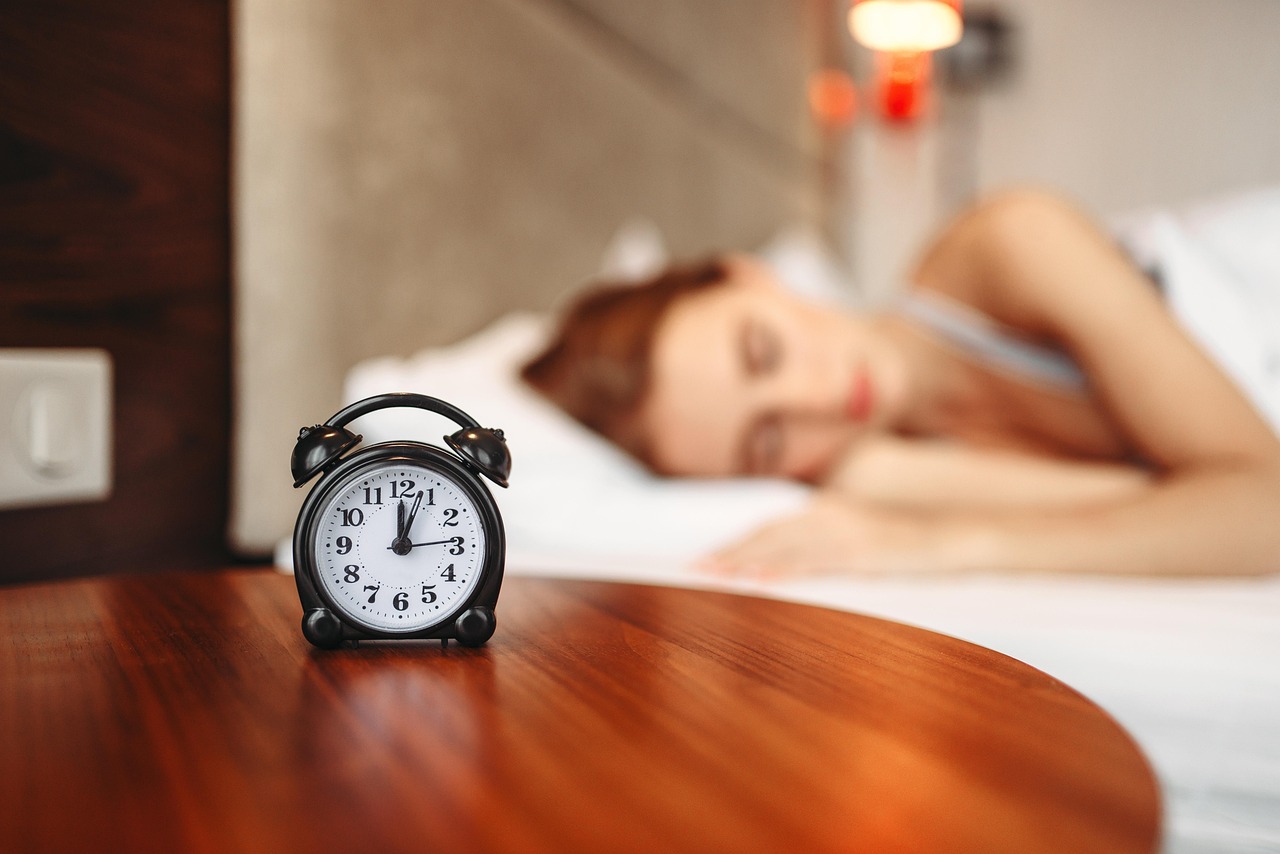
The connection between morning light and nighttime sleep might seem counterintuitive, but it represents one of the most powerful aspects of circadian optimization. Morning light exposure strengthens your circadian amplitude—the difference between your daytime alertness peak and nighttime sleepiness trough.
Regular morning light exposure helps consolidate your sleep-wake cycle, making it easier to fall asleep at night and wake naturally in the morning. Research published in Sleep Health demonstrates that individuals with consistent morning light exposure experience shorter sleep onset latency, reduced nighttime awakenings, and improved sleep efficiency.
This creates a positive feedback loop: better sleep leads to easier waking, which facilitates morning light exposure, which further improves subsequent sleep quality. Over time, this cycle can dramatically transform both your sleep and daytime functioning.
🌦️ Adapting Your Routine Across Seasons and Weather
Maintaining your morning light routine year-round requires adapting strategies to accommodate seasonal variations in sunrise timing and weather conditions. During summer months with early sunrises, natural light exposure becomes relatively effortless, but winter presents significant challenges.
Seasonal Affective Disorder (SAD) affects millions of people in regions with limited winter sunlight, but even individuals without clinical SAD experience reduced energy and mood during darker months. Proactive light management becomes especially critical during these periods.
Winter Light Optimization Strategies
During winter months, combine multiple light sources to achieve adequate exposure. Use a light therapy lamp immediately upon waking while preparing for your day, then maximize natural outdoor time during lunch breaks when sunlight is strongest. Consider scheduling important cognitive tasks during peak daylight hours when possible.
Weekend morning outdoor activities become particularly valuable during winter, providing extended light exposure that helps maintain circadian stability throughout the week. Activities like winter hiking, outdoor breakfast at cafes with patio heaters, or even morning outdoor photography sessions serve dual purposes of light exposure and enjoyable recreation.
👥 Morning Light Routines for Different Lifestyles
Your optimal morning light routine depends on your specific circumstances, including work schedule, living environment, and personal preferences. Customizing your approach increases adherence and maximizes benefits.
For Shift Workers and Irregular Schedules
Individuals with non-traditional work hours face unique challenges but can still benefit from strategic light exposure. The principle remains the same: expose yourself to bright light during your “morning” regardless of clock time, and minimize light exposure before your “night” sleep period.
Portable light therapy devices become particularly valuable for shift workers, allowing you to create consistent light signals that override conflicting environmental cues. Use blackout curtains and blue-light blocking glasses to create artificial “night” conditions during your sleep window.
For Remote Workers and Entrepreneurs
Working from home offers flexibility but can result in insufficient light exposure if you’re not intentional. Design your workspace near windows, schedule morning outdoor breaks as non-negotiable appointments, and consider using adjustable task lighting that mimics natural daylight patterns throughout the day.
The autonomy of remote work allows you to optimize your schedule around your natural chronotype. If you’re naturally an early riser, embrace early morning work sessions positioned near windows. Night owls might benefit from later wake times with immediate bright light exposure to support necessary daytime alertness.
📊 Tracking Your Progress and Measuring Results
Quantifying the impact of your morning light routine helps maintain motivation and allows for data-driven adjustments. Consider tracking multiple metrics to capture the full range of benefits.
| Metric | Measurement Method | Expected Improvement Timeline |
|---|---|---|
| Morning Alertness | Subjective 1-10 scale within first hour of waking | 1-2 weeks |
| Sleep Onset Time | Time from lights out to sleep | 2-4 weeks |
| Cognitive Performance | Standardized tasks or work output metrics | 1-3 weeks |
| Mood Quality | Daily mood ratings or validated questionnaires | 2-3 weeks |
Most individuals notice subjective improvements within the first week of consistent morning light exposure, but full circadian adaptation typically requires two to four weeks of regular practice. Maintaining a simple daily log helps identify patterns and reinforces the connection between your light exposure and resulting benefits.
🚀 Taking Action: Your 30-Day Morning Light Challenge
Knowledge without implementation produces no results. Commit to a 30-day morning light challenge to experience transformative benefits firsthand. Start with achievable goals that fit your current lifestyle, then gradually increase duration and consistency.
Week one focuses on establishing the basic habit: get some form of bright light exposure within one hour of waking, whether through opening curtains, stepping outside briefly, or using a light therapy device. Don’t worry about perfection; simply build the foundational routine.
Week two increases duration and intensity: aim for 20-30 minutes of light exposure, preferably outdoors or near windows. Notice how this extended exposure affects your energy levels and mood throughout the morning hours.
Week three emphasizes consistency and optimization: maintain your routine even on weekends and less structured days. Experiment with timing to identify your personal optimal window for maximum benefit.
Week four integrates your morning light routine into a comprehensive circadian hygiene approach, including managing evening light exposure and other factors that support your body’s natural rhythms.

✨ The Compound Benefits of Consistent Practice
Morning light routines exemplify compound benefits—small daily investments that accumulate into significant long-term improvements. Beyond immediate alertness and mood enhancement, consistent practice supports cardiovascular health, metabolic function, immune system regulation, and even longevity.
Research continues revealing new mechanisms through which light exposure influences human health. Recent studies explore connections between circadian alignment and inflammation reduction, hormonal balance, and cognitive aging. By establishing your morning light routine now, you’re investing in both immediate performance and long-term health resilience.
The most successful individuals often attribute their productivity to seemingly simple practices consistently executed. Morning light exposure represents one such foundational habit—scientifically validated, freely available, and remarkably powerful when properly implemented. Your transformation begins with tomorrow’s sunrise and the conscious decision to greet it intentionally.
Start where you are, use what you have, and do what you can. Your future self, energized and thriving, will thank you for the commitment you make today to harnessing the transformative power of morning light.