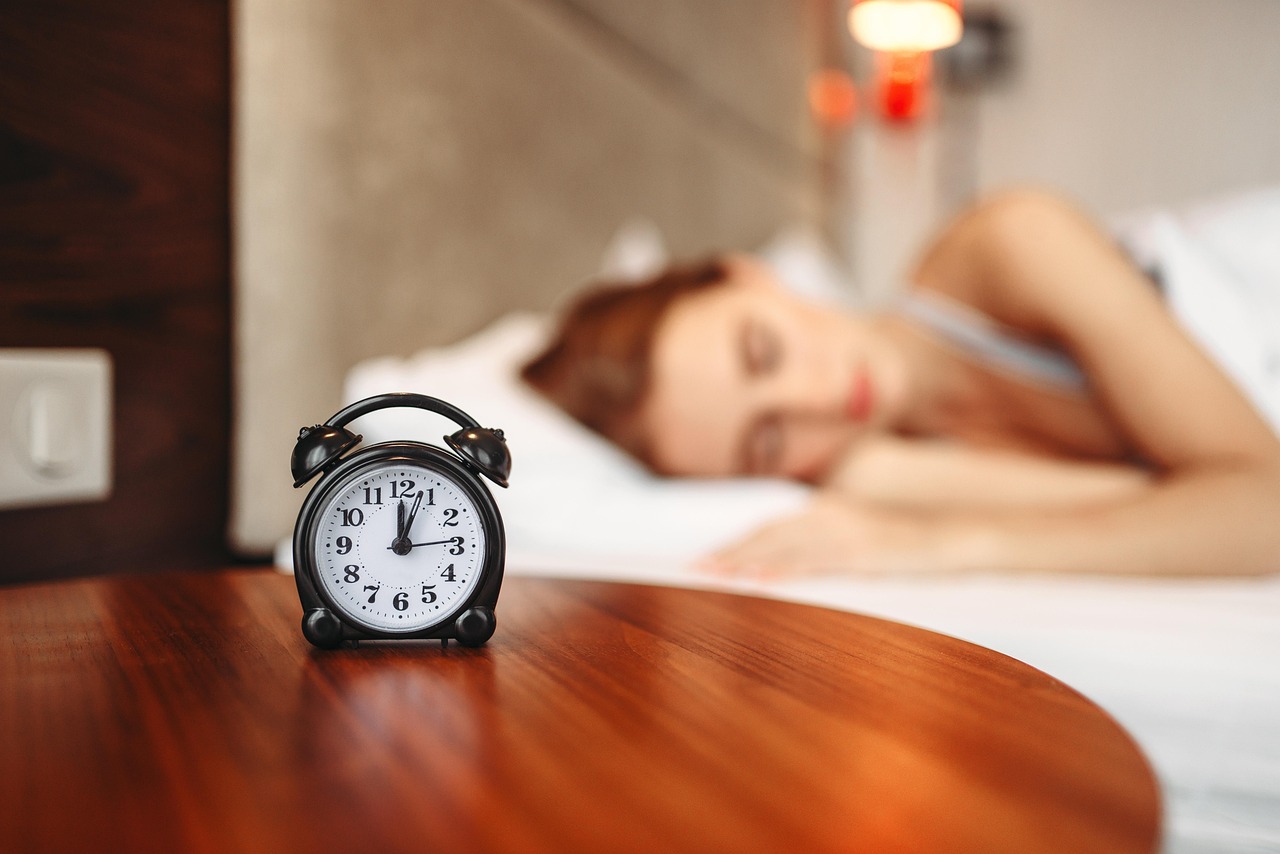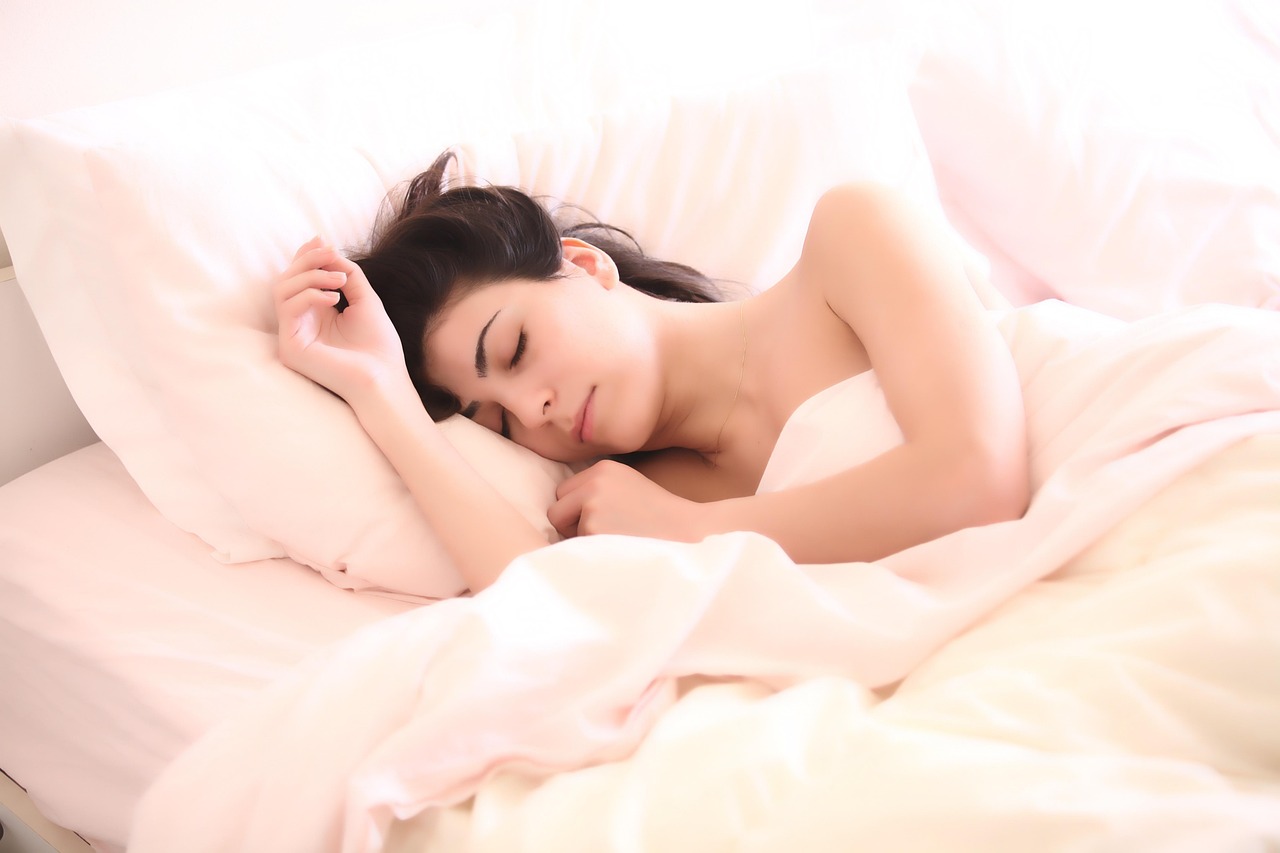
Modern life pulls us in countless directions, but one invisible force affects both our sleep and social energy more than we realize: evening light exposure. Managing this delicate balance can transform your nights and revitalize your social connections.

We’ve all been there—scrolling through social media late at night, eyes glued to bright screens, only to find ourselves exhausted the next day and too drained to enjoy meaningful interactions with friends and family. The relationship between light hygiene and our social vitality isn’t just coincidental; it’s deeply rooted in our biology and circadian rhythms.
🌅 Understanding the Science Behind Evening Light Hygiene
Your body operates on an internal clock called the circadian rhythm, a sophisticated biological system that regulates sleep-wake cycles, hormone production, and even social behavior. This internal timekeeper relies heavily on environmental light cues to function optimally.
When evening arrives, your brain naturally prepares for rest by producing melatonin, the sleep hormone. However, artificial light—especially the blue wavelengths emitted by smartphones, tablets, and computers—tricks your brain into thinking it’s still daytime. This disruption cascades through your entire system, affecting not just your sleep quality but also your mood, energy levels, and capacity for social engagement.
Research consistently shows that people who maintain poor light hygiene experience higher rates of social withdrawal, irritability, and decreased motivation to participate in social activities. The connection is clear: when your internal clock is confused, your social life suffers.
The Hidden Cost of Blue Light on Social Energy
Blue light exposure after sunset doesn’t just make falling asleep harder—it depletes the very energy reserves you need for vibrant social interactions. Studies reveal that excessive evening blue light exposure reduces REM sleep, the restorative phase crucial for emotional regulation and social cognition.
Without adequate REM sleep, you’re more likely to misinterpret social cues, feel emotionally reactive, and lack the patience needed for meaningful conversations. Your social battery runs on the fuel of quality rest, and poor light hygiene is like driving with a perpetually low fuel gauge.
How Your Social Brain Suffers
The prefrontal cortex, your brain’s social processing center, is particularly vulnerable to sleep deprivation caused by light exposure disruption. This region handles empathy, perspective-taking, and impulse control—all essential ingredients for successful social interactions.
When light hygiene falters, this crucial brain area underperforms, making you more prone to social anxiety, misunderstandings, and conflicts that could otherwise be avoided.
✨ Creating Your Evening Light Sanctuary
Mastering evening light hygiene doesn’t require extreme measures or complete disconnection from modern technology. Instead, it’s about implementing strategic habits that honor your biology while maintaining your social connectivity.
The Golden Hour Protocol
Establish a clear transition period beginning two to three hours before your intended bedtime. During this golden hour, gradually reduce your exposure to bright artificial lights, especially those with blue wavelengths.
Replace overhead lighting with softer, warmer alternatives like table lamps with amber bulbs or dimmable fixtures. This gradual dimming mimics the natural sunset, signaling to your brain that rest time approaches while still allowing you to engage in evening activities.
Smart Screen Management
Rather than completely eliminating screens—an unrealistic expectation for most people—implement intelligent screen strategies that minimize disruption to your circadian rhythm.
- Enable blue light filters on all devices at least two hours before bedtime
- Reduce screen brightness to the lowest comfortable level during evening hours
- Position screens at least 14 inches from your face to reduce light intensity
- Use night mode settings on smartphones and computers automatically after sunset
- Consider blue light blocking glasses for unavoidable evening screen time
Apps like Twilight can automatically adjust your device’s color temperature based on time of day, creating a seamless transition to eye-friendly evening lighting without requiring constant manual adjustments.
💡 Balancing Digital Connection with Light Hygiene
One of the biggest concerns people express about improving light hygiene is the fear of missing out on social connections that happen through digital channels. The solution isn’t isolation—it’s intentionality.
Scheduling Social Screen Time
Designate specific evening windows for digital social interaction, preferably earlier in your golden hour period. When you engage with friends through messaging apps or social media, do so mindfully and with appropriate screen settings activated.
Consider moving some digital conversations to audio calls, which eliminate screen exposure entirely while maintaining personal connection. Voice conversations often feel more intimate than text exchanges anyway, strengthening relationships while protecting your circadian rhythm.
The Power of In-Person Evening Activities
Nothing replaces face-to-face social interaction for both relationship quality and light hygiene. Evening walks with friends, dinner gatherings with ambient lighting, or board game nights all provide rich social experiences without the circadian disruption of screens.
These activities naturally incorporate movement, which further supports healthy sleep patterns, while building the deep social connections that truly sustain wellbeing.
🏠 Designing Light-Friendly Social Spaces
Your home environment significantly influences both your light hygiene and your capacity to host engaging social gatherings. Creating spaces that balance ambiance with circadian support makes evening socializing both enjoyable and health-promoting.
Strategic Lighting Layers
Implement multiple lighting sources at different levels and intensities throughout your living spaces. This layered approach allows you to adjust illumination based on activity and time of day.
| Lighting Type | Best Use | Evening Benefit |
|---|---|---|
| Overhead Dimmers | General illumination control | Gradual brightness reduction |
| Table Lamps (Warm) | Reading and conversation areas | Localized, low-impact lighting |
| Candles | Dining and ambiance | Zero circadian disruption |
| String Lights (Amber) | Decorative atmosphere | Soft, diffused illumination |
When hosting evening gatherings, keep overhead lights dimmed or off entirely, relying instead on these softer alternatives that create inviting atmospheres without compromising anyone’s sleep preparation.
⏰ Timing Your Social Calendar for Maximum Energy
Not all evening hours affect your circadian rhythm equally. Understanding the nuances of timing helps you schedule social activities that energize rather than deplete you.
The Early Evening Sweet Spot
The period between 6 PM and 8 PM typically offers the best balance for social engagement and light hygiene. Your body hasn’t yet begun significant melatonin production, making this timeframe ideal for higher-energy social activities without major circadian disruption.
Schedule dinner parties, active outings, and engaging conversations during these hours when possible. Reserve the later evening for quieter, lower-light activities that support your transition toward rest.
Weekend Warriors Beware
Many people compensate for weekday restraint with late weekend nights filled with bright lights and stimulation. While occasional flexibility is normal, consistent weekend disruption to your light hygiene creates “social jet lag” that affects your energy and mood throughout the following week.
Maintain relative consistency in your evening light patterns even on weekends to keep your social energy stable and your circadian rhythm synchronized.
🌙 Building Evening Rituals That Support Both Rest and Relationships
The most sustainable approach to evening light hygiene involves creating rituals that feel nurturing rather than restrictive, supporting both your need for rest and your desire for connection.
The Pre-Sleep Connection Hour
Establish a consistent evening routine that includes low-light social connection. This might involve calling a friend during a sunset walk, having quiet conversation with a partner over herbal tea, or journaling about meaningful interactions from your day.
These activities satisfy your social needs while respecting your biological requirements for light reduction before sleep. The predictability of ritual also helps signal to your brain that rest approaches, easing the transition to sleep.
Tech-Free Connection Zones
Designate specific areas of your home as screen-free zones, particularly the bedroom but also spaces where you unwind in the evening. These boundaries protect your light hygiene while encouraging more present, meaningful interactions with whoever shares your space.
When screens are absent, people naturally engage more deeply in conversation, make better eye contact, and form stronger emotional connections—the very ingredients that make social life glow brightly.
📱 Technology as Tool, Not Tyrant
Modern technology offers remarkable tools for managing light exposure when used intentionally. The key is leveraging these tools to support your goals rather than undermining them.
Automation for Consistency
Smart home systems can automatically adjust lighting throughout your home based on time of day, eliminating the need for constant manual intervention. Program lights to dim gradually after sunset, creating seamless transitions that support your circadian rhythm.
Similarly, smartphone settings can automatically enable night modes, silence notifications during your golden hour, and even remind you when it’s time to begin winding down.
Digital Wellbeing tools built into Android devices help track and limit screen time during evening hours, providing accountability without requiring constant willpower.
🌟 Measuring Your Success: Signs of Improved Light Hygiene
How do you know if your evening light hygiene improvements are actually working? Several reliable indicators demonstrate progress beyond just subjective feelings.
Sleep Quality Markers
Track how quickly you fall asleep after getting into bed. With improved light hygiene, most people notice they drift off within 15-20 minutes rather than lying awake for extended periods. Morning alertness also improves significantly when circadian rhythms synchronize properly.
Social Energy Indicators
Pay attention to your enthusiasm for social plans and your patience during interactions. Better light hygiene typically results in increased motivation to maintain friendships, greater emotional resilience during conversations, and enhanced enjoyment of social activities.
You’ll likely notice fewer last-minute cancellations due to fatigue and more spontaneous positive interactions throughout your day.
Overcoming Common Light Hygiene Obstacles
Even with knowledge and motivation, certain challenges can derail evening light hygiene efforts. Anticipating these obstacles helps you develop effective strategies for navigating them.
The Work-From-Home Dilemma
Remote workers often struggle with the blurred boundaries between professional and personal time, leading to extended screen exposure well into evening hours. Combat this by establishing clear work end times and physically separating work spaces from relaxation areas.
Use light as a boundary marker—when work ends, change your lighting environment dramatically to signal the transition to personal time.
Managing Social Pressure
Friends and family might not understand your commitment to light hygiene, potentially creating tension when you decline late-night video calls or dim lights during gatherings. Communication is essential here.
Explain your goals clearly, emphasizing that better light hygiene makes you a more present, energetic friend rather than a less available one. Most people become supportive when they understand your reasoning and might even adopt similar practices themselves.

The Long-Term Glow: Sustainable Social Vitality
Mastering evening light hygiene isn’t about perfection—it’s about consistent, sustainable practices that accumulate benefits over time. Small adjustments compound into significant improvements in both sleep quality and social energy.
The relationship between light exposure and social vitality creates a powerful feedback loop. Better light hygiene improves sleep, which enhances mood and energy, making social engagement more appealing and enjoyable. These positive social experiences further support mental health and motivation to maintain healthy habits.
Your social life doesn’t have to dim as you prioritize rest. Instead, by honoring your biological need for proper light exposure patterns, you create the foundation for relationships that truly glow—built on presence, energy, and genuine connection rather than exhausted obligation.
Start tonight with one simple change: dim your lights an hour earlier than usual and notice what shifts. Your brain, your body, and your friends will thank you for the radiant energy you bring to every interaction moving forward. The art of evening light hygiene isn’t about restriction—it’s about illuminating the path to your best, most socially vibrant self.