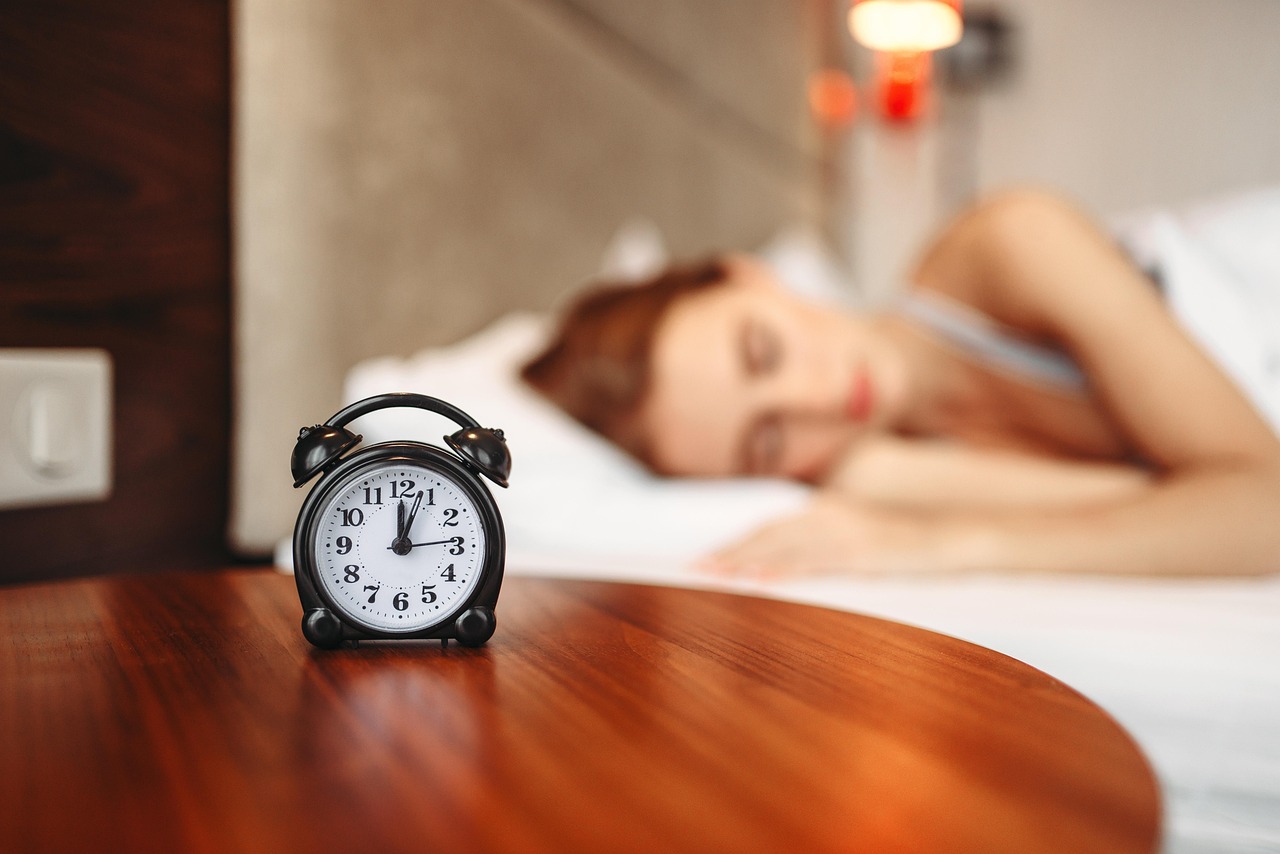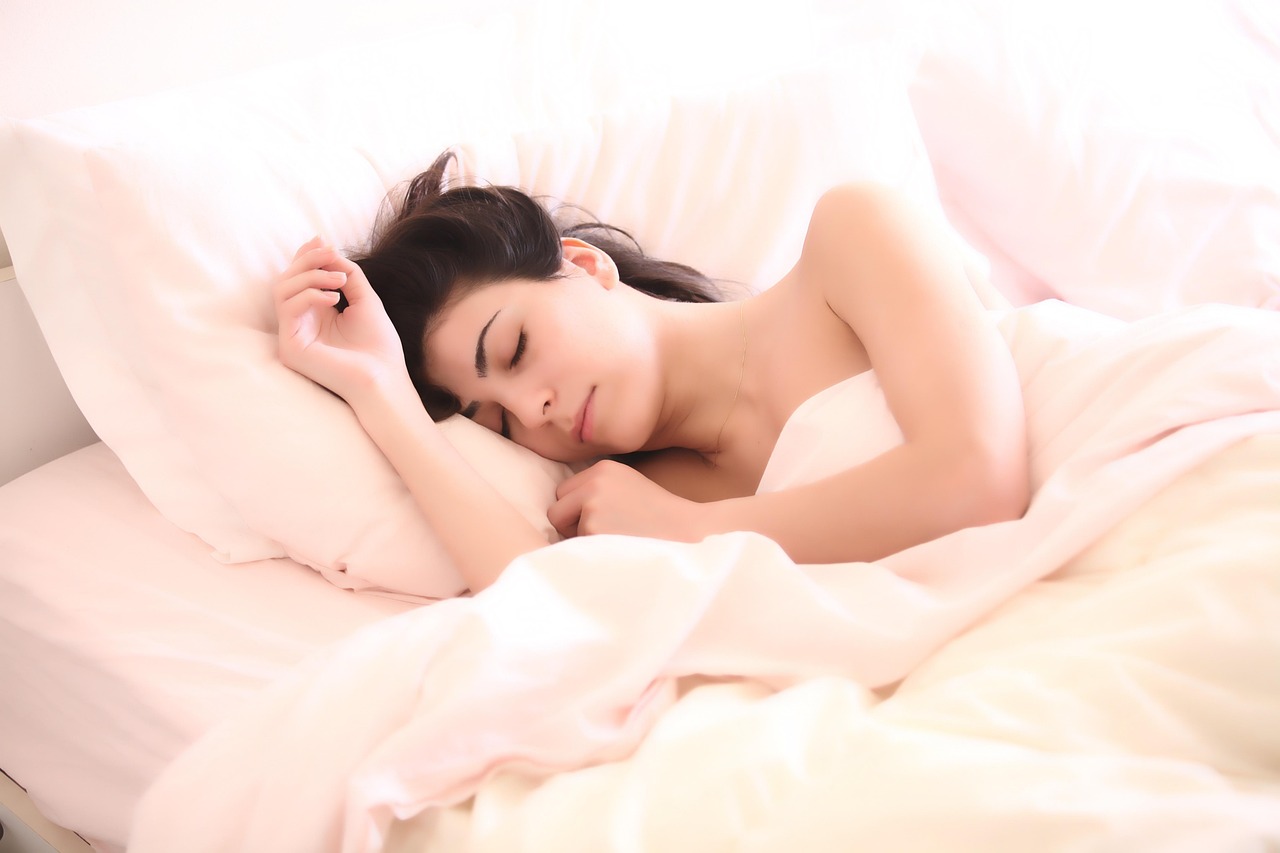
Your body runs on an internal clock that governs everything from your sleep quality to your immune function. Understanding how to synchronize this clock with the right light exposure can transform your health, energy levels, and overall well-being.

Modern life has disconnected us from the natural light-dark cycles that our ancestors evolved with for millions of years. We wake up in dimly lit homes, spend our days under artificial lighting, and expose ourselves to bright screens well into the night. This disruption creates a cascade of health issues that many people don’t even realize are connected to their circadian rhythm.
🌅 Understanding Your Circadian System: More Than Just Sleep
Your circadian rhythm is a 24-hour internal clock that regulates virtually every physiological process in your body. This master timing system controls hormone release, body temperature, digestion, immune function, and cognitive performance. At the center of this system sits the suprachiasmatic nucleus (SCN), a tiny cluster of neurons in your hypothalamus that acts as your body’s master clock.
The SCN receives direct input from specialized photoreceptor cells in your eyes called intrinsically photosensitive retinal ganglion cells (ipRGCs). These cells are particularly sensitive to blue wavelengths of light around 480 nanometers. When light hits these cells, signals travel directly to your SCN, informing your brain whether it’s day or night and adjusting your physiology accordingly.
This light information doesn’t just affect your sleep. It influences cortisol production in the morning to wake you up, melatonin secretion at night to prepare you for sleep, body temperature fluctuations throughout the day, and even your metabolism and appetite regulation. When this system functions optimally, you experience deep restorative sleep, high daytime energy, stable mood, and robust metabolic health.
⚡ The Morning Light Advantage: Setting Your Biological Clock
The single most powerful signal you can send to your circadian system is bright light exposure within the first hour of waking. This morning light serves as the anchor point that sets your entire circadian rhythm for the day. Without this strong morning signal, your internal clock begins to drift, leading to inconsistent sleep-wake times and reduced sleep quality.
Morning sunlight delivers approximately 10,000 to 100,000 lux of illumination, depending on weather conditions and time of year. This intensity far exceeds typical indoor lighting, which ranges from just 100 to 500 lux. The brightness difference matters tremendously because your circadian system has a threshold response—it needs sufficient light intensity to trigger the full cascade of circadian-setting hormones.
Optimal Morning Light Protocols
For maximum circadian benefit, aim to get outside within 30 to 60 minutes of waking. Even on overcast days, outdoor light is significantly brighter than indoor environments. You don’t need to stare directly at the sun; simply being outside with the light reaching your eyes is sufficient. Remove sunglasses during this morning exposure, as they block the beneficial blue wavelengths your circadian system needs to detect.
The duration of exposure depends on conditions. On bright sunny mornings, 5 to 10 minutes may be adequate. On cloudy days or during winter months at higher latitudes, you might need 15 to 30 minutes or more. The key principle is that dimmer conditions require longer exposure times to reach the photon threshold that triggers circadian entrainment.
🌞 Maximizing Daytime Light Exposure for Peak Performance
While morning light sets your clock, continued bright light exposure throughout the day strengthens your circadian amplitude—the difference between your peak alertness during the day and your depth of sleep at night. A strong circadian amplitude is associated with better mood, sharper cognition, and more restorative sleep.
Most people dramatically underestimate how dim indoor environments are compared to the outdoor light levels we evolved with. Even sitting near a window provides only a fraction of the light intensity you’d receive outside. This chronic daytime light deficiency weakens your circadian signal, making you feel sluggish during the day and less sleepy at night.
Practical Strategies for Daytime Light Optimization
- Take walking meetings or phone calls outside whenever possible
- Position your workspace near windows and keep blinds open
- Eat lunch outdoors or near large windows
- Take short outdoor breaks every 2-3 hours throughout the workday
- Consider using a light therapy lamp (10,000 lux) if outdoor access is limited
- Choose office spaces and homes with abundant natural light
For those working entirely indoors, light therapy devices can provide supplemental bright light exposure. Look for lamps that deliver at least 10,000 lux at the recommended distance and position them within your visual field while you work. These devices are particularly valuable during winter months when daylight hours are limited.
🌇 The Critical Transition: Managing Evening Light
If morning light is the accelerator for your circadian system, evening light is the brake. As the sun sets, the natural reduction in light intensity signals your brain to begin ramping up melatonin production. This hormone makes you feel sleepy and initiates numerous restorative processes during sleep. However, artificial light after sunset disrupts this natural transition.
The problem isn’t just brightness—it’s also spectrum. Modern LED lights and screens emit substantial amounts of blue wavelengths that mimic daytime light. Even relatively dim screen exposure can suppress melatonin production by 50% or more, delaying sleep onset and reducing sleep quality.
Creating an Evening Light Environment
Beginning around sunset, shift your light environment toward dimmer, warmer tones. This doesn’t mean sitting in complete darkness, but rather creating a gradual transition that allows your biology to prepare for sleep naturally. Dimming your lights and shifting to warmer color temperatures (amber, orange, red) minimizes the circadian-disrupting effects of evening light.
For screens and devices used after sunset, implement blue light filtering. Most smartphones and computers now include night mode settings that reduce blue light emission. Set these to activate automatically at sunset. For even better protection, consider wearing blue-blocking glasses in the evening, which filter the specific wavelengths that most strongly affect melatonin suppression.
📱 Technology Solutions for Circadian Optimization
Several applications can help you track and optimize your light exposure patterns. Circadian rhythm apps provide personalized recommendations based on your location, schedule, and circadian type. These tools can remind you to get morning light, suggest optimal times for bright light exposure, and alert you when to begin dimming your environment.
Smart lighting systems allow you to automate your light environment, gradually increasing brightness and shifting to cooler tones in the morning, then dimming and warming in the evening. These systems can synchronize with your schedule and local sunrise/sunset times, creating an ideal light environment without requiring constant manual adjustments.
🔬 The Science Behind Light Intensity and Timing
Research demonstrates that circadian photoreception follows specific dose-response curves. The timing, intensity, duration, and wavelength of light exposure all interact to determine the magnitude of circadian phase shifts. Light exposure in the early biological morning advances your clock (making you wake earlier), while evening light delays it (shifting you toward a later schedule).
Studies measuring melatonin suppression show that light intensity has a logarithmic relationship with circadian effects. Doubling light intensity doesn’t double the effect—you need exponential increases in brightness to produce proportional circadian responses. This explains why modest increases in indoor lighting have minimal impact, while getting outdoors produces dramatic benefits.
Individual Variability in Light Sensitivity
Not everyone responds identically to light exposure. Some individuals have naturally higher circadian sensitivity to light, meaning they experience stronger phase shifts from the same light stimulus. Others require more intense or longer duration exposure to achieve similar effects. Age also matters—older adults typically need brighter and longer light exposure because the lens of the eye yellows with age, filtering out more blue light.
🛠️ Troubleshooting Common Circadian Challenges
Many people struggle with specific circadian issues that targeted light timing can address. Night shift workers, frequent travelers crossing time zones, and those with delayed sleep phase syndrome all face unique challenges that require strategic light exposure protocols.
Shift Work Strategies
For night shift workers, the goal is to shift your circadian rhythm to align with your wake-sleep schedule. This requires bright light exposure during your night shift and complete darkness during your daytime sleep period. Wear blue-blocking glasses on your commute home and ensure your sleeping environment is completely dark. Upon waking before your shift, get bright light exposure immediately to signal the start of your biological day.
Jet Lag Recovery
When traveling across time zones, use light exposure to rapidly shift your circadian rhythm toward your destination time zone. For eastward travel (where you need to advance your clock), seek bright morning light at your destination and avoid evening light. For westward travel (requiring a delayed clock), avoid morning light and seek evening light exposure instead.
| Travel Direction | Light Strategy | Expected Adjustment Time |
|---|---|---|
| Eastward (3-6 time zones) | Bright light in early morning, darkness in evening | 3-5 days |
| Westward (3-6 time zones) | Avoid morning light, seek evening/afternoon light | 2-3 days |
| Extreme travel (>9 time zones) | Wait 24 hours, then treat as shorter eastward or westward | 5-7 days |
💪 The Health Benefits of Circadian Alignment
When you master light timing and strengthen your circadian signals, the benefits extend far beyond better sleep. Research links strong circadian rhythms with improved metabolic health, enhanced immune function, better mood regulation, and even longevity. Your body performs specific maintenance and repair processes at particular circadian phases, and these only occur optimally when your internal timing system is well-synchronized.
Metabolic health improves dramatically with proper circadian alignment. Insulin sensitivity follows a circadian pattern, peaking in the morning and declining toward evening. When you eat in sync with these rhythms and support them with proper light exposure, you optimize glucose metabolism and reduce diabetes risk. Studies show that circadian misalignment contributes to obesity, metabolic syndrome, and cardiovascular disease.
Mental Health and Cognitive Performance
Your mood and cognitive abilities fluctuate according to circadian patterns. Proper light timing supports optimal cortisol rhythms—high in the morning for alertness and low in the evening for relaxation. Disrupted circadian rhythms are strongly associated with depression, anxiety, and bipolar disorder. Light therapy is an evidence-based treatment for seasonal affective disorder and shows promise for other mood disorders as well.
Cognitive performance, including memory consolidation, attention, and executive function, peaks at specific circadian phases. By strengthening your circadian amplitude through proper light exposure, you enhance these natural performance rhythms and maintain sharper mental function throughout your optimal hours.
🎯 Building Your Personalized Light Protocol
Creating an effective light timing strategy requires understanding your current patterns and implementing sustainable changes. Start by tracking your typical light exposure for one week. Note when you first see bright light each day, how much time you spend outdoors, and when you use screens or bright indoor lights in the evening.
Begin with the highest-impact intervention: consistent morning bright light exposure within one hour of waking. This single change often produces noticeable improvements in sleep quality and daytime energy within just a few days. Once this becomes habitual, add additional outdoor time during the day and begin moderating evening light exposure.
Progressive Implementation Strategy
- Week 1-2: Establish morning light exposure routine (10-30 minutes outdoors)
- Week 3-4: Add midday outdoor breaks (at least 15 minutes)
- Week 5-6: Implement evening light reduction (dim lights 2-3 hours before bed)
- Week 7-8: Add blue light filtering for evening screen use
- Ongoing: Fine-tune timing and duration based on sleep quality and energy levels
🌍 Adapting to Seasons and Latitude
Your light timing strategy must adapt to changing seasons, particularly at higher latitudes where daylight duration varies dramatically. During summer months, sunrise occurs early and sunset late, making it easier to get abundant natural light. Winter presents greater challenges, especially in northern regions where daylight hours are severely limited.
In winter, prioritize getting outside during the limited daylight hours available, even if this means taking a lunch break outdoors in cold weather. Light therapy lamps become particularly valuable during dark seasons, providing the intense light exposure your circadian system needs. Some people benefit from light therapy sessions immediately upon waking during winter months to compensate for delayed sunrise times.
🚀 Advanced Optimization Techniques
Once you’ve mastered the fundamentals, consider advanced strategies for further optimization. Circadian-timed exercise enhances the phase-shifting effects of light exposure. Morning exercise combined with bright light produces stronger circadian advancement than either intervention alone. Evening exercise, conversely, can help delay your circadian phase if you’re naturally an early riser wanting to shift later.
Temperature also reinforces circadian signals. Cool temperatures in the evening facilitate sleep onset, while warmth in the morning supports waking. Combine your light timing protocols with appropriate temperature management—cooler sleeping environments (60-67°F) and morning warmth through activity or warm beverages.
Meal timing represents another powerful circadian zeitgeber (time-giver). Eating during your biological daytime and fasting during your biological night reinforces circadian rhythms. When combined with proper light exposure, time-restricted eating enhances metabolic health and strengthens circadian amplitude.
⏰ Measuring Your Progress and Adjusting
Track objective markers of circadian health to evaluate your light timing protocol. Sleep onset latency (how long it takes to fall asleep) should decrease to 15 minutes or less. Wake time should become more consistent, varying by less than 30 minutes day-to-day, even on weekends. Daytime energy should feel more stable, without the extreme afternoon crashes that indicate circadian disruption.
Consider tracking your resting heart rate and heart rate variability upon waking, as these metrics reflect circadian rhythm strength and sleep quality. Both should improve as your circadian alignment strengthens. Some people benefit from tracking body temperature rhythms or using wearable devices that estimate circadian phase based on activity and physiological patterns.
Mastering your body clock through strategic light timing represents one of the most powerful, evidence-based interventions you can implement for health optimization. Unlike complex supplement protocols or restrictive diets, light timing costs nothing, requires no special equipment beyond what nature provides, and produces benefits that touch virtually every aspect of your physiology. By aligning your light exposure with your evolutionary biology, you unlock your body’s innate capacity for deep sleep, high energy, stable mood, and optimal metabolic function. The strongest circadian signal doesn’t come from pills or potions—it comes from the sun above you and the choices you make about when and how you expose yourself to light.