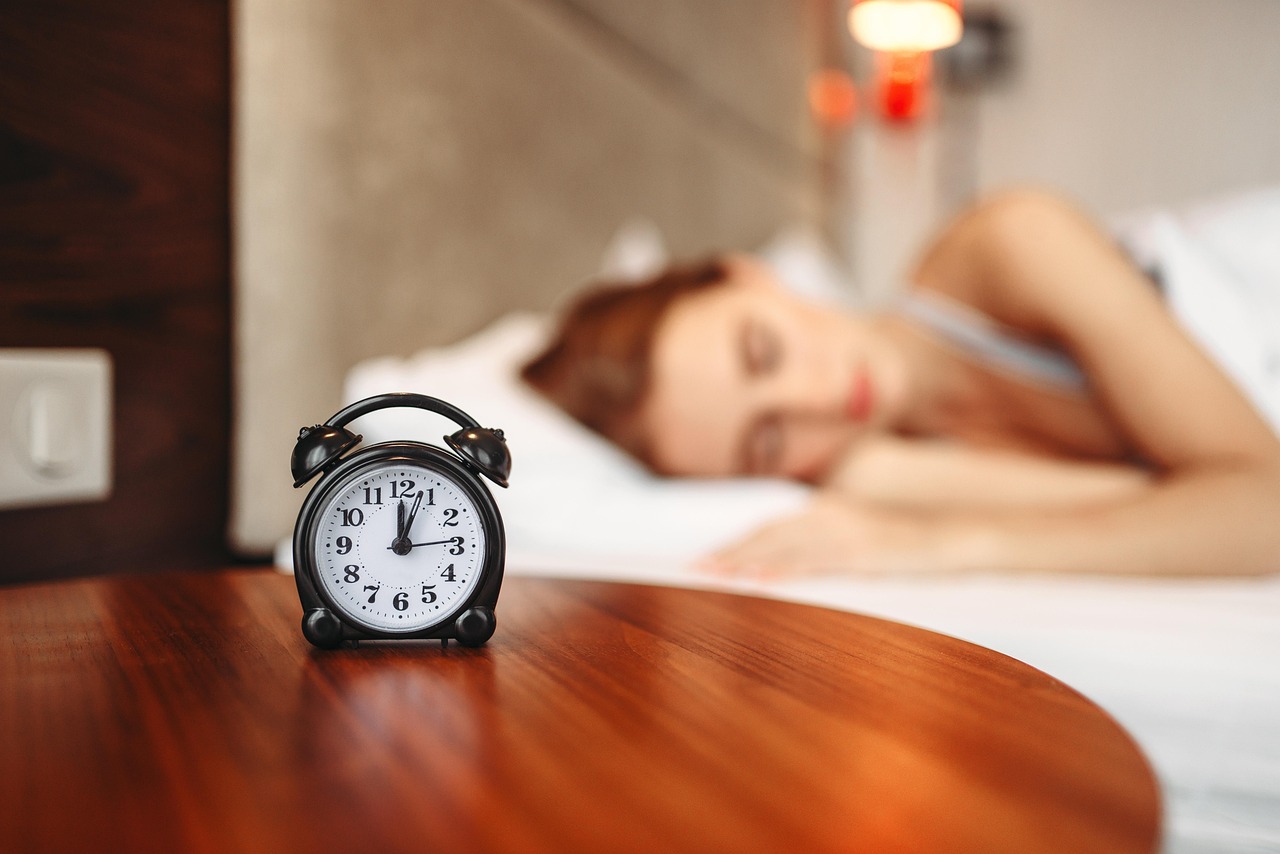
In today’s hyperconnected world, the pursuit of optimal health has paradoxically become a source of stress for many. The pressure to track every metric, optimize every habit, and perfect every aspect of our wellness routines can lead to a counterproductive cycle.

When our quest for better sleep transforms into an obsession with sleep data, we encounter a peculiar modern problem: the anxiety about sleep itself becomes the barrier to restful nights. This phenomenon, combined with the tendency to over-optimize every aspect of our lives, creates a perfect storm that undermines the very health we’re trying to achieve. Understanding how to step back from this edge and find genuine balance is essential for cultivating a truly restful lifestyle.
🌙 The Hidden Trap of Sleep Perfectionism
Sleep anxiety manifests in numerous ways, but one of the most prevalent modern forms involves obsessing over sleep metrics. The rise of wearable technology and sleep tracking apps has given us unprecedented insight into our sleep patterns, yet for many, this knowledge becomes a burden rather than a tool.
When you wake up and immediately check your sleep score, feeling your mood plummet because you only achieved 82% sleep quality instead of 90%, you’ve crossed from helpful monitoring into harmful fixation. This condition, sometimes called orthosomnia, represents the clinical manifestation of sleep perfectionism—where the pursuit of ideal sleep metrics actually disrupts sleep quality.
The irony is profound: the more you worry about achieving perfect sleep, the more elusive quality rest becomes. Your nervous system responds to this anxiety by activating stress hormones like cortisol, which directly counteracts the relaxation needed for deep, restorative sleep. The sympathetic nervous system, responsible for your fight-or-flight response, remains partially engaged when you approach bedtime with performance anxiety.
Recognizing the Warning Signs 🚨
Understanding whether you’ve slipped into unhealthy sleep optimization requires honest self-assessment. Several red flags indicate you may have crossed this line:
- Feeling anxious or distressed when you can’t wear your sleep tracker
- Canceling social activities to protect your sleep schedule rigidly
- Experiencing increased stress when sleep metrics don’t meet your standards
- Spending excessive time researching sleep optimization techniques
- Feeling more tired despite technically improving sleep duration
- Becoming irritable with partners or family members who “disrupt” your sleep routine
- Waking during the night and worrying about how it will affect your sleep score
These behaviors indicate that sleep has transformed from a natural restorative process into a performance metric, complete with the stress and pressure that comes with any measured outcome.
📊 The Over-Optimization Epidemic Across Life Domains
Sleep represents just one area where over-optimization creates problems. This pattern extends throughout modern wellness culture, affecting nutrition, exercise, productivity, and relationships. The underlying problem stems from applying an industrial mindset—focused on efficiency and measurable outputs—to human experiences that fundamentally require flexibility and intuition.
Consider the person who weighs every meal to the gram, tracks macronutrients obsessively, and experiences genuine distress when circumstances force them to eat something outside their calculated plan. Or the fitness enthusiast who can’t enjoy a leisurely walk because it doesn’t elevate their heart rate to the “optimal” zone, turning every movement into a calculated exercise session.
The Productivity Paradox 💼
Productivity optimization presents particularly insidious challenges. Time-blocking every minute of your day, using multiple apps to track focus and efficiency, and feeling guilty about any “unproductive” moment creates psychological exhaustion that ultimately reduces your actual productive capacity.
Research consistently shows that breaks, downtime, and unstructured thinking time enhance creativity and problem-solving abilities. Yet the over-optimizer views these essential periods as waste, scheduling even their relaxation with military precision. The result? Burnout, decreased creativity, and ironically, reduced overall productivity.
🧠 The Neuroscience Behind the Balance
Understanding why balance matters requires examining how your brain actually functions. Your nervous system operates through two primary modes: the sympathetic system (activation, alertness, stress response) and the parasympathetic system (rest, digestion, recovery, sleep).
Optimal health requires regular oscillation between these states. You need sympathetic activation for focused work, exercise, and responding to challenges. You equally need parasympathetic dominance for physical recovery, emotional processing, immune function, and sleep.
Over-optimization keeps you locked in sympathetic dominance. Even when you’re theoretically “resting,” if you’re worried about optimizing that rest, tracking it, or measuring its quality, your sympathetic system remains partially engaged. This chronic low-grade activation prevents the deep parasympathetic recovery your body needs.
The Cortisol Connection 🔬
Cortisol, your primary stress hormone, follows a natural circadian rhythm. It should peak in the morning to help you wake up, then gradually decline throughout the day, reaching its lowest point at night to facilitate sleep. Chronic anxiety about optimization disrupts this pattern.
When you constantly stress about meeting health metrics—whether sleep scores, step counts, or nutrition targets—you maintain elevated cortisol throughout the day and into the evening. This disrupted cortisol curve directly interferes with sleep onset and quality, creating a vicious cycle where your anxiety about health metrics actually deteriorates your health.
🌿 Reclaiming Intuitive Wellness
Breaking free from over-optimization doesn’t mean abandoning all structure or healthy habits. Instead, it involves rediscovering the wisdom of listening to your body’s signals rather than relying exclusively on external metrics and rigid rules.
Intuitive wellness recognizes that your needs fluctuate based on countless variables—stress levels, life circumstances, weather, social dynamics, and natural biological rhythms. A truly healthy lifestyle adapts to these variations rather than forcing unchanging routines regardless of context.
Practical Steps Toward Balance ⚖️
Transitioning from over-optimization to balanced wellness involves deliberate practice and patience with yourself. Start with these concrete strategies:
Take periodic technology breaks: Designate one day per week where you don’t check any health metrics. Don’t wear your fitness tracker, don’t log your food, don’t review your sleep data. Notice how you feel without this constant feedback loop. Many people discover they actually feel more energized and less anxious.
Practice flexible routines: Establish helpful habits without rigid attachment to perfect execution. If your ideal bedtime is 10:30 PM but friends invite you to a meaningful gathering that runs late, choose connection over sleep optimization occasionally. Social bonds significantly impact overall health and longevity.
Embrace “good enough”: Instead of striving for perfect sleep scores, aim for feeling reasonably rested most days. Rather than optimal nutrition at every meal, focus on eating nourishing foods most of the time while allowing flexibility for pleasure and social eating.
Reframe metrics as information, not grades: When you do use tracking tools, view the data as interesting information rather than performance evaluations. Your sleep tracker shows you slept six hours instead of eight—that’s data about last night, not a judgment of your worth or success.
😴 Creating a Sleep Sanctuary Without Obsession
Quality sleep remains genuinely important for health, so how do you prioritize it without falling into anxiety-driven perfectionism? The key lies in creating supportive conditions while releasing attachment to specific outcomes.
Focus on sleep hygiene basics that feel good rather than restrictive rules you must follow perfectly. Keep your bedroom cool, dark, and quiet because these conditions feel pleasant, not because you’re chasing a perfect sleep score. Establish a relaxing pre-bed routine that you enjoy—perhaps reading, gentle stretching, or listening to calming music—because it helps you unwind, not because an app instructed you to.
The 80/20 Approach to Sleep Health 🛌
Apply the Pareto Principle to your sleep habits: focus on the 20% of practices that deliver 80% of the benefits. These typically include:
- Maintaining relatively consistent sleep and wake times (with flexibility for special occasions)
- Creating a comfortable sleep environment
- Limiting screen time before bed when you remember and it’s convenient
- Managing stress through enjoyable activities like social connection, nature time, or creative pursuits
- Getting natural light exposure during the day
Notice what’s missing from this list: perfect darkness achieved through blackout curtains and eye masks, precise temperature control to the exact degree, complete silence requiring white noise machines, and mandatory eight-hour sleep windows. These refinements might offer marginal improvements but often create more stress than benefit.
🎯 When Tracking Helps Versus Hurts
Technology and tracking aren’t inherently problematic. For some people, in some contexts, health monitoring provides valuable insights and motivation. The critical factor is your relationship with the data.
Healthy tracking serves curiosity and empowerment. You notice patterns that help you make informed choices: “I tend to sleep better when I exercise in the morning rather than evening” or “I feel more energized when I eat protein at breakfast.” These insights guide decisions without controlling them.
Unhealthy tracking serves anxiety and control. The data becomes a source of stress, and you feel compelled to take action even when your actual lived experience contradicts the metrics. Your tracker says you slept poorly, but you feel fine—yet you still feel anxious and try to “fix” your sleep.
Setting Healthy Boundaries With Health Apps 📱
If you use health tracking apps, establish clear boundaries to prevent them from becoming sources of anxiety. Consider checking sleep data only once per week rather than immediately upon waking. Use tracking for specific, time-limited experiments rather than continuous monitoring.
For example, you might track sleep for two weeks while adjusting caffeine intake to understand its impact on your rest. Once you’ve gathered useful information, stop tracking and implement what you’ve learned. This approach treats technology as a tool for gathering insights rather than a permanent judge of your health performance.
🌅 Building Sustainable Lifestyle Rhythms
True health emerges from sustainable patterns that work with your life rather than against it. This requires considering your unique circumstances—work schedule, family obligations, natural energy patterns, and personal preferences—rather than forcing yourself into an “optimal” routine designed for someone else’s life.
A parent with young children who wake frequently at night cannot maintain the same sleep schedule as someone living alone. A person working evening shifts requires different timing for exercise and meals than someone with a traditional 9-to-5 schedule. Honoring these realities rather than fighting them reduces stress and improves overall wellbeing.
The Power of Seasonal Living 🍂
Humans evolved to adjust behaviors seasonally, yet modern life often demands consistent routines year-round. Allowing some seasonal variation in your habits can reduce the strain of over-optimization while connecting you more deeply with natural rhythms.
You might naturally need more sleep during darker winter months or feel more energized for intense exercise during summer. Rather than maintaining identical habits regardless of season, allowing gentle adjustments honors your biology and reduces the effort required to maintain wellness practices.
💚 Cultivating Self-Compassion in Your Wellness Journey
Perhaps the most powerful antidote to over-optimization and sleep anxiety is self-compassion—treating yourself with the same kindness and understanding you’d offer a good friend. Perfectionism thrives on harsh self-criticism, while balanced wellness grows from patient self-acceptance.
When you have a restless night, respond with compassion rather than frustration. Your body did its best given the circumstances. When you miss your meditation practice or skip a workout, recognize that life is complex and a single day doesn’t define your overall wellness. When your sleep tracker shows poor scores, remember that you are infinitely more than any metric.
Self-compassion doesn’t mean abandoning healthy habits or lowering standards carelessly. Instead, it means pursuing wellness from a place of self-care rather than self-improvement anxiety. You take care of yourself because you’re worthy of care, not because you need to optimize yourself into worthiness.
🌟 The Freedom of Enough
Our culture relentlessly pushes the message that you should always be optimizing, improving, and striving for more. Breaking free requires embracing a revolutionary concept: enough. You are enough. Your current health practices are enough. Your imperfect sleep is enough.
This doesn’t mean complacency or neglecting genuine health needs. Rather, it means recognizing that health exists on a spectrum, and perfectionism isn’t just impossible—it’s actually unhealthy. The stress of chasing optimal in every domain undermines the very wellness you seek.
What if instead of asking “How can I optimize this?” you asked “Is this nourishing me?” That simple shift in perspective transforms your relationship with wellness practices. Some nights you’ll sleep deeply for eight hours; other nights you’ll rest less perfectly. Both are part of being human.
Redefining Success in Your Health Journey 🎊
Consider redefining what successful health looks like. Instead of perfect metrics, perhaps success means feeling generally energized most days, maintaining meaningful relationships, experiencing joy regularly, and handling life’s inevitable challenges with reasonable resilience.
Success might mean going to bed without anxiety about your sleep score, eating dinner with friends without calculating macros, or taking an untracked walk simply because the weather is beautiful. These immeasurable moments often contribute more to genuine wellbeing than hitting every quantifiable target.

🌈 Living With Gentle Consistency
The path forward involves gentle consistency rather than rigid perfection. Develop supportive routines that feel good rather than forced. Prioritize practices that genuinely enhance your energy and mood, while releasing those you maintain purely because wellness culture says you should.
Pay attention to what actually makes you feel better versus what theoretically should help. Your body’s wisdom—expressed through energy levels, mood, physical comfort, and genuine restfulness—provides more valuable feedback than any app or article.
When you release the burden of optimization, you create space for authentic rest. Sleep becomes something you allow rather than something you achieve. Health transforms from a performance to be measured into an experience to be lived. This shift doesn’t happen overnight, but each small step toward balance compounds into profound change.
Your journey toward a healthier, more restful lifestyle doesn’t require perfection. It requires presence, self-compassion, and the courage to trust your body’s innate wisdom. The most optimized version of you isn’t the one hitting every metric—it’s the one living with balance, ease, and genuine wellbeing. That version is already within you, waiting to emerge when you finally stop trying so hard to find it.