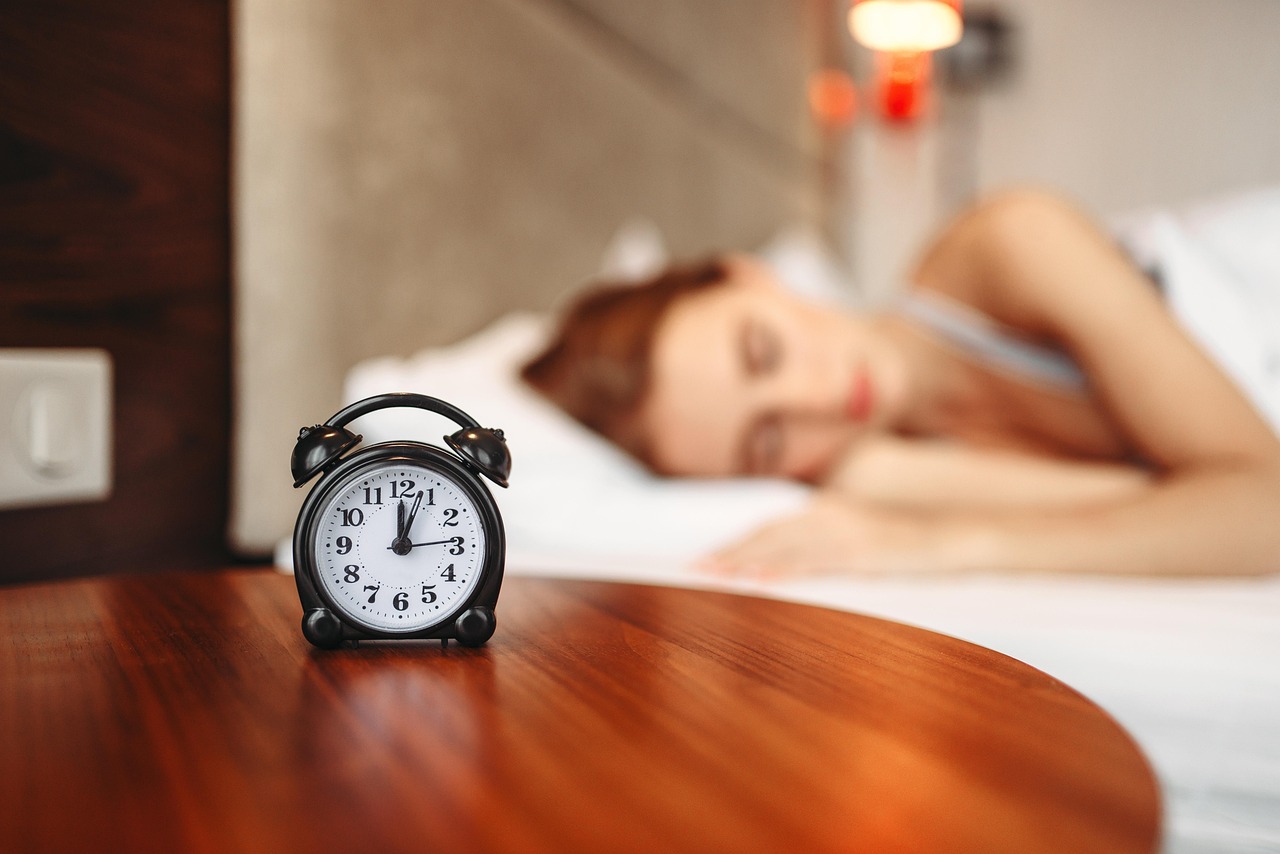
Sleep isn’t just about closing your eyes at night. The science of strategic napping has revolutionized how high performers optimize their energy, productivity, and cognitive function throughout the day.

Your body operates on a sophisticated internal clock that influences everything from hormone production to mental alertness. Understanding this biological rhythm and aligning your rest periods accordingly can transform your daily performance, making the difference between dragging through afternoons and maintaining peak energy levels from morning until evening.
🧬 Understanding Your Circadian Rhythm: The Foundation of Perfect Napping
Your circadian rhythm is your body’s internal 24-hour clock, regulated primarily by the suprachiasmatic nucleus in your brain’s hypothalamus. This biological timekeeper responds to environmental cues, particularly light and darkness, orchestrating when you feel alert and when drowsiness sets in.
The natural dip in alertness most people experience between 1 PM and 3 PM isn’t laziness—it’s biology. Your core body temperature drops slightly during this window, triggering the release of sleep-promoting hormones regardless of how much sleep you got the previous night. This post-lunch dip represents an ideal opportunity for strategic napping.
Melatonin, your primary sleep hormone, typically begins rising in the evening hours as darkness falls. However, adenosine—a neurotransmitter that accumulates during waking hours—builds pressure for sleep throughout the day. A well-timed nap can reduce this adenosine buildup without disrupting your nighttime sleep architecture.
The Two-Process Model of Sleep Regulation
Sleep scientists identify two primary processes governing your sleep-wake cycle. Process S represents sleep pressure that accumulates the longer you stay awake. Process C refers to your circadian rhythm, the biological clock running independently of how long you’ve been awake.
Strategic napping works by temporarily reducing Process S pressure during the natural low point of Process C. This synchronization creates restorative rest without the grogginess or nighttime sleep disruption that poorly timed naps cause.
⏰ The Science Behind Different Nap Durations
Not all naps are created equal. The duration of your rest period determines which sleep stages you’ll enter and what benefits you’ll experience. Understanding these differences allows you to customize your napping strategy based on your specific needs.
The 10-20 Minute Power Nap
This ultra-short nap keeps you in the lightest stages of non-REM sleep (Stage 1 and early Stage 2). You’ll wake before entering deeper sleep phases, which means no sleep inertia—that groggy, disoriented feeling that accompanies waking from deep sleep.
Benefits include immediate improvements in alertness, concentration, mood, and motor performance. Research from NASA showed that 26-minute naps improved pilot performance by 34% and alertness by 54%. Even shorter 10-minute naps have demonstrated significant cognitive benefits lasting up to three hours.
The 30-Minute Nap (Proceed with Caution)
This duration represents a risky middle ground. You’ll likely enter Stage 3 sleep—deep, slow-wave sleep—but won’t complete the full cycle. Waking from this stage typically produces significant sleep inertia, leaving you feeling worse than before your nap.
Most sleep experts recommend avoiding this duration unless you have time to work through the grogginess period of 15-30 minutes after waking.
The 60-Minute Knowledge Consolidation Nap
Extending your nap to a full hour allows you to benefit from slow-wave sleep, which plays a crucial role in memory consolidation, particularly for facts, faces, and names. This duration helps cement declarative memory—the recall of specific information.
The trade-off is moderate sleep inertia upon waking. Plan for a 20-30 minute recovery period before expecting peak performance. This makes 60-minute naps ideal for weekends or situations where you don’t need immediate alertness.
The 90-Minute Full-Cycle Nap
A complete sleep cycle lasting approximately 90 minutes takes you through all sleep stages, including REM sleep. This comprehensive rest period enhances creativity, procedural memory, and emotional processing while minimizing sleep inertia since you’re waking at the cycle’s natural conclusion.
Full-cycle naps essentially provide the benefits of nighttime sleep in concentrated form. However, they require significant time investment and, if taken too late in the day, can interfere with nighttime sleep.
🎯 Optimal Timing: When Your Body Craves Rest
Timing matters as much as duration when it comes to napping effectiveness. Your circadian rhythm creates natural windows where rest provides maximum benefit with minimal disruption to nighttime sleep.
The Golden Window: 1 PM to 3 PM
For most people following conventional schedules, early afternoon represents the ideal napping window. Your circadian rhythm creates a natural dip in alertness during these hours, typically peaking around 2 PM to 2:30 PM.
Napping during this window works with your biology rather than against it. You’ll fall asleep more easily, achieve more restorative rest, and experience minimal interference with nighttime sleep. Studies consistently show that naps taken between 1 PM and 3 PM improve afternoon and evening alertness without delaying sleep onset at bedtime.
The Danger Zone: After 4 PM
Late afternoon and evening naps can significantly disrupt your nighttime sleep architecture. Even a brief 20-minute nap after 4 PM can reduce your sleep pressure enough to delay sleep onset by an hour or more at bedtime.
If you’re a night shift worker or have an unconventional schedule, adjust these timing recommendations based on your personal circadian phase. The key principle remains: nap during your natural alertness dip, typically occurring 6-8 hours after your usual wake time.
☕ The Coffee Nap: Combining Caffeine with Strategic Rest
One of the most effective but counterintuitive napping strategies involves consuming caffeine immediately before a short nap. This “coffee nap” or “caffeine nap” leverages the pharmacokinetics of caffeine to enhance post-nap alertness dramatically.
Caffeine requires approximately 20 minutes to pass through your gastrointestinal tract, enter your bloodstream, and cross the blood-brain barrier. By consuming coffee or tea immediately before a 15-20 minute nap, you wake just as the caffeine begins blocking adenosine receptors in your brain.
The nap itself reduces adenosine levels, while the caffeine prevents remaining adenosine from binding to receptors. This dual mechanism produces synergistic effects that exceed either intervention alone. Research demonstrates that coffee naps improve driving performance, memory consolidation, and cognitive function more effectively than coffee or napping separately.
🛏️ Creating the Perfect Napping Environment
Your environment significantly influences nap quality and the ease of falling asleep quickly. Optimizing these factors transforms your napping experience from hit-or-miss to consistently restorative.
Light Management
Darkness signals your brain to initiate sleep processes, even during daytime naps. Use blackout curtains, an eye mask, or find naturally dark spaces. Even brief light exposure can suppress melatonin production and reduce sleep quality.
If complete darkness isn’t possible, prioritize blocking blue light wavelengths, which most strongly suppress melatonin. Amber-tinted eye masks can help filter problematic wavelengths while allowing some light through.
Temperature Optimization
Your core body temperature naturally drops during sleep onset. Supporting this process by napping in a slightly cool environment (65-68°F or 18-20°C) facilitates faster sleep initiation and better sleep quality.
If temperature control isn’t possible, cooling your extremities—particularly your feet and hands—helps redirect blood flow and promotes the core temperature drop necessary for sleep.
Sound Management
Inconsistent or unexpected sounds disrupt sleep more than constant background noise. White noise machines or apps can mask disruptive sounds while providing consistent auditory input that your brain learns to ignore.
Earplugs work effectively for many people, though some find them uncomfortable. Experiment with different materials and styles to find options that seal effectively without causing pressure or discomfort.
Position and Comfort
For short power naps (10-20 minutes), remaining semi-upright in a reclining chair can prevent you from falling into deeper sleep stages. This position makes it easier to wake refreshed without grogginess.
For longer naps (60-90 minutes), lying flat in bed allows your body to fully relax and progress through deeper sleep stages. Use familiar sleep positions and comfortable bedding to replicate nighttime sleep conditions as closely as possible.
📱 Technology Tools for Nap Optimization
Modern technology offers sophisticated tools for tracking your circadian rhythm, timing naps perfectly, and ensuring you wake at optimal moments in your sleep cycle.
Sleep tracking apps use your smartphone’s accelerometer to monitor movement patterns, estimating your sleep stages throughout a nap. While not as accurate as medical-grade polysomnography, these apps provide useful insights into your personal sleep patterns and can wake you during lighter sleep stages to minimize grogginess.
Smart alarm features analyze your movement patterns during the final minutes before your target wake time, triggering your alarm during a light sleep phase within a specified window. This approach significantly reduces sleep inertia compared to standard alarms that wake you regardless of sleep stage.
💼 Workplace Napping: Changing Corporate Culture
Progressive companies increasingly recognize that strategic napping improves employee performance, creativity, and overall wellbeing. Organizations from Google to NASA have implemented napping facilities and policies supporting strategic rest.
If your workplace doesn’t explicitly support napping, several strategies can help you incorporate rest into your workday discreetly. Car naps during lunch breaks provide privacy and darkness. Empty conference rooms, if available, offer quiet spaces during off-peak hours. Some employees find success with desk naps using specialized pillows designed to support comfortable head positioning.
When advocating for workplace napping policies, emphasize the business case: improved afternoon productivity, reduced errors, enhanced creativity, and better employee health outcomes. Frame napping as a performance optimization tool rather than a concession to laziness.
🚫 Common Napping Mistakes That Sabotage Results
Even well-intentioned nappers often make critical errors that undermine the benefits of strategic rest. Avoiding these pitfalls ensures your naps deliver consistent results.
Napping Too Long Unintentionally
Setting multiple alarms creates a safety net against oversleeping. Place your alarm device across the room, forcing you to physically get up to silence it. This movement helps initiate the waking process and reduces the temptation to “just five more minutes” yourself into deep sleep.
Napping with Guilt or Anxiety
Psychological resistance to napping—viewing it as laziness or wasted time—creates stress that interferes with sleep onset and quality. Reframe napping as productive recovery time that enhances your subsequent performance.
Research consistently shows that strategic nappers accomplish more overall work with higher quality than those who push through afternoon fatigue. The 20 minutes you invest in a power nap can improve your efficiency for the next three hours.
Inconsistent Napping Schedules
Your body thrives on consistency. Napping at roughly the same time daily helps entrain your circadian rhythm, making it easier to fall asleep quickly and wake refreshed. Random, sporadic napping provides fewer benefits and may disrupt your sleep-wake cycle.
Using Naps as Band-Aids for Sleep Deprivation
Strategic napping complements adequate nighttime sleep—it doesn’t replace it. Chronic sleep deprivation requires addressing your nighttime sleep habits, schedule, and potential sleep disorders. Relying on naps to compensate for consistently inadequate nighttime sleep eventually fails and may mask serious health issues.
🌍 Cultural Perspectives on Napping
Societies worldwide have developed diverse napping traditions, offering insights into sustainable rest practices. The Spanish siesta, despite misconceptions, traditionally occurred during the hottest part of the day when outdoor work became dangerous rather than representing laziness.
Japanese inemuri—the practice of being present while sleeping—reflects cultural acceptance of rest in public spaces, including workplaces and public transportation. This practice acknowledges that brief rest periods enhance overall productivity and wellbeing.
Mediterranean cultures often structure their entire daily schedules around afternoon rest periods, with businesses closing during peak heat hours. These cultural practices align remarkably well with circadian science, suggesting that traditional wisdom often anticipates scientific understanding.
🔬 The Health Benefits Beyond Alertness
Strategic napping provides benefits extending far beyond simple alertness improvements. Regular nappers experience measurable health advantages across multiple physiological systems.
Cardiovascular health improves with regular napping. A large Greek study found that regular nappers had 37% lower coronary mortality than non-nappers. Short naps reduce blood pressure temporarily, and regular napping may contribute to long-term blood pressure regulation.
Immune function receives a boost from strategic napping. Studies show that even brief naps help restore immune system markers depleted by sleep deprivation. This effect may explain why nappers report fewer respiratory infections and faster recovery from illness.
Emotional regulation and stress management improve significantly with regular napping. The amygdala—your brain’s emotional processing center—becomes hyperreactive when sleep-deprived. Short naps help restore emotional balance, reducing anxiety and improving mood stability.
🎓 Personalizing Your Napping Protocol
While general principles guide effective napping, individual variations in chronotype, age, health status, and lifestyle require personalized approaches.
Chronotypes—whether you’re naturally a morning lark or night owl—influence your optimal napping window. Morning types may find their alertness dip occurs earlier (12:30-2:00 PM), while evening types experience it later (2:00-3:30 PM). Track your natural energy fluctuations for several weeks to identify your personal patterns.
Age affects napping needs and responses. Children and teenagers require more total sleep and benefit from longer, more frequent naps. Older adults often experience fragmented nighttime sleep and may benefit from strategic afternoon naps to compensate. However, older individuals should be particularly cautious about nap timing, as evening naps can worsen nighttime sleep fragmentation.
Experiment systematically with different durations and timing windows, keeping a napping journal to track how you feel immediately after waking, one hour later, and at bedtime. This data helps you identify your optimal napping protocol based on results rather than assumptions.

✨ Integrating Napping into Your Long-Term Sleep Strategy
Strategic napping represents one component of comprehensive sleep hygiene. Maximum benefits emerge when napping complements rather than compensates for nighttime sleep optimization.
Prioritize nighttime sleep quality first: maintain consistent sleep-wake schedules, optimize your bedroom environment, limit evening blue light exposure, and address any underlying sleep disorders. Once your nighttime sleep foundation is solid, strategic napping enhances your daily performance ceiling.
View napping as performance optimization for demanding days rather than a daily necessity. On days requiring extended alertness, challenging cognitive work, or when unexpected disruptions reduce nighttime sleep, strategic naps provide valuable support. On typical days with adequate nighttime rest, you may not need to nap at all.
This flexible approach prevents dependency while ensuring you have an effective tool available when circumstances demand peak performance beyond what your nighttime sleep alone can support. The goal isn’t to nap every day but to nap strategically when it provides maximum benefit with minimal interference to your overall sleep-wake pattern.
Mastering the art of strategic napping transforms how you move through your days. By aligning brief rest periods with your circadian rhythm, choosing appropriate durations for your goals, and optimizing your environment, you unlock a powerful tool for sustained energy, enhanced cognition, and improved wellbeing. The difference between dragging through afternoons and maintaining peak performance often comes down to 20 strategic minutes of perfectly timed rest.