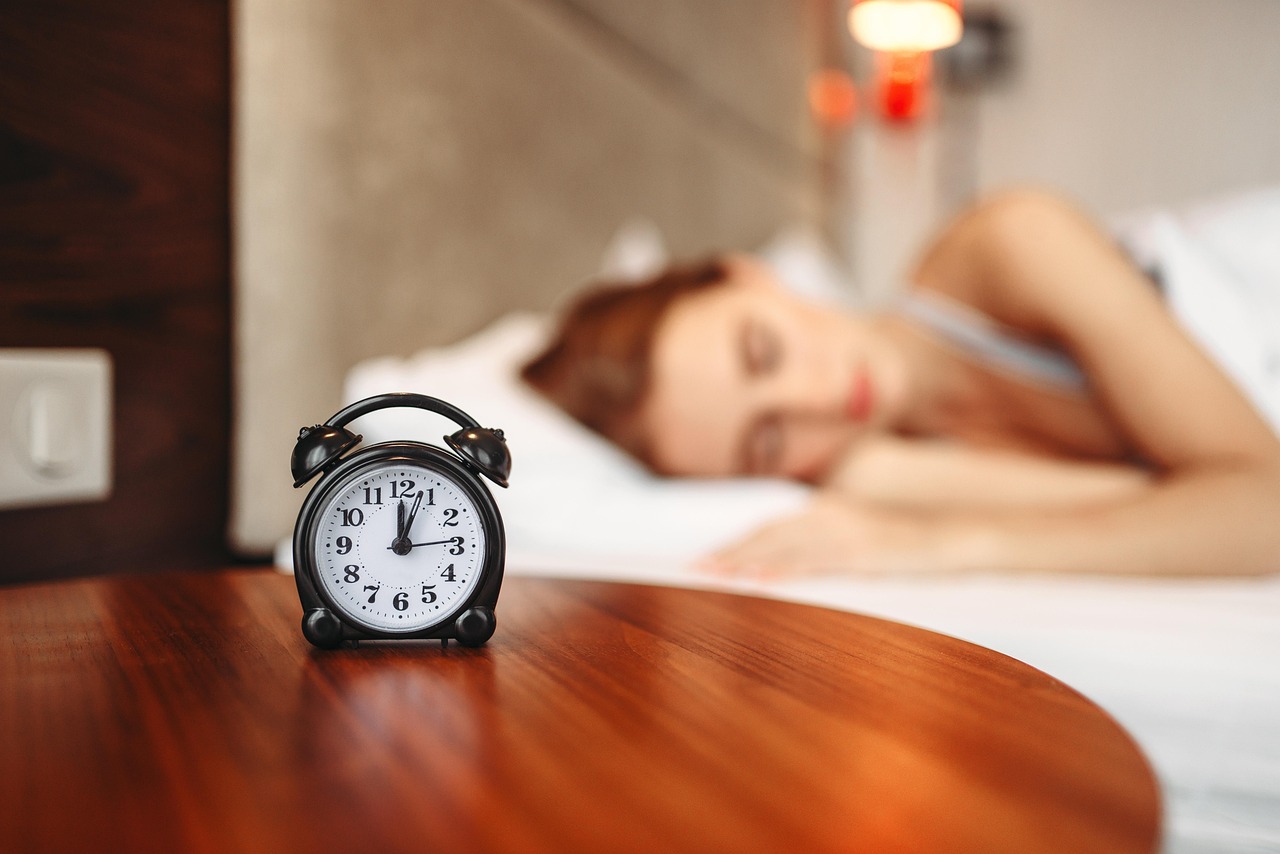
The secret to acing exams might not be studying harder, but studying smarter—by aligning your study schedule with your body’s natural rhythms. Understanding how circadian biology affects cognitive performance can transform your academic results.

Every student faces the challenge of retaining vast amounts of information during exam periods. While traditional study methods focus on time management and memorization techniques, few students realize that their biological clock plays a crucial role in determining when their brain performs at peak capacity. The science of circadian rhythms offers powerful insights into optimizing mental performance, memory consolidation, and cognitive endurance during those critical weeks of testing.
🧠 Understanding Your Brain’s Natural Clock
Your circadian rhythm is an internal 24-hour cycle that regulates numerous physiological processes, including alertness, hormone production, body temperature, and cognitive function. This biological timekeeper doesn’t just control when you feel sleepy—it dramatically influences your ability to focus, retain information, and solve complex problems.
Research shows that cognitive performance fluctuates significantly throughout the day. Most people experience peak alertness and analytical thinking abilities during late morning hours, typically between 10 AM and noon. Meanwhile, creative thinking often peaks during non-optimal times when the brain is slightly less alert, allowing for more diffuse thinking patterns that can lead to innovative problem-solving.
During exam preparation, recognizing these natural peaks and valleys in mental performance allows students to schedule demanding tasks during their biological prime time. Mathematical problems, detailed memorization, and complex analysis should ideally occur when your cortisol levels naturally rise and your prefrontal cortex operates at maximum efficiency.
⏰ Strategic Timing for Different Study Activities
Not all study tasks require the same type of cognitive effort, and your circadian rhythm affects different mental functions in distinct ways throughout the day. Understanding this relationship enables you to create a study schedule that works with your biology rather than against it.
Morning Hours: Analytical Thinking and New Material
The hours following a full night’s sleep offer optimal conditions for absorbing new, complex information. Your brain has completed essential memory consolidation processes during sleep, clearing out metabolic waste products and strengthening neural connections formed the previous day. This fresh mental state makes morning ideal for tackling challenging subjects that require sustained concentration and logical reasoning.
Students should prioritize subjects like mathematics, physics, chemistry, or any material requiring sequential thinking during these hours. The prefrontal cortex, responsible for executive functions and analytical thinking, operates most efficiently when you’re well-rested and cortisol levels naturally peak shortly after waking.
Afternoon Slump: Strategic Review and Active Learning
Most people experience a natural dip in alertness during early to mid-afternoon, typically between 2 PM and 4 PM. This circadian low point coincides with a slight drop in core body temperature and is often exacerbated by post-lunch digestion. Rather than fighting this biological reality with excessive caffeine, smart students adapt their study strategies.
This period works well for active learning techniques that involve movement and social interaction. Group study sessions, teaching concepts to peers, creating flashcards, or watching educational videos can maintain engagement when pure concentration becomes challenging. The key is choosing activities that don’t demand the highest level of focused attention.
Evening Energy: Consolidation and Creative Thinking
As the day progresses into early evening, many students experience a second wave of alertness. This period, roughly between 5 PM and 9 PM, can be highly productive for review and practice problems. Your brain has processed information throughout the day, and revisiting material during this time strengthens memory consolidation.
Interestingly, slightly reduced alertness later in the evening may actually enhance creative problem-solving. When your inhibitory control weakens slightly, your brain makes more unusual connections, which can lead to insights on challenging problems that seemed insurmountable during your peak analytical hours.
💤 Sleep: The Ultimate Study Tool
Perhaps the most underutilized circadian tool for exam success is strategic sleep management. Many students sacrifice sleep to cram more study hours, but this approach fundamentally misunderstands how memory formation works. Sleep isn’t downtime—it’s when your brain actively processes, consolidates, and integrates information learned while awake.
During sleep, your brain replays neural patterns activated during learning, transferring information from temporary storage in the hippocampus to long-term storage in the cortex. This process, called memory consolidation, is essential for transforming studied material into knowledge you can retrieve during exams.
The Strategic Power Nap
Short naps of 20-30 minutes during the afternoon can significantly boost alertness, working memory, and learning capacity without causing sleep inertia. These brief sleep periods allow your brain to clear adenosine buildup—the neurochemical that creates feelings of mental fatigue—effectively resetting your cognitive performance for several more hours of effective studying.
However, timing matters critically. Naps taken too late in the afternoon can interfere with nighttime sleep. The ideal window for a power nap is typically between 1 PM and 3 PM, during the natural circadian dip in alertness.
Protecting Your Main Sleep Period
Consistency in sleep timing is crucial during exam periods. Going to bed and waking at roughly the same times each day reinforces your circadian rhythm, making both sleep onset and morning alertness more predictable. Irregular sleep schedules create a form of social jet lag that impairs cognitive function just when you need it most.
Aim for 7-9 hours of sleep per night, and protect the hour before bedtime from activities that interfere with sleep onset. Blue light from screens suppresses melatonin production, so dimming devices or using blue light filters becomes essential. The bedroom should be cool, dark, and quiet—conditions that signal to your circadian system that it’s time for rest.
🌅 Light Exposure as a Circadian Synchronizer
Light is the most powerful external factor influencing your circadian rhythm. Your brain contains specialized cells in the retina that detect light levels and communicate directly with the suprachiasmatic nucleus, your body’s master circadian clock. Strategic light exposure can optimize your daily rhythm for peak study performance.
Morning exposure to bright light, especially sunlight, provides the strongest signal to reset your circadian clock. This exposure suppresses residual melatonin, increases cortisol, and boosts serotonin production—all changes that enhance alertness and mood. Even 15-30 minutes of outdoor light exposure shortly after waking can dramatically improve daytime alertness and concentration.
Conversely, reducing light exposure in the evening helps maintain natural melatonin production, facilitating earlier sleep onset and better sleep quality. Students should dim indoor lighting after sunset and minimize screen time before bed. When screen use is unavoidable, blue light filtering apps and night mode settings reduce the circadian-disrupting impact of device usage.
⚡ Caffeine: Timing Matters More Than Quantity
Caffeine is the world’s most widely used cognitive enhancer, and most students rely on it heavily during exam periods. However, poorly timed caffeine consumption can sabotage both sleep quality and optimal alertness patterns. Understanding caffeine’s interaction with your circadian system enables more strategic use.
Caffeine works by blocking adenosine receptors in the brain. Adenosine accumulates during waking hours, creating increasing sleep pressure. When caffeine blocks these receptors, you feel less tired—but the adenosine continues accumulating behind the scenes. This explains why caffeine crashes occur when the drug wears off.
The optimal strategy involves timing caffeine intake to coincide with natural dips in alertness rather than consuming it immediately upon waking when cortisol is already naturally elevated. Waiting 60-90 minutes after waking before your first coffee allows your natural cortisol awakening response to fully engage, then caffeine provides a boost as that natural surge begins to decline.
Equally important is establishing a caffeine cutoff time. With a half-life of 5-6 hours, caffeine consumed at 4 PM still has 50% remaining in your system at 10 PM, potentially disrupting sleep onset and sleep architecture. Most experts recommend avoiding caffeine after 2 PM during periods when sleep quality is crucial.
📱 Digital Tools for Circadian Optimization
Modern technology offers numerous apps designed to help students align their study schedules with circadian principles. These digital tools track sleep patterns, manage light exposure, and optimize study timing based on individual chronotypes.
Sleep Tracking and Analysis
Sleep tracking applications use your phone’s sensors or wearable devices to monitor sleep duration, quality, and timing. These apps provide valuable data about your personal sleep patterns, helping you identify habits that support or undermine restorative sleep. Understanding your actual sleep patterns—not just how long you think you slept—enables evidence-based improvements.
Smart Light Management
Blue light filtering applications adjust your screen’s color temperature based on the time of day, reducing circadian-disrupting blue wavelengths during evening hours while maintaining normal display during daytime. This simple intervention helps preserve natural melatonin production when you must use devices after sunset.
Some apps go further, providing timed reminders to get morning light exposure and prompting you to dim lights in the evening. These behavioral nudges help establish consistent circadian-supporting habits during the chaotic exam period when your normal routines might otherwise break down.
Focus and Study Timer Applications
Apps based on the Pomodoro Technique or similar interval training methods help students maintain focus during high-concentration study periods while building in strategic breaks. These tools become even more effective when scheduled during your natural high-alertness windows, as they work with rather than against your circadian-driven attention capacity.
🍽️ Meal Timing and Cognitive Performance
Your eating schedule significantly influences circadian rhythms through mechanisms independent of light exposure. Food intake triggers metabolic processes that provide timing cues to peripheral clocks throughout your body, affecting everything from liver function to cellular energy production in your brain.
Eating large meals shortly before intensive study sessions diverts blood flow and metabolic resources toward digestion, reducing cognitive capacity. Heavy lunches contribute to the afternoon slump by exaggerating the natural circadian dip in alertness. Strategic meal planning involves eating lighter during periods when peak cognitive performance is needed and saving larger meals for times when mental demands are lower.
Maintaining consistent meal times also helps regulate your circadian rhythm. Your body anticipates regular feeding times and adjusts metabolic processes accordingly. Erratic eating schedules during exam periods can create internal desynchronization that impairs both sleep quality and daytime alertness.
🏃 Exercise as a Circadian Reset Tool
Physical activity powerfully influences circadian rhythms, with effects varying based on exercise timing. Morning exercise reinforces your circadian rhythm and enhances daytime alertness, while intense evening exercise can delay your circadian clock, potentially interfering with sleep if performed too close to bedtime.
For students, moderate morning or early afternoon exercise provides multiple benefits: enhanced blood flow to the brain, improved mood through endorphin release, better stress management, and strengthened circadian amplitude. Even a 20-30 minute walk or brief workout can significantly improve subsequent study performance.
Exercise also increases sleep pressure through mechanisms independent of adenosine accumulation, helping ensure deeper, more restorative sleep. Students who incorporate regular physical activity into their exam preparation schedules consistently report better concentration, improved memory retention, and reduced anxiety compared to sedentary peers.
🎯 Creating Your Personalized Circadian Study Schedule
While general principles about circadian rhythms apply broadly, individual variations in chronotype—whether you’re naturally a morning lark or night owl—require personalization. Your optimal study schedule should reflect your biological tendencies while incorporating evidence-based circadian principles.
Start by tracking your natural alertness patterns over several days. Note when you feel most mentally sharp, when concentration becomes difficult, and when creative insights tend to occur. This personal data reveals your unique circadian rhythm, allowing you to schedule demanding study tasks during your biological prime time.
Build your schedule around three core pillars: consistent sleep timing, strategic light exposure, and alignment of study intensity with natural alertness patterns. Protect your sleep schedule as rigorously as you’d protect an important exam appointment—it’s that crucial for cognitive performance.
🌟 Implementing Changes During Active Exam Periods
The ideal time to optimize your circadian rhythm would be weeks before exams begin, allowing gradual adjustments to sleep schedules and study routines. However, students often realize the importance of these factors when already in the midst of exam stress. Even then, strategic interventions can yield meaningful improvements in cognitive performance.
Focus first on the highest-impact changes: establishing consistent wake times, getting morning light exposure, and protecting sleep by implementing an earlier caffeine cutoff and reducing evening screen time. These interventions require minimal time investment but produce disproportionate benefits for alertness and mental clarity.
Avoid dramatic schedule shifts during exam weeks. Your circadian system adjusts gradually, at a rate of approximately one hour per day. Attempting sudden changes—like shifting your sleep schedule by several hours—creates internal desynchronization that temporarily worsens cognitive performance. Instead, make small adjustments of 15-30 minutes every few days if schedule changes are necessary.
🔬 The Science Behind Memory and Circadian Timing
Recent neuroscience research has revealed intricate connections between circadian rhythms and memory formation. Different types of memory—declarative facts versus procedural skills—consolidate preferentially during different sleep stages, which themselves occur in circadian-regulated patterns throughout the night.
The hippocampus, crucial for forming new memories, shows time-of-day variations in neuroplasticity. Studies demonstrate that learning and memory encoding are more efficient during circadian high points, while memory consolidation occurs predominantly during sleep. This understanding supports the strategy of studying new material during peak alertness hours and then sleeping to consolidate that information.
Additionally, the timing of review sessions influences long-term retention. Reviewing material after a sleep period, when memory consolidation has occurred, strengthens recall more effectively than immediate review. This spacing effect, combined with circadian optimization, creates powerful synergies for exam preparation.

💪 Building Sustainable Study Habits Beyond Exam Season
While this article focuses on exam periods, the principles of circadian optimization provide benefits far beyond test performance. Students who align their daily routines with their biological rhythms report improved overall well-being, reduced stress, better mood regulation, and enhanced long-term academic performance.
The habits developed during intensive exam preparation—consistent sleep schedules, strategic light exposure, aligned study timing—become foundations for sustainable academic excellence. Rather than viewing circadian optimization as an emergency tactic deployed only during exams, consider it a fundamental component of effective learning throughout your educational journey.
Your brain is your most valuable asset as a student. Understanding and working with its natural rhythms, rather than fighting against them, unlocks cognitive potential that remains dormant when you rely solely on willpower and extended study hours. The science of circadian biology offers evidence-based tools to study smarter, learn more efficiently, and perform better when it matters most—all while maintaining the health and well-being essential for long-term success.