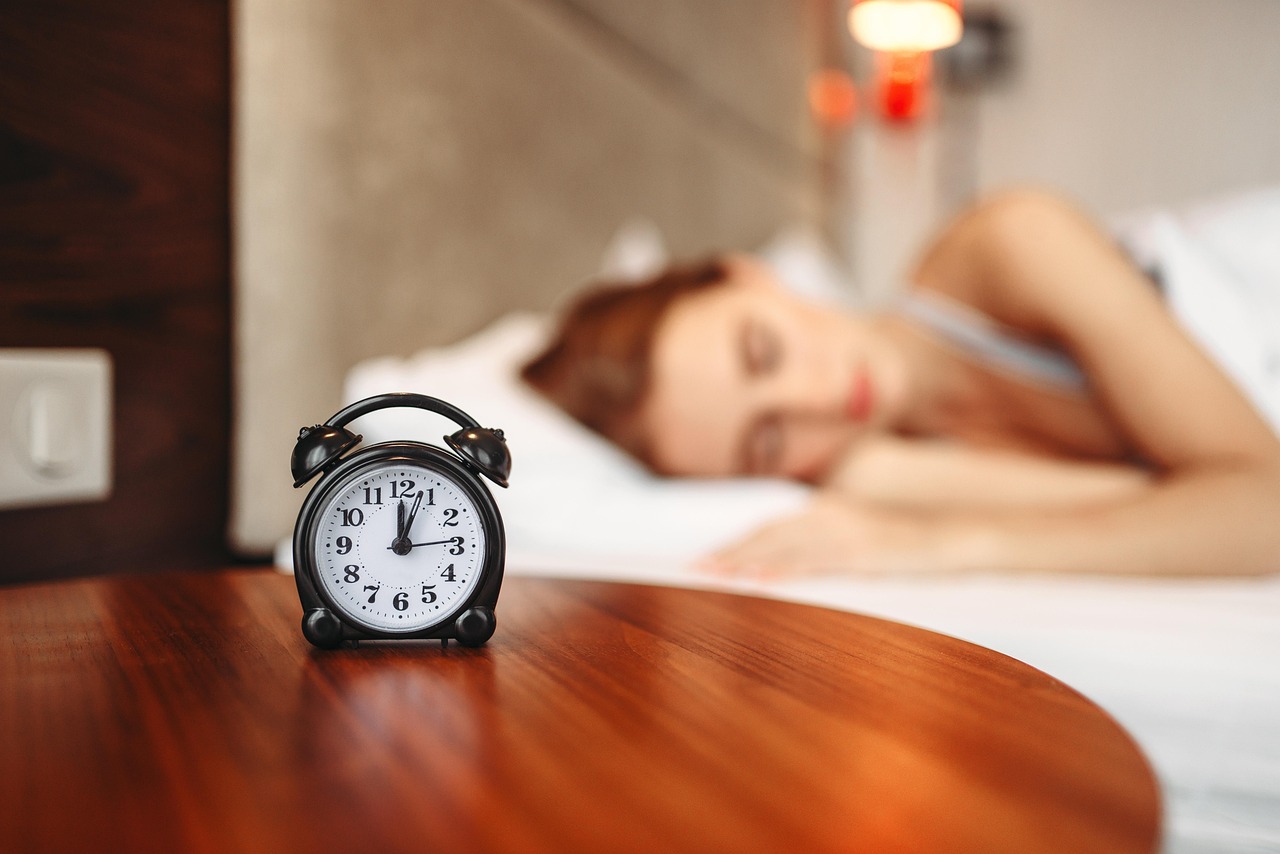
Balancing a vibrant social life with healthy sleep habits feels like walking a tightrope. Yet mastering this balance is entirely possible with intentional strategies and consistent habits.

Modern life presents a unique challenge: we’re more connected than ever, with social obligations spanning late-night dinners, early morning meetings, weekend gatherings, and virtual hangouts across time zones. Meanwhile, sleep science continues to reveal how crucial consistent sleep patterns are for mental health, physical wellbeing, and cognitive performance. The tension between maintaining meaningful relationships and protecting your circadian rhythm doesn’t have to be a zero-sum game.
Understanding Your Natural Sleep Architecture 🌙
Before you can master the art of balancing social commitments with quality sleep, you need to understand how your body’s internal clock actually works. Your circadian rhythm is a 24-hour biological cycle that regulates sleep-wake patterns, hormone production, body temperature, and metabolism.
This internal timekeeper responds primarily to light exposure, but it’s also influenced by social cues, eating patterns, and physical activity. When you consistently disrupt this rhythm with irregular sleep schedules, your body pays the price through decreased immune function, mood disturbances, reduced cognitive performance, and increased risk of chronic diseases.
Most adults need between seven to nine hours of quality sleep per night. However, the timing of this sleep matters almost as much as the quantity. Your body produces melatonin (the sleep hormone) naturally as darkness falls, typically beginning around 9 PM and peaking between 2-4 AM. When social obligations regularly push your bedtime past midnight, you’re swimming against powerful biological currents.
Identifying Your Chronotype
Not everyone operates on the same internal schedule. Your chronotype determines whether you’re naturally a morning person, night owl, or somewhere in between. Understanding your chronotype helps you make smarter decisions about which social invitations to accept and when to schedule important activities.
Early birds (larks) feel most alert and energetic in the morning hours, naturally waking without alarms and experiencing an energy dip by evening. Night owls naturally stay alert later into the night and struggle with early morning commitments. Most people fall somewhere in the middle as “hummingbirds” with moderate flexibility.
The Social Jetlag Phenomenon
Social jetlag describes the misalignment between your biological clock and your social schedule. It occurs when you maintain one sleep schedule during weekdays and a dramatically different one on weekends. The symptoms mirror actual jetlag: fatigue, difficulty concentrating, irritability, and decreased performance.
Research shows that even one hour of social jetlag can negatively impact your health and wellbeing. When you stay out until 2 AM on Saturday but normally sleep at 10 PM on weeknights, your body experiences the biological equivalent of traveling across multiple time zones.
The solution isn’t eliminating social activities—it’s being strategic about them. By maintaining a relatively consistent sleep schedule even on weekends (within a one to two-hour window), you can dramatically reduce social jetlag while still enjoying your social life.
Strategic Social Planning for Sleep Protection 🎯
Protecting your sleep doesn’t mean becoming a hermit. It means being intentional about which social commitments you accept, when you schedule them, and how you recover from occasional late nights.
Prioritize Quality Over Quantity
Not all social obligations carry equal value. A dinner with close friends who energize you differs significantly from a networking event that drains your social battery. Evaluate invitations through this lens: Does this activity align with my values? Will it genuinely enhance my wellbeing and relationships?
Learn to decline invitations that don’t meet your criteria without guilt. A simple “I appreciate the invitation, but I’m protecting my evening routine this week” is honest and sufficient. People respect boundaries when you communicate them clearly.
Front-Load Your Social Calendar
Whenever possible, schedule social activities earlier in the day or evening. Lunch meetings, afternoon coffee dates, and early dinners allow for social connection while respecting your sleep schedule. A 6 PM dinner reservation leaves ample time for winding down before bed, unlike a 9 PM start time.
For events that must happen later, build in buffer time. If you know you’ll be out until 11 PM on Thursday, protect Wednesday and Friday evenings for earlier bedtimes. This creates a rhythm that allows for social flexibility without chronic sleep deprivation.
Building a Flexible-Yet-Consistent Sleep Routine
The key to balancing social life and sleep lies in developing a routine that’s consistent enough to support your circadian rhythm but flexible enough to accommodate real life. Rigid perfection isn’t the goal—sustainable consistency is.
Establish Your Core Sleep Window
Choose a target bedtime and wake time that you can maintain at least five nights per week. This becomes your baseline rhythm. For example, if you aim for 10:30 PM to 6:30 AM on weeknights, allow yourself flexibility to shift this window by 90 minutes maximum on weekends or special occasions.
Why 90 minutes? This corresponds to one complete sleep cycle. Your sleep occurs in cycles of approximately 90 minutes, moving through light sleep, deep sleep, and REM sleep. Respecting these natural cycles makes adjusting your schedule easier on your body.
Create a Wind-Down Ritual
A consistent pre-sleep routine signals your brain that it’s time to transition toward sleep. This routine should begin 60-90 minutes before your target bedtime and remain relatively consistent even when you’ve had a social evening.
Effective wind-down activities include:
- Dimming lights throughout your home to encourage melatonin production
- Setting a “digital sunset” by putting away screens 30-60 minutes before bed
- Taking a warm bath or shower, which triggers a temperature drop that promotes sleepiness
- Practicing gentle stretching, meditation, or reading
- Writing briefly in a journal to process the day’s events
- Preparing your bedroom environment (cool temperature, dark, quiet)
Even after a late social event, compress this routine rather than skipping it entirely. A 20-minute version is better than going straight from stimulation to bed.
Managing Alcohol and Late-Night Eating 🍷
Social gatherings often involve food and drinks, both of which significantly impact sleep quality when consumed close to bedtime. Understanding these effects helps you make informed choices that protect your sleep without avoiding social situations.
Alcohol is particularly tricky because while it may help you fall asleep faster, it severely disrupts sleep architecture. It suppresses REM sleep during the first half of the night and causes frequent awakenings during the second half. The result is fragmented, unrefrestorative sleep even if you spend adequate time in bed.
If you choose to drink socially, stop alcohol consumption at least three hours before your planned bedtime. Alternate alcoholic drinks with water to stay hydrated and slow consumption. Your body metabolizes approximately one standard drink per hour, so plan accordingly.
Large meals late at night force your digestive system to work when it should be resting, raising body temperature and potentially causing discomfort that disrupts sleep. When dining out later, consider eating your larger meal earlier in the day and choosing lighter options at evening social events.
Technology: Your Sleep Enemy or Ally? 📱
Digital devices play a dual role in the social life-sleep balance equation. They enable social connection but also disrupt sleep through blue light exposure, mental stimulation, and the endless scroll phenomenon.
Blue light from screens suppresses melatonin production more powerfully than any other light wavelength. Evening screen time shifts your circadian rhythm later, making it harder to fall asleep at your intended bedtime. When social plans involve screen time—whether video calls, group chats, or sharing photos—be mindful of timing and duration.
Smart Technology Strategies
Use technology intentionally rather than letting it use you. Enable blue light filters on all devices and activate them automatically after sunset. Set specific times for checking social media and group messages rather than responding immediately to every notification.
Sleep tracking apps can provide valuable insights into how different social activities impact your sleep quality. By reviewing patterns over time, you’ll identify which types of social engagements are most compatible with quality sleep and which require extra recovery time.
Smart alarm apps can also help by waking you during lighter sleep stages within a specified window, making mornings after social events less brutal. Rather than jarring you awake from deep sleep, these apps monitor your movement and wake you when you’re naturally closer to consciousness.
The Power of Strategic Napping
When you do stay out late for a special social occasion, strategic napping can help minimize the sleep debt without completely disrupting your schedule. However, napping is an art that requires precision to avoid making nighttime sleep more difficult.
The ideal recovery nap lasts 20-30 minutes and occurs in the early afternoon (between 1-3 PM). This duration allows you to reap the benefits of light sleep without entering deep sleep stages that cause grogginess upon waking. Set an alarm to prevent accidentally sleeping longer.
Avoid napping after 3 PM, as this can reduce your sleep drive (adenosine buildup) and make falling asleep at bedtime more challenging. If you’re extremely sleep-deprived after a late social event, a 90-minute nap allows you to complete one full sleep cycle, but this should be reserved for exceptional circumstances rather than becoming a regular pattern.
Communicating Your Boundaries Effectively 💬
One of the biggest challenges in balancing social life and sleep is handling the social pressure to stay out later or commit to more activities than your schedule allows. Effective boundary-setting requires clear communication and confidence in your priorities.
Be honest about your sleep priorities with friends and family. Most people respect health-focused boundaries when you frame them positively: “I’m prioritizing my sleep routine because I want to show up as my best self” sounds very different from “I can’t come because I need to sleep.”
Suggesting Alternatives
When declining late-night invitations, offer alternative ways to connect. “I can’t make the 9 PM movie, but I’d love to grab breakfast or do an afternoon hike this weekend” shows you value the relationship while maintaining your boundaries.
Host gatherings on your terms by planning earlier events. Brunch gatherings, afternoon game sessions, or early evening dinner parties allow you to be social while controlling the timing. Many people appreciate earlier social options but hesitate to suggest them first.
Recovery Protocols for Inevitable Late Nights
Despite your best planning, some occasions warrant staying up later—milestone celebrations, once-in-a-lifetime events, or simply spontaneous memorable moments with loved ones. Having a recovery protocol minimizes the impact of these occasional disruptions.
The morning after a late night, resist the temptation to sleep in for hours beyond your normal wake time. Limiting your sleep-in to one hour maximum helps maintain your circadian rhythm. Get bright light exposure immediately upon waking to signal your body that it’s daytime.
Throughout the recovery day, prioritize these practices:
- Stay hydrated to help your body process any alcohol and support overall functioning
- Expose yourself to natural sunlight, especially in the morning and early afternoon
- Engage in light physical activity like walking to boost energy naturally
- Avoid excessive caffeine, especially after 2 PM
- Eat regular, balanced meals to stabilize blood sugar and energy
- Return to your normal bedtime that evening, even if you don’t feel particularly tired
Avoid the temptation to “catch up” by sleeping excessively on subsequent nights, which can actually extend your circadian disruption. Instead, return to your consistent schedule as quickly as possible.
Seasonal and Life Stage Considerations 🌍
Your social life-sleep balance needs will shift based on seasonal changes and life stages. Summer evenings with extended daylight naturally encourage later social activities, while winter’s early darkness aligns better with earlier bedtimes.
Adjust your expectations seasonally rather than fighting against these natural patterns. During summer, you might maintain a slightly later schedule overall, while winter becomes your opportunity to prioritize earlier bedtimes and more restorative sleep.
Life stages also demand flexibility. Young parents might need to prioritize earlier social connections that fit around children’s schedules. Career transitions might temporarily require more networking events. Retirement might offer more flexibility to align social activities with natural energy patterns. Acknowledge these realities and adjust your approach accordingly.
Measuring Success Beyond Perfection
The goal isn’t perfect adherence to an ideal sleep schedule—it’s finding a sustainable rhythm that supports both your social wellbeing and physical health. Success means feeling energized most days, maintaining meaningful relationships, and rarely experiencing severe sleep deprivation.
Track your progress using qualitative measures: Do you wake feeling relatively refreshed most mornings? Can you maintain focus throughout the day without excessive caffeine? Do you feel socially connected and satisfied with your relationships? Are you avoiding illness and maintaining stable moods?
If you answer yes to most of these questions most of the time, your balance is working regardless of whether you follow textbook-perfect sleep hygiene every single night.
Creating Your Personalized Balance Blueprint ✨
Taking all these strategies together, create your own customized approach to balancing social life and sleep. Start by documenting your current patterns for one week without making changes—simply observe when you sleep, when you engage socially, and how you feel.
Identify your non-negotiables: what sleep-related factors make the biggest difference in how you feel? For some people, total sleep hours matter most. For others, consistency in timing is crucial. Still others find that the number of consecutive nights with adequate sleep determines their wellbeing.
Design your ideal week incorporating both adequate sleep and meaningful social connection. Be realistic about your actual obligations and genuine desires rather than creating an fantasy schedule. Then experiment with implementing this schedule for three weeks, adjusting as you gather data about what works.
Remember that this balance is dynamic, not static. Your perfect rhythm will evolve as your life circumstances change. Regular check-ins every few months help ensure your approach still serves you well.

The Synergy Between Social Connection and Sleep Quality
Interestingly, social connection and sleep quality aren’t just competing priorities—they actually support each other when properly balanced. Strong social relationships reduce stress and anxiety, both of which improve sleep quality. Meanwhile, adequate sleep enhances emotional regulation, empathy, and social skills, making your social interactions more rewarding.
When you feel rested, you show up as a better friend, partner, family member, and colleague. You have more patience, creativity, and energy to invest in relationships. Conversely, chronic sleep deprivation makes you irritable, withdrawn, and less enjoyable to be around.
Quality trumps quantity in both domains. An hour of meaningful conversation with a close friend provides more social fulfillment than three hours of obligation-driven small talk. Similarly, seven hours of deep, uninterrupted sleep beats nine hours of fragmented, poor-quality sleep.
By viewing social life and sleep as complementary aspects of wellbeing rather than competing priorities, you create a sustainable lifestyle that honors both needs. The strategies outlined here provide a framework for achieving this balance, but your implementation will be uniquely yours—shaped by your chronotype, values, life circumstances, and personal preferences. Start with small adjustments rather than dramatic overhauls, and be patient as you discover what rhythm works best for supporting both your relationships and your rest.