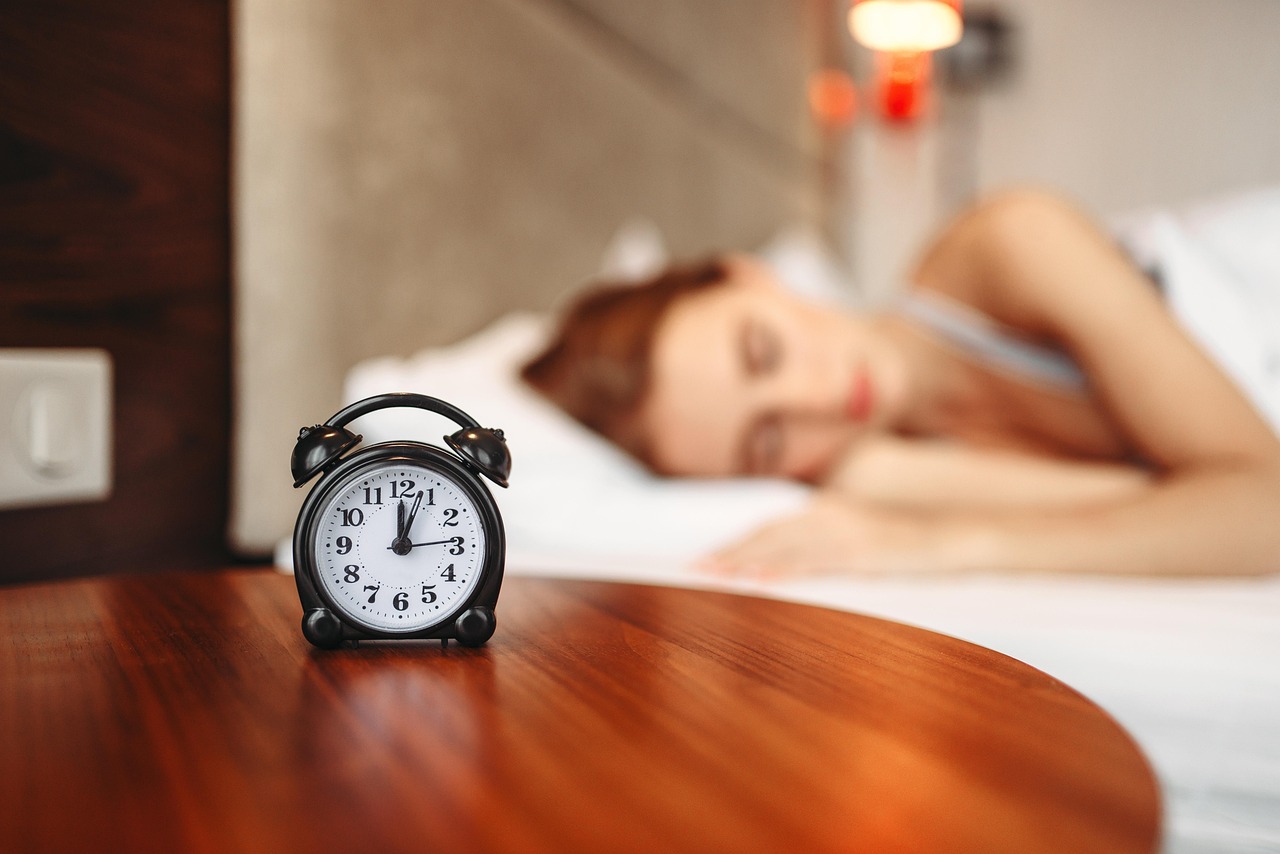
As the sun sets and evening approaches, the atmosphere around us shifts. The scents we choose to surround ourselves with during nighttime hours can profoundly influence our ability to focus on tasks or ease into relaxation mode.

Understanding how different aromas interact with our brain chemistry and circadian rhythms opens up fascinating possibilities for optimizing our evening routines. Whether you’re trying to finish work projects, unwind after a stressful day, or prepare for restorative sleep, the right fragrance can become your secret weapon for success.
🌙 The Science Behind Scent and Evening Brain Function
Our olfactory system has a direct connection to the limbic system, the part of our brain responsible for emotions, memories, and arousal states. When we inhale aromatic molecules during nighttime hours, they travel through the nasal cavity and bind to receptors that send signals immediately to the amygdala and hippocampus.
This neurological pathway explains why certain scents can instantly shift our mood or mental state. Unlike other sensory inputs that must be processed through the thalamus first, smell has privileged access to our emotional centers. This makes aromatherapy particularly powerful for evening focus and relaxation purposes.
Research published in neuroscience journals demonstrates that specific aromatic compounds can influence neurotransmitter production. Lavender, for instance, has been shown to increase GABA activity in the brain, producing calming effects. Meanwhile, compounds in peppermint oil can stimulate the hippocampus, enhancing alertness and concentration even during naturally drowsy evening hours.
Circadian Rhythms and Scent Sensitivity
Our sense of smell doesn’t remain constant throughout the day. Studies indicate that olfactory sensitivity fluctuates according to our circadian rhythms, with some research suggesting heightened scent perception during certain evening hours. This natural variation means that aromas you barely notice during the day might feel overwhelmingly strong after sunset.
Understanding this rhythm allows us to adjust fragrance intensity for optimal evening benefit. What works at 3 PM might be too stimulating at 9 PM, when your body naturally begins preparing for sleep.
Energizing Nighttime Scents for Evening Productivity
Many people need to maintain focus and productivity during evening hours, whether completing work deadlines, studying for exams, or pursuing creative projects. Certain aromas can help counteract the natural drowsiness that accompanies darkness while keeping you alert without the jittery effects of caffeine.
Citrus Fragrances: Nature’s Evening Pick-Me-Up 🍊
Lemon, orange, grapefruit, and bergamot scents offer bright, uplifting qualities that can combat mental fatigue. The limonene compounds in citrus oils have been shown to reduce stress hormones while simultaneously increasing serotonin and dopamine levels.
For evening focus sessions, consider diffusing sweet orange oil, which provides mental clarity without being overly stimulating. Grapefruit works exceptionally well for tasks requiring sustained attention, as its sharp, tangy aroma helps maintain alertness. Bergamot offers a unique balance—energizing enough to keep you focused yet containing linalool, which prevents anxiety from building as deadlines approach.
Peppermint and Rosemary: Cognitive Enhancement After Dark
Peppermint essential oil stands out as one of the most effective aromas for evening concentration. Research from Wheeling Jesuit University found that participants exposed to peppermint scent showed improved memory, increased alertness, and enhanced processing speed.
Rosemary contains compounds like 1,8-cineole that have been linked to improved cognitive performance. A study published in the International Journal of Neuroscience demonstrated that rosemary aroma could increase alertness and contentedness while decreasing drowsiness—ideal qualities for evening productivity.
These herbs work particularly well when you need to push through natural tiredness without disrupting your eventual ability to sleep. Unlike stimulants that might keep you wired for hours, these scents provide temporary alertness that dissipates relatively quickly once removed from your environment.
Strategic Application for Evening Work Sessions
Timing matters when using energizing scents during nighttime hours. Start your evening focus session by diffusing your chosen aroma for 15-20 minutes, then turn off the diffuser. This prevents olfactory fatigue, where your nose becomes desensitized to the scent, reducing its effectiveness.
If you need extended focus, use interval diffusion—20 minutes on, 30 minutes off. This pattern maintains scent effectiveness while preventing overstimulation that could interfere with your bedtime routine later.
Relaxation-Inducing Aromas for Evening Wind-Down
For most people, evening hours should facilitate the transition from active daytime mode to restful nighttime mode. Certain scents excel at triggering this shift, signaling to your brain and body that it’s time to release the day’s tension and prepare for restorative sleep.
Lavender: The Gold Standard for Evening Calm 💜
Lavender has earned its reputation as the quintessential relaxation scent through extensive scientific validation. Multiple studies confirm its ability to reduce anxiety, lower heart rate, and improve sleep quality. The linalool and linalyl acetate compounds in lavender oil interact with neurotransmitter systems to produce genuine physiological relaxation.
A study in the Journal of Alternative and Complementary Medicine found that participants who inhaled lavender oil before bed experienced deeper slow-wave sleep and reported feeling more energized the following morning. For evening relaxation, English lavender varieties typically offer the most therapeutic benefit, with their balanced, herbaceous floral profile.
Chamomile and Sandalwood: Deep Relaxation Allies
Roman chamomile essential oil contains esters that provide gentle sedative effects, making it perfect for evenings when anxiety or racing thoughts threaten peaceful relaxation. Unlike some heavier scents, chamomile’s light, apple-like aroma rarely feels overwhelming during nighttime use.
Sandalwood offers rich, woody notes that ground and center the mind. Its alpha-santalol compounds have been shown to reduce wakefulness and increase non-REM sleep. The scent’s warm, creamy character creates an instantly cozy atmosphere, perfect for evening reading, meditation, or gentle yoga practice.
Ylang-Ylang and Vetiver: Sophisticated Evening Tranquility
Ylang-ylang essential oil brings exotic floral sweetness that can slow rapid breathing and reduce blood pressure. Research indicates it may decrease cortisol levels while promoting feelings of calm and well-being. Its opulent aroma works beautifully in evening self-care rituals like baths or gentle stretching routines.
Vetiver, with its deep, earthy profile, provides grounding effects that many find profoundly calming. Often called “the oil of tranquility,” vetiver’s complex scent can quiet mental chatter and ease the transition from busy-minded productivity to peaceful stillness.
Scents That Can Sabotage Your Evening Intentions
Not all pleasant aromas support evening goals. Some fragrances, while enjoyable, can work against your attempts at either focus or relaxation, depending on their chemical composition and psychological associations.
Overly Stimulating Fragrances After Sunset
Strong jasmine, despite being a nighttime-blooming flower, can be too stimulating for some individuals during evening hours. Its intense, heady sweetness may provoke alertness rather than calm. Similarly, eucalyptus—excellent for morning invigoration—often proves too sharp and awakening for nighttime use unless you specifically need late-night focus.
Cinnamon and clove scents, while warming and comforting, contain compounds that can increase circulation and mental alertness. These work wonderfully for cozy autumn evenings when you’re socializing or working, but may hinder your wind-down routine if used too close to bedtime.
Synthetic Fragrances and Evening Wellness
Many commercial air fresheners, candles, and personal care products contain synthetic fragrances that may undermine evening relaxation goals. These artificial compounds can trigger headaches, respiratory irritation, or hormonal disruption in sensitive individuals.
Chemical fragrances in conventional cleaning products, if used during evening tidying routines, may inadvertently create subtle stress responses. The body recognizes these synthetic molecules as foreign substances, potentially activating mild inflammatory or stress responses that counteract relaxation efforts.
Opting for pure essential oils or naturally derived fragrances ensures you’re working with aromatic compounds that your body can process and respond to appropriately, supporting rather than hindering your evening intentions.
Creating Your Personalized Evening Scent Strategy 🎯
The most effective nighttime aromatherapy approach recognizes that individual responses vary. Your unique brain chemistry, past experiences, and personal associations with specific scents all influence how aromas affect your evening focus and relaxation.
Identifying Your Scent Personality
Begin by categorizing yourself based on your evening needs and sensitivities. Are you someone who struggles to wind down from an overstimulated day? Or do you battle mental fog when trying to complete evening tasks? Perhaps you’re sensitive to strong scents or have specific aroma memories that trigger particular emotional states.
Keep a simple scent journal for one week, noting which aromas you encounter during evening hours and how they affect your mood, energy, and sleep quality. This personal data becomes invaluable for crafting your ideal nighttime scent strategy.
Building Your Evening Aroma Toolkit
Stock your home with 3-4 essential oils that address your primary evening needs. A basic but powerful collection might include:
- One energizing scent (peppermint, rosemary, or citrus) for evenings requiring focus
- One deeply relaxing scent (lavender, chamomile, or sandalwood) for wind-down routines
- One balancing scent (bergamot or frankincense) for evenings when you need both calm and clarity
- One grounding scent (vetiver, cedarwood, or patchouli) for anxiety-heavy evenings
Quality matters significantly with essential oils. Therapeutic-grade oils from reputable suppliers ensure you’re experiencing the true aromatic profile without adulterants that might reduce effectiveness or cause adverse reactions.
Application Methods for Evening Aromatherapy
Different delivery methods suit different evening activities and personal preferences:
| Method | Best For | Intensity | Duration |
|---|---|---|---|
| Ultrasonic Diffuser | Whole-room atmosphere | Moderate | 1-4 hours |
| Personal Inhaler | Targeted focus or calm | Strong | As needed |
| Pillow Spray | Sleep preparation | Light | All night |
| Bath Salts | Deep relaxation ritual | Moderate | 20-30 minutes |
| Topical Application | Sustained personal use | Variable | 2-6 hours |
Integrating Scent With Other Evening Wellness Practices
Aromatherapy becomes exponentially more effective when combined with complementary evening practices. Scent alone provides benefits, but pairing it with other wellness strategies creates synergistic effects that amplify results.
Scent and Evening Light Management
Combining appropriate aromas with proper evening lighting creates a powerful environmental signal. As you dim lights and switch to warmer color temperatures, introducing relaxing scents like lavender or sandalwood reinforces your body’s natural preparation for sleep. This multi-sensory approach to evening wind-down proves more effective than either strategy alone.
For evening productivity sessions, pair energizing citrus or mint scents with slightly cooler, brighter lighting to maintain alertness. When finished, switch both light and scent to signal the transition to relaxation mode.
Breathwork and Aromatic Enhancement
Conscious breathing practices become more impactful when paired with strategic scents. Deep belly breathing while inhaling lavender or frankincense enhances relaxation by combining the physiological effects of slower respiration with the neurochemical benefits of calming aromas.
For evening focus work, try brief energizing breathwork sessions with peppermint or rosemary nearby. The combination of increased oxygenation and stimulating scent creates a natural alertness boost without stimulants.
Digital Wellness and Scent Pairing
If you’re using meditation apps, sleep story applications, or focus timers during evening hours, coordinate your aromatherapy with these digital tools. Many people find that consistently using the same scent while engaging with a particular evening app creates a conditioned response that makes the practice more effective over time.
🌟 Advanced Evening Scent Techniques
Scent Layering for Complex Evening Needs
Sometimes evening demands aren’t simple—you might need to focus for two hours, then quickly transition to relaxation. Scent layering offers a sophisticated solution. Begin with your energizing aroma during work time, then introduce a balancing middle note like bergamot, finally transitioning to pure relaxation scents as bedtime approaches.
This gradual aromatic shift mirrors your brain’s natural need for a buffer period between activation and rest, potentially improving both your productive output and sleep quality.
Seasonal Adjustments to Evening Scents
Your evening scent needs may shift with seasons. Lighter, fresher aromas often feel more appropriate during warm summer evenings, while richer, warmer scents suit cooler autumn and winter nights. Honoring these natural preferences can enhance your connection to your aromatherapy practice.
Summer evenings might favor lavender, chamomile, and light citrus blends, while winter evenings could embrace sandalwood, frankincense, and warming spice-touched formulations that create cozy sanctuary feelings.
Overcoming Common Evening Aromatherapy Challenges
Even with knowledge of beneficial scents, practical obstacles can prevent successful implementation. Addressing these common challenges ensures your evening aromatherapy practice remains sustainable and effective.
Scent Sensitivity in Shared Spaces
Living with family members or roommates who have different scent preferences or sensitivities requires compromise. Personal inhalers, localized diffusion in your own room, or applying diluted oils to pulse points allows you to benefit from aromatherapy without imposing on others.
Communication helps too—explaining that you’re using specific scents therapeutically for focus or relaxation can increase household understanding and cooperation with your evening wellness practices.
Budget-Friendly Evening Aromatherapy
Quality essential oils represent an investment, but strategic purchasing makes evening aromatherapy accessible. Start with one versatile oil like lavender, which serves multiple evening purposes. As budget allows, gradually expand your collection rather than purchasing many oils at once.
Dried herbs like lavender sachets, mint tea bags, or fresh citrus peels offer genuine aromatic benefits at minimal cost. While not as concentrated as essential oils, they provide noticeable effects when used intentionally during evening routines.
The Long-Term Benefits of Consistent Evening Scent Practices
Establishing regular evening aromatherapy routines creates lasting improvements that extend far beyond immediate relaxation or focus benefits. Over weeks and months, your brain forms powerful associations between specific scents and desired mental states, making these aromatic cues increasingly effective.
This conditioning effect means that your evening lavender ritual, initially providing modest relaxation benefits, gradually becomes a potent sleep signal. Similarly, your productivity-boosting peppermint routine becomes more reliably effective as your brain learns to associate that aroma with focused work sessions.
People who maintain consistent evening scent practices often report improved overall stress management, better work-life boundaries, and enhanced sleep quality compared to when they began. The practice becomes a non-negotiable cornerstone of their evening wellness architecture.
Embracing Your Evening Aromatic Journey 🌿
The relationship between nighttime scents and your evening experience represents a deeply personal journey of discovery. What works perfectly for one person might feel ineffective or even unpleasant for another, and that’s completely natural.
Approach evening aromatherapy with curiosity rather than rigid expectations. Notice subtleties—how does bergamot at 7 PM differ from bergamot at 10 PM? Does your lavender preference change based on stress levels or time of year? These observations refine your practice into something truly personalized and powerfully effective.
The power of nighttime scents lies not just in their chemical compounds, but in the intentionality they bring to your evening hours. The simple act of choosing and diffusing an aroma creates a mindful pause—a moment to acknowledge your current needs and consciously support your evening goals.
Whether you’re harnessing energizing fragrances to power through evening projects or embracing calming aromas to release the day’s tensions, you’re working with ancient wisdom supported by modern science. Your evening scent choices shape your present moment experience while investing in long-term wellness patterns that compound over time.
Start tonight with a single scent that calls to you. Notice what happens. Adjust, experiment, and gradually build an evening aromatherapy practice that feels like coming home to yourself—a fragrant sanctuary that honors both your productivity needs and your fundamental requirement for rest, restoration, and peace.