Traveling should be rejuvenating, but poor sleep in hotel rooms often leaves you exhausted and irritable. Whether you’re a business traveler or vacationer, mastering the art of travel-proofing your accommodation can dramatically transform your entire trip experience.

The environment where you sleep directly impacts your body’s ability to rest and recover. Hotel rooms present unique challenges—unfamiliar sounds, lighting issues, temperature inconsistencies, and uncomfortable bedding can all sabotage your sleep quality. Understanding how to control these variables puts you back in charge of your rest, ensuring you wake refreshed and ready to tackle your itinerary or business meetings with energy and focus.
🌙 Understanding Your Sleep Environment Challenges
Hotel rooms are designed for broad appeal, not your specific sleep preferences. The average guest room contains multiple factors that can disrupt your circadian rhythm and prevent deep, restorative sleep. Recognizing these challenges is the first step toward addressing them effectively.
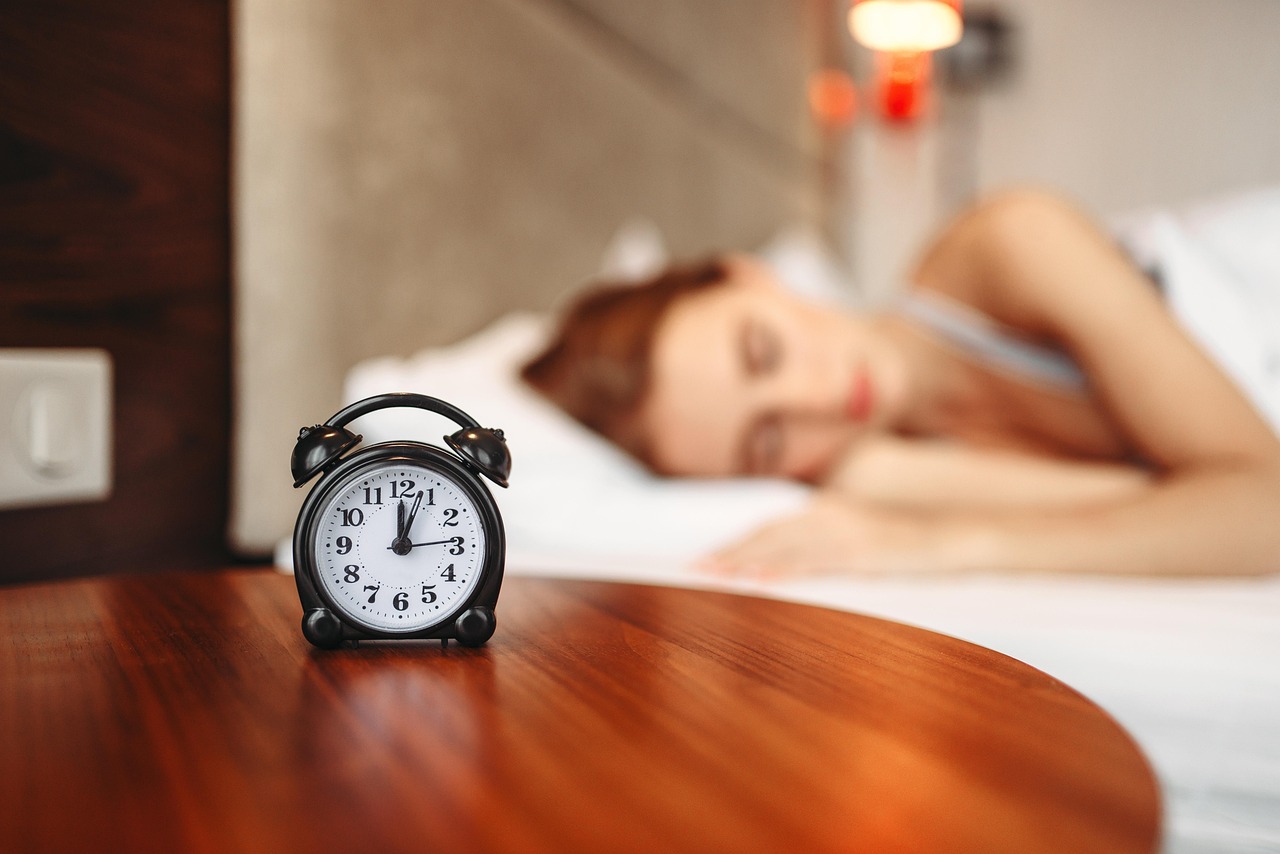
Light pollution represents one of the most significant obstacles. Hallway lights bleeding under doors, digital alarm clocks with bright displays, and inadequate blackout curtains all contribute to melatonin suppression. Your brain interprets even small amounts of light as signals to stay alert, preventing you from reaching the deeper sleep stages essential for physical recovery and mental clarity.
Noise disturbances vary wildly between properties and room locations. Ice machines, elevators, hallway conversations, street traffic, neighboring guests, and HVAC systems create an unpredictable soundscape. Unlike at home where your brain filters familiar sounds, these novel noises trigger alertness responses that fragment your sleep architecture throughout the night.
✈️ Pre-Booking Strategies for Better Sleep Success
Your sleep quality journey begins before you even arrive at the hotel. Strategic booking decisions can eliminate numerous problems before they start, saving you stress and ensuring a more restful stay from night one.
When selecting your room, request higher floors away from elevators, ice machines, and vending areas. Corner rooms typically offer fewer shared walls with neighbors, reducing noise transmission. If you’re particularly sensitive to sound, verify whether the hotel has interior or exterior corridor access—interior corridors generally provide better sound insulation from outdoor noise.
Read recent guest reviews specifically mentioning sleep quality, noise levels, and room darkness. Travelers often share detailed experiences about disruptive factors that wouldn’t appear in official hotel descriptions. Look for patterns in complaints about thin walls, noisy air conditioning, or inadequate window coverings before committing to your reservation.
Consider hotel location relative to your sleep priorities. Properties near airports, train stations, busy intersections, or nightlife districts inherently present more noise challenges. If quality sleep is non-negotiable, the slightly higher cost or less convenient location of a quieter property delivers exceptional value when measured against well-rested productivity.
🎒 Essential Sleep Kit: What to Pack
Creating a portable sleep optimization kit ensures you have the tools needed regardless of your accommodation’s shortcomings. These compact items take minimal luggage space but deliver maximum impact on your rest quality.
Light Control Essentials
A high-quality sleep mask blocks light more effectively than any curtain adjustment. Look for contoured designs that don’t press on your eyelids and feature adjustable straps that won’t slip during sleep. Some travelers prefer silk masks for comfort, while others choose weighted options that provide gentle pressure for additional relaxation benefits.
Portable blackout solutions give you control over stubborn light leaks. Binder clips or clothespins can secure curtain gaps, while black electrical tape covers intrusive indicator lights on electronics. Some frequent travelers carry lightweight blackout curtain clips specifically designed for travel use.
Sound Management Tools
Quality earplugs are non-negotiable for light sleepers. Foam, silicone, and wax options each offer different comfort and noise reduction profiles. Test several types at home before traveling to determine which style you find most comfortable for extended wear. Moldable silicone earplugs work particularly well for side sleepers who find foam options uncomfortable.
White noise applications can mask disruptive sounds effectively. Many travelers use dedicated apps that offer various sound profiles—ocean waves, rain, fan sounds, or pure white noise. Download your preferred sounds before traveling to avoid relying on potentially unreliable hotel WiFi when you need them most.
Portable white noise machines provide consistent sound without draining your phone battery or requiring internet connectivity. Compact models designed for travel fit easily in carry-on luggage and often include multiple sound options with volume control to match your environment’s baseline noise level.
Comfort and Familiarity Items
Your own pillowcase brings familiar scents and textures that signal sleep time to your brain. This small item packs flat but provides significant psychological comfort in unfamiliar environments. Choose a dark color that won’t show travel wear and consider antimicrobial fabric treatments for extended trips.
Travel-sized aromatherapy can establish your personal sleep environment anywhere. Lavender, chamomile, and sandalwood oils promote relaxation without overwhelming small spaces. Use a small fabric pouch or cotton ball as a diffuser rather than electronic devices that require outlets and create additional light sources.
🏨 Room Optimization Upon Arrival
The first fifteen minutes after entering your room determine your sleep quality for the entire stay. Systematic optimization addresses controllable factors immediately, preventing problems before bedtime when you’re too tired to troubleshoot effectively.
Temperature and Air Quality Adjustments
Set your room temperature between 60-67°F (15-19°C), the optimal range for most people’s sleep. Hotel thermostats often lack precision, so use your phone’s temperature app to verify actual room temperature. If the HVAC system is noisy, run it on high initially to reach your target temperature, then turn it off or to fan-only mode before sleep.
Assess air quality immediately upon entering. Stale or overly dry air impacts sleep quality and respiratory comfort. Open windows briefly if outside air quality permits, run the bathroom fan to increase circulation, or request a room change if mustiness or strong cleaning chemical odors persist despite airing out.
Lighting Control Implementation
Survey all light sources systematically. Cover or unplug alarm clocks, smoke detectors with LED indicators, cable boxes, televisions, and any other electronic displays. Use your electrical tape or small adhesive bandages from your sleep kit for quick solutions. Check for light leaks around curtains while standing in darkness—your eyes will adjust and reveal problem areas needing attention.
Position lamps strategically for your pre-sleep routine. Table lamps with adjustable brightness support gradual dimming before bed, signaling your circadian system that sleep approaches. Avoid overhead lighting in the hour before sleep, as bright ceiling lights suppress melatonin production more dramatically than softer, lower light sources.
Bed and Bedding Assessment
Test mattress firmness immediately upon arrival. If it’s unacceptable, request a room change while housekeeping staff can still accommodate you—waiting until bedtime limits your options. Some hotels offer mattress toppers or can provide additional blankets to place under sheets for added cushioning.
Check pillow options and request alternatives if needed. Most hotels stock different firmness levels and can provide extras upon request. Side sleepers typically need firmer, thicker pillows, while back sleepers prefer medium support, and stomach sleepers require softer, thinner options. Don’t settle for uncomfortable pillows when alternatives are available.
Inspect sheets and blankets for cleanliness and comfort. Overly scratchy linens or synthetic materials that don’t breathe can cause nighttime discomfort and temperature regulation issues. If bedding quality concerns you, your travel pillowcase provides a familiar barrier, or request additional layers to create comfortable separation from questionable materials.
⏰ Establishing Your Sleep Routine Away From Home
Consistency signals your body that sleep approaches, regardless of location. Maintaining elements of your home routine helps your circadian system adjust to temporary accommodations more rapidly, reducing the “first night effect” that plagues many travelers.
Pre-Sleep Wind-Down Rituals
Begin your wind-down routine 60-90 minutes before your target sleep time. This buffer allows your body to transition from alertness to rest mode gradually. Dim lights progressively, reduce screen exposure, and engage in calming activities like reading physical books, gentle stretching, or meditation.
Avoid hotel bars, restaurants, and bright lobby areas in the hour before bed. These spaces feature lighting and activity levels designed to promote alertness and social engagement—exactly opposite of your sleep preparation needs. If you need an evening meal, opt for room service or eat earlier, giving your digestive system time to process before lying down.
Managing Technology and Blue Light
Electronic devices emit blue wavelength light that powerfully suppresses melatonin. If you must use phones, tablets, or laptops before bed, enable night mode settings that shift screen color toward warmer tones. Better yet, establish a charging station away from your bedside and commit to device-free time before sleep.
Set your phone to “Do Not Disturb” mode with only critical contacts allowed through. Hotel WiFi networks often trigger numerous notifications as devices reconnect and apps update. Unexpected sounds and vibrations fragment sleep even when you don’t fully wake, reducing overall rest quality throughout the night.
Strategic Eating and Drinking
Time your final food and beverage consumption carefully. Large meals within three hours of bedtime compete with sleep as your body diverts resources to digestion. If you need a snack, choose options combining complex carbohydrates with small amounts of protein—whole grain crackers with cheese or a banana with almond butter support stable blood sugar without overloading your digestive system.
Limit fluid intake in the two hours before bed to reduce nighttime bathroom trips. Hotel rooms often feature different distances and layouts from home bathrooms, increasing disruption when nature calls. Ensure adequate hydration earlier in the evening, then taper off as bedtime approaches.
😴 Optimizing Sleep Position and Comfort
Physical comfort directly impacts your ability to fall asleep and maintain quality rest throughout the night. Hotel beds present different dimensions, firmness levels, and pillow configurations than home, requiring strategic adjustments for optimal support.
Side sleepers should request extra pillows to place between knees, maintaining proper spinal alignment and reducing hip pressure. Back sleepers benefit from a small pillow or rolled towel under knees to maintain the spine’s natural curve. Stomach sleepers (though not ideal for spinal health) need very thin pillows under heads and may place a pillow under hips to reduce lower back strain.
Adjust blanket and sheet combinations to match your temperature preferences. Hotel bedding often includes decorative layers unsuitable for sleeping under. Strip the bed to essentials that provide adequate warmth without overheating—you can always add layers if you get cold, but excessive warmth fragments sleep quality as your body attempts to regulate temperature.
🌡️ Managing Jet Lag and Time Zone Changes
Crossing time zones disrupts your circadian rhythm, creating sleep challenges beyond typical hotel room factors. Strategic light exposure, meal timing, and sleep scheduling can accelerate adjustment and improve rest quality during your trip.
Upon arrival, immediately adopt local time for all activities including meals and sleep. Resist napping unless absolutely necessary for safety, as daytime sleep increases nighttime wakefulness. If you must nap, limit it to 20-30 minutes before 3 PM local time to minimize interference with nighttime sleep drive.
Seek bright light exposure in the morning and avoid it in the evening when traveling east. The opposite applies for westward travel—avoid morning light and seek evening exposure. Light is the most powerful circadian signal, and strategic exposure accelerates your body’s adjustment to new time zones more effectively than any supplement or medication.
🛡️ Handling Unexpected Disruptions
Despite perfect preparation, unexpected disturbances sometimes occur. Having response strategies ready reduces stress and helps you return to sleep more quickly when disruptions happen.
For noise complaints, contact the front desk immediately rather than suffering through or confronting neighbors directly. Hotels have protocols for addressing noise issues and can intervene diplomatically. Document serious disturbances with time stamps—if sleep disruption is severe, reasonable accommodations like room changes or rate adjustments may be warranted.
If you wake during the night and struggle to return to sleep within 20 minutes, get up and engage in quiet, non-stimulating activity in dim light. Sitting in bed awake trains your brain that bed equals wakefulness rather than sleep. Simple stretching, reading, or meditation in a chair helps you feel drowsy again without reinforcing anxious wakefulness associations.
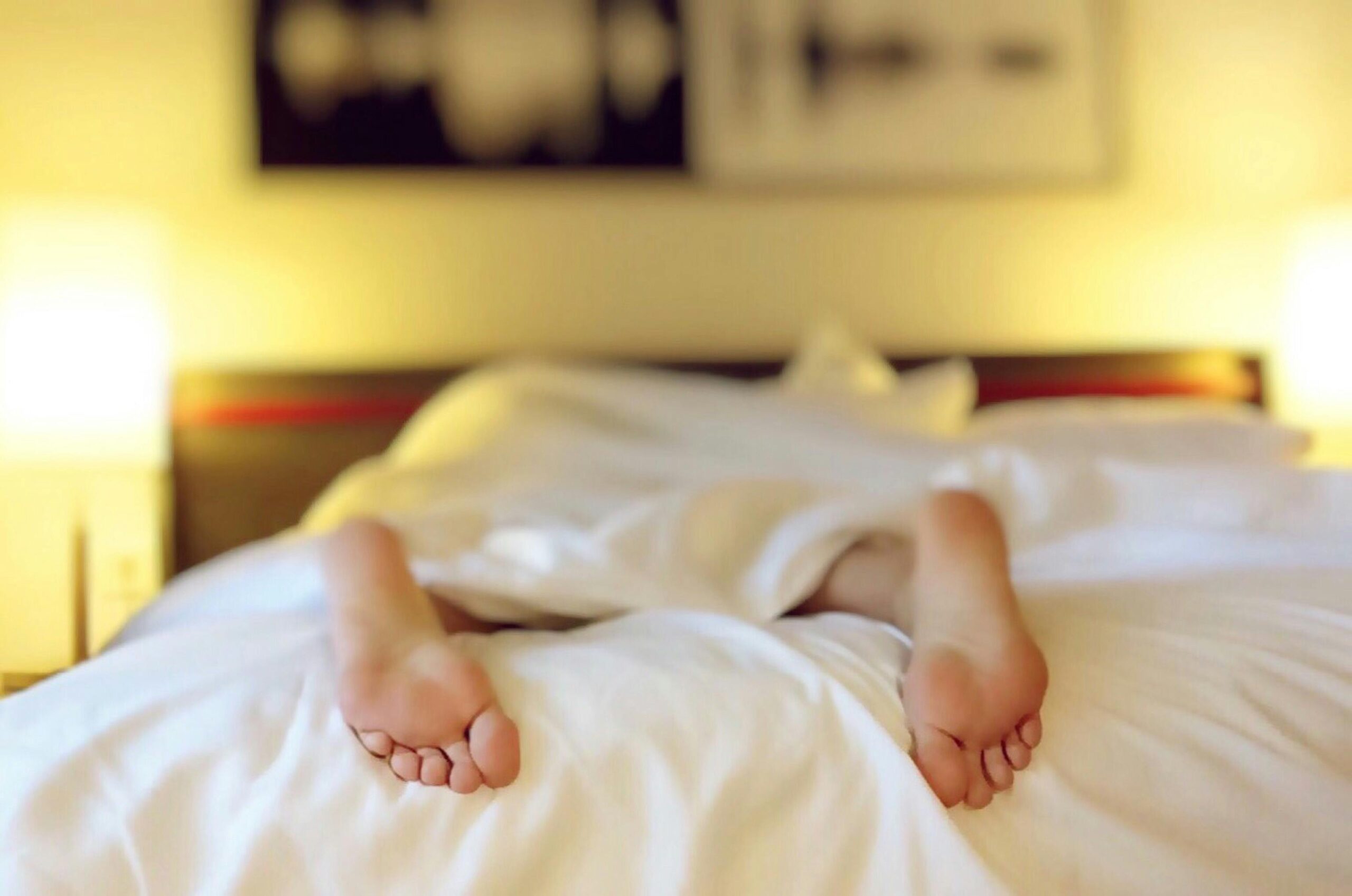
✨ Creating Your Personal Sleep Sanctuary Anywhere
Transforming generic hotel rooms into personalized sleep havens requires minimal effort but delivers maximum impact on your travel experience. The cumulative effect of small optimizations—controlled lighting, managed temperature, familiar scents, and consistent routines—signals your brain that quality rest is the priority regardless of location.
Sleep quality affects every aspect of travel from business performance to vacation enjoyment. Investing fifteen minutes in room optimization and maintaining your sleep hygiene practices yields returns far exceeding the minimal time and effort required. Well-rested travelers make better decisions, enjoy experiences more fully, fight off illness more effectively, and return home feeling rejuvenated rather than requiring vacation from their vacation.
Your sleep environment is one travel factor you can control completely. While you cannot predict flight delays, weather changes, or itinerary disruptions, you can ensure your accommodation supports rather than sabotages the rest your body needs. Master these travel-proofing techniques and you’ll never again dread hotel stays or suffer through exhausting trips where poor sleep diminishes every experience.