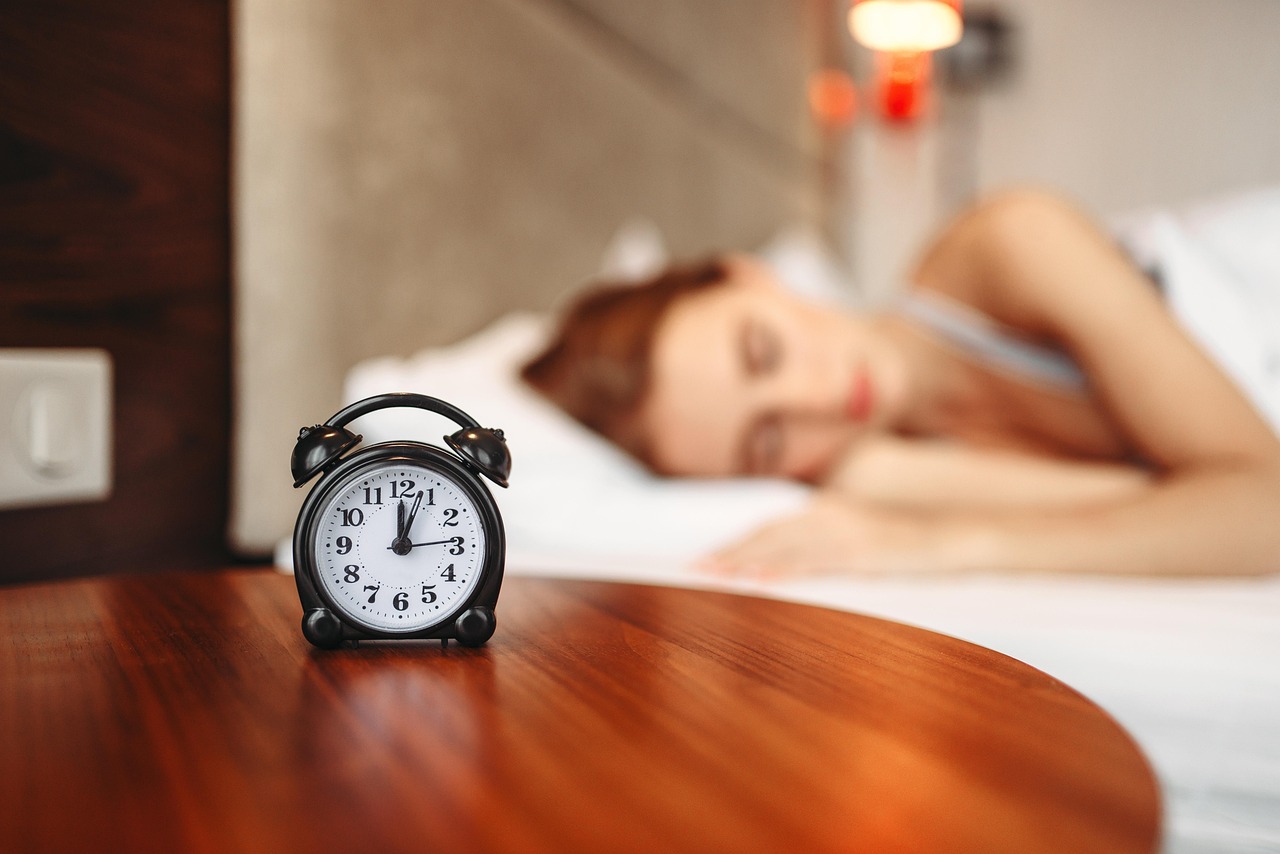
Your body runs on an internal clock, and understanding it could be the key to unlocking better health, sharper focus, and a more balanced life. Circadian rhythm tracking has evolved from simple sleep diaries to sophisticated dashboards that reveal patterns over weeks, months, and years.

Modern technology allows us to monitor our biological rhythms with unprecedented precision. These long-term tracking tools help identify what truly works for your unique physiology, moving beyond generic advice to personalized optimization strategies that adapt as your life changes.
🔄 Understanding Your Body’s Master Clock
Your circadian rhythm is a 24-hour biological cycle that regulates virtually every system in your body. From hormone production to body temperature, digestion to immune function, this internal timekeeper orchestrates thousands of processes that determine how you feel and perform throughout the day.
The suprachiasmatic nucleus (SCN) in your brain serves as the master conductor, synchronizing peripheral clocks throughout your organs and tissues. Light exposure, particularly in the blue spectrum, is the primary signal that sets this clock, but meal timing, physical activity, and social interactions also play crucial roles.
When your lifestyle aligns with your circadian rhythm, you experience deeper sleep, sustained energy, better mood regulation, and improved cognitive function. Conversely, chronic misalignment—common in shift workers, frequent travelers, and those with irregular schedules—is linked to obesity, diabetes, cardiovascular disease, and mental health challenges.
The Science Behind Long-Term Tracking
Short-term observations can be misleading. Your body adapts to stressors, compensates for poor sleep, and masks underlying issues—sometimes for weeks or months. Long-term circadian rhythm dashboards reveal patterns that would otherwise remain invisible, showing how seasonal changes, life events, and gradual habit shifts impact your biological clock.
Research demonstrates that circadian amplitude—the difference between your peak and trough performance—naturally varies across days and seasons. Winter months typically show dampened rhythms, while summer brings stronger oscillations. Understanding your personal patterns helps you set realistic expectations and make informed adjustments.
📊 Essential Metrics for Your Circadian Dashboard
Effective circadian tracking requires monitoring multiple data streams simultaneously. While no single metric tells the complete story, combining several indicators creates a comprehensive picture of your biological rhythms and their alignment with your lifestyle.
Sleep Architecture and Timing
Beyond total sleep duration, track your sleep onset time, wake time, sleep latency (how long it takes to fall asleep), and wake-after-sleep-onset. Consistency in these metrics often matters more than perfection on any given night. Modern sleep trackers use movement and heart rate data to estimate sleep stages, providing insights into REM and deep sleep patterns.
Your chronotype—whether you’re naturally a morning lark or night owl—significantly influences optimal sleep timing. Long-term data helps you identify your true chronotype rather than the schedule society imposes on you. This knowledge empowers better decision-making about work schedules, exercise timing, and social commitments.
Energy and Alertness Patterns
Subjective energy ratings, taken at consistent intervals throughout the day, create a valuable dataset over time. Many people discover their actual peak performance windows don’t match their assumptions. You might think you’re sharpest in the morning but find that your data shows consistent afternoon peaks.
Objective measurements like reaction time tests, cognitive performance apps, and even simple typing speed can quantify alertness more accurately than subjective feelings. These metrics help identify when to schedule demanding work, when to take breaks, and when your body naturally craves rest.
Light Exposure Tracking
Light is the most powerful circadian synchronizer. Tracking when, how much, and what type of light you receive reveals opportunities for optimization. Morning bright light exposure strengthens circadian amplitude, while evening blue light delays your clock and disrupts sleep.
Specialized apps and wearable devices can now measure ambient light levels and even estimate melanopic lux—the specific wavelengths that most affect your circadian system. This data helps you understand whether you’re getting sufficient daytime light exposure and too much evening screen time.
Body Temperature Fluctuations
Your core body temperature follows a predictable circadian pattern, typically reaching its lowest point in the early morning and peaking in the late afternoon. Some advanced wearables track skin temperature throughout the night, providing insights into your circadian phase and sleep quality.
Temperature data also reveals how well you’re recovering from physical stress and can predict illness onset. Consistent patterns indicate good circadian alignment, while erratic fluctuations suggest misalignment or health issues requiring attention.
🛠️ Building Your Personal Circadian Dashboard
Creating an effective long-term tracking system requires balancing comprehensiveness with sustainability. The best dashboard is one you’ll actually maintain consistently, providing years of valuable data without becoming a burden.
Selecting Your Tools and Apps
Wearable devices like smartwatches and fitness trackers form the foundation of modern circadian monitoring. Look for devices that track sleep stages, heart rate variability, activity levels, and ideally skin temperature. Battery life matters—continuous tracking requires devices that last multiple days without charging.
Dedicated sleep tracking apps provide more detailed analysis than most wearables alone. Sleep Cycle uses sound analysis to track sleep patterns and wake you during light sleep phases, optimizing how you feel upon waking.
For comprehensive health data integration, apps like Google Fit aggregate information from multiple sources into a single dashboard, making long-term pattern recognition easier.
Establishing Consistent Measurement Protocols
Consistency matters more than precision in long-term tracking. Take measurements at the same times each day when possible. If you rate your energy levels, use the same scale and criteria each time. If you track morning alertness, do it before caffeine consumption to maintain comparability.
Set up automated data collection wherever possible to reduce effort and improve compliance. Wearables that sync automatically to your phone eliminate manual entry. Apps that prompt you at specific times help maintain consistency without requiring you to remember.
Data Visualization Strategies
Raw data becomes actionable when visualized effectively. Use graphs that display trends over weeks and months rather than just daily snapshots. Heat maps can show patterns across days of the week and times of day simultaneously, revealing insights that simple line graphs miss.
Color coding helps identify patterns quickly. Mark days with particularly good or poor outcomes, then look back to identify contributing factors. Did certain activities, foods, or events consistently precede your best or worst days?
💡 Interpreting Long-Term Patterns
Data collection is only valuable if it informs better decisions. Learning to read your dashboard and extract actionable insights transforms tracking from a hobby into a powerful optimization tool.
Identifying Your Chronotype and Optimal Schedule
Months of sleep-wake data reveal your true chronotype with greater accuracy than any questionnaire. Look for the times your body naturally wants to sleep and wake when unconstrained by obligations—weekends, vacations, and holidays provide the clearest signals.
Your chronotype isn’t fixed throughout life. Adolescents typically shift toward later bedtimes, while older adults often become more morning-oriented. Long-term tracking captures these gradual transitions, helping you adapt your schedule proactively rather than fighting against biological changes.
Seasonal Variations and Adaptations
Your circadian rhythm responds to seasonal changes in daylight duration and intensity. Many people experience earlier wake times and more energy in summer, while winter brings later sleep onset and afternoon energy dips. Recognizing these patterns helps you adjust expectations and interventions seasonally.
Seasonal affective patterns become obvious with long-term data. If your November-through-February entries consistently show lower energy and mood, you can implement countermeasures proactively: increased morning light exposure, vitamin D supplementation, or adjusted work schedules during those months.
Impact of Life Changes and Interventions
Your dashboard becomes a personal experiment lab. When you change your exercise routine, adjust your diet, try a new supplement, or modify your sleep environment, long-term data shows whether the intervention truly helps or just feels different initially.
The placebo effect is real and powerful, but it typically fades within weeks. Genuine improvements persist and often strengthen over time. By comparing pre-intervention and post-intervention data over months, you separate real benefits from temporary enthusiasm.
🎯 Practical Applications for Daily Optimization
Understanding your circadian patterns enables specific, actionable optimizations across all areas of life. These aren’t one-size-fits-all recommendations but personalized strategies based on your unique data.
Scheduling Work and Creative Tasks
Match task difficulty to your natural alertness patterns. For most people, analytical thinking peaks in late morning, while creative thinking often peaks in mid-afternoon when the mind is slightly tired and more open to unusual connections. Your data might reveal a different pattern entirely.
Schedule meetings, exercise, meals, and breaks based on your tracked energy curves. If your data shows a consistent 2 PM slump, that’s the worst time for important decisions but might be perfect for routine administrative tasks that don’t require peak cognitive function.
Optimizing Exercise Timing
Athletic performance varies dramatically based on circadian phase. Body temperature, muscle strength, and cardiovascular efficiency typically peak in late afternoon, making this the optimal time for high-intensity training for many people. However, individual patterns vary significantly.
Morning exercisers often report better consistency because fewer scheduling conflicts arise early in the day. If your tracking shows that morning workouts don’t compromise your performance significantly, the consistency benefits might outweigh the slight physiological disadvantage. Let your data guide the decision.
Meal Timing and Metabolic Health
Your digestive system and metabolic processes follow circadian rhythms. Insulin sensitivity is typically highest in the morning and lowest at night, suggesting earlier meal timing may benefit metabolic health. Time-restricted eating—consuming all calories within a consistent 8-12 hour window—helps strengthen circadian rhythms.
Track how meal timing affects your sleep quality, morning alertness, and energy stability. Some people sleep poorly after late dinners, while others feel weak and distracted if they don’t eat close to bedtime. Your dashboard reveals which pattern applies to you rather than relying on general guidelines that might not fit your physiology.
⚠️ Common Pitfalls and How to Avoid Them
Long-term tracking brings tremendous benefits but also presents challenges. Being aware of common mistakes helps you build a sustainable, valuable tracking practice.
Obsessive Tracking and Analysis Paralysis
It’s possible to track so many variables that you never extract actionable insights. Focus on a core set of meaningful metrics rather than capturing everything possible. More data doesn’t always mean more understanding—it can actually obscure important patterns beneath noise.
Set specific review intervals rather than constantly analyzing your data. Weekly check-ins for short-term adjustments and monthly reviews for longer-term patterns create structure without consuming excessive mental energy. Annual reviews reveal transformations impossible to see in shorter timeframes.
Ignoring External Context
Your circadian rhythm doesn’t exist in isolation. Stress, illness, major life events, weather, and social obligations all influence your data. Note significant external factors so you can interpret unusual patterns correctly rather than over-adjusting based on temporary circumstances.
A week of poor sleep during a major work deadline doesn’t necessarily mean your sleep optimization strategy failed—it means stress temporarily overrode your normal patterns. Contextual notes help distinguish signal from noise in your long-term analysis.
Expecting Linear Progress
Circadian optimization isn’t a straight line from worse to better. You’ll experience setbacks, plateaus, and regressions. Long-term data actually makes this clearer—you’ll see cycles and fluctuations that would be invisible in shorter tracking periods. This perspective prevents discouragement during inevitable rough patches.
Focus on comparing months and seasons rather than days and weeks. A particularly bad week matters much less when you’re viewing a year of data showing overall improvement. This long-term perspective builds resilience and prevents abandoning strategies that are actually working.
🚀 Advanced Integration and Future Possibilities
As technology advances, circadian tracking becomes more sophisticated and seamlessly integrated into daily life. Understanding emerging capabilities helps you prepare for the next evolution in personal optimization.
AI-Powered Insights and Predictions
Machine learning algorithms can identify patterns in your data that human analysis might miss. Some platforms now provide predictive insights, forecasting your energy levels, sleep quality, or optimal performance windows based on historical patterns and current conditions.
Future systems will likely integrate environmental data—weather, air quality, pollen counts, geomagnetic activity—with your personal metrics to explain variations and optimize recommendations. These tools will suggest specific interventions tailored to your upcoming schedule and predicted circadian state.
Integration with Smart Home Technology
Your environment profoundly affects your circadian rhythm. Smart lighting systems that automatically adjust color temperature and intensity based on time of day help maintain proper light exposure. Temperature controls that cool your bedroom at night and warm it before your planned wake time support natural sleep-wake transitions.
Integration between your circadian dashboard and home automation creates a supportive environment without requiring constant manual adjustments. Your tracked patterns inform environmental settings, which in turn help maintain those beneficial patterns—a positive feedback loop that strengthens over time.
🌟 Creating Sustainable Tracking Habits
The most sophisticated tracking system provides no value if you abandon it after three months. Building sustainable habits ensures you’ll accumulate the years of data needed for truly transformative insights.
Start minimal and expand gradually. Begin with just sleep tracking and one subjective energy rating per day. Once that feels effortless, add another metric. This progressive approach prevents overwhelm and builds lasting habits rather than unsustainable bursts of enthusiasm.
Celebrate insights rather than perfection. The goal isn’t flawless circadian alignment—it’s understanding your patterns well enough to make informed choices. When your data reveals something useful about your biology, acknowledge that win regardless of whether the underlying pattern is “optimal” by conventional standards.
Share your journey with others. Finding a community of fellow trackers provides motivation, ideas, and accountability. Online forums, social media groups, and local meetups connect you with people who understand the long-term tracking mindset and can offer support during inevitable challenging periods.

✨ Your Personalized Path Forward
Everyone’s circadian journey is unique. Your optimal sleep timing, peak performance windows, and effective interventions may differ dramatically from general recommendations or even from people whose lifestyles seem similar to yours. Long-term tracking honors this individuality rather than forcing you into preset templates.
Begin today with whatever tools you have available. A simple notebook tracking sleep and wake times provides value. A smartphone with a basic sleep app offers more precision. A wearable device enables passive collection of multiple metrics. Start where you are, with what you have, and expand as interest and budget allow.
Review your dashboard regularly but not obsessively. Look for patterns, test hypotheses, implement changes, and observe results over appropriate timeframes. Remember that small, consistent improvements compound dramatically over months and years. A 1% daily optimization yields a 37-fold improvement over a year through compounding effects.
Your circadian rhythm dashboard is more than a collection of data points—it’s a mirror reflecting your relationship with your body’s natural rhythms. It reveals not just how you’re sleeping or performing, but how well you’re listening to your biology’s wisdom. This ongoing conversation between data and intuition, between measurement and feeling, creates the foundation for a genuinely optimized life balanced with health, productivity, and sustainable well-being.