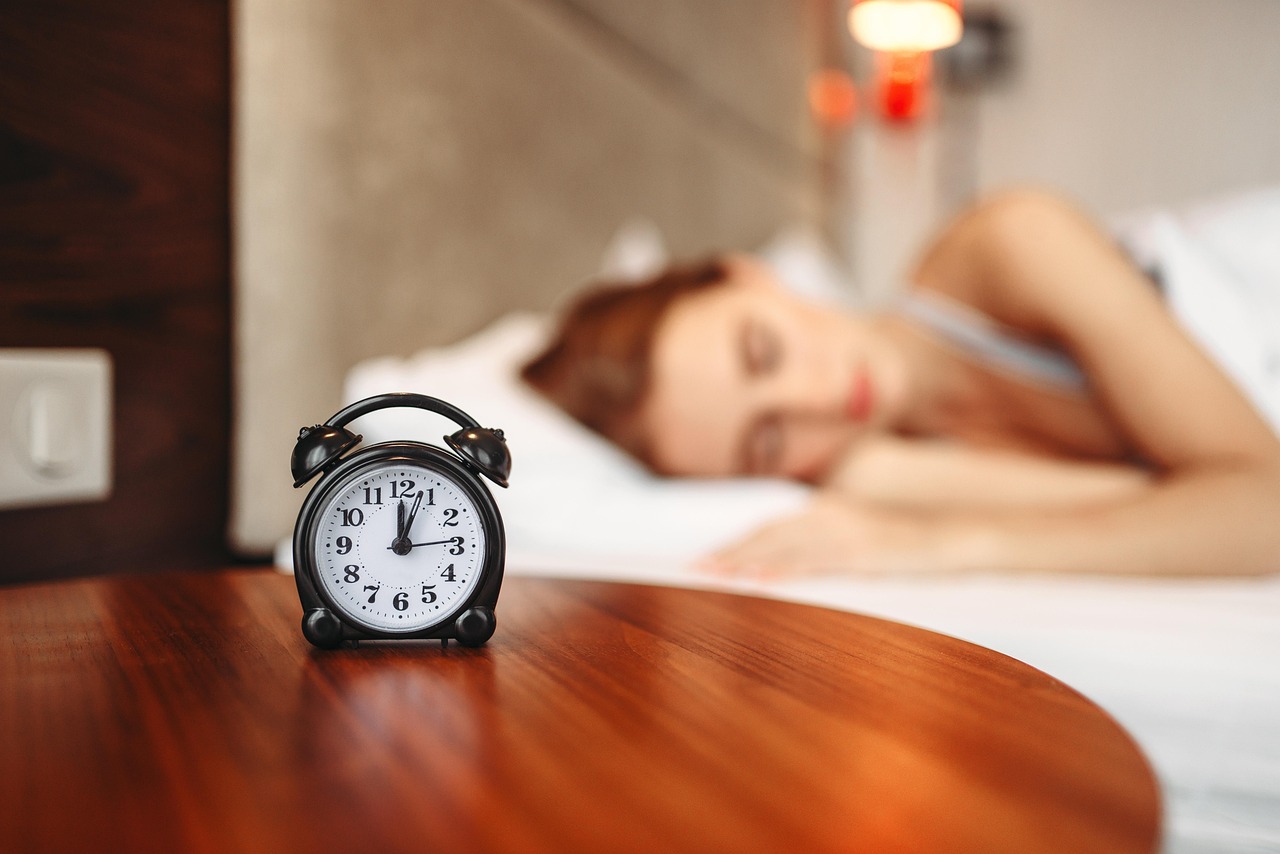
Ever wondered why that afternoon espresso keeps you tossing and turning at midnight? The secret to better sleep might be hiding in your coffee cup timing.

Sleep quality affects everything from your mood to your immune system, yet millions of people unknowingly sabotage their rest with poorly timed caffeine consumption. Understanding the relationship between caffeine and sleep isn’t just about cutting out coffee—it’s about strategic timing that lets you enjoy your favorite beverages while still achieving deep, restorative sleep. The science behind caffeine metabolism reveals fascinating insights that can transform your nights from restless to rejuvenating.
The Science Behind Caffeine and Your Sleep Cycle ☕
Caffeine works by blocking adenosine receptors in your brain. Adenosine is a neurotransmitter that accumulates throughout the day, making you feel increasingly tired. When caffeine occupies these receptors, your brain doesn’t receive the “tired” signal, keeping you alert and energized. However, this biological mechanism has a much longer impact than most people realize.
The half-life of caffeine—the time it takes for your body to eliminate half of the caffeine you consumed—ranges from 3 to 7 hours depending on various factors. This means if you drink a cup of coffee containing 200mg of caffeine at 4 PM, you’ll still have approximately 100mg circulating in your system at 9 PM, and 50mg at 2 AM. For context, 50mg is roughly equivalent to half a cup of coffee still affecting your sleep architecture.
Even more surprising, caffeine doesn’t just keep you awake—it fundamentally alters your sleep structure. Studies show that caffeine consumption, even 6 hours before bedtime, can reduce total sleep time by more than an hour and significantly decrease deep sleep stages, which are crucial for physical restoration and memory consolidation.
Individual Caffeine Sensitivity: Why One Size Doesn’t Fit All
Your caffeine metabolism is as unique as your fingerprint, determined largely by genetics. The CYP1A2 gene controls how quickly your liver processes caffeine, creating “fast metabolizers” and “slow metabolizers” within the population. Fast metabolizers can enjoy an afternoon coffee with minimal sleep disruption, while slow metabolizers might experience sleep problems from caffeine consumed as early as noon.
Several factors influence your personal caffeine sensitivity:
- Age: Metabolism slows as we age, meaning older adults process caffeine more slowly
- Body weight: Larger individuals generally metabolize caffeine faster than smaller people
- Pregnancy: Caffeine metabolism slows significantly during pregnancy
- Medications: Certain drugs can either speed up or slow down caffeine processing
- Liver health: Any liver condition affects caffeine metabolism
- Smoking status: Smokers metabolize caffeine approximately 50% faster than non-smokers
The Perfect Caffeine Cutoff Time for Quality Sleep 🕐
Based on extensive sleep research, most experts recommend stopping caffeine consumption at least 8-10 hours before bedtime. For someone planning to sleep at 10 PM, this means the caffeine cutoff should be between noon and 2 PM. However, this general guideline requires personalization based on your individual sensitivity.
To determine your personal cutoff time, consider tracking your caffeine intake and sleep quality for two weeks. Note when you consume caffeine, how much, and rate your sleep quality the following morning. Patterns will emerge showing your individual tolerance threshold.
For highly sensitive individuals, the cutoff might need to be even earlier—potentially 12 hours before bed. If you’re a fast metabolizer with no sleep issues, you might tolerate caffeine until 6 hours before bedtime. The key is experimentation and honest self-assessment.
Understanding Caffeine Content in Common Beverages 📊
Not all caffeinated drinks are created equal. Knowing exactly how much caffeine you’re consuming helps you make informed timing decisions:
| Beverage | Serving Size | Caffeine Content (mg) |
|---|---|---|
| Brewed Coffee | 8 oz (240ml) | 95-165mg |
| Espresso | 1 oz (30ml) | 47-64mg |
| Black Tea | 8 oz (240ml) | 25-48mg |
| Green Tea | 8 oz (240ml) | 25-29mg |
| Energy Drink | 8 oz (240ml) | 70-100mg |
| Cola | 12 oz (355ml) | 34-45mg |
| Dark Chocolate | 1 oz (28g) | 12-25mg |
Remember that specialty coffee drinks can contain multiple shots of espresso, potentially delivering 200-400mg of caffeine in a single serving. That venti latte might feel like a treat, but it’s essentially four cups of coffee affecting your sleep later.
Visual Caffeine Timing Strategy for Optimal Sleep 🎯
Creating a visual caffeine consumption schedule helps you stay within safe timing windows. Imagine your day divided into three zones based on a 10 PM bedtime:
Green Zone (6 AM – 12 PM): Full caffeine freedom. Enjoy your morning coffee, tea, or energy drinks without sleep consequences. This is when caffeine provides maximum alertness benefits with minimal nighttime impact.
Yellow Zone (12 PM – 2 PM): Caution period. Light to moderate caffeine acceptable for fast metabolizers, but slow metabolizers should start avoiding it. Consider switching to lower-caffeine options like green tea or limiting portions.
Red Zone (2 PM – 10 PM): Caffeine-free zone. Any caffeine consumed during this window will likely interfere with sleep quality. Opt for decaf alternatives, herbal tea, or water to maintain hydration without sleep disruption.
Adjust these zones backward or forward based on your actual bedtime. If you sleep at midnight, shift everything two hours later. Early birds hitting the pillow at 9 PM should move the zones earlier accordingly.
Hidden Caffeine Sources That Sabotage Your Sleep
Many people unknowingly consume caffeine in the evening through sources they don’t recognize. These hidden caffeine bombs can undermine even the most disciplined coffee cutoff:
- Chocolate desserts: That evening brownie contains 20-30mg of caffeine
- Coffee-flavored ice cream: Can contain 45-80mg per serving
- Pain relievers: Excedrin and similar medications contain 65mg per tablet
- Weight loss supplements: Often loaded with caffeine without clear labeling
- Decaf coffee: Still contains 2-15mg of caffeine per cup
- Hot chocolate: Contains 5-10mg from chocolate content
Reading labels becomes essential for anyone serious about optimizing their caffeine timing. Many products don’t prominently display caffeine content, requiring careful ingredient inspection.
Strategic Caffeine Consumption for Energy Without Sleep Disruption ⚡
Smart caffeine users leverage timing and dosage strategies to maximize benefits while protecting sleep quality. The goal isn’t caffeine elimination—it’s optimization.
Start with a “caffeine front-loading” approach: consume your largest caffeine dose early in the day when cortisol levels are naturally rising. This synchronizes with your body’s natural alertness patterns, providing enhanced benefits. Follow with smaller doses mid-morning if needed, then taper off completely by early afternoon.
Consider caffeine cycling—alternating high and low caffeine days—to prevent tolerance buildup. When you consume caffeine every day at the same dose, your brain adapts by creating more adenosine receptors, requiring progressively more caffeine for the same effect. Cycling prevents this adaptation while maintaining caffeine effectiveness.
Pairing caffeine with L-theanine, an amino acid found in tea, creates smoother energy without jitters and may reduce sleep interference. Many people find that green tea, which naturally contains both compounds, provides sustained alertness with less crash and better sleep outcomes than coffee.
Technology Tools for Tracking Caffeine and Sleep Patterns 📱
Modern technology offers powerful solutions for monitoring how caffeine affects your individual sleep quality. Sleep tracking apps can correlate your caffeine intake with objective sleep metrics, revealing patterns you might miss subjectively.
Caffeine tracking applications allow you to log every caffeinated beverage with timestamps, then compare against your sleep data. These apps typically calculate when caffeine will clear your system and send reminders when you’re approaching your personalized cutoff time.
Wearable devices with sleep tracking capabilities provide detailed information about your sleep stages, showing exactly how caffeine timing affects your REM and deep sleep percentages. This objective data removes guesswork from optimizing your caffeine schedule.
The Withdrawal Reality: Adjusting Your Caffeine Schedule
Changing long-established caffeine habits triggers withdrawal symptoms in most people. Understanding and preparing for this temporary discomfort increases success rates dramatically.
Common caffeine withdrawal symptoms include headaches, fatigue, difficulty concentrating, irritability, and even mild depression. These symptoms typically peak 24-48 hours after reducing caffeine intake and resolve within 7-10 days for most people.
Rather than quitting cold turkey, gradually shift your caffeine cutoff time earlier by 30-minute increments every few days. This gentler approach minimizes withdrawal while progressively improving sleep quality. If you currently drink coffee at 5 PM, move to 4:30 PM for three days, then 4 PM, continuing until you reach your target cutoff time.
During the adjustment period, prioritize sleep hygiene: maintain consistent bed and wake times, create a dark sleeping environment, and avoid screens before bed. These practices support better sleep even as your body adapts to new caffeine patterns.
Alternative Energy Strategies for Afternoon Slumps 💪
The afternoon energy crash tempts many people to reach for caffeine during their red zone hours. Developing alternative energy-boosting strategies protects your sleep while maintaining afternoon productivity.
Brief movement breaks provide remarkable energy boosts without any sleep consequences. A 10-minute walk, quick stretching routine, or even climbing stairs increases blood flow and oxygen delivery, creating natural alertness. Research shows that 10 minutes of stair climbing provides more energy than consuming 50mg of caffeine.
Strategic napping offers another powerful alternative. A 20-minute power nap between 1-3 PM can dramatically improve alertness without entering deep sleep stages that cause grogginess or nighttime sleep interference. Set an alarm to prevent oversleeping into longer sleep cycles.
Hydration plays an underappreciated role in energy levels. Even mild dehydration causes fatigue that people often mistake for caffeine withdrawal. Drinking 16 ounces of cold water provides an immediate, albeit brief, alertness boost and supports overall cognitive function.
Creating Your Personalized Caffeine-Sleep Protocol
Developing a sustainable, personalized approach requires combining scientific principles with self-knowledge gained through experimentation. Your perfect protocol considers your genetics, lifestyle, work schedule, and individual preferences.
Begin by establishing your baseline: track your current caffeine consumption and sleep quality for one week without changing anything. Record what you consume, when, and how you sleep. This baseline reveals your starting point and helps measure improvements.
Next, implement your caffeine cutoff time based on general guidelines adjusted for your sensitivity level. Most people should start with an 8-hour cutoff and adjust from there. Continue tracking everything for at least two weeks to observe patterns.
Evaluate objectively using both subjective feelings (how rested you feel) and objective measures (sleep duration, nighttime awakenings, time to fall asleep). If sleep quality improves, you’ve found your sweet spot. If not, move the cutoff time earlier by one hour and reassess.
Weekend Warriors and Social Caffeine Situations ☕
Maintaining consistent caffeine timing proves challenging during weekends, social events, and special occasions. Developing strategies for these situations prevents occasional lapses from derailing overall progress.
When meeting friends at a coffee shop in the late afternoon, opt for decaf lattes, herbal teas, or other caffeine-free alternatives. Most coffee shops offer extensive non-caffeinated options that still provide the social ritual and taste experience without sleep consequences.
For evening social events where energy is needed, time your last caffeine dose strategically before the event rather than consuming it during. A cup of coffee at 2 PM will still provide alertness at 7 PM without devastating your 11 PM bedtime.
Weekend sleep schedule consistency matters more than many realize. Sleeping until noon on Saturday after a week of 6 AM wake times creates “social jet lag,” disrupting your circadian rhythm. Maintain relatively consistent sleep and wake times even on weekends to preserve the sleep benefits gained through proper caffeine timing.

Long-Term Benefits of Mastering Caffeine Timing 🌟
The rewards of proper caffeine timing extend far beyond better sleep, creating cascading positive effects throughout your health and daily life. Improved sleep quality enhances immune function, cognitive performance, emotional regulation, and physical recovery.
People who optimize their caffeine-sleep relationship report needing less total caffeine to achieve the same alertness effects. Better sleep means less morning grogginess requiring caffeine jumpstarts, creating a positive cycle of reduced dependency and improved natural energy.
Mental health improvements frequently accompany better sleep. Anxiety and depression symptoms often diminish when sleep quality increases, as proper rest regulates neurotransmitters and stress hormones. The mood benefits alone justify the effort required to master caffeine timing.
Athletic performance and physical fitness improve with quality sleep. Deep sleep stages facilitate muscle recovery, protein synthesis, and growth hormone release. Athletes who optimize caffeine timing for better sleep consistently outperform those sacrificing rest for poorly-timed caffeine boosts.
Your relationship with caffeine doesn’t have to be adversarial. By understanding the science, recognizing your individual patterns, and implementing strategic timing, you can enjoy the benefits of caffeine while achieving the restorative sleep your body needs. Start with small adjustments, track your progress, and gradually refine your approach. The result—energized days and restful nights—makes every step worthwhile. Sweet dreams and smart sips await those who master this delicate balance.