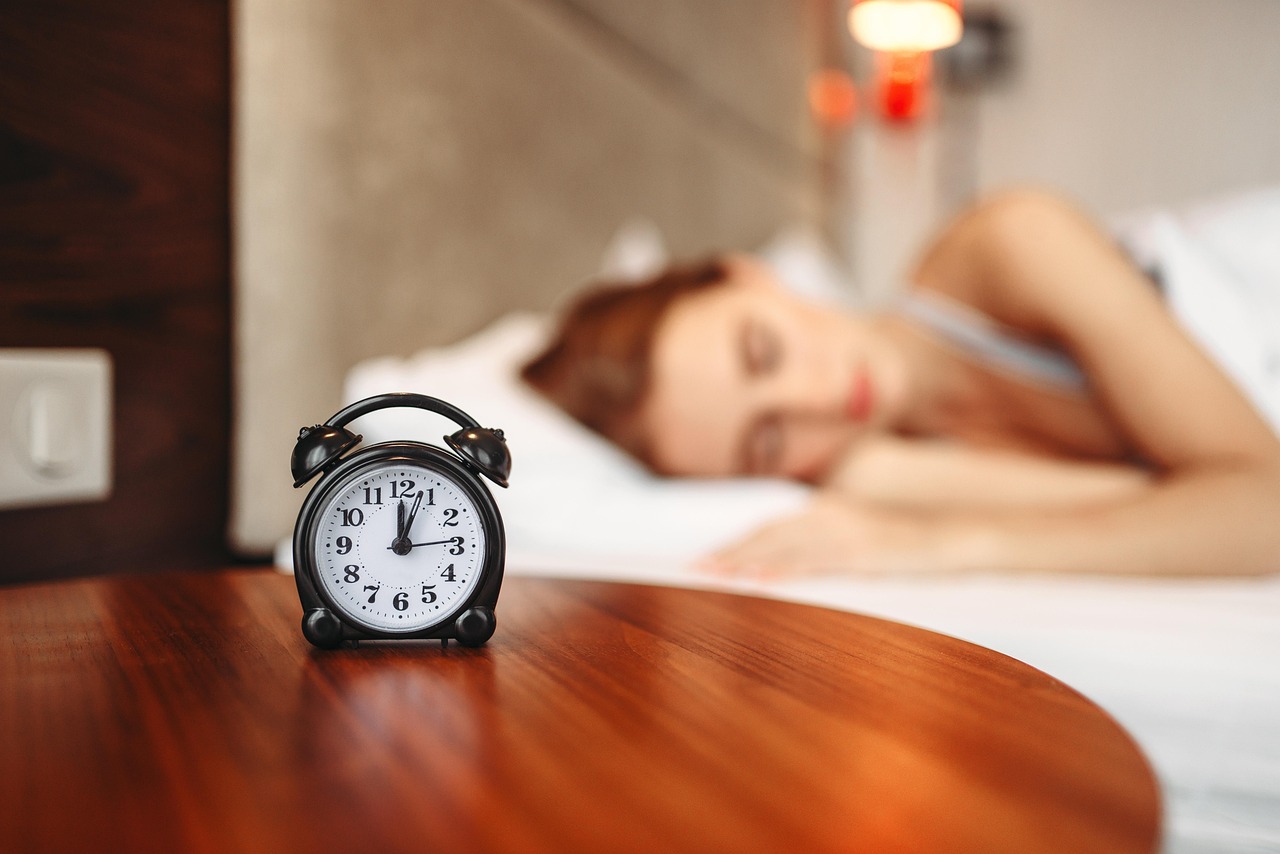
Quality sleep isn’t just about how many hours you spend in bed—it’s about aligning your body’s natural rhythms with smart, intentional habits. When you master the art of circadian balance, every morning becomes an opportunity to wake up feeling genuinely refreshed and energized.

Your bedroom holds the key to transforming your sleep quality, and the secret lies in tiny, consistent adjustments rather than dramatic overhauls. These micro-habits work with your body’s biological clock, creating an environment that signals your brain when it’s time to wind down and when it’s time to rise. Let’s explore how simple bedroom changes can revolutionize your sleep and help you reclaim your mornings.
Understanding Your Circadian Rhythm: The Foundation of Better Sleep 🌙
Your circadian rhythm is essentially your body’s internal 24-hour clock, regulating everything from hormone production to body temperature. This biological timekeeper responds primarily to light and darkness, telling your body when to feel alert and when to feel sleepy. When this rhythm falls out of sync, you experience poor sleep quality, morning grogginess, and daytime fatigue.
Modern life constantly challenges our circadian balance. Artificial lighting, screen time, irregular schedules, and even the temperature of our bedrooms can disrupt this delicate system. The good news? Your bedroom environment has tremendous power to either support or sabotage your natural sleep-wake cycle.
Research shows that people with well-regulated circadian rhythms not only sleep better but also experience improved mood, better cognitive function, and reduced risk of metabolic disorders. The micro-habits you implement in your bedroom directly influence how well your internal clock functions.
The Light Management Protocol: Your Most Powerful Sleep Tool ☀️
Light is the most influential external factor affecting your circadian rhythm. Your eyes contain specialized cells that detect light levels and send signals directly to your brain’s master clock. Managing light exposure in your bedroom isn’t just about blocking it out at night—it’s about strategic exposure throughout the day.
Morning Light Micro-Habits
Within 30 minutes of waking, expose yourself to bright light, preferably natural sunlight. Open your bedroom curtains immediately upon rising, or step outside for just five minutes. This simple action triggers cortisol production, suppresses residual melatonin, and sets your circadian clock for the day ahead.
If natural light isn’t accessible early in your routine, consider positioning a light therapy lamp near your bed. Turn it on when your alarm sounds, creating an artificial sunrise that gradually brings you into wakefulness. This micro-habit can be particularly transformative during winter months or for early risers who wake before dawn.
Evening Darkness Discipline
Two to three hours before your target bedtime, begin dimming lights throughout your bedroom and surrounding spaces. This gradual reduction in light intensity signals your pineal gland to start producing melatonin, the hormone that promotes sleep. Replace bright overhead lights with warmer, dimmer alternatives like bedside lamps with amber or red-tinted bulbs.
Blackout curtains or blinds represent one of the most valuable investments for sleep quality. Even small amounts of light penetrating your bedroom during sleep hours can suppress melatonin production and fragment your sleep cycles. Your bedroom should be dark enough that you can’t see your hand in front of your face.
Temperature Optimization: Creating Your Cool Sleep Sanctuary ❄️
Your core body temperature naturally drops as you prepare for sleep and reaches its lowest point in the early morning hours. This temperature decline is actually a critical signal that helps initiate and maintain sleep. By adjusting your bedroom temperature, you can support this natural process.
The optimal bedroom temperature for most people falls between 60-67°F (15-19°C). This might feel cooler than you’re accustomed to, but cooler environments facilitate the body temperature drop necessary for quality sleep. Your extremities may feel cold initially, which is why keeping hands and feet warm with socks or a light blanket helps—warm extremities actually promote heat loss from your core.
Implement a micro-habit of adjusting your thermostat or opening a window 30 minutes before bedtime. This preemptive cooling ensures your bedroom reaches optimal temperature by the time you’re ready to sleep. During warmer months, a fan provides both temperature regulation and white noise benefits.
The Blue Light Battlefield: Winning Against Screen Interference 📱
Blue wavelength light, emitted abundantly by phones, tablets, computers, and LED lights, poses a particular threat to circadian balance. This light spectrum is especially effective at suppressing melatonin production, essentially tricking your brain into thinking it’s still daytime.
Create a firm micro-habit boundary: no screens in bed, period. Designate your bedroom as a screen-free sanctuary at least one hour before sleep. This single change can dramatically improve both sleep onset speed and overall sleep quality. If you must use devices in the evening, enable night mode settings that reduce blue light emission.
Replace nighttime phone scrolling with alternatives that don’t disrupt circadian rhythms. Keep a physical book, journal, or puzzle on your nightstand. These analog activities provide relaxation without the circadian-disrupting effects of screens. Your brain will quickly adapt to these new pre-sleep rituals.
Sound Environment Architecture: Crafting Your Acoustic Sleep Space 🎵
While light receives most attention in sleep discussions, your bedroom’s sound environment significantly impacts sleep quality and circadian health. Inconsistent or disruptive noises fragment sleep cycles, preventing you from reaching the deeper sleep stages crucial for physical restoration and memory consolidation.
White noise machines or apps can mask irregular environmental sounds that might otherwise wake you. The consistent sound frequency creates a stable acoustic backdrop that helps maintain uninterrupted sleep cycles. Position these devices strategically to provide even sound distribution without being positioned directly near your head.
If you live in a particularly noisy environment, high-quality earplugs designed specifically for sleep can be transformative. Modern sleep earplugs reduce disruptive frequencies while maintaining your ability to hear important sounds like alarms or emergencies. This micro-habit ensures environmental noise doesn’t sabotage your circadian restoration.
Bedtime Consistency: The Non-Negotiable Circadian Anchor ⏰
Perhaps no single micro-habit impacts circadian health more profoundly than sleep schedule consistency. Your body craves predictability, and maintaining regular sleep and wake times—even on weekends—dramatically strengthens your circadian rhythm.
Choose a bedtime that allows for 7-9 hours of sleep before you need to wake, then protect that schedule with fierce commitment. Set a recurring alarm not just for waking, but also for beginning your wind-down routine. This “bedtime alarm” serves as your cue to start dimming lights, reducing stimulation, and initiating pre-sleep rituals.
The circadian benefits of schedule consistency accumulate over time. After two to three weeks of consistent sleep-wake times, most people notice significantly improved sleep onset, fewer nighttime awakenings, and more natural morning alertness. Your body begins anticipating sleep and wake times, producing appropriate hormones at the right moments.
The Pre-Sleep Ritual Framework: Programming Your Sleep Switch 🛀
A consistent pre-sleep routine acts as a powerful signal to your brain that sleep is approaching. These ritualized micro-habits create a psychological and physiological transition from wakefulness to sleep readiness, supporting your circadian system’s natural evening shift.
Design a 30-60 minute wind-down sequence that remains consistent each night. This might include light stretching, reading, gentle music, meditation, or journaling. The specific activities matter less than the consistency and the calming nature of the routine. Your brain will begin associating these activities with sleep preparation, triggering appropriate neurochemical changes.
Include a brief bedroom preparation step in your routine: fluffing pillows, adjusting temperature, checking that curtains are properly closed, and ensuring your phone is charging outside the bedroom. These physical actions reinforce that your bedroom is exclusively for sleep, strengthening the mental association between your sleep space and rest.
Bedroom Design Elements That Support Circadian Health 🛏️
Your bedroom’s physical environment communicates messages to your brain about the purpose of the space. When your bedroom doubles as an office, entertainment center, or dining area, your brain receives conflicting signals about whether this space is for activity or rest.
Implement the micro-habit of maintaining bedroom exclusivity for sleep and intimacy only. Remove work materials, exercise equipment, and entertainment devices. This spatial boundary reinforces the psychological association between your bedroom and sleep, making it easier for your brain to shift into rest mode when you enter the space.
Color psychology also plays a subtle but meaningful role. Cool, muted tones like soft blues, greens, and grays promote relaxation more effectively than vibrant, stimulating colors. If repainting isn’t feasible, introduce these calming tones through bedding, curtains, or wall art. These visual cues contribute to the overall calming atmosphere that supports circadian wind-down.
Strategic Caffeine and Meal Timing: External Circadian Influencers ☕
What you consume and when you consume it significantly impacts your circadian rhythm. Caffeine has a half-life of 5-6 hours, meaning half the caffeine from your afternoon coffee is still active in your system hours later, potentially interfering with sleep onset and quality.
Adopt the micro-habit of establishing a personal caffeine curfew, typically 8-10 hours before bedtime. For most people, this means no caffeine after 2:00 PM. This timing ensures caffeine metabolism is sufficiently advanced by bedtime, allowing natural sleep pressure to build without interference.
Similarly, large meals close to bedtime can disrupt sleep by increasing core body temperature and requiring digestive energy when your body should be redirecting resources toward restoration. Finish significant meals at least 3 hours before bed, allowing for adequate digestion. If you need an evening snack, choose sleep-supporting options like foods containing tryptophan or magnesium.
Morning Activation Protocol: Starting Your Day Right Powers Better Nights 🌅
Your morning habits directly influence how well you sleep the following night. A sluggish, inconsistent morning routine weakens circadian signals, making it harder to achieve quality sleep when bedtime arrives. Morning micro-habits set the tone for your entire circadian cycle.
Wake at the same time daily, regardless of when you fell asleep. This consistency is crucial—sleeping in disrupts your circadian rhythm far more than going to bed later occasionally. Your wake time serves as the primary anchor for your entire sleep-wake cycle, so prioritize consistency here above all else.
Immediately upon waking, engage in activities that increase alertness: exposure to bright light, light physical movement, hydration, and perhaps a cool shower. These actions signal to your body that it’s time for activity, creating a clear delineation between sleep and wake states. This morning clarity makes evening wind-down more effective by establishing a strong circadian contrast.
Tracking and Adjusting: The Continuous Improvement Approach 📊
Implementing micro-habits without measurement makes it difficult to assess what’s working. Simple sleep tracking provides valuable feedback about which bedroom changes most effectively improve your circadian balance and sleep quality.
Keep a basic sleep journal noting bedtime, wake time, sleep quality rating, and any factors that might have influenced your sleep. After two weeks, patterns typically emerge revealing which micro-habits deliver the greatest impact for your unique physiology. This personalized data allows you to refine your approach continuously.
Remember that circadian optimization is a gradual process. Don’t attempt implementing every micro-habit simultaneously. Instead, introduce one or two changes weekly, allowing your body time to adapt. This incremental approach prevents overwhelm and makes it easier to identify which specific changes most benefit your sleep.
Breaking Through Common Obstacles and Sleep Myths 💪
Many people struggle with bedroom micro-habits because they’re operating under misconceptions about sleep. One prevalent myth suggests you can “catch up” on sleep during weekends. In reality, irregular sleep schedules disrupt circadian rhythms, making this approach counterproductive despite the additional hours.
Another common obstacle is the belief that you need complete silence for quality sleep. While disruptive irregular noises certainly fragment sleep, consistent ambient sound actually supports sleep maintenance for many people. Experiment with different sound environments to discover what works for your individual needs.
Some individuals resist earlier bedtimes, claiming to be “night owls” by nature. While chronotypes do vary, modern lifestyle factors often create artificial night owl tendencies. When you consistently implement light management and schedule consistency, many people discover their natural sleep timing is earlier than their current habits suggest.
Your 30-Day Bedroom Transformation Plan 🎯
Sustainable change happens through gradual implementation. Here’s a practical 30-day framework for transforming your bedroom into a circadian-supporting sleep sanctuary:
Week 1: Establish consistent sleep and wake times. Install blackout curtains or wear a sleep mask. Remove all screens from your bedroom one hour before sleep.
Week 2: Optimize bedroom temperature to 60-67°F. Implement morning light exposure immediately upon waking. Begin a simple 15-minute pre-sleep routine.
Week 3: Add white noise or ensure acoustic consistency. Establish your caffeine curfew. Expand your wind-down routine to 30 minutes with calming activities.
Week 4: Fine-tune bedroom design elements, removing non-sleep-related items. Introduce strategic evening light dimming. Begin tracking sleep quality to identify further optimization opportunities.
By following this progressive approach, you allow your circadian system to gradually adapt without overwhelming your routine. Each week builds upon the previous changes, creating a comprehensive sleep transformation through manageable micro-habits.

Embracing Your Sleep Transformation Journey ✨
Transforming your sleep through bedroom micro-habits isn’t about perfection—it’s about consistent, intentional choices that honor your body’s natural rhythms. Each small adjustment you make compounds over time, creating profound improvements in both sleep quality and daytime vitality.
The beauty of micro-habits lies in their sustainability. Unlike dramatic lifestyle overhauls that often fail within weeks, these small bedroom adjustments integrate seamlessly into existing routines. You’re not adding complicated protocols; you’re making thoughtful tweaks to your environment and behaviors that work with your circadian biology rather than against it.
As you implement these strategies, pay attention to how your body responds. Sleep needs vary individually, and the most effective approach combines evidence-based principles with personal experimentation. Trust the process, remain consistent with your chosen micro-habits, and give your circadian system time to recalibrate.
Your bedroom should be your sleep sanctuary—a space that signals rest, promotes circadian balance, and supports the deep, restorative sleep your body needs. By implementing these micro-habits, you’re not just improving your nights; you’re transforming your days, your health, and your overall quality of life. Start tonight with one simple change, and watch as better sleep becomes your new normal.