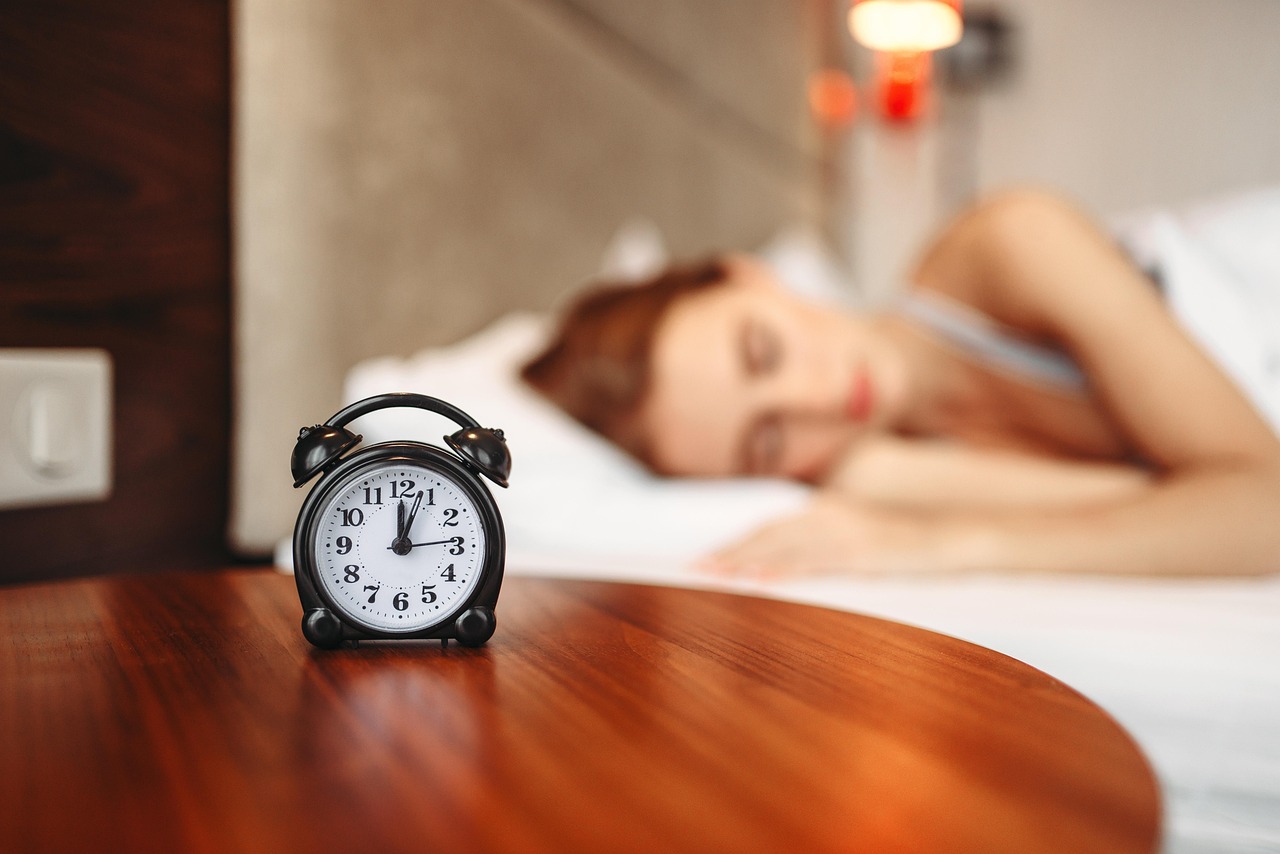
Working night shifts can be challenging, especially when it comes to getting quality sleep during daylight hours. Your bedroom environment plays a crucial role in determining how well you rest and recover between shifts.

Creating a sleep sanctuary specifically designed for day sleeping requires intentional preparation and smart adjustments to counteract natural light, noise, and your body’s circadian rhythm. The good news is that with some strategic modifications, you can transform your bedroom into the perfect retreat that supports restorative sleep, no matter what time you need to rest.
🌙 Understanding the Unique Sleep Challenges of Night Shift Workers
Night shift workers face distinct obstacles that traditional sleepers don’t encounter. Your body’s internal clock, or circadian rhythm, is naturally programmed to be awake during daylight and sleep when it’s dark. Fighting against this biological programming requires more than just willpower—it demands environmental modifications that trick your body into recognizing sleep time.
Research shows that night shift workers often experience reduced sleep quality, shorter sleep duration, and increased sleep fragmentation. The world around you continues to operate on a daytime schedule, with neighborhood activities, traffic noise, and sunlight all working against your need for rest. Understanding these challenges is the first step toward addressing them effectively.
Mastering Darkness: The Foundation of Day Sleep Success
Light is the most powerful regulator of your circadian rhythm, making darkness absolutely essential for quality daytime sleep. Even small amounts of light can suppress melatonin production, the hormone responsible for making you feel sleepy and maintaining sleep cycles throughout your rest period.
Blackout Solutions That Actually Work
Invest in high-quality blackout curtains or blinds that completely block external light. Look for curtains with a tight weave and consider double-layering them for maximum effectiveness. The best options extend beyond the window frame and have side channels that prevent light from sneaking around the edges.
For immediate results, blackout shades with suction cups or tension rods offer portable solutions that don’t require permanent installation. These are particularly useful for renters or those who travel between accommodations. Additionally, use draft stoppers or rolled towels at the bottom of your door to block light from hallways.
Addressing Hidden Light Sources 💡
Electronic devices create surprising amounts of ambient light that can disrupt your sleep. Cover or remove LED displays from alarm clocks, chargers, and other electronics. Use black electrical tape to cover small indicator lights, or simply relocate these devices to drawers or another room.
Consider installing dimmer switches that allow you to gradually reduce lighting as you prepare for sleep. This signals to your body that rest time is approaching, even when the sun is shining outside.
Creating Your Sound Barrier Against Daytime Noise
While the world sleeps quietly at night, daytime brings lawnmowers, delivery trucks, construction work, and active neighbors. Soundproofing your bedroom becomes essential for uninterrupted rest during unconventional hours.
White Noise and Sound Masking Strategies
White noise machines create consistent ambient sound that masks irregular noises from outside. Unlike music or nature sounds, white noise provides steady, predictable audio that your brain learns to ignore, making it easier to fall and stay asleep.
Fans serve double duty by providing both white noise and air circulation. Box fans, tower fans, or ceiling fans can create enough ambient sound to cover typical daytime disturbances while keeping your room at an optimal temperature.
Physical Soundproofing Enhancements
Heavy curtains don’t just block light—they also absorb sound. Thick, lined curtains with multiple layers help dampen external noise. Weather stripping around doors and windows prevents sound from entering through gaps and cracks.
Area rugs and carpet padding absorb sound vibrations, particularly important if you live in an apartment with neighbors below. Wall hangings, tapestries, and upholstered furniture also contribute to sound absorption, creating a quieter overall environment.
Temperature Control for Optimal Sleep Quality ❄️
Your body temperature naturally drops when you sleep, and maintaining a cool bedroom environment supports this physiological process. The ideal sleep temperature ranges between 60-67°F (15-19°C), though individual preferences may vary slightly.
Daytime sleeping presents unique temperature challenges since outdoor temperatures peak during your sleep hours. Air conditioning becomes more than a luxury—it’s a necessity for quality rest. If central air isn’t available, portable air conditioners or strategically placed fans can create comfortable conditions.
Invest in breathable, moisture-wicking bedding materials like bamboo, linen, or high-quality cotton. These fabrics help regulate body temperature and prevent night sweats that can disrupt sleep. Consider a cooling mattress pad or pillow designed specifically for temperature regulation.
Establishing Clear Sleep Boundaries and Household Communication
Your family, roommates, or housemates need to understand and respect your sleep schedule. Clear communication prevents misunderstandings and ensures everyone knows when you need uninterrupted quiet time.
Visual Sleep Indicators
Create obvious signals that you’re sleeping. A “Do Not Disturb” sign on your bedroom door, a designated door hanger, or even a specific item placed outside your room can communicate your sleep status to household members and visitors.
Establish technology boundaries by silencing your phone or using sleep mode settings that only allow emergency contacts through. Inform friends and family about your sleep schedule so they know when to expect responses to messages and calls.
Strategic Pre-Sleep Routine Development 🌅
Transitioning from work mode to sleep mode requires a consistent routine that signals to your body and mind that rest time has arrived. This becomes especially important when your sleep time conflicts with your natural circadian signals.
Light Exposure Management
After your shift ends, wear sunglasses during your commute home to minimize light exposure. This prevents sunlight from suppressing melatonin production and signaling to your brain that it’s time to be awake and alert.
Once home, keep lighting dim and warm-toned. Avoid blue light from phones, tablets, and computers for at least 30-60 minutes before bed. Blue light wavelengths are particularly effective at disrupting melatonin production and delaying sleep onset.
Relaxation Techniques That Support Sleep Transition
Develop a wind-down routine that includes relaxing activities. Light stretching, reading physical books, listening to calming music, or practicing meditation can help transition your mind from work stress to rest mode.
A warm bath or shower approximately 60-90 minutes before sleep can promote drowsiness. As your body temperature drops after leaving the warm water, it mimics the natural temperature decline that occurs before sleep, triggering sleepiness.
Nutrition and Hydration Timing for Better Sleep
What you consume and when you consume it significantly impacts sleep quality. Strategic meal and beverage timing can enhance your ability to fall asleep and stay asleep during daylight hours.
Pre-Sleep Meal Planning
Avoid heavy, fatty, or spicy meals within 2-3 hours of your intended sleep time. These foods can cause digestive discomfort and acid reflux that disrupts rest. Instead, opt for light, balanced meals that include complex carbohydrates and lean proteins.
Foods containing tryptophan, magnesium, and melatonin naturally support sleep. Consider small servings of nuts, turkey, bananas, or tart cherry juice as part of your pre-sleep routine. These provide nutrients that promote relaxation and drowsiness without causing digestive issues.
Caffeine Management Strategies ☕
Caffeine has a half-life of approximately 5-6 hours, meaning that half the amount you consume remains in your system for hours after consumption. Stop consuming caffeine at least 6-8 hours before your intended sleep time to prevent it from interfering with sleep onset.
Track your caffeine intake throughout your shift. What seems like necessary energy support during work can become a sleep obstacle if consumed too close to bedtime. Consider switching to decaffeinated beverages or herbal teas during the latter half of your shift.
Optimizing Your Sleep Surface and Bedding
Your mattress, pillows, and bedding materials directly affect sleep comfort and quality. Night shift workers spend significant time in bed during daylight hours, making these investments particularly valuable for long-term health and well-being.
Mattress Selection Considerations
The right mattress provides proper spinal alignment while distributing pressure evenly across your body. Side sleepers typically need softer surfaces that cushion shoulders and hips, while back and stomach sleepers often prefer firmer support.
Memory foam mattresses conform to your body shape and reduce motion transfer, beneficial if your partner maintains a different sleep schedule. Hybrid mattresses combine foam comfort with innerspring support, offering versatility for different sleeping positions.
Pillow and Bedding Essentials
Select pillows based on your primary sleeping position. Side sleepers need thicker, firmer pillows to maintain neck alignment, while back sleepers benefit from medium-thickness options. Replace pillows every 1-2 years as they lose support and accumulate allergens.
Choose sheets with thread counts between 300-500 for optimal comfort and breathability. Higher thread counts aren’t always better and can trap heat. Natural fabrics like cotton, linen, or bamboo regulate temperature better than synthetic materials.
Technology and Tools That Support Daytime Sleep 📱
Strategic use of sleep technology can enhance your bedroom environment and track sleep quality over time. However, avoid overwhelming yourself with too many devices or becoming anxious about sleep metrics.
Smart Home Integration
Smart plugs and home automation systems allow you to control lights, fans, and temperature remotely. Program these devices to automatically adjust conditions as your sleep time approaches, creating consistent environmental cues that support your sleep routine.
Smart thermostats learn your preferences and adjust temperature automatically. Set schedules that cool your bedroom before your arrival home and maintain optimal sleeping temperature throughout your rest period.
Sleep Tracking and Analysis
Wearable fitness trackers and dedicated sleep monitors provide insights into sleep duration, stages, and disruptions. While not medically precise, these devices help identify patterns and evaluate whether environmental changes improve your sleep quality.
Use sleep tracking data to make informed adjustments rather than obsessing over perfect scores. Look for trends over weeks rather than focusing on individual nights, as sleep quality naturally fluctuates.
Addressing Air Quality and Aromatherapy Benefits 🌿
The air you breathe while sleeping affects overall sleep quality and next-day alertness. Poor air quality contributes to congestion, allergies, and sleep disruptions that night shift workers can’t afford.
Air Purification Solutions
HEPA air purifiers remove dust, pollen, pet dander, and other airborne particles that trigger allergies and breathing difficulties. Place purifiers near your bed for maximum effectiveness, ensuring they have quiet operation modes suitable for sleep environments.
Maintain humidity levels between 30-50% using humidifiers or dehumidifiers as needed. Dry air irritates nasal passages and throats, while excessive humidity promotes mold growth and dust mites. Both extremes negatively impact sleep quality.
Strategic Aromatherapy Use
Lavender, chamomile, and bergamot essential oils have documented calming effects that promote relaxation and sleep. Use diffusers with automatic shut-off features or apply diluted oils to pillows and bedding before sleep.
Avoid strong, stimulating scents like peppermint or citrus in your sleep sanctuary. These fragrances increase alertness rather than promoting relaxation, working against your goal of restful daytime sleep.
Maintaining Your Sleep Sanctuary for Long-Term Success
Creating an optimal sleep environment isn’t a one-time project but an ongoing commitment. Regular maintenance and periodic adjustments ensure your bedroom continues supporting quality rest as seasons change and your needs evolve.
Regular Cleaning and Allergen Control
Wash bedding weekly in hot water to eliminate dust mites, dead skin cells, and allergens. Vacuum your mattress monthly and flip or rotate it according to manufacturer recommendations to prevent uneven wear and maintain support.
Dust surfaces, clean air purifier filters, and wash curtains regularly. These maintenance tasks prevent allergen accumulation that degrades air quality and causes sleep disruptions.
Seasonal Adjustments and Optimization
Reassess your bedroom setup as seasons change. Summer may require additional cooling measures or lighter bedding, while winter demands warmer layers and attention to dry indoor air. Daylight patterns also shift with seasons, potentially requiring adjustments to blackout solutions.
Periodically evaluate whether your sleep environment continues meeting your needs. Life changes, health conditions, and work schedule modifications may necessitate new strategies or equipment upgrades.
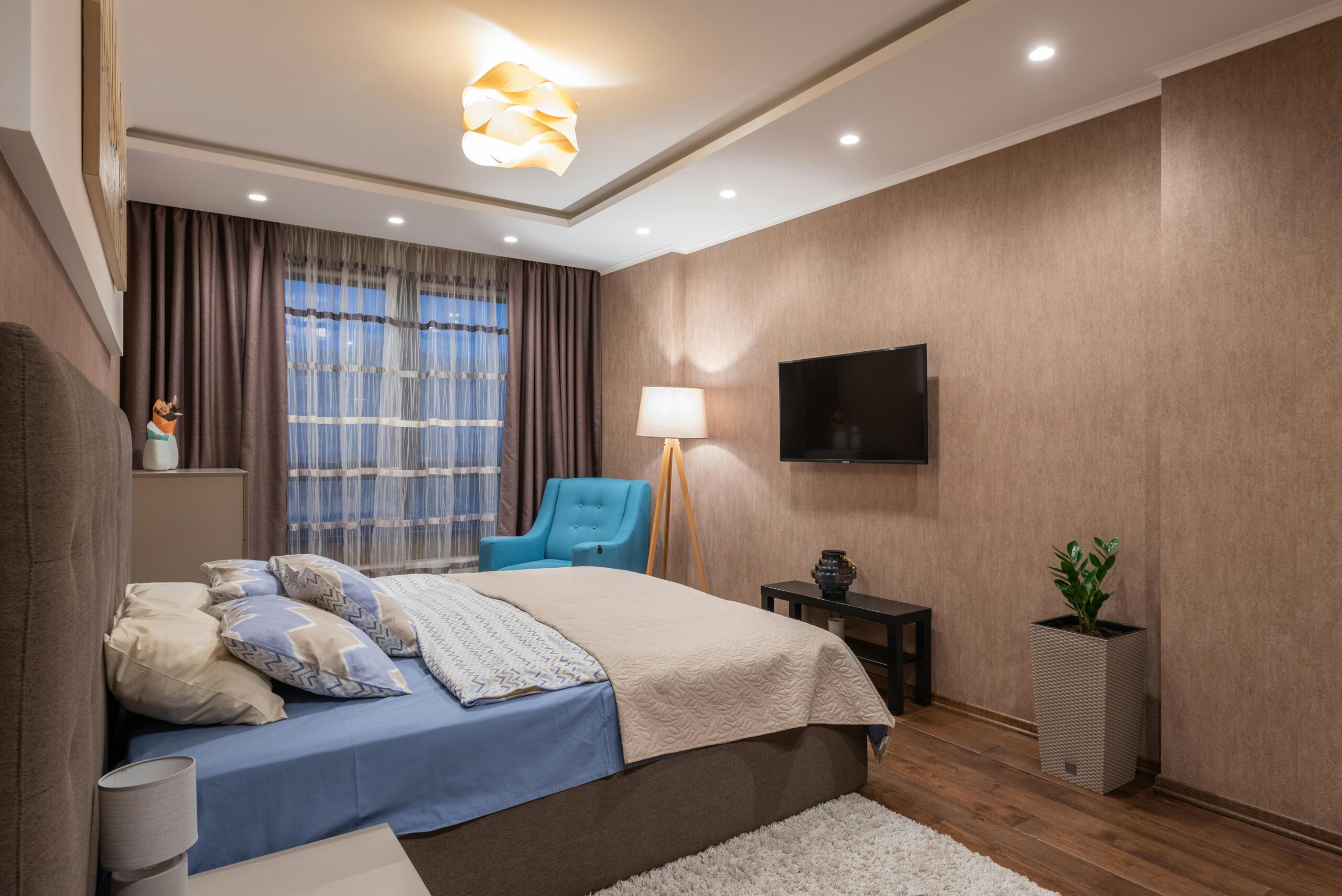
Your Path to Restorative Daytime Sleep Begins Now 🛏️
Transforming your bedroom into a sleep sanctuary designed specifically for night shift work doesn’t require expensive renovations or complicated systems. Strategic modifications targeting light control, noise reduction, temperature regulation, and consistent routines create the foundation for restorative rest.
Start with the most impactful changes first—blackout solutions and white noise devices provide immediate benefits with relatively modest investments. Gradually layer additional improvements as you identify specific challenges affecting your personal sleep quality.
Remember that quality sleep directly impacts your health, safety, job performance, and overall life satisfaction. Prioritizing your sleep environment isn’t selfish or excessive—it’s essential self-care that enables you to thrive despite the challenges of working against your natural circadian rhythm.
Implement these preparation tips systematically, give each change time to demonstrate effects, and remain patient with yourself as you discover what works best for your unique situation. Your dedication to creating an optimal sleep sanctuary will pay dividends in improved rest, better health, and enhanced quality of life both during and beyond your night shift career.