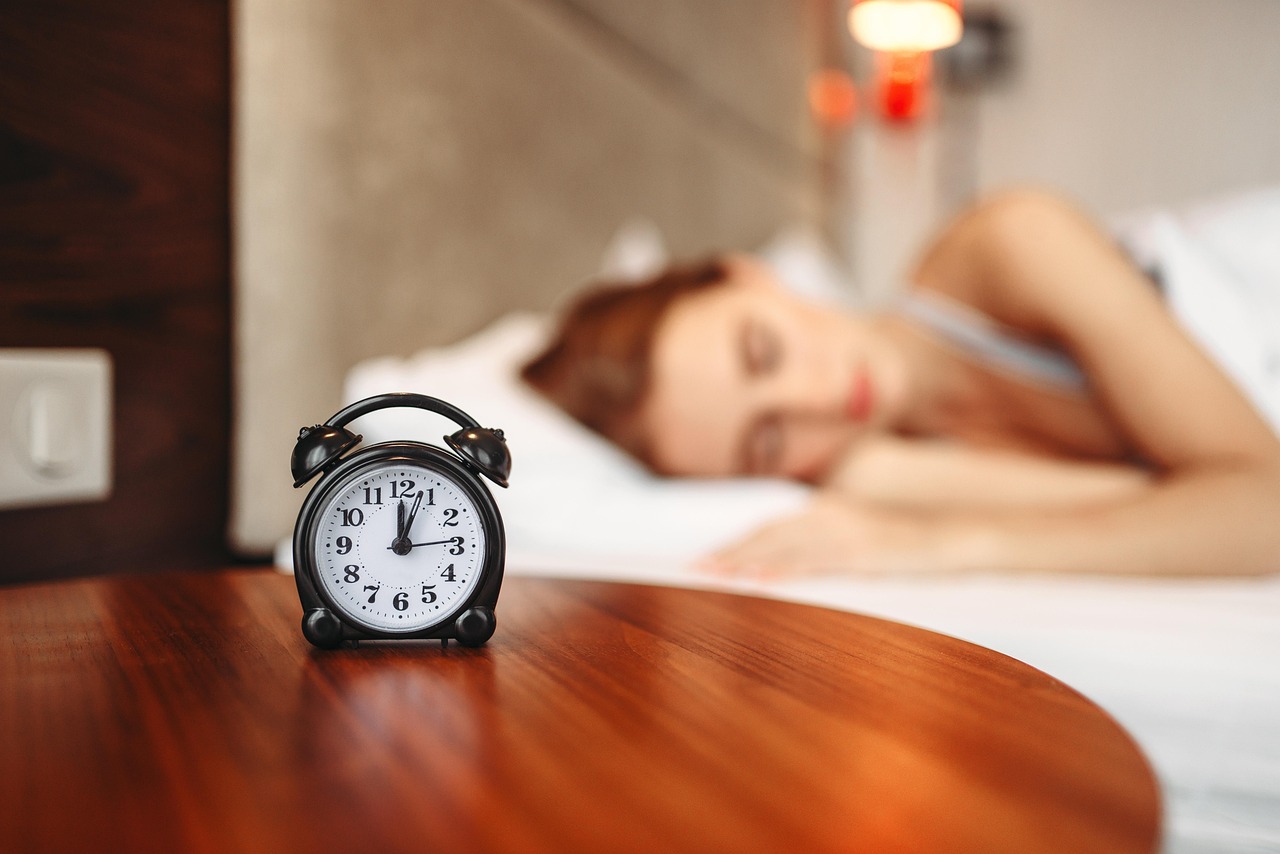
Quality sleep is one of the most fundamental pillars of good health, yet millions of people struggle to achieve it. Environmental factors like light and noise can significantly disrupt our natural sleep cycles, leaving us tired and unfocused.

Fortunately, simple tools like sleep masks and earplugs offer practical solutions to common sleep disturbances. When used correctly, these accessories can transform your sleep environment and help you achieve the deep, restorative rest your body needs. Understanding how to use them safely and effectively is essential for maximizing their benefits while avoiding potential risks.
This comprehensive guide will walk you through everything you need to know about incorporating sleep masks and earplugs into your bedtime routine. From selecting the right products to implementing best practices, you’ll discover how these simple accessories can dramatically improve your sleep quality and overall well-being.
🌙 The Science Behind Sleep Masks and Darkness
Our bodies are designed to sleep in darkness. When light enters our eyes, even through closed eyelids, it signals to our brain that it’s time to be awake. This light exposure suppresses melatonin production, the hormone responsible for regulating our sleep-wake cycle.
Sleep masks create complete darkness, allowing your pineal gland to produce optimal levels of melatonin. Research has consistently shown that sleeping in total darkness leads to deeper, more restorative sleep phases. This is particularly important for people who work night shifts, travel across time zones, or live in urban environments with significant light pollution.
The benefits extend beyond just falling asleep faster. Studies indicate that consistent darkness during sleep improves sleep architecture, meaning you spend more time in the crucial REM and deep sleep stages. These phases are essential for memory consolidation, emotional regulation, and physical recovery.
Understanding the Benefits of Sound Isolation
Just as darkness signals sleep to our bodies, silence creates the optimal auditory environment for rest. Noise pollution is a significant but often overlooked sleep disruptor. Traffic sounds, snoring partners, loud neighbors, or even household appliances can fragment sleep without fully waking you.
Earplugs reduce ambient noise levels, creating a buffer between you and disruptive sounds. This doesn’t mean complete silence—which some people find unsettling—but rather a reduction in sudden, jarring noises that trigger arousal responses during sleep.
The protective effect of earplugs goes beyond immediate sleep quality. Chronic exposure to nighttime noise has been linked to increased stress hormones, elevated blood pressure, and cardiovascular issues. By using earplugs consistently, you’re not just improving tonight’s sleep; you’re investing in long-term health outcomes.
🛡️ Choosing the Right Sleep Mask for Your Needs
Not all sleep masks are created equal. The market offers various styles, each designed for different preferences and sleeping positions. Understanding these options helps you select a mask that you’ll actually want to wear consistently.
Materials Matter: Finding Your Perfect Fabric
Sleep mask materials significantly impact comfort and effectiveness. Cotton masks are breathable and soft, making them ideal for warm climates or hot sleepers. Silk options offer luxurious smoothness and natural temperature regulation while being gentle on delicate facial skin and preventing sleep wrinkles.
Memory foam masks conform to your face shape, creating a personalized fit that blocks light more effectively. However, they may retain more heat than natural fabrics. Synthetic materials like polyester are often more affordable and durable but may not breathe as well during extended use.
Design Features That Enhance Comfort
Modern sleep masks incorporate thoughtful design elements that address common complaints. Contoured masks feature molded cups around the eyes, allowing you to blink freely and preventing pressure on your eyeballs. This design is particularly beneficial for people who experience REM sleep with noticeable eye movement.
Adjustable straps ensure your mask stays in place without being too tight. Look for wide, soft elastic bands or Velcro closures that won’t tangle in your hair or leave marks on your face. Some premium models include nose bridges or moldable sections that eliminate light leakage from the bottom edge.
Weighted sleep masks have gained popularity recently, offering gentle pressure that some users find calming and anxiety-reducing. The light compression may stimulate relaxation responses similar to those triggered by weighted blankets.
Selecting Safe and Comfortable Earplugs
Earplug selection involves balancing noise reduction effectiveness with comfort and ear health. Different materials and designs serve different purposes, and understanding these distinctions helps you make informed choices.
Foam Earplugs: Affordable and Effective
Foam earplugs are the most common and budget-friendly option. Made from compressible polyurethane or PVC foam, they expand to fill your ear canal after insertion. They typically offer noise reduction ratings (NRR) between 29-33 decibels, making them highly effective.
However, foam earplugs are designed for single use or short-term reuse. They accumulate dirt, earwax, and bacteria quickly, so replacing them regularly is essential for ear health. They’re ideal for occasional use, travel, or situations where losing an earplug wouldn’t be costly.
Silicone and Wax Options for Sensitive Ears
Moldable silicone putty earplugs sit at the ear canal entrance rather than inserting deeply inside. This makes them comfortable for people with sensitive ear canals or those who find insertion uncomfortable. They’re reusable, washable, and particularly suitable for side sleepers since they don’t protrude.
Wax earplugs, often combined with cotton, offer similar benefits to silicone putty. They’re naturally antimicrobial and provide moderate noise reduction while maintaining awareness of important sounds like alarms or crying children.
Reusable Earplugs for Long-Term Use
High-quality reusable earplugs made from medical-grade silicone or thermoplastic elastomer offer sustainable, cost-effective solutions for regular users. They feature various flange designs that create seals at different depths within the ear canal.
Many reusable models include filters that reduce specific frequency ranges while allowing speech and alarms to remain audible. This selective noise reduction is particularly valuable for light sleepers who need protection from ambient noise but can’t afford to sleep through important sounds.
⚠️ Safety Considerations and Potential Risks
While sleep masks and earplugs are generally safe when used properly, awareness of potential issues helps you avoid complications and use these tools responsibly.
Ear Health and Earplug Safety
The most significant risk associated with earplug use is ear infection. Inserting earplugs with dirty hands or reusing disposable earplugs introduces bacteria into the ear canal. Always wash your hands before handling earplugs and follow manufacturer guidelines for cleaning reusable options.
Pushing earplugs too deeply can impact earwax further into the canal, potentially causing blockages, discomfort, or temporary hearing reduction. Insert earplugs only as far as necessary to create a seal, and never use objects to push them deeper.
People with existing ear conditions, frequent infections, or perforated eardrums should consult healthcare providers before regular earplug use. In some cases, alternative noise management strategies may be more appropriate.
Sleep Mask Considerations
Sleep masks pose fewer health risks than earplugs, but proper hygiene remains important. Masks collect oils, dead skin cells, and cosmetic residue, creating environments where bacteria can thrive. Wash your mask regularly according to material-specific instructions.
Overly tight masks can cause eye strain, headaches, or pressure marks. Your mask should stay in place with gentle, even pressure rather than tight constriction. If you wake with headaches or eye discomfort, adjust the fit or try a different style.
People with certain eye conditions, recent eye surgery, or glaucoma should discuss sleep mask use with their ophthalmologist. In most cases, masks are safe, but individual circumstances may require special considerations.
🎯 Best Practices for Effective Use
Knowing how to properly use sleep accessories maximizes their benefits and ensures safety. These practical tips help you integrate masks and earplugs seamlessly into your sleep routine.
Proper Insertion Technique for Earplugs
Most people don’t insert foam earplugs correctly, significantly reducing their effectiveness. Roll the earplug into a thin, compressed cylinder before insertion. Reach over your head with the opposite hand and gently pull your ear up and back to straighten the ear canal. Insert the compressed earplug and hold it in place for 30-45 seconds while it expands.
For silicone or wax earplugs, warm them slightly between your fingers to increase pliability. Mold them to cover the ear canal opening without forcing them inside. The seal should feel complete but not uncomfortable.
Reusable flanged earplugs should be inserted with a slight twisting motion. The multiple flanges will naturally find the appropriate depth for your ear canal anatomy. Different sizes typically work better for different people, so don’t hesitate to experiment.
Optimizing Sleep Mask Comfort
Put your sleep mask on before turning off the lights to ensure proper positioning. The mask should cover your eyes completely without touching your eyelashes or pressing on your eyeballs. Adjust the strap to the loosest setting that keeps the mask in place.
If you sleep on your side, ensure your mask doesn’t shift or create pressure points against your pillow. Contoured masks typically perform better for side sleepers. Some people find that silk or satin pillowcases reduce friction and keep masks positioned correctly.
Apply the mask after completing your skincare routine to avoid transferring products onto the fabric. Allow moisturizers or treatments to absorb fully before putting on your mask.
Creating a Complete Sleep Environment Strategy 😴
Sleep masks and earplugs work best as components of a comprehensive sleep hygiene approach. Combining these tools with other environmental optimizations amplifies their effectiveness.
Temperature and Airflow Management
The ideal sleep temperature ranges between 60-67°F (15-19°C) for most people. Cooler temperatures promote natural body temperature drops that signal sleep readiness. Ensure adequate ventilation while using sleep masks and earplugs, as blocked sensory input makes temperature regulation feedback less immediate.
Consider breathable bedding materials that wick moisture and regulate temperature. Natural fibers like cotton, linen, or bamboo work synergistically with sleep accessories to create optimal conditions.
Establishing Consistent Routines
Your body responds powerfully to routine. Using your sleep mask and earplugs at the same time each night trains your brain to associate these cues with sleep onset. This conditioning effect strengthens over time, making falling asleep faster and easier.
Develop a wind-down sequence that incorporates putting on your sleep accessories as one of the final steps. This might include dimming lights, gentle stretching, meditation, or reading. The ritual itself becomes a powerful sleep trigger.
Special Situations: Travel, Shift Work, and Co-Sleeping
Certain circumstances make sleep masks and earplugs especially valuable. Understanding how to adapt their use for specific situations maximizes their utility.
Mastering Sleep During Travel
Air travel and hotel stays present unique sleep challenges. Cabin lights, engine noise, and unfamiliar environments all disrupt rest. Combining a high-quality sleep mask with noise-reducing earplugs creates a portable sleep sanctuary.
Pack sleep accessories in your carry-on rather than checked luggage to ensure availability immediately. Consider compression sacks to keep them clean and compact. Travel-specific masks often include features like built-in headphones or extra padding for upright sleeping.
Supporting Shift Workers and Irregular Schedules
People working non-traditional hours face particular sleep challenges. Daytime sleeping requires blocking environmental cues that promote wakefulness. Heavy-duty blackout sleep masks combined with high-NRR earplugs help create nighttime conditions regardless of clock time.
Shift workers should maintain consistency with sleep accessories even on days off when possible. This helps preserve circadian rhythm stability and reduces the health impacts associated with irregular sleep patterns.
Sleeping with a Partner
Partners with different sleep preferences or schedules can coexist peacefully with proper sleep accessories. If your partner snores, quality earplugs provide relief without requiring separate sleeping arrangements. If one person wakes earlier, sleep masks allow the other to continue sleeping despite lights being turned on.
Communication remains important. Ensure your partner knows you’re wearing earplugs in case of emergencies that require waking you. Some couples establish non-verbal signals or use vibrating alarm watches to avoid relying solely on auditory cues.
🧼 Maintenance and Hygiene Protocols
Proper care extends the life of your sleep accessories while protecting your health. Different materials require specific maintenance approaches.
Sleep Mask Cleaning Guidelines
Fabric sleep masks should be washed weekly or more frequently if you use nighttime skincare products. Most cotton and synthetic masks are machine-washable in gentle cycles with mild detergent. Place masks in mesh laundry bags to protect elastic components.
Silk masks require more delicate care. Hand wash with silk-specific detergent in cool water, then air dry completely. Never wring silk masks, as this damages the fibers. Some silk masks are dry-clean only, so check manufacturer instructions.
Memory foam masks typically have removable, washable covers. Clean the cover regularly but avoid saturating the foam itself, which can degrade with excessive moisture. Spot clean foam components if necessary and allow thorough drying.
Earplug Care and Replacement
Reusable earplugs should be cleaned after each use. Wash with mild soap and warm water, rinse thoroughly, and allow complete drying before storage. Store in ventilated cases that allow airflow and prevent moisture accumulation.
Inspect reusable earplugs regularly for signs of degradation. Cracks, tears, stiffness, or discoloration indicate it’s time for replacement. Even with proper care, most reusable earplugs should be replaced every 3-6 months.
Foam earplugs should be replaced after 3-5 uses or sooner if they become dirty, lose their expansion capacity, or show visible wear. The minimal cost of replacement makes frequent changes a worthwhile investment in ear health.
Recognizing When to Seek Professional Guidance
While sleep masks and earplugs are generally safe for independent use, certain situations warrant professional consultation. Recognizing these circumstances protects your health and ensures you’re addressing underlying issues appropriately.
Persistent sleep difficulties despite consistently using quality sleep accessories may indicate underlying sleep disorders requiring medical evaluation. Conditions like sleep apnea, restless leg syndrome, or chronic insomnia need professional diagnosis and treatment rather than symptomatic management alone.
If you experience ear pain, discharge, hearing changes, or ringing in your ears while using earplugs, discontinue use and consult a healthcare provider. These symptoms may indicate infection, earwax impaction, or other conditions requiring treatment.
Eye discomfort, vision changes, or persistent morning headaches related to sleep mask use should prompt evaluation by an eye care professional. While usually related to fit issues, these symptoms occasionally indicate conditions requiring attention.
💡 Enhancing Your Sleep Arsenal with Complementary Tools
Sleep masks and earplugs work synergistically with other sleep-promoting strategies and technologies. Understanding these complementary approaches helps you build a comprehensive rest optimization system.
White noise machines or apps provide consistent sound that masks disruptive noises without requiring earplugs. Some people find combining low-volume white noise with earplugs particularly effective, as it eliminates jarring sounds while maintaining subtle auditory input.
Smart home integration allows you to automate lighting, temperature, and sound environments. Schedule lights to dim gradually before bedtime and brighten gently in the morning, reducing reliance on sleep masks while still optimizing light exposure patterns.
Sleep tracking applications provide insights into how environmental changes affect your rest quality. Monitoring sleep patterns before and after implementing masks and earplugs offers objective feedback about their effectiveness for your specific situation.
Building Sustainable Sleep Habits for Long-Term Success
The ultimate goal extends beyond simply using sleep accessories. Developing sustainable habits that support consistent, high-quality rest creates lasting health benefits and improved quality of life.
Approach sleep improvement as a gradual process rather than expecting immediate transformation. Allow yourself time to adjust to sleep masks and earplugs, recognizing that comfort increases with consistent use. Most people need 5-7 nights to fully adapt to these accessories.
Track your progress through sleep journals or applications, noting factors that influence rest quality. This data helps you identify patterns, optimize your approach, and maintain motivation during the adjustment period.
Remember that sleep needs vary individually and change throughout life stages. What works perfectly now may require adjustment during different seasons, stress levels, or life circumstances. Remain flexible and willing to experiment with different products and techniques.
Quality sleep represents one of the most powerful interventions for physical health, mental clarity, and emotional well-being. Sleep masks and earplugs offer accessible, affordable, and effective tools for creating optimal rest conditions. By understanding proper selection, safe use, and maintenance of these accessories, you empower yourself to take control of your sleep environment and experience the profound benefits of truly restorative rest. Sweet dreams await in the comfortable darkness and peaceful quiet you’ve created! 🌟