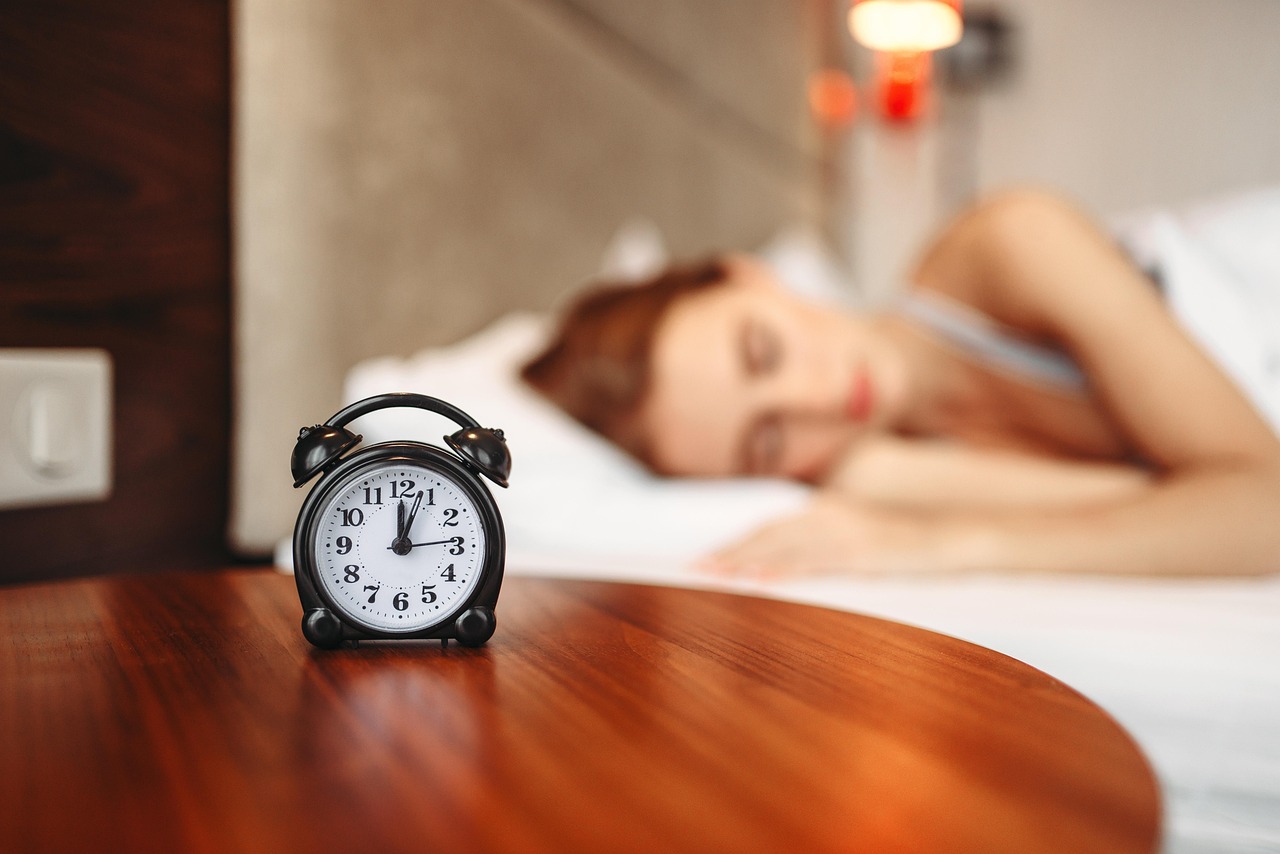
Sleep quality dramatically impacts every aspect of our daily lives, from cognitive function to emotional wellbeing. Yet millions struggle nightly to achieve the restorative rest their bodies desperately need.

The secret to transforming your sleep might not lie in another supplement or meditation app, but rather in two overlooked environmental factors: the scents surrounding you and the air circulating through your bedroom. These elements work synergistically to create optimal conditions for deep, uninterrupted sleep that leaves you genuinely refreshed each morning.
🌙 The Science Behind Sleep-Inducing Environments
Your bedroom environment communicates directly with your brain’s sleep centers through multiple sensory pathways. The olfactory system, responsible for processing scents, has direct neural connections to the limbic system—the emotional and memory center that regulates sleep-wake cycles. Meanwhile, proper airflow affects temperature regulation, oxygen levels, and the dispersal of sleep-disrupting particles.
Research published in chronobiology journals reveals that environmental optimization can reduce sleep latency by up to 45% and increase deep sleep phases by nearly 30%. These aren’t marginal improvements—they represent the difference between waking exhausted and rising energized.
The biological mechanisms are fascinating. When specific aromatic compounds enter your nasal passages, they trigger neurochemical responses that promote parasympathetic nervous system activation. This “rest and digest” state counteracts the stress-induced sympathetic responses that keep you wired at bedtime.
🌿 Strategic Scent Selection for Maximum Sleep Benefits
Not all pleasant aromas promote sleep equally. The most effective sleep-inducing scents share specific chemical properties that influence neurotransmitter production and brain wave patterns.
Lavender: The Gold Standard Sleep Scent
Lavender oil contains linalool and linalyl acetate—compounds clinically proven to reduce anxiety and lower heart rate. Multiple placebo-controlled studies demonstrate that lavender aromatherapy increases slow-wave sleep, the deepest and most restorative sleep phase. The scent works particularly well when introduced 30-45 minutes before your target sleep time.
For optimal results, use true lavender (Lavandula angustifolia) rather than lavandin or synthetic alternatives. The therapeutic compounds vary significantly between species and production methods.
Chamomile: Beyond the Bedtime Tea
While chamomile tea enjoys popularity as a sleep aid, the aromatic benefits of chamomile extend beyond oral consumption. Roman chamomile essential oil contains chamazulene and bisabolol, anti-inflammatory compounds that reduce cortisol levels and promote muscular relaxation.
Diffusing chamomile creates a gentle, apple-like fragrance that doesn’t overwhelm sensitive noses yet powerfully signals your nervous system to downregulate for sleep.
Cedarwood: The Underrated Sleep Champion
Cedarwood essential oil stimulates the pineal gland to release melatonin—your body’s primary sleep hormone. The warm, woody aroma also reduces respiratory rate, creating physiological conditions conducive to sleep onset. Cedarwood works especially well for individuals whose racing thoughts prevent sleep initiation.
Bergamot: Balancing Stress for Better Sleep
Unlike most citrus scents that energize, bergamot oil contains unique compounds that simultaneously reduce anxiety while preventing the grogginess some sedating scents can cause. This makes bergamot ideal for people who need to fall asleep quickly but wake alert for early commitments.
💨 Airflow Architecture: Creating Your Personal Sleep Climate
While scent provides chemical sleep signals, proper airflow creates the physical conditions that allow those signals to work effectively. Temperature regulation, humidity control, and air quality management all depend on strategic airflow design.
Temperature Optimization Through Circulation
Your core body temperature must drop approximately 2-3 degrees Fahrenheit to initiate sleep. Stagnant air prevents heat dissipation, keeping your body temperature elevated beyond the ideal sleep range of 60-67°F (15-19°C).
Strategic fan placement creates gentle air movement that facilitates this cooling process without creating uncomfortable drafts. Position fans to circulate air across your body rather than directly blowing on exposed skin, which can cause awakening through temperature shock.
The CO2 Problem Most People Ignore
In sealed bedrooms, carbon dioxide accumulates throughout the night as you exhale. Elevated CO2 levels cause sleep fragmentation, morning headaches, and that groggy feeling even after adequate sleep duration. Studies show bedroom CO2 can reach 2000+ ppm in poorly ventilated spaces—well above the 1000 ppm threshold where cognitive impairment begins.
Fresh air exchange through cracked windows, door gaps, or mechanical ventilation maintains CO2 below problematic levels. Even minimal airflow—barely perceptible movement—sufficiently refreshes bedroom air throughout the night.
Humidity’s Hidden Impact on Sleep Quality
Relative humidity between 40-60% optimizes respiratory comfort and prevents both dry-throat awakening and excessive perspiration. Airflow management directly affects bedroom humidity by preventing moisture accumulation from breathing and by facilitating evaporation.
In humid climates, increased air circulation prevents that clammy feeling that disrupts sleep. In dry environments, reduced airflow helps retain moisture while strategic humidifier placement distributes humidity evenly.
🔄 Integrating Scent and Airflow Systems
The magic happens when you combine aromatherapy with intelligent airflow design. These systems amplify each other’s benefits while minimizing potential drawbacks.
Diffusion Strategies That Actually Work
Traditional diffusers often oversaturate small areas while leaving other bedroom zones unscented. Strategic airflow carries aromatic molecules throughout your sleep space at therapeutic concentrations.
Place ultrasonic or nebulizing diffusers in the path of gentle air currents—near (not directly in front of) fan airflow or natural ventilation sources. This creates even scent distribution without the overwhelming intensity that causes olfactory fatigue and headaches.
Timing matters tremendously. Begin diffusion 30 minutes before bedtime, allowing scent molecules to reach optimal concentration by sleep time. Use intermittent diffusion cycles rather than continuous output—20 minutes on, 40 minutes off prevents desensitization while maintaining therapeutic presence.
Passive Scent Distribution Methods
For those sensitive to active diffusion, passive aromatherapy combined with airflow provides gentler benefits. Reed diffusers, scent sachets, or cotton balls with essential oils placed strategically allow natural air currents to distribute fragrance gradually.
Position passive scent sources where air naturally moves—near windows, doors, or circulation fans. The subtle, consistent delivery often works better for light sleepers than concentrated bursts from active diffusers.
📱 Technology-Enhanced Sleep Environment Control
Smart home technology now offers unprecedented control over sleep environmental factors. When integrated thoughtfully, these tools optimize both scent and airflow automatically based on real-time conditions.
Automated Climate Management
Smart thermostats programmed with sleep-specific temperature curves can coordinate with fans and ventilation systems to create ideal thermal conditions. Set your system to begin cooling 60-90 minutes before bedtime, reaching optimal sleep temperature exactly when you lie down.
Advanced systems integrate humidity sensors, adjusting ventilation rates to maintain the 40-60% sweet spot regardless of external weather conditions.
Smart Diffusers and Air Quality Monitors
Connected aromatherapy diffusers allow precise scheduling, intensity adjustment, and oil rotation without bedroom disruption. Program different scent profiles for weeknights versus weekends, or adjust concentrations based on stress levels tracked by wearable devices.
Air quality monitors measuring CO2, particulates, and volatile organic compounds provide data-driven insights into your bedroom environment. Many now integrate with ventilation systems, automatically increasing fresh air exchange when quality degrades.
🛏️ Practical Implementation: Your 30-Day Transformation Plan
Transforming your sleep environment works best through systematic experimentation rather than overnight changes. This progressive approach identifies what specifically works for your unique physiology and preferences.
Week 1: Baseline and Basic Airflow
Track your current sleep quality using consistent metrics—sleep latency, night awakenings, morning alertness rated 1-10. Make no changes; simply establish your baseline.
Simultaneously, assess current bedroom airflow. Is air stagnant? Do you wake hot or cold? Note CO2 levels if you have monitoring equipment, or simply crack a window and observe whether morning grogginess improves.
Week 2: Introducing Strategic Ventilation
Optimize airflow before adding aromatherapy. Position a quiet fan to create gentle circulation without direct body impact. Experiment with window positions if external noise permits. The goal is barely perceptible air movement—enough to prevent stagnation without creating disturbance.
Continue sleep tracking, noting any improvements in sleep quality metrics compared to your baseline week.
Week 3: Adding Sleep-Promoting Scents
With airflow optimized, introduce lavender aromatherapy. Begin conservatively—2-3 drops in a diffuser 30 minutes before bedtime. The scent should be present but not overwhelming when you enter your bedroom.
Pay attention to individual responses. Some people achieve deep sleep immediately; others need concentration or timing adjustments. If lavender causes headaches or doesn’t resonate, substitute chamomile or cedarwood.
Week 4: Refinement and Optimization
Fine-tune your integrated system based on three weeks of data. Adjust diffusion timing, scent intensity, airflow direction, and temperature settings. Consider scent rotation—alternating between two complementary oils prevents olfactory adaptation.
By week four, most people identify their optimal configuration, seeing measurable improvements in sleep latency, duration, and morning energy levels.
⚠️ Common Mistakes That Sabotage Sleep Environment Optimization
Well-intentioned efforts often fail due to predictable errors. Avoiding these pitfalls accelerates your path to transformative sleep.
Scent Overload Syndrome
More isn’t better with aromatherapy. Excessive concentrations trigger headaches, nasal irritation, and paradoxical arousal. If you smell your bedroom’s scent from the hallway, you’ve overdone it. Sleep-promoting aromatherapy should be subtle—noticeable when focused on but not dominating.
Inconsistent Implementation
Sporadic use prevents adaptation and makes assessment impossible. Commit to consistent application for minimum 14 consecutive nights before evaluating effectiveness. Your nervous system needs time to associate environmental cues with sleep.
Ignoring Air Quality Fundamentals
No amount of lavender compensates for poor basic air quality. Address dust, allergens, and chemical off-gassing before adding aromatherapy. Clean bedding weekly, vacuum regularly, and eliminate synthetic fragrances from laundry products that compete with therapeutic scents.
Wrong Airflow Direction
Fans pointed directly at your face disrupt sleep through sensory stimulation and drying effects. Position airflow to create ambient circulation rather than targeted cooling. Ceiling fans on low settings often work better than directional floor fans.
🌟 Advanced Strategies for Sleep Optimization Enthusiasts
Once you’ve mastered basics, these advanced techniques provide incremental improvements for those pursuing optimal sleep performance.
Chronobiological Scent Scheduling
Rotate scents based on sleep phases for targeted benefits. Use lavender during sleep onset, switch to cedarwood for deep sleep maintenance via timed diffuser, then introduce energizing rosemary 30 minutes before your wake time. This sophisticated approach requires programmable equipment but delivers phase-specific benefits.
Seasonal Airflow Adjustments
Optimal configurations shift with seasons. Summer requires increased circulation for cooling; winter needs gentle airflow that prevents dryness without chilling. Spring and fall often allow natural ventilation through windows, reducing mechanical system dependence.
Personalized Scent Blending
Create custom aromatherapy blends addressing your specific sleep challenges. Combine lavender with vetiver for racing thoughts, bergamot with ylang-ylang for anxiety-driven insomnia, or cedarwood with frankincense for stress-related sleep disruption. Maintain total essential oil drops constant while adjusting ratios.
🎯 Measuring Success: Beyond Subjective Feelings
Track objective metrics to validate your environmental improvements and guide ongoing optimization.
Sleep tracking technology—whether dedicated devices or smartphone apps—provides quantifiable data on sleep stages, efficiency, and consistency. Compare metrics across baseline, implementation, and optimization phases.
Morning cognitive performance tests offer functional validation. Track simple metrics like reaction time, memory recall, or mood ratings. Genuine sleep improvement manifests as measurable performance enhancement, not just feeling “more rested.”
Longitudinal tracking reveals patterns invisible in short-term observation. Monthly averages smooth daily variations, showing whether interventions produce sustained benefits or temporary placebo effects.

💡 Creating Your Sustainable Sleep Sanctuary
The most sophisticated system fails if not sustainable long-term. Build environmental optimization into effortless routines rather than requiring nightly effort and decision-making.
Automate what technology allows—scheduled diffusion, temperature adjustments, and airflow activation. For manual elements, create implementation triggers linking sleep environment preparation to existing habits like phone charging or tooth brushing.
Invest in quality tools that function reliably. Cheap diffusers that clog weekly or noisy fans that disturb sleep defeat the purpose. Mid-range equipment balancing performance and durability typically offers best long-term value.
Maintain flexibility as needs evolve. Seasonal changes, stress variations, and life transitions all affect sleep requirements. View your sleep environment as dynamic system requiring ongoing attention rather than one-time optimization.
The transformation from restless nights to restorative sleep doesn’t require pharmaceutical intervention or extreme measures. By strategically leveraging the power of sleep-promoting scents and intelligent airflow design, you create environmental conditions that work with your biology rather than against it. These natural, non-invasive approaches address root causes of poor sleep—environmental impediments to natural rest cycles—rather than merely masking symptoms. Your bedroom becomes a personalized sleep sanctuary where every sensory element conspires toward one goal: the deep, rejuvenating rest that transforms not just your nights, but every waking hour that follows.