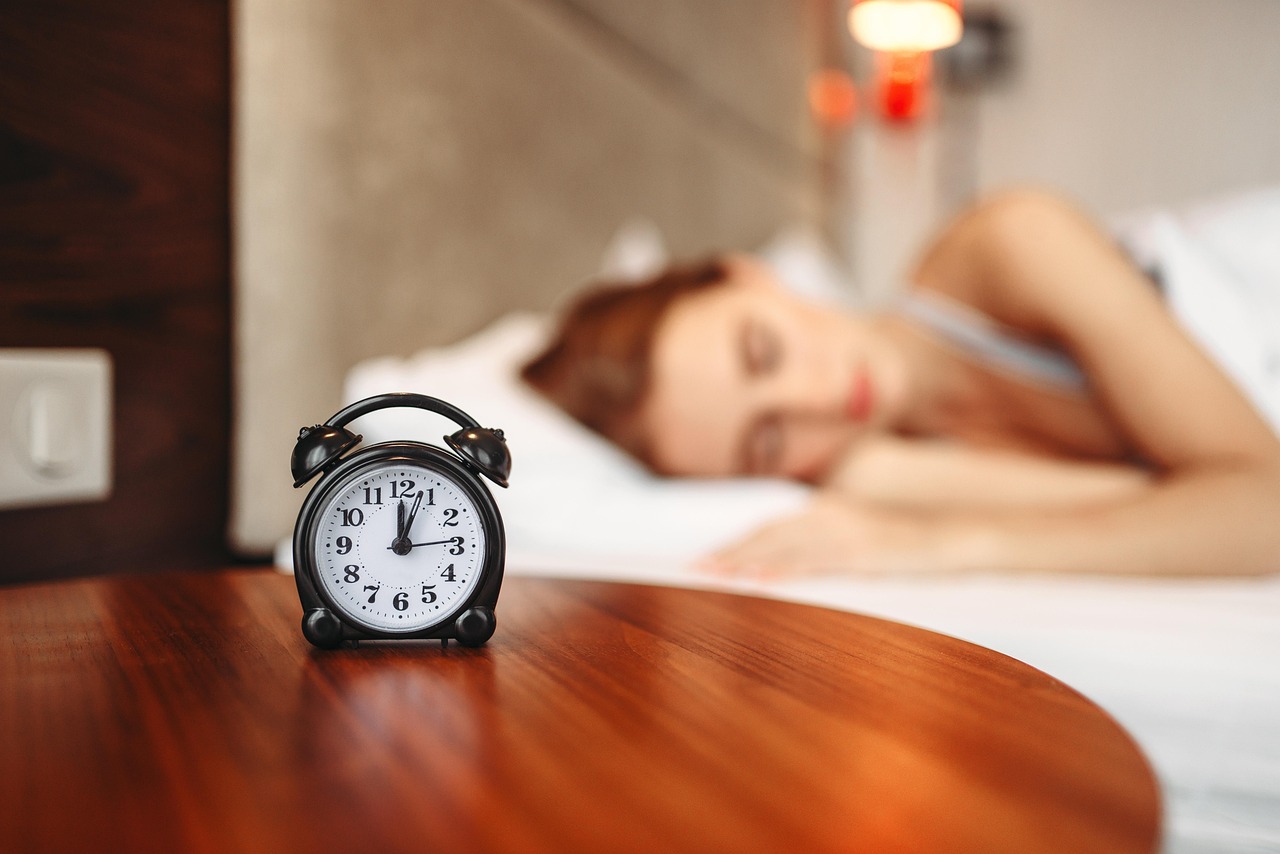
Quality sleep is essential for shift workers who face the unique challenge of resting during daylight hours. Noise pollution can severely disrupt your circadian rhythm and prevent the restorative sleep your body desperately needs after unconventional work schedules.

Creating a peaceful bedroom sanctuary requires more than just drawing the curtains. For those working night shifts, rotating schedules, or early mornings, controlling unwanted sounds becomes a critical component of sleep hygiene. The good news is that with the right strategies and tools, you can transform even the noisiest daytime environment into a sleep-friendly haven that rivals the quiet of midnight.
🔇 Understanding the Shift Worker’s Noise Challenge
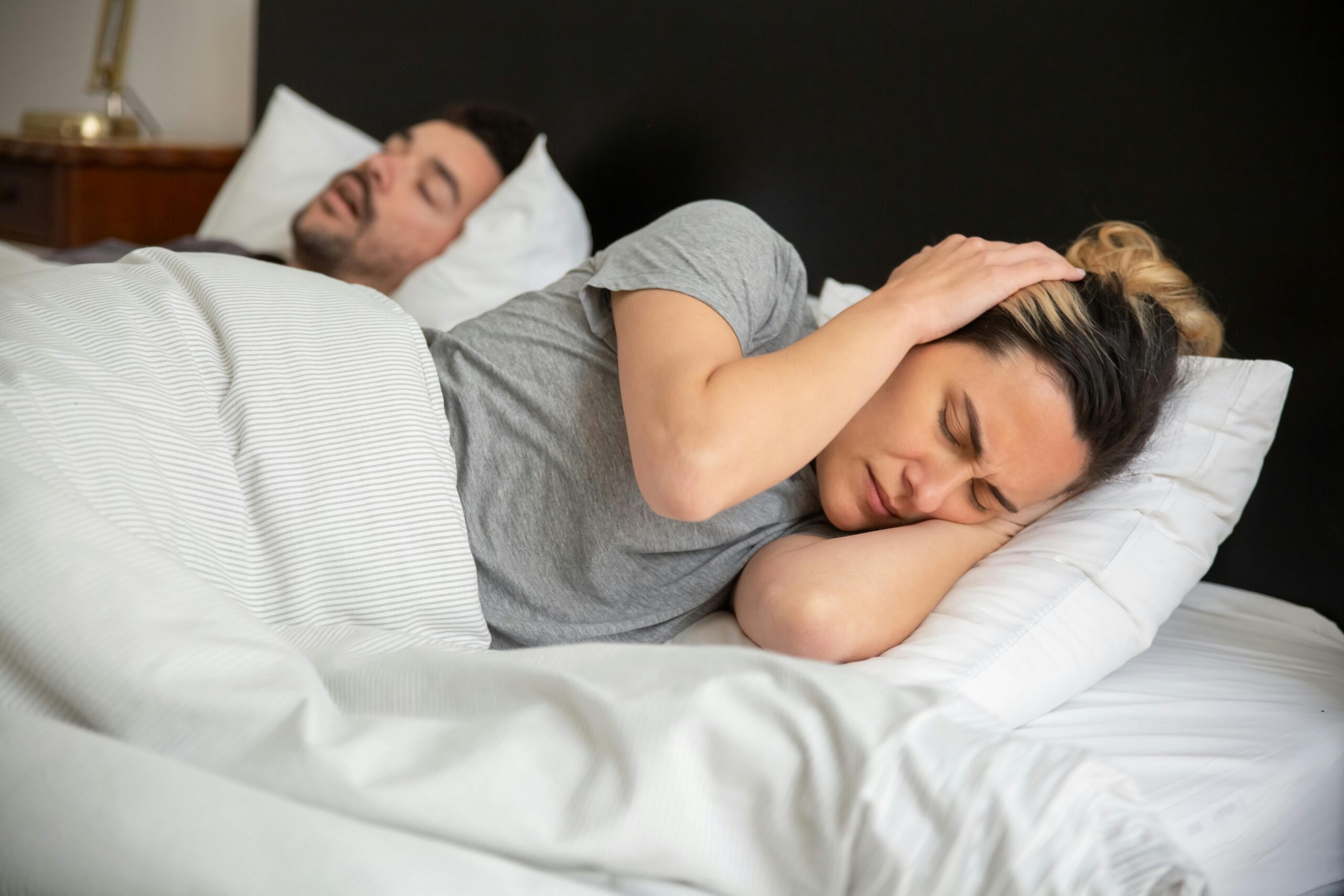
Shift workers face a fundamentally different acoustic landscape than traditional nine-to-five employees. While most people sleep during the naturally quieter nighttime hours, shift workers must contend with daytime noise levels that can be 10-15 decibels higher on average. This includes traffic, construction, lawn maintenance, delivery trucks, neighbors’ activities, and children playing outside.
The human body is programmed to be alert during daylight hours, making it even more sensitive to environmental disruptions. Research shows that noise above 40 decibels can fragment sleep cycles, preventing you from reaching the deep REM stages crucial for physical recovery and cognitive function. For shift workers already fighting against their natural circadian rhythm, every decibel matters.
🎧 Sound Masking: Your First Line of Defense
Sound masking works by introducing consistent, neutral background noise that covers up irregular, disruptive sounds. Unlike silence, which makes every car door slam or dog bark startlingly obvious, sound masking creates an acoustic blanket that smooths out the auditory landscape.
White Noise Machines and Their Benefits
White noise machines generate a consistent sound across all audible frequencies, effectively masking unpredictable noises. These devices are particularly effective for shift workers because they create a predictable sonic environment that your brain can learn to ignore. Quality white noise machines offer adjustable volume controls and various sound profiles, allowing you to customize your acoustic environment.
Position your white noise machine between your bed and the primary noise source, typically a window or shared wall. This strategic placement creates a sound barrier that intercepts disruptive noises before they reach your ears. Many shift workers find that a volume setting just loud enough to mask conversation from outside provides optimal results without becoming intrusive itself.
Pink Noise and Brown Noise Alternatives
While white noise distributes energy equally across frequencies, pink noise emphasizes lower frequencies, creating a softer, more natural sound reminiscent of rainfall or rustling leaves. Brown noise takes this even further, focusing on the deepest frequencies that some people find more soothing and less harsh than traditional white noise.
Experiment with different noise colors to discover what works best for your sleep patterns. Some shift workers report that pink noise feels less “electronic” and more organic, making it easier to relax. Others prefer brown noise for its deeper, more enveloping quality that effectively masks low-frequency disturbances like traffic rumble.
🏠 Physical Noise Barriers and Room Modifications
Creating physical barriers between your bedroom and noise sources dramatically improves your sleep environment. These modifications range from simple, renter-friendly solutions to more permanent installations for homeowners.
Window Treatments That Actually Work
Windows are the weakest point in your bedroom’s acoustic armor. Single-pane windows offer minimal sound insulation, allowing exterior noise to flow freely into your space. Layered window treatments create multiple barriers that absorb and deflect sound waves before they enter your room.
Start with cellular or honeycomb shades, which trap air in their pockets, providing both insulation and sound dampening. Add heavyweight blackout curtains designed specifically for noise reduction—look for options with multiple layers and sound-absorbing materials. For maximum effectiveness, install curtain rods that extend several inches beyond the window frame on all sides, preventing sound from sneaking around the edges.
Door Sealing and Soundproofing
The gap beneath your bedroom door can undermine all your other soundproofing efforts. Sound travels freely through even small openings, bringing hallway noise, household activities, and outdoor sounds directly to your ears. Installing a door sweep or draft stopper creates an acoustic seal that significantly reduces sound transmission.
For hollow-core doors common in many homes, consider adding mass-loaded vinyl or acoustic panels to the door surface. These materials add density without requiring door replacement. Weather stripping around the door frame eliminates gaps along the sides and top, creating a complete seal when the door is closed.
Wall and Ceiling Sound Absorption
Sound waves reflect off hard surfaces, amplifying noise within your bedroom. Strategic placement of sound-absorbing materials transforms these reflective surfaces into noise dampeners. Fabric wall hangings, acoustic panels, and even strategically placed bookcases filled with books can significantly reduce room noise levels.
For shared walls with noisy neighbors or active household areas, acoustic panels provide targeted sound absorption. These panels come in various designs, from utilitarian to decorative, allowing you to maintain your bedroom aesthetics while improving acoustics. Focus on the wall opposite your bed and the wall you sleep closest to for maximum impact.
🎵 Technology-Powered Noise Solutions
Modern technology offers sophisticated solutions that go beyond simple sound masking. These tools adapt to your environment and personal preferences, providing customized noise control.
Smart Sound Machines with Adaptive Technology
Advanced sound machines monitor ambient noise levels and automatically adjust their output to maintain consistent masking. When a garbage truck rumbles past or construction begins, these devices increase volume temporarily, then decrease it when the disturbance passes. This dynamic response prevents both under-masking and over-masking situations.
Many smart sound machines connect to smartphone apps, allowing you to control settings without getting out of bed. Schedule your sound machine to gradually decrease volume as your sleep deepens, or program different sound profiles for different times of day based on typical neighborhood noise patterns.
Sleep-Specific Audio Applications
Specialized sleep apps offer extensive libraries of sounds, from traditional white noise to nature soundscapes and binaural beats designed to encourage specific brainwave patterns. These applications provide flexibility that physical sound machines cannot match, allowing you to create custom mixes and adjust timing precisely.
Quality sleep apps include features like gradual volume fade-in and fade-out, ensuring you don’t experience jarring starts or stops. Some incorporate sleep tracking, helping you correlate specific sounds with sleep quality over time. This data-driven approach allows you to continuously refine your noise control strategy based on actual results.
👂 Personal Hearing Protection Strategies
Sometimes the most effective noise control happens at ear level. Personal hearing protection provides a final barrier between you and disruptive sounds, especially useful during particularly noisy periods or when traveling.
Earplugs: Choosing the Right Type
Not all earplugs are created equal, and selecting the appropriate type makes a substantial difference in both comfort and effectiveness. Foam earplugs offer high noise reduction ratings (NRR) of 30-33 decibels but can feel uncomfortable during extended wear and may cause ear canal irritation with nightly use.
Silicone and wax earplugs mold to your ear shape, providing custom comfort and moderate noise reduction. These options work particularly well for side sleepers who find harder earplugs uncomfortable against their pillow. For long-term use, custom-molded earplugs created from ear impressions provide the best combination of comfort, fit, and noise reduction.
Sleep Headphones and Earbuds
Sleep-specific headphones combine passive noise blocking with active sound delivery, allowing you to play masking sounds or sleep-inducing audio while physically blocking external noise. Headband-style sleep headphones distribute thin, flat speakers across comfortable fabric, making them ideal for side sleepers.
True wireless sleep earbuds offer the smallest profile, designed specifically to remain comfortable throughout the night regardless of sleeping position. Look for options with low-profile designs that don’t protrude from your ears and feature battery life sufficient for your entire sleep period. Many include built-in sleep sounds, eliminating the need for a separate device.
⏰ Timing and Routine Optimization
Strategic timing can reduce your exposure to peak noise periods, while consistent routines help your body adapt to imperfect acoustic conditions.
Identifying Your Neighborhood’s Quiet Windows
Every neighborhood has noise patterns based on school schedules, traffic flows, and community activities. Document noise levels throughout the day for a week to identify your area’s quietest periods. You might discover that sleeping from 10 AM to 6 PM exposes you to less noise than 8 AM to 4 PM due to school traffic patterns.
When possible, coordinate your sleep schedule with these natural quiet periods. Even shifting your sleep window by an hour can dramatically reduce noise exposure. For shift workers with some schedule flexibility, this information becomes invaluable for optimizing sleep quality.
Pre-Sleep Acoustic Conditioning
Your brain can learn to associate specific sounds with sleep onset. By consistently using the same noise masking approach during your wind-down routine, you create a Pavlovian response that triggers drowsiness. Start playing your chosen sound 30-45 minutes before your planned sleep time while engaging in relaxing activities.
This conditioning extends beyond simple sound association. Your nervous system learns to filter out certain types of noise when paired with relaxation cues. Over time, sounds that initially disrupted your sleep become less intrusive as your brain categorizes them as “background” rather than “alert-worthy.”
🏡 Communicating with Household Members and Neighbors
Social solutions often prove as effective as technological ones. Clear communication about your sleep needs can dramatically reduce controllable noise sources.
Setting Household Boundaries
Family members and roommates may not instinctively understand shift workers’ sleep requirements. Establish clear guidelines about noise levels during your sleep hours. Use visual cues like a “sleeping” sign on your door or a light system indicating when you’re resting to remind others to keep noise down.
Discuss specific behaviors that disrupt your sleep, such as television volume, vacuum cleaning, or phone conversations near your bedroom. Most household members are willing to accommodate once they understand the impact. Consider creating a household schedule that identifies quiet hours and alternative activity locations during your sleep time.
Neighbor Conversations and Community Awareness
While you cannot control neighborhood activities, friendly conversation can sometimes lead to compromises. Explain your work schedule to immediate neighbors, particularly if they engage in controllable noisy activities like mid-morning lawn mowing or afternoon music practice. Many people are willing to adjust timing when they understand the impact.
Approach these conversations positively, focusing on mutual respect rather than complaints. Offer your own compromises, such as wearing headphones during your waking hours when they might want to make noise. Building goodwill creates a community atmosphere where everyone considers each other’s needs.
💡 Creating a Comprehensive Noise Control System
The most effective approach combines multiple strategies into a layered defense system. Each layer catches noise that slips through the previous one, creating cumulative protection that exceeds what any single method achieves alone.
Your Personalized Noise Defense Protocol
Start with physical barriers that prevent noise from entering your space. Install sound-dampening window treatments and seal your door completely. Add sound-absorbing materials to walls and ceilings that reflect or transmit noise. These permanent or semi-permanent modifications form your foundational layer.
Layer in active sound masking with a white noise machine, app, or other ambient sound source. Position this properly to intercept remaining noise that penetrates your physical barriers. Adjust volume and sound type based on typical noise levels during your sleep period.
Finally, add personal hearing protection for particularly noisy days or as a consistent final barrier. This three-layer approach—physical barriers, sound masking, and personal protection—provides comprehensive coverage that addresses noise from multiple angles.
Measuring and Refining Your Results
Track your sleep quality alongside your noise control efforts to identify what actually works for your unique situation. Use a sleep tracking app or simple journal to note sleep duration, number of wakings, and subjective sleep quality ratings. Correlate this data with specific noise control strategies to identify your most effective interventions.
Pay attention to which noise types most frequently wake you. Traffic rumble requires different solutions than high-frequency sounds like voices or bird songs. Targeted strategies based on your specific noise challenges deliver better results than generic approaches.
🌟 Investment Priorities for Different Budgets
Effective noise control doesn’t require unlimited funds. Strategic investments based on your budget can dramatically improve your sleep environment.
For minimal investment, start with foam earplugs, door sweeps, and free white noise apps on your smartphone. These simple solutions address the most significant noise pathways without financial burden. Add heavy blankets or comforters over windows as makeshift sound-dampening curtains.
Mid-range budgets allow for dedicated white noise machines, quality sleep headphones, and proper blackout curtains with noise-reducing properties. These purpose-built solutions offer better performance and durability than budget alternatives while remaining accessible to most shift workers.
Higher investments might include custom-molded earplugs, smart sound machines with adaptive technology, acoustic panels, or even window replacements with double or triple-pane glass. For shift workers in permanent housing who prioritize sleep quality, these investments pay dividends through improved rest and overall health.
🔄 Adapting to Changing Circumstances
Your noise control needs evolve with seasons, living situations, and work schedules. Flexible strategies accommodate these changes without requiring complete system overhauls.
Seasonal variations bring different noise challenges. Spring and summer introduce lawn maintenance, open windows throughout the neighborhood, and children on vacation. Fall brings leaf blowers and school buses. Winter typically offers quieter conditions but may introduce heating system noise. Adjust your strategies seasonally, perhaps intensifying sound masking during noisier months.
When traveling for work or staying in temporary housing, portable noise control solutions maintain sleep quality despite changing environments. Travel-sized white noise machines, sleep headphones, and foam earplugs pack easily and provide familiar sleep conditions regardless of location. This consistency helps your body maintain healthy sleep patterns despite changing circumstances.
🎯 Achieving Restorative Sleep Despite Daytime Noise
Transforming your bedroom into a peaceful sanctuary despite daytime noise challenges requires commitment and strategy, but the rewards extend far beyond simple rest. Quality sleep improves cognitive function, emotional regulation, physical health, and overall life satisfaction—benefits that compound over time.
Remember that finding your optimal noise control solution involves experimentation. What works for one shift worker may not suit another due to differences in noise sensitivity, sleep positions, and specific environmental challenges. Give each strategy adequate trial time before making judgments, as your brain needs time to adapt to new sleep conditions.
Your bedroom should be your recovery sanctuary, protecting you from the outside world while your body performs essential maintenance and restoration. By implementing comprehensive noise control strategies tailored to your specific situation, you create an environment that supports rather than sabotages your health. Shift work presents enough challenges without adding preventable sleep disruption to the list.
Start with simple, low-cost interventions and gradually build your noise defense system based on results. Monitor your sleep quality, stay consistent with your strategies, and don’t hesitate to adjust your approach as circumstances change. With dedication and the right tools, peaceful sleep during daytime hours becomes not just possible but reliably achievable, giving you the energy and focus to thrive in your shift work career.