Working night shifts challenges your body’s natural rhythm, but managing screen light exposure can transform your sleep quality and work performance dramatically.

Night shift workers face unique health challenges that extend far beyond feeling tired. The disruption to your circadian rhythm affects everything from metabolism to mental clarity, and one of the biggest culprits is the blue light emanating from your screens during those crucial overnight hours. Understanding how to optimize your screen light management isn’t just about comfort—it’s about protecting your long-term health and maximizing your productivity when most of the world is asleep.
🌙 The Science Behind Screen Light and Your Circadian Rhythm
Your body operates on a 24-hour internal clock called the circadian rhythm, which regulates sleep-wake cycles, hormone production, and countless biological processes. This system evolved over millennia to respond to natural light patterns, with darkness signaling your brain to produce melatonin—the hormone that makes you feel sleepy.
When you work night shifts, you’re essentially asking your body to ignore millions of years of evolutionary programming. The problem intensifies when you expose yourself to screen light, particularly blue wavelengths between 450-480 nanometers, which your brain interprets as daylight. This exposure suppresses melatonin production by up to 50%, making it nearly impossible to fall asleep after your shift ends.
Research published in the Journal of Clinical Sleep Medicine demonstrates that night shift workers who manage their light exposure effectively report 37% better sleep quality and significantly lower rates of shift work sleep disorder. The key lies in strategic light management throughout your entire shift, not just before bedtime.
Understanding Blue Light: Friend or Foe During Night Work? 💙
Blue light serves a dual purpose for night shift workers. During the first half of your shift, strategic blue light exposure can actually help you stay alert and maintain focus. However, as your shift progresses toward morning, the same blue light becomes your enemy, interfering with your ability to wind down and sleep during daylight hours.
The intensity matters significantly. Standard computer monitors emit blue light levels ranging from 30-50% of total light output. Smartphones and tablets often exceed these levels, particularly at maximum brightness. Medical studies show that exposure to just 30 minutes of high-intensity blue light between 2-4 AM can shift your circadian rhythm by up to two hours, making post-shift sleep substantially more difficult.
The Melatonin Suppression Timeline
Understanding when blue light affects you most helps create an effective management strategy. Your sensitivity to blue light follows a predictable pattern:
- 10 PM – Midnight: Moderate sensitivity; blue light helps maintain alertness
- Midnight – 3 AM: Peak sensitivity period; melatonin suppression is strongest
- 3 AM – 6 AM: Critical window; blue light exposure has maximum circadian disruption
- 6 AM – Sleep time: Extreme sensitivity; even minimal exposure delays sleep onset
Practical Screen Light Management Strategies for Night Workers 🖥️
Implementing effective screen light management doesn’t require expensive equipment or complicated routines. Start by adjusting your monitor settings at the beginning of each shift. Reduce brightness to 30-40% of maximum—far lower than you might typically use during day work. This single adjustment can reduce blue light exposure by approximately 60%.
Color temperature adjustment is equally crucial. Standard screens operate at 6500K (Kelvin), mimicking daylight. As your shift progresses, gradually reduce this to 3400K or lower, which produces warmer, amber-toned light with significantly less blue wavelength content. Most modern operating systems include built-in tools for this adjustment.
The Progressive Dimming Method
Divide your shift into three-hour blocks and adjust your screen settings accordingly. During hours 1-3, maintain moderate brightness and neutral color temperature to support alertness. During hours 4-6, reduce brightness by 25% and shift color temperature toward warmer tones. In the final hours before dawn, minimize brightness to the lowest comfortable level and use the warmest color settings available.
This progressive approach works with your body’s changing light sensitivity rather than against it, helping maintain productivity while preparing your system for eventual sleep.
Software Solutions That Actually Work 🔧
Modern technology offers numerous applications designed specifically to manage screen light emission. These tools automatically adjust your display properties based on time of day, eliminating the need for manual changes throughout your shift.
For desktop computers, f.lux remains the gold standard, offering granular control over color temperature and transition timing. The software learns your schedule and adjusts displays across multiple monitors simultaneously. Windows users also benefit from the built-in Night Light feature, while Mac users can utilize True Tone and Night Shift functionalities.
Mobile devices present a greater challenge due to their high brightness levels and closer viewing distances. Android users should explore Twilight, which applies a red filter over your screen that intensifies as bedtime approaches. The app allows custom scheduling perfect for night shift workers who sleep during unconventional hours.
For additional control over screen brightness beyond standard system settings, applications like Screen Dimmer allow you to reduce brightness below the minimum levels typically available, creating a more comfortable viewing experience during late-night hours.
Hardware Solutions for Serious Night Shift Optimization 🕶️
Software adjustments provide significant benefits, but dedicated hardware takes screen light management to the next level. Blue light blocking glasses designed specifically for computer use filter 50-90% of blue wavelengths while maintaining color accuracy sufficient for most work tasks.
When selecting blue light blocking glasses, consider the lens tint carefully. Clear or yellow-tinted lenses (blocking 30-50% of blue light) work well during early shift hours when you need alertness. Amber or orange-tinted lenses (blocking 65-90% of blue light) become essential during the second half of your shift and your commute home.
Monitor Selection Matters
If you’re investing in new equipment, prioritize monitors with hardware-level blue light reduction. Many manufacturers now offer “low blue light” modes that adjust LED backlighting rather than just applying software filters. These provide superior results because they reduce blue light at the source rather than filtering it after emission.
Look for monitors with flicker-free backlighting technology as well. Screen flicker, even when imperceptible, increases eye strain and fatigue during extended night shifts, compounding the challenges you already face.
Creating the Optimal Night Shift Environment 🌃
Screen management represents just one component of comprehensive light control. Your overall work environment significantly impacts both immediate productivity and post-shift sleep quality. Whenever possible, dim overhead lighting in your workspace during night hours, relying instead on task lighting that illuminates only what you need to see.
Position your screen to minimize glare from any ambient light sources. The contrast between bright screens and dark surroundings forces your pupils to constantly adjust, accelerating eye fatigue and potentially triggering headaches. Maintain ambient lighting at approximately 25-30% of your screen brightness for optimal comfort.
The Critical Commute Home
Many night shift workers overlook the importance of light management during their morning commute. Sunrise exposure immediately after your shift tells your brain it’s time to wake up, directly opposing your need for sleep. Wear wrap-around sunglasses during your drive or commute home, and consider installing blackout curtains in your vehicle if you use public transportation.
Post-Shift Screen Management: The Missing Link 📱
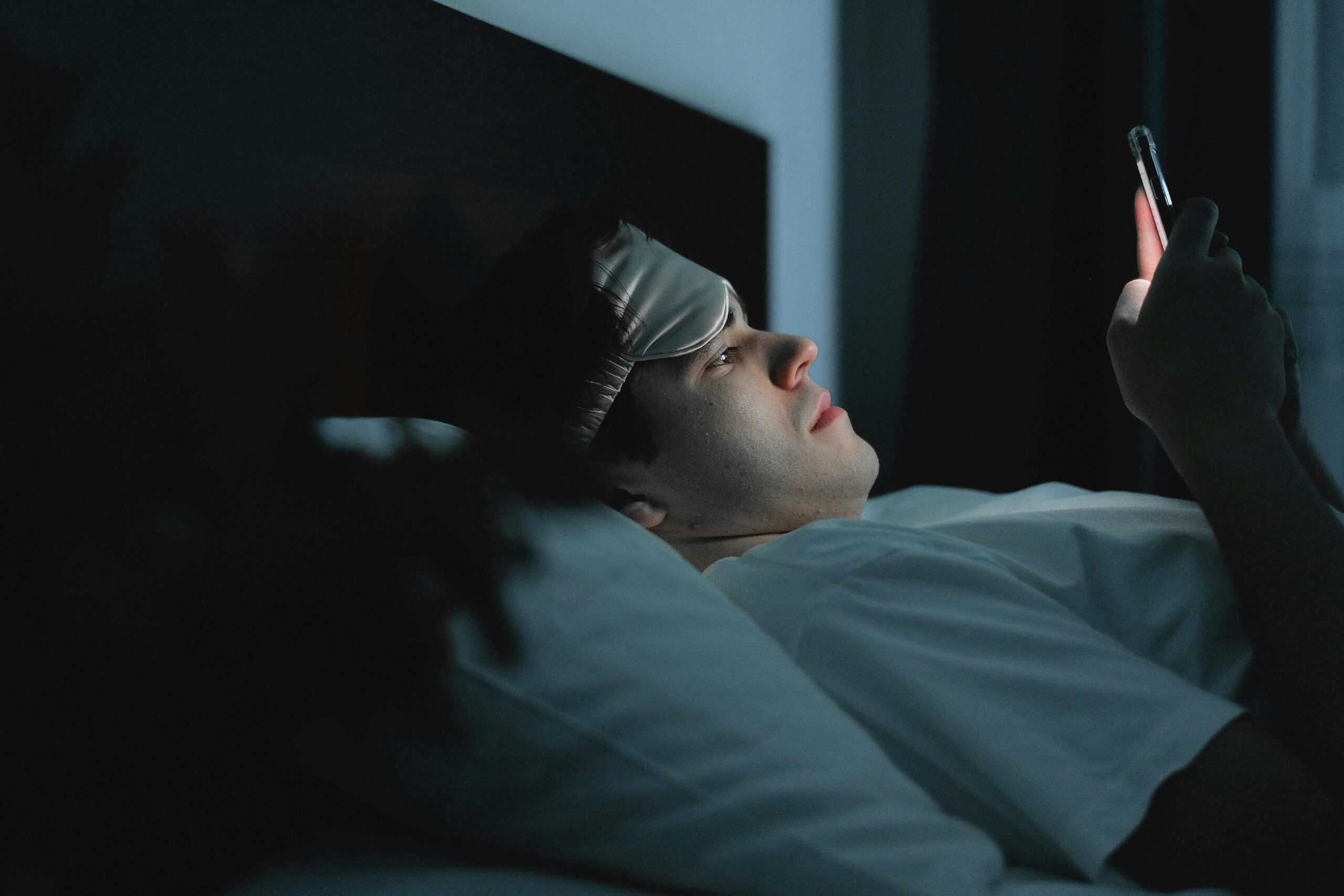
Your shift may end, but effective screen light management continues until you’re asleep. The temptation to check your phone, watch television, or browse social media after work can completely undermine hours of careful light management during your shift.
Establish a strict technology curfew beginning when you leave work. If you must use devices during your wind-down period, maintain maximum blue light filtering, minimum brightness, and limit usage to 5-10 minutes maximum. Every minute of screen exposure after your shift delays melatonin production and extends the time needed to fall asleep.
Consider replacing screen-based activities with audio alternatives. Podcasts, audiobooks, and music provide entertainment and relaxation without the sleep-disrupting visual component. Many night shift workers find this single change produces the most dramatic improvement in their sleep quality.
Measuring Success: Signs Your Strategy Is Working ✅
Effective screen light management produces noticeable results within 1-2 weeks. You should experience faster sleep onset after shifts, with most people falling asleep 15-30 minutes sooner than before implementing changes. Sleep quality improves as well, with fewer mid-sleep awakenings and longer periods of deep, restorative sleep.
Track your progress using a simple sleep diary, noting the time you attempt sleep, estimated sleep onset, number of awakenings, and how refreshed you feel upon waking. Many wearable devices now include sleep tracking features that provide objective data on sleep stages and quality.
During your shifts, monitor alertness levels and productivity metrics. Proper light management should maintain or improve your focus during work hours while simultaneously improving your sleep afterward—not sacrificing one for the other.
Advanced Techniques for Maximum Impact 🎯
Once you’ve mastered basic screen light management, consider these advanced strategies used by experienced night shift workers. Implement bright light exposure immediately at the start of your shift using a light therapy box (10,000 lux) for 15-20 minutes. This “morning” signal helps reset your circadian rhythm to align with your work schedule.
Combine strategic caffeine consumption with your light management protocol. Consume caffeine only during the first half of your shift, stopping at least 6 hours before your planned sleep time. Caffeine and blue light together suppress melatonin more powerfully than either alone, so coordinating both factors amplifies your results.
The Weekend Challenge
Many night shift workers struggle with maintaining their adjusted sleep schedule on days off. While social and family pressures often necessitate daytime wakefulness, try to maintain at least partial schedule consistency. If you must switch to daytime wakefulness on weekends, continue strict blue light management during evening hours to support whatever sleep schedule you’re following.
Common Mistakes That Sabotage Your Efforts ⚠️
Even well-intentioned night shift workers often make critical errors that undermine their screen light management. The most common mistake is inconsistency—applying strategies sporadically rather than systematically. Your circadian rhythm responds to consistent patterns, so occasional adherence provides minimal benefit.
Another frequent error involves over-reliance on a single strategy. Reducing screen brightness while ignoring color temperature, or wearing blue light glasses while keeping room lights blazing bright, limits your results. Comprehensive light management requires addressing multiple factors simultaneously.
Many workers also underestimate the impact of brief screen exposures. Checking your phone “just for a minute” at 7 AM after your shift can delay sleep onset by 30-45 minutes. Every exposure matters, particularly during that critical post-shift window.
Long-Term Health Considerations 🏥
Effective screen light management provides immediate benefits for sleep and productivity, but the long-term health implications may be even more significant. Chronic circadian disruption links to increased risks of cardiovascular disease, metabolic syndrome, and certain cancers. While night shift work inherently involves circadian disruption, proper light management substantially reduces these risks.
Research from Harvard Medical School indicates that night shift workers who implement comprehensive light management strategies show biomarkers similar to day workers, including healthier cortisol patterns and improved glucose metabolism. The investment you make in light management today protects your health for decades to come.
Regular eye examinations become particularly important for night shift workers who spend hours viewing screens. While blue light management reduces eye strain, comprehensive eye care ensures you catch any developing issues early. Discuss your work schedule and screen exposure with your eye care professional to receive personalized recommendations.
Making It Sustainable: Building Lasting Habits 🔄
The most effective screen light management strategy is the one you’ll actually maintain long-term. Start by implementing one or two changes rather than overhauling your entire routine overnight. Master basic brightness and color temperature adjustments before adding blue light blocking glasses or specialized software.
Set up your environment for success by automating as much as possible. Configure software to adjust screen properties automatically, preset your workspace lighting, and establish routines that don’t require constant decision-making during your shift when willpower naturally decreases.
Connect with other night shift workers to share strategies and maintain motivation. Online communities dedicated to shift work provide valuable support and innovative solutions you might not discover independently. Your colleagues likely face identical challenges and may have developed effective techniques worth adopting.
Remember that screen light management forms just one component of successful night shift adaptation. Combine these strategies with consistent sleep schedules, proper nutrition, strategic exercise timing, and stress management for comprehensive health optimization. The synergy between these factors produces results greater than any single intervention alone, transforming your night shift experience from a health burden into a sustainable lifestyle.