Quality sleep remains one of the most elusive yet essential components of optimal health. When darkness falls short, our rest suffers profoundly.

Modern living has fundamentally disrupted our natural sleep patterns through artificial lighting, digital screens, and urban environments that never truly go dark. Our bodies evolved over millennia to respond to natural light-dark cycles, yet today we’re constantly bombarded with light pollution that interferes with our circadian rhythms. The consequences extend far beyond mere tiredness—chronic sleep deprivation affects metabolism, immune function, mental health, and overall quality of life.
Understanding how light affects sleep and implementing effective blocking strategies can transform your nightly rest. This comprehensive guide explores the science behind light’s impact on sleep, practical solutions for creating darkness, and actionable strategies to reclaim the restorative rest your body desperately needs.
🌙 The Science Behind Light and Sleep Quality
Light serves as the primary environmental cue that regulates our circadian rhythm—the internal biological clock governing sleep-wake cycles. When photoreceptors in our eyes detect light, they send signals to the suprachiasmatic nucleus in the brain, which controls melatonin production.
Melatonin, often called the “sleep hormone,” naturally increases as darkness falls, signaling to your body that it’s time to sleep. Even minimal light exposure during sleep hours can suppress melatonin production by up to 50%, fragmenting sleep architecture and reducing overall sleep quality.
Blue light wavelengths, particularly those emitted by electronic devices and LED lighting, prove especially disruptive. Research demonstrates that blue light exposure before bedtime delays sleep onset by an average of 30 minutes and reduces REM sleep—the stage critical for cognitive function and emotional regulation.
The Hidden Cost of Light Pollution
Urban dwellers face unique challenges with ambient light pollution from streetlights, neighboring buildings, and passing vehicles. Studies show that individuals living in brightly lit urban areas experience significantly lower sleep efficiency compared to those in darker environments.
This constant exposure doesn’t just affect nighttime rest. Daytime consequences include increased cortisol levels, impaired glucose metabolism, elevated blood pressure, and heightened risk of depression and anxiety disorders.
💡 Identifying Light Sources Sabotaging Your Sleep
Before implementing solutions, you need to audit your sleep environment. Common light disruptors include:
- Digital device screens (smartphones, tablets, televisions, e-readers)
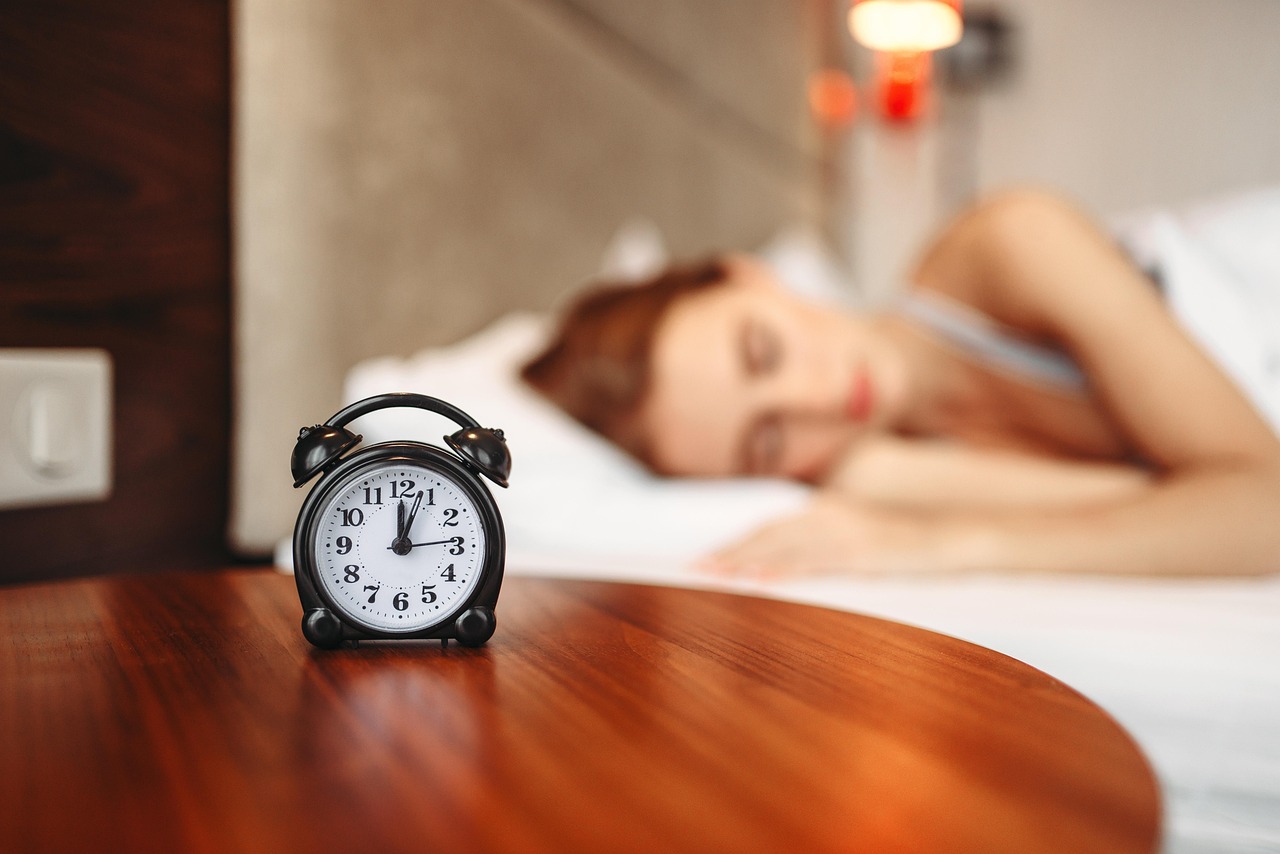
- Alarm clocks with bright displays
- Power indicator lights on electronics
- External sources like streetlights and vehicle headlights
- Bathroom nightlights bleeding under doors
- Early morning sunlight through inadequate window coverings
Conduct a darkness test by lying in your bed with lights off at your typical bedtime. Allow your eyes to adjust for several minutes, then identify any visible light sources. Even small amounts of light you can initially dismiss may significantly impact sleep quality.
🛡️ Blackout Curtains: Your First Line of Defense
Blackout curtains represent one of the most effective investments for sleep optimization. Unlike standard curtains, blackout options feature tightly woven fabric or foam backing that blocks 95-100% of external light.
Choosing the Right Blackout Curtains
When selecting blackout curtains, consider these factors:
- Material quality: Triple-weave fabrics or foam-backed materials offer superior light blocking
- Size and coverage: Curtains should extend beyond window frames on all sides
- Installation method: Ceiling-mounted rods provide better coverage than wall-mounted options
- Color considerations: Darker colors absorb more light, though quality matters more than shade
- Thermal properties: Many blackout curtains also provide insulation, reducing energy costs
For maximum effectiveness, install curtain rods that extend 4-6 inches beyond the window frame on each side and mount them as close to the ceiling as possible. Consider using wrap-around rods or side channels that attach directly to walls, eliminating light gaps.
Budget-Friendly Blackout Alternatives
If professional blackout curtains exceed your budget, consider these alternatives:
- Temporary blackout shades with suction cups for renters
- Blackout fabric combined with existing curtains
- Cardboard or foam board fitted to window frames
- Blackout roller blinds installed inside window frames
😴 Sleep Masks: Portable Darkness On Demand
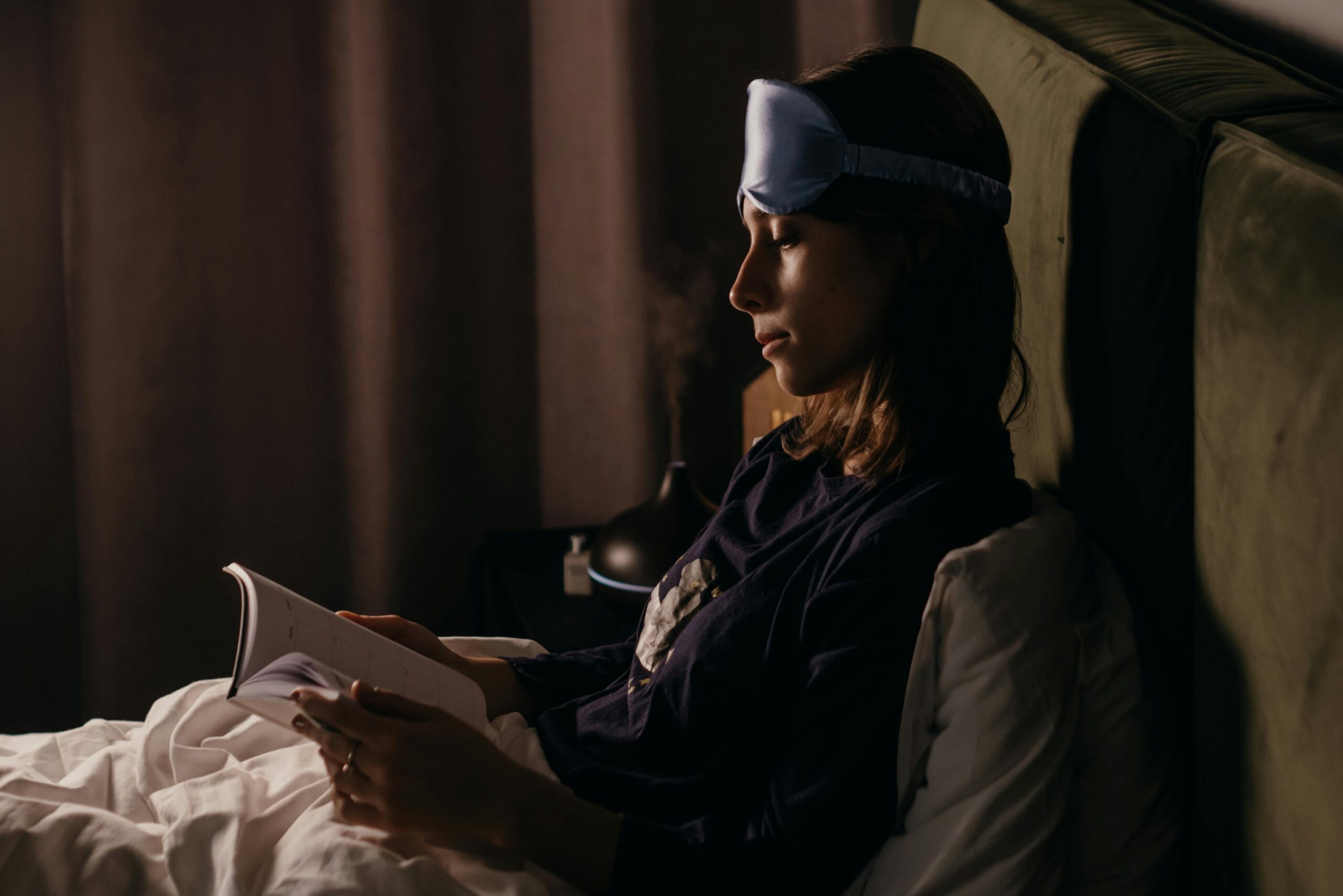
Sleep masks offer versatile darkness solutions, especially valuable for travelers, shift workers, or those sharing sleeping spaces with partners who maintain different schedules.
Features of High-Quality Sleep Masks
Not all sleep masks deliver equal results. Premium options include:
- Contoured design: Molded cups prevent fabric from touching eyelids, allowing natural eye movement during REM sleep
- Adjustable straps: Customizable fit prevents the mask from shifting during sleep
- Breathable materials: Natural fibers like silk or bamboo prevent overheating
- Complete light blocking: Padded edges seal against facial contours
- Weighted options: Some masks incorporate gentle pressure for additional relaxation benefits
Modern sleep masks have evolved significantly from simple fabric strips. Contemporary designs recognize that pressure on eyes can cause discomfort and interfere with REM sleep, leading to innovative 3D contoured structures that create a light-blocking cavity around eyes.
📱 Managing Digital Light Exposure
Screen time before bed represents one of the most significant sleep disruptors in modern life. Beyond blue light emission, engaging content stimulates mental activity, making sleep onset more difficult.
Practical Digital Boundaries
Implement these strategies to minimize digital light interference:
- Establish a “digital sunset” at least 60-90 minutes before bedtime
- Activate blue light filters on all devices after sunset
- Use night mode settings that reduce screen brightness and shift color temperature
- Position charging stations outside the bedroom entirely
- Replace scrolling with sleep-promoting activities like reading physical books or gentle stretching
For those who must use devices in evening hours, blue light blocking glasses filter harmful wavelengths while allowing device use. Research indicates these glasses can preserve melatonin production when worn 2-3 hours before sleep.
🔦 Strategic Use of Nighttime Lighting
Complete darkness isn’t always practical or safe, particularly for households with children, elderly individuals, or those who need nighttime bathroom access.
Sleep-Safe Lighting Solutions
When some light becomes necessary, choose options that minimize sleep disruption:
- Red or amber lights: These wavelengths have minimal impact on melatonin production
- Motion-activated path lights: Illuminate only when needed, automatically turning off
- Dimmer switches: Allow gradual light reduction as bedtime approaches
- Low-position lights: Floor-level illumination prevents direct eye exposure
- Smart bulbs: Programmable options that automatically adjust color temperature throughout the evening
Replace bright alarm clocks with dimmer alternatives or models that project time onto ceilings only when activated. Cover LED indicators on electronics with black electrical tape or specialized light-blocking stickers.
🏠 Creating a Sleep Sanctuary Through Environmental Design
Beyond blocking light, optimizing your entire sleep environment enhances rest quality. Consider these complementary strategies:
Temperature Regulation
The ideal sleep temperature ranges between 60-67°F (15-19°C). Blackout curtains often provide additional insulation, helping maintain consistent temperatures while blocking light.
Sound Management
Light and sound often travel together through windows and doors. White noise machines or earplugs can complement light-blocking efforts by creating comprehensive sensory isolation.
Color Psychology
Wall colors influence sleep quality through both light reflection and psychological effects. Muted tones like soft blues, grays, and earth tones create calming environments that support rest.
⏰ Timing Light Exposure for Optimal Circadian Function
Blocking light at night represents only half the equation. Strategic light exposure during daytime hours strengthens circadian rhythms and improves nighttime sleep quality.
Morning Light Exposure Protocol
Exposure to bright light within the first hour after waking reinforces your body’s natural wake-sleep cycle:
- Spend 10-30 minutes outdoors in natural sunlight shortly after waking
- If outdoor access isn’t possible, use a light therapy box delivering 10,000 lux
- Open curtains immediately upon waking to signal day has begun
- Position workspaces near windows when possible
This morning light exposure suppresses residual melatonin, increases alertness, and sets the stage for appropriate melatonin release 14-16 hours later at bedtime.
Evening Light Reduction Strategy
Begin dimming lights progressively 2-3 hours before target bedtime. This gradual transition mimics natural sunset and signals approaching sleep time to your circadian system.
✈️ Light Management for Travelers and Shift Workers
Irregular schedules present unique challenges requiring adaptable solutions.
Travel Recommendations
Pack these essentials for maintaining sleep quality away from home:
- High-quality sleep mask (your most critical travel tool)
- Portable blackout curtain clips or suction-mounted shades
- Blue light blocking glasses
- Black electrical tape for covering LED lights in hotel rooms
Upon arrival at new destinations, immediately expose yourself to local daylight to accelerate circadian adjustment.
Shift Work Strategies
Those working non-traditional hours face particular challenges synchronizing sleep with light-dark cycles:
- Wear blue light blocking glasses during commutes home in morning daylight
- Install blackout curtains supplemented with additional light-blocking measures
- Maintain consistent sleep schedules even on days off when possible
- Create complete darkness during designated sleep hours regardless of external light conditions
👶 Special Considerations for Children and Families
Children’s developing circadian systems prove especially sensitive to light exposure. However, complete darkness isn’t always appropriate for young children who may experience nighttime anxiety.
Age-Appropriate Light Management
Balance safety, comfort, and sleep optimization through these approaches:
- Use dim red nightlights positioned low and away from direct line of sight
- Implement gradual darkness increases as children mature
- Establish consistent bedtime routines that include progressive light dimming
- Install blackout curtains in nurseries to extend naps and prevent early waking
- Teach older children about sleep science to foster intrinsic motivation for healthy habits
📊 Measuring Your Success
Track improvements to understand which interventions deliver the greatest benefits. Monitor these indicators:
| Metric | Before Light Blocking | After Implementation |
|---|---|---|
| Time to fall asleep | ___ minutes | ___ minutes |
| Number of nighttime awakenings | ___ times | ___ times |
| Morning energy level (1-10) | ___ | ___ |
| Daytime alertness (1-10) | ___ | ___ |
| Sleep quality rating (1-10) | ___ | ___ |
Allow 2-3 weeks for circadian adjustments to stabilize before evaluating effectiveness. Sleep architecture improvements often precede subjective quality improvements.
🎯 Implementation Roadmap: Your 30-Day Darkness Protocol
Systematic implementation increases success rates. Follow this progressive approach:
Week 1: Audit your sleep environment, identify light sources, and order necessary supplies. Begin digital sunset practice 60 minutes before bed.
Week 2: Install blackout curtains or alternative window coverings. Cover or remove electronic light sources. Establish morning light exposure routine.
Week 3: Fine-tune remaining light leaks. Implement progressive evening dimming. Experiment with sleep mask if needed.
Week 4: Evaluate results, adjust strategies, and establish sustainable long-term habits. Share knowledge with household members to gain collective buy-in.
🌟 Beyond Darkness: Complementary Sleep Optimization
While light management powerfully influences sleep quality, combining multiple evidence-based strategies delivers synergistic benefits:
- Consistent sleep-wake times: Regular schedules reinforce circadian stability
- Temperature optimization: Cool environments promote deeper sleep
- Exercise timing: Physical activity supports sleep, but avoid intense workouts within 3 hours of bedtime
- Nutrition considerations: Limit caffeine after noon and avoid large meals near bedtime
- Stress management: Evening relaxation practices prepare mind and body for rest
💪 Reclaiming Your Rest in a Light-Polluted World
The modern environment works against natural sleep patterns, but targeted interventions can restore the darkness your body requires for optimal rest. Blocking light represents one of the most accessible, affordable, and effective sleep improvements available.
Start with the simplest interventions—covering LED lights, implementing digital boundaries, and trying a quality sleep mask. As you experience initial improvements, invest in more comprehensive solutions like blackout curtains and strategic lighting adjustments.
Remember that individual responses vary. What works perfectly for one person may require modification for another. Experiment with different approaches, track your results, and remain patient as your circadian system adjusts to improved light hygiene.
The darkness that once came naturally now requires intentional creation, but the rewards—deeper sleep, improved health, enhanced mood, and greater daytime productivity—justify the effort. Your body evolved for millions of years sleeping in complete darkness. By blocking modern light pollution, you’re not creating something new; you’re restoring conditions your biology expects and desperately needs.
Take the first step tonight. Identify one light source disrupting your sleep and eliminate it. Tomorrow night, tackle another. Within weeks, you’ll experience the profound difference that genuine darkness makes, transforming your nights and revitalizing your days. Quality sleep isn’t a luxury—it’s a biological necessity, and controlling light exposure puts that necessity back within your reach.