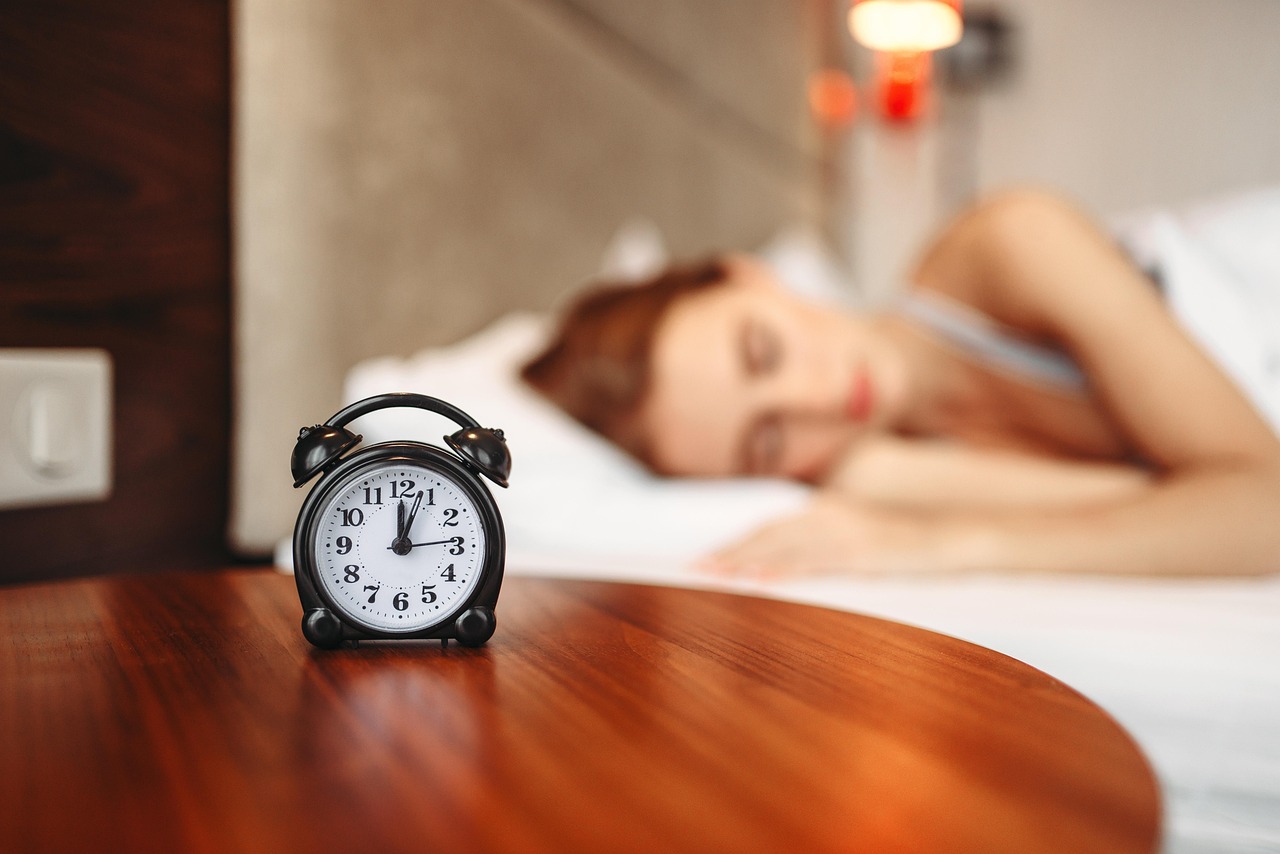
Starting your day with intention can transform how you feel and perform. The combination of morning light and caffeine, when done correctly, creates a powerful synergy that enhances alertness, mood, and cognitive function throughout the day.

Most people reach for coffee the moment they wake up, but emerging research suggests that timing matters significantly. Understanding how light exposure and caffeine interact with your body’s natural rhythms can unlock unprecedented levels of energy and focus without the dreaded afternoon crash or sleep disruption.
Why Morning Light Is Your First Energy Tool ☀️
Before you even think about caffeine, your body craves light. When photons hit your retina within the first hour of waking, they trigger a cascade of biological events that set your circadian rhythm for the entire day. This isn’t just about feeling awake—it’s about programming your body’s internal clock for optimal performance.
Morning light exposure increases cortisol at the right time, which sounds counterintuitive since cortisol gets a bad reputation. However, a healthy cortisol spike in the morning is essential for energy, alertness, and metabolic function. This natural cortisol pulse typically peaks 30-45 minutes after waking, and light exposure amplifies this beneficial response.
The Science Behind Light and Alertness
Your eyes contain specialized cells called intrinsically photosensitive retinal ganglion cells (ipRGCs) that respond specifically to blue light wavelengths. These cells send signals directly to your suprachiasmatic nucleus (SCN), the master clock in your brain that orchestrates circadian rhythms throughout your entire body.
When bright light hits these cells early in the day, several important processes occur simultaneously. First, it suppresses residual melatonin production, clearing the sleep hormone from your system more effectively than caffeine alone. Second, it advances your circadian phase, making it easier to wake up early consistently. Third, it improves mood by increasing serotonin production, which serves as a precursor to melatonin later in the evening.
The Cortisol-Caffeine Connection You Need to Understand
Here’s where most people make their first mistake: consuming caffeine immediately upon waking. When cortisol is naturally elevated, adding caffeine creates unnecessary competition and can actually diminish the effectiveness of both substances over time.
Caffeine works by blocking adenosine receptors in your brain. Adenosine is a neurotransmitter that accumulates throughout the day, making you feel progressively more tired. By blocking these receptors, caffeine prevents you from feeling fatigue—but it doesn’t actually provide energy itself. This is a crucial distinction.
Optimal Timing for Maximum Benefit
Research suggests waiting 90-120 minutes after waking before consuming your first cup of coffee. This delay allows your natural cortisol to do its job without interference, and it prevents you from developing a tolerance to caffeine’s effects. When you finally do consume caffeine, adenosine has begun accumulating, making the caffeine significantly more effective.
During this waiting period, focus on light exposure instead. Get outside for at least 10-15 minutes if possible, or position yourself near a bright window. On cloudy days, you need more time—perhaps 20-30 minutes—because the light intensity is lower but still beneficial.
Creating Your Morning Light and Caffeine Protocol 🌅
Implementing this strategy requires a systematic approach. The key is consistency, as your circadian system thrives on predictable patterns. Here’s a comprehensive framework for structuring your morning routine to maximize energy and cognitive performance.
The First 30 Minutes: Light Prioritization
Immediately upon waking, expose yourself to bright light. If you can get outside, that’s ideal—even on cloudy days, outdoor light is typically 10-50 times brighter than indoor lighting. If going outside isn’t practical, open your curtains and position yourself near windows while you prepare for your day.
Avoid sunglasses during this initial exposure period. Your eyes need direct contact with ambient light to trigger the circadian response. Obviously, never stare directly at the sun, but allowing natural light to enter your field of vision is essential for the biological signals you’re trying to generate.
The 90-Minute Mark: Strategic Caffeine Introduction
After approximately 90 minutes, your cortisol peak has passed, and adenosine has begun accumulating. This is the optimal window for caffeine consumption. Your first cup will now provide maximum alertness benefits without interfering with your natural hormonal rhythms.
The amount matters too. For most adults, 100-200mg of caffeine (roughly one to two cups of coffee) is sufficient for peak cognitive benefits without overstimulation. Individual tolerance varies considerably, so start conservatively and adjust based on your response.
Advanced Strategies for Performance Optimization
Once you’ve mastered the basics, several advanced techniques can further enhance the benefits of combining light exposure and caffeine strategically. These methods are backed by scientific research and used by high performers across various fields.
The Light Exposure Intensity Spectrum
Not all light is created equal for circadian entrainment. The intensity, measured in lux, determines how effectively it influences your internal clock. Here’s what you need to know about different light levels:
- Typical indoor lighting: 100-500 lux (minimally effective)
- Bright indoor spaces: 500-1,000 lux (moderately effective)
- Overcast outdoor conditions: 1,000-10,000 lux (highly effective)
- Direct sunlight: 10,000-100,000 lux (maximum effectiveness)
This explains why a brief walk outside is far more powerful than an extended period near an indoor window. If outdoor access is impossible, light therapy lamps that produce 10,000 lux can substitute effectively, though they shouldn’t completely replace natural light exposure when available.
Caffeine Cycling for Sustained Sensitivity
Even with optimal timing, daily caffeine consumption can lead to tolerance over time. Implementing strategic caffeine breaks—typically one week every 6-8 weeks—can reset your sensitivity and restore its effectiveness. During these breaks, rely more heavily on light exposure, movement, and hydration for energy management.
Common Mistakes That Sabotage Your Energy 🚫
Understanding what not to do is equally important as knowing the right strategies. These common errors undermine the benefits of light and caffeine, leaving people feeling perpetually tired despite doing “all the right things.”
The Blue Light Paradox
While blue light in the morning is beneficial, blue light exposure in the evening is problematic. Many people wear blue-blocking glasses throughout the day, inadvertently reducing the circadian benefits of morning light. The correct approach: embrace blue light in the morning, minimize it after sunset.
Similarly, excessive screen time immediately upon waking isn’t an adequate substitute for natural light exposure. Phone and computer screens produce insufficient light intensity for meaningful circadian entrainment, typically generating only 100-200 lux at normal viewing distances.
Caffeine Too Late in the Day
Caffeine has a half-life of approximately 5-6 hours, meaning that half the caffeine from your afternoon coffee is still in your system six hours later. Even if you can “fall asleep fine,” caffeine in your system during sleep reduces sleep quality by decreasing deep sleep stages.
As a general rule, avoid caffeine consumption within 10 hours of your intended bedtime. If you sleep at 10 PM, your last caffeine should be before noon. This might seem extreme, but the sleep quality improvements are substantial and contribute significantly to next-morning energy levels.
Personalizing Your Approach for Your Chronotype ⏰
Not everyone’s biological clock runs on the same schedule. Your chronotype—whether you’re naturally an early bird, night owl, or somewhere in between—influences how you should implement these strategies.
For Morning Larks
If you naturally wake early, you’re already working with your biology. Focus on getting light exposure immediately, as this will be easy for you. Your challenge is typically avoiding caffeine too early. Even though you wake at 5 AM, waiting until 6:30 or 7 AM for coffee will provide better results than immediate consumption.
For Night Owls
Night owls face a bigger challenge in modern society, which typically demands early waking. Aggressive morning light exposure is even more critical for you, as it helps shift your delayed circadian phase earlier. Consider using a light therapy lamp immediately upon waking, and combine this with delayed caffeine consumption for maximum phase-advancing effects.
Tracking and Measuring Your Results
Subjective feelings matter, but objective data can help you optimize your protocol. Several metrics can indicate whether your light and caffeine timing is working effectively.
Energy levels throughout the day should be relatively stable, without dramatic peaks and crashes. You should feel alert within 30-45 minutes of waking without caffeine, fall asleep relatively easily at night, and wake naturally around the same time each day, including weekends.
Sleep tracking apps can provide valuable insights into sleep quality, particularly deep sleep percentage and wake-up times. If your protocol is working, you should see improved sleep consistency and quality metrics over several weeks.
The Long-Term Benefits of Getting This Right 💪
When you consistently combine light exposure and caffeine correctly, the benefits extend far beyond immediate alertness. You’re essentially training your circadian system to operate optimally, which influences virtually every physiological system in your body.
Metabolic and Cognitive Improvements
Proper circadian alignment improves insulin sensitivity, making your body more efficient at processing nutrients. It enhances cognitive function, particularly executive functions like decision-making, planning, and emotional regulation. Memory consolidation improves, as does reaction time and processing speed.
Many people report that mood stabilizes significantly when their light exposure and caffeine timing aligns with their biology. The afternoon energy slumps disappear, replaced by consistent energy that carries through the day without artificial stimulation.
Sleep Quality Enhancement
Perhaps counterintuitively, optimizing your morning light and caffeine routine dramatically improves nighttime sleep. By strengthening your circadian rhythm and clearing caffeine earlier in the day, you create the conditions for deeper, more restorative sleep. This creates a positive feedback loop—better sleep leads to easier waking, which makes morning light exposure more effective.
Practical Implementation: Your 30-Day Challenge
Knowledge without application provides no benefits. Here’s a practical 30-day implementation plan to establish these habits and evaluate their impact on your energy and performance.
Week One: Baseline and Light Focus
During the first week, don’t change your caffeine habits yet. Instead, focus exclusively on getting 10-15 minutes of outdoor light exposure within 30 minutes of waking. Track how you feel throughout the day, noting energy levels, mood, and sleep quality. This establishes your baseline.
Week Two: Add Caffeine Delay
Continue your morning light routine, but now delay your first caffeine by 60 minutes from your usual time. If you typically drink coffee immediately upon waking, wait one hour. Notice the differences in how the caffeine affects you and how long its benefits last.
Week Three: Optimize Timing
Push your caffeine delay to 90-120 minutes post-waking while maintaining consistent light exposure. This week, also implement a caffeine cutoff time (10 hours before bed). This might be challenging initially, but you should notice sleep improvements beginning to emerge.
Week Four: Refine and Assess
By week four, these habits should feel more natural. Fine-tune the details—adjust caffeine amounts, optimize light exposure duration, and dial in your evening wind-down routine to support the morning changes you’ve made. Evaluate your overall energy, productivity, sleep quality, and mood compared to your week-one baseline.
Adapting to Real-World Challenges and Constraints 🌍
Perfect conditions don’t always exist. Travel, shift work, dark winters, and unexpected schedule disruptions can complicate even the best-planned routines. Having strategies for these situations ensures you maintain benefits even when circumstances aren’t ideal.
Managing Travel and Time Zones
When traveling across time zones, use light exposure as your primary tool for adaptation. Upon arrival, immediately adopt the local light-dark cycle. Get bright light exposure during the local morning hours, even if your body thinks it’s nighttime. Strategically timed caffeine can also assist—consume it during the new location’s morning hours to reinforce the shifted schedule.
Winter and Low-Light Conditions
In northern latitudes during winter, sunrise might occur after you need to wake, and light intensity is significantly reduced. Light therapy lamps become essential tools during these months. Use a 10,000 lux light box for 20-30 minutes upon waking, positioned at eye level about 16-24 inches away while you eat breakfast or prepare for your day.
Enhancing the Foundation with Complementary Practices
While light exposure and caffeine timing form the foundation, several additional practices can amplify the benefits and create even more consistent energy throughout your day.
Physical movement in the morning, even just five minutes of light exercise, enhances the alertness benefits of light exposure. Movement increases core body temperature, which is another signal that tells your body it’s time to be awake and active.
Hydration deserves special mention. You’ve gone 6-8 hours without water, and even mild dehydration impairs cognitive function. Drinking 16-20 ounces of water upon waking—before any caffeine—supports optimal brain function and helps clear sleep inertia more quickly.
Cold exposure, through cold showers or face splashing with cold water, provides an immediate alertness boost that complements light exposure. The shock of cold water triggers a release of norepinephrine, creating focused alertness that works synergistically with the other practices.

Your Energy Revolution Starts With Sunrise 🌄
Mastering the combination of light exposure and strategic caffeine timing represents one of the most impactful, evidence-based interventions you can implement for sustained energy and cognitive performance. Unlike complicated supplements or expensive gadgets, these tools are freely available and immediately accessible.
The transformation doesn’t happen overnight, but within weeks of consistent practice, most people experience remarkable changes in their energy stability, mood, productivity, and sleep quality. You’re not fighting against your biology—you’re finally working with it, leveraging millions of years of evolutionary programming that links light exposure to wakefulness and performance.
Start tomorrow morning. Set your alarm 15 minutes earlier if needed, step outside, and let natural light signal to your body that it’s time to thrive. Wait those crucial 90 minutes before your first coffee. Track how you feel, adjust based on your individual response, and prepare to experience mornings—and entire days—transformed by this deceptively simple combination of bright light and well-timed caffeine.