Modern shift workers face a hidden challenge that goes beyond irregular hours: managing light exposure to maintain alertness during work and quality sleep afterward. Blue light, once solely provided by the sun, now emanates from countless screens and LED fixtures, disrupting our biological rhythms when encountered at the wrong times.

Understanding how to strategically use and avoid blue light can transform your work performance and recovery periods. Whether you work nights, rotating shifts, or extended hours, mastering blue-light timing offers a science-backed pathway to reclaiming your energy levels and restoring balance between professional demands and personal wellbeing.
🌅 The Science Behind Blue Light and Your Internal Clock
Your body operates on a circadian rhythm, an internal 24-hour cycle that regulates sleep-wake patterns, hormone production, and cognitive performance. Blue light wavelengths between 450-495 nanometers serve as the primary environmental cue that keeps this biological clock synchronized with the external world.
When blue light enters your eyes, it hits specialized photoreceptive ganglion cells containing melanopsin. These cells send direct signals to the suprachiasmatic nucleus in your brain’s hypothalamus, which functions as your master circadian pacemaker. This pathway suppresses melatonin production, the hormone responsible for inducing sleepiness, while simultaneously boosting cortisol and core body temperature.
For shift workers, this natural mechanism becomes problematic. Exposure to blue-rich lighting during night shifts keeps you alert when your biology expects darkness, while bright morning sunlight after an overnight shift signals your brain to stay awake when you desperately need sleep.
Understanding Your Circadian Window
Research demonstrates that circadian sensitivity to light varies throughout the day. Your eyes are most responsive to blue light’s alerting effects during the biological night, typically between 10 PM and 4 AM for day-oriented schedules. During these hours, even modest light exposure can significantly delay your circadian phase.
Conversely, morning light exposure advances your circadian rhythm, making you feel sleepy earlier the following evening. Shift workers can harness these principles by strategically timing light exposure to align their circadian system with their work schedule rather than fighting against it.
💼 Strategic Blue-Light Timing for Different Shift Patterns
Different work schedules require distinct light management strategies. Applying one-size-fits-all advice often leads to frustration and continued circadian misalignment.
Night Shift Workers: Embracing Bright Light During Work
If you work permanent night shifts, your goal should be creating an artificial “day” during your work hours. Exposure to bright, blue-enriched light throughout your shift maintains alertness and gradually shifts your circadian rhythm toward a nocturnal pattern.
Aim for lighting levels between 300-500 lux with blue wavelengths during the first half of your shift. This counters the natural dip in alertness that occurs during circadian nighttime hours. Reduce brightness during the final hours of your shift to begin your wind-down period before commuting home.
After your shift ends, immediately wear blue-blocking glasses or amber-tinted lenses during your commute. This prevents morning sunlight from signaling your brain to wake up when you need to prepare for sleep. Keep these glasses on until you’re ready to sleep, creating an artificial evening environment.
Rotating Shift Schedules: Flexibility and Adaptation
Rotating shifts present the greatest circadian challenge because your body never fully adapts to one schedule. The key becomes managing transitions effectively and minimizing circadian disruption during each phase.
When transitioning from day to night shifts, gradually delay your sleep schedule by 1-2 hours daily in the days before your rotation begins. Use bright light exposure in the evening and darkness in the morning to accelerate this phase delay.
For the reverse transition back to day shifts, seek bright morning light exposure immediately upon waking and avoid blue light for 2-3 hours before your newly scheduled bedtime. Light therapy devices providing 10,000 lux can expedite this circadian realignment.
Extended Day Shifts: Maintaining Energy Without Compromising Sleep
Workers with long daytime hours face different concerns. While their schedules align better with natural circadian tendencies, extended screen time and artificial lighting can still delay evening sleepiness and reduce sleep quality.
Maximize natural daylight exposure during morning and midday hours, which strengthens circadian rhythms and improves subsequent sleep quality. Position your workspace near windows when possible, and take brief outdoor breaks to reinforce daytime light exposure.
Begin reducing blue-light exposure 2-3 hours before your target bedtime. This allows melatonin production to rise naturally, promoting sleep onset. Dim overhead lights, enable blue-light filters on devices, or wear blue-blocking glasses during evening hours.
🛠️ Practical Tools for Blue-Light Management
Successfully implementing blue-light timing strategies requires combining behavioral changes with technological solutions. Several tools can help you optimize light exposure patterns according to your schedule.
Blue-Blocking Eyewear: Your Portable Darkness
Amber-tinted glasses that filter blue wavelengths offer the most practical solution for shift workers needing darkness during daylight hours. Quality blue-blocking glasses should filter wavelengths below 530 nanometers while maintaining reasonable color perception.
Wear these glasses during your commute home after night shifts, and keep them on while preparing for sleep. Studies show that wearing blue-blocking glasses for 2-3 hours before bed can increase melatonin production by up to 58% and improve sleep quality even in bright environments.
Screen Filters and Software Solutions
Most smartphones, tablets, and computers now include built-in blue-light reduction features. iOS offers Night Shift, Android provides Night Light, and Windows includes Night Light settings. These gradually reduce blue wavelengths from your display as evening approaches.
For more precise control, dedicated applications allow customization based on your specific schedule rather than sunset times. Apps like f.lux for computers and Twilight for Android devices let you program color temperature changes aligned with your work pattern rather than geographical location.
Light Therapy Devices for Circadian Reinforcement
Light therapy boxes producing 10,000 lux provide concentrated bright light exposure that powerfully influences circadian timing. Position these devices at eye level approximately 16-24 inches away, and use them for 20-30 minutes during your desired wake period.
Timing matters significantly with light therapy. For night shift workers, use light therapy upon waking in the afternoon to advance your circadian rhythm toward nighttime wakefulness. Day workers struggling with early mornings should use light therapy immediately upon waking to strengthen morning alertness signals.
😴 Creating an Optimal Sleep Environment After Shifts
Blue-light management extends beyond your work hours into your sleep environment. Creating absolute darkness during your designated sleep period becomes essential for quality rest, especially when sleeping during daylight hours.
Blackout Solutions That Actually Work
Standard curtains typically allow significant light penetration. Invest in blackout curtains with side channels that prevent light leakage, or layer blackout shades behind existing window treatments. Even small amounts of light exposure during sleep can suppress melatonin production and fragment sleep cycles.
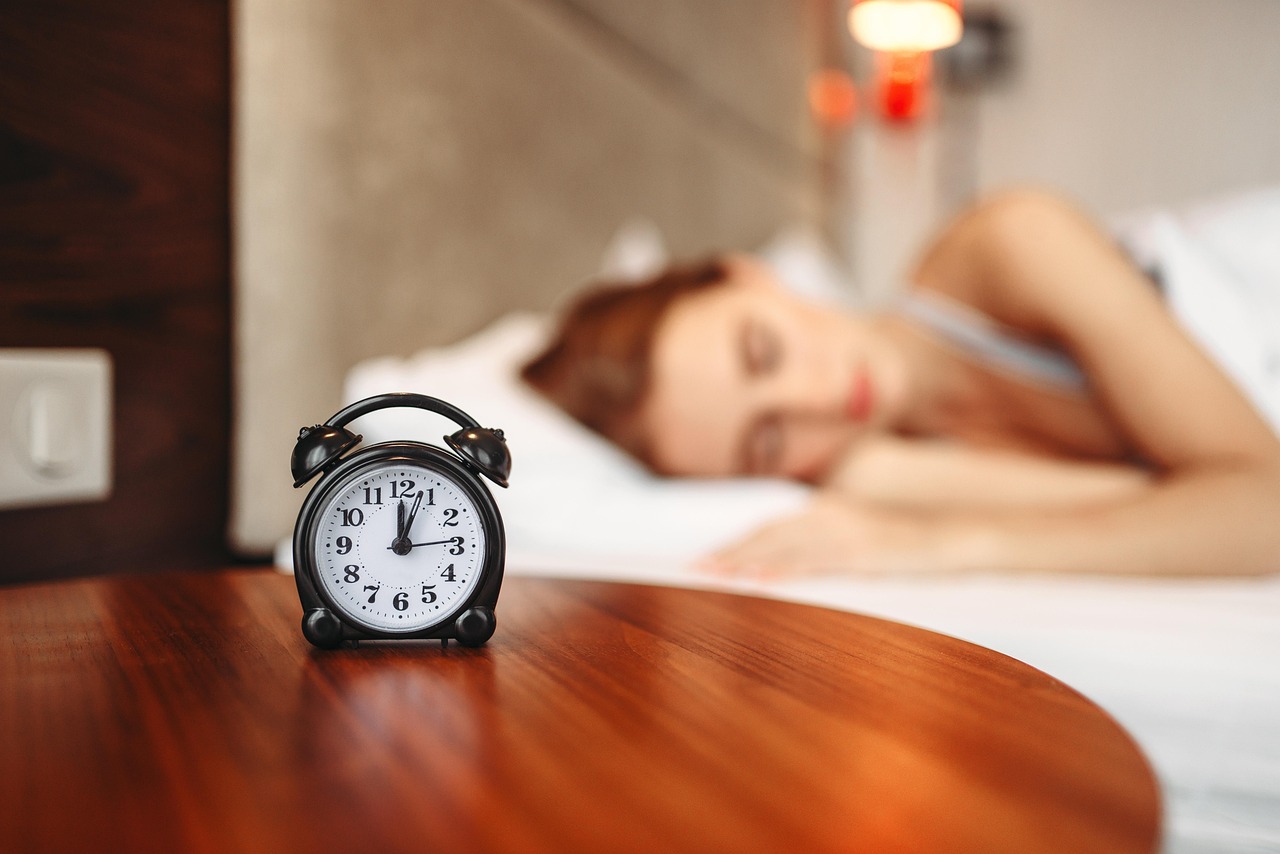
Address all light sources in your bedroom, including standby lights on electronics, LED alarm clocks, and light seeping under doors. Use electrical tape to cover small indicator lights, choose alarm clocks with red displays (which minimally affect melatonin), and install draft stoppers at door bottoms to block hallway light.
Temperature and Blue Light: The Combined Effect
Room temperature interacts with light exposure to influence sleep quality. Cool temperatures between 60-67°F (15-19°C) facilitate sleep onset by allowing your core body temperature to drop naturally. This temperature decline works synergistically with darkness to promote melatonin release and deep sleep.
Avoid using bright, blue-enriched screens while adjusting bedroom temperature or preparing your sleep space. Even brief exposure to bright light during your wind-down period can spike alertness and delay sleep onset by 30-60 minutes.
📱 Managing Technology in Your Off-Hours
Screen time represents the most significant source of mistimed blue-light exposure for modern shift workers. Smartphones, tablets, televisions, and computers emit substantial blue wavelengths that interfere with natural sleepiness when used during your designated rest periods.
Establishing Technology Boundaries
Create a personalized technology curfew based on your sleep schedule rather than conventional evening hours. If you sleep from 9 AM to 5 PM after night shifts, your “evening” begins around 6-7 AM, requiring screen time reduction during these morning hours.
Implement device-free zones in your bedroom to strengthen the mental association between your sleep space and rest rather than alertness. Charge phones outside the bedroom, use traditional alarm clocks, and avoid bringing work devices into your sleep environment.
Smart Notifications and Scheduling
Configure your devices to support your schedule rather than disrupt it. Use Do Not Disturb modes that activate during your sleep period, regardless of when that occurs. Customize notification settings so only critical alerts come through during rest hours.
Schedule communication with friends and family around your work pattern. Share your sleep schedule clearly so loved ones understand when to avoid calling or texting. Most smartphones now allow repeated schedules that can accommodate rotating shift patterns.
🍽️ Nutrition, Caffeine, and Blue-Light Synergy
Your dietary choices interact with light exposure patterns to influence alertness and sleep quality. Strategic timing of meals and caffeine consumption enhances the benefits of proper blue-light management.
Meal Timing as a Circadian Cue
Food intake serves as a secondary circadian synchronizer. Eating during your designated “day” reinforces alertness signals, while fasting during your “night” supports sleep preparedness. For night shift workers, consume substantial meals during your work hours and avoid heavy eating within 3 hours of bedtime.
Combine bright light exposure with breakfast timing to create powerful circadian signals. When transitioning to day shifts, eating breakfast immediately after waking while exposing yourself to bright light sends synchronized signals to multiple body systems that it’s time to be alert and active.
Strategic Caffeine Use
Caffeine blocks adenosine receptors, temporarily masking sleepiness without eliminating the underlying sleep pressure. Time caffeine consumption during the first half of your work shift to maximize alertness when you need it most while allowing metabolization before your sleep period.
Caffeine’s half-life ranges from 3-7 hours depending on individual metabolism. Avoid caffeine consumption within 6 hours of your planned sleep time, even if that occurs during morning hours after a night shift. Combine strategic caffeine timing with bright light exposure for synergistic alertness benefits.
🏃 Physical Activity and Light Exposure Integration
Exercise timing significantly impacts circadian rhythms and sleep quality. When combined with appropriate light exposure, physical activity becomes a powerful tool for optimizing your schedule.
Exercise Timing for Shift Workers
Morning exercise after day shifts promotes wakefulness and strengthens circadian rhythms when performed outdoors in natural light. This combination provides both the alerting effects of physical exertion and the circadian-entraining benefits of bright daylight exposure.
For night shift workers, exercise during afternoon hours after waking helps signal the start of your active period. Combine this workout with bright artificial light to reinforce circadian alignment with your nocturnal schedule. Avoid vigorous exercise within 3 hours of your bedtime, as elevated body temperature and arousal can delay sleep onset.
🔄 Monitoring Your Progress and Making Adjustments
Individual responses to blue-light timing strategies vary based on genetics, age, and existing circadian tendencies. Track your experiences to identify what works best for your specific situation.
Key Metrics to Monitor
Keep a sleep diary recording bedtime, sleep latency (time to fall asleep), nighttime awakenings, final wake time, and subjective sleep quality. Note light exposure patterns, including work lighting conditions, screen time, outdoor exposure, and use of blue-blocking tools.
Track alertness levels throughout your work shift using simple 1-10 ratings at consistent intervals. Document caffeine intake timing and amounts, meal schedules, and exercise timing. After 2-3 weeks, patterns emerge showing which strategies most effectively support your alertness and sleep quality.
Adjusting Your Approach
If sleep latency remains prolonged despite blue-light reduction, consider earlier implementation of your light-restriction protocol. Some individuals require 3-4 hours of blue-light avoidance before sleep rather than the standard 2-3 hours.
When persistent alertness problems occur during night shifts despite bright light exposure at work, evaluate your light intensity. Workplace lighting often provides only 200-300 lux, which may prove insufficient for strong circadian effects. Supplement with personal task lighting or light therapy devices positioned near your workstation.
🌟 Long-Term Sustainability and Work-Life Integration
Successfully managing blue light becomes a sustainable practice when integrated naturally into your lifestyle rather than treated as temporary intervention. Building habits around light exposure creates lasting benefits for health, performance, and quality of life.
Communicating Your Needs
Share your blue-light management strategies with household members so they understand unusual practices like wearing amber glasses at breakfast or keeping lights dimmed during morning hours. Explain how these behaviors support your health and work performance.
Advocate for appropriate workplace lighting when possible. Suggest adjustable task lighting that allows individual workers to increase brightness during night shifts. Propose reduced lighting in break rooms where workers nearing shift end can begin their wind-down process.
Balancing Social Life and Light Exposure
Social activities often conflict with optimal light management practices for shift workers. When attending morning events after night shifts, wear subtle blue-blocking glasses rather than skipping social opportunities. Explain your needs to friends and family who may not understand why you’re wearing tinted glasses at unusual times.
On days off, gradually transition toward a conventional schedule if desired for social purposes, then re-establish your shifted schedule before returning to work. This flexibility reduces social isolation while maintaining circadian health during work periods.

💪 Reclaiming Your Energy Through Light Mastery
Shift work will always challenge your natural biology, but strategic blue-light timing transforms that challenge from overwhelming to manageable. By understanding your circadian system and providing the right light signals at optimal times, you gain significant control over alertness and sleep quality.
Implementation requires initial effort and experimentation to discover your personal optimal approach. The investment pays continuous dividends through improved work performance, better recovery during rest periods, and enhanced overall wellbeing that extends into all aspects of life.
Start with one or two strategies that feel most accessible—perhaps blue-blocking glasses for post-shift commutes or screen filters on your devices. Gradually expand your light management practices as these initial changes become habitual. Track your progress, adjust approaches based on results, and celebrate improvements in how you feel during both work and personal time.
Your circadian system evolved over millions of years to respond to natural light-dark cycles. Modern life disrupted that ancient rhythm, but understanding the science empowers you to work with your biology rather than against it. Master your light exposure, and you master significant control over your alertness, sleep, and work-life balance. ✨